What a Pit Bull Adds to a Homeowners Premium
It’s a frustrating reality for many Pit Bull owners: the moment you mention your beloved companion to an insurance agent, the conversation can take an unexpected, and often expensive, turn. Many folks find themselves scratching their heads, wondering why their well-behaved, loving Pit Bull should cost them more on their homeowners insurance, or even make it impossible to get coverage at all. This guide will walk you through why Pit Bull ownership can impact your homeowners premium, how insurance companies assess this risk, and what proactive steps you can take to navigate these challenges.
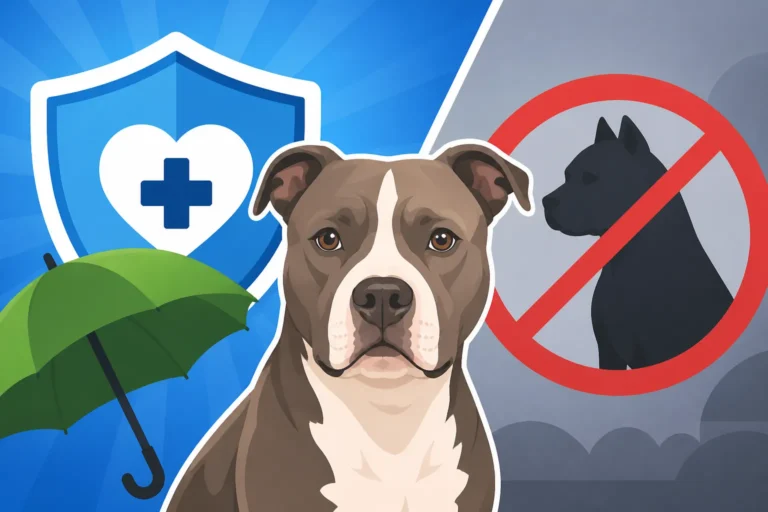
The Reality of Breed-Specific Insurance Policies
Let's be honest, it feels unfair. You’ve got a wonderful, friendly dog, and yet some insurance companies automatically place a hefty surcharge or even refuse coverage just because of their breed. This isn't personal; it's a cold, hard business decision made by insurers based on perceived risk, often without truly understanding individual dogs. The issue stems from a long-standing, and often debated, practice of breed-specific legislation and blanket assumptions about certain dog types.
Common Breed Restrictions and Pit Bulls
When an insurance company talks about "restricted breeds," they're referring to a list of dogs they believe pose a higher risk for liability claims, specifically dog bites. Unfortunately, various Pit Bull types – including the American Pit Bull Terrier, American Staffordshire Terrier, and Staffordshire Bull Terrier – frequently land at the top of these lists. It's not just purebred dogs, either. If your dog looks like a Pit Bull, or has "Pit Bull type" characteristics, they can be subjected to the same restrictions, even if a DNA test might show a different genetic makeup.
This can be incredibly disheartening, especially when you know your dog is a gentle giant. Many insurers aren't interested in the nuances of your dog's individual temperament or training; they look at the breed label and make a judgment. This often leads to situations where perfectly well-adjusted dogs are penalized, and their owners face an uphill battle. The rationale, however misguided it might feel to a responsible owner, is purely statistical from the insurer's perspective, based on reports of dog bite incidents.
It's a frustrating double standard, as many other large, powerful breeds don't face the same level of scrutiny. For instance, you might find that a Rottweiler or a German Shepherd is on some lists, but the pervasive and widespread restriction placed on Pit Bulls is almost unique. This often reflects broader societal biases and media narratives rather than objective, scientific assessment of an individual dog's risk. Understanding this unfair starting point is the first step to figuring out how to deal with it.
The Financial Impact on Your Policy
So, what does this actually mean for your wallet? The financial impact can vary significantly. In some cases, insurers might levy a surcharge on your annual premium, which could add anywhere from an extra $50 to several hundred dollars each year. For example, if your standard premium is $1,200, it might jump to $1,500 or more with a restricted breed. Other companies might simply exclude dog bite liability coverage from your policy altogether, meaning if your dog were ever involved in an incident, you'd be entirely on the hook for legal fees, medical bills, and any damages awarded.
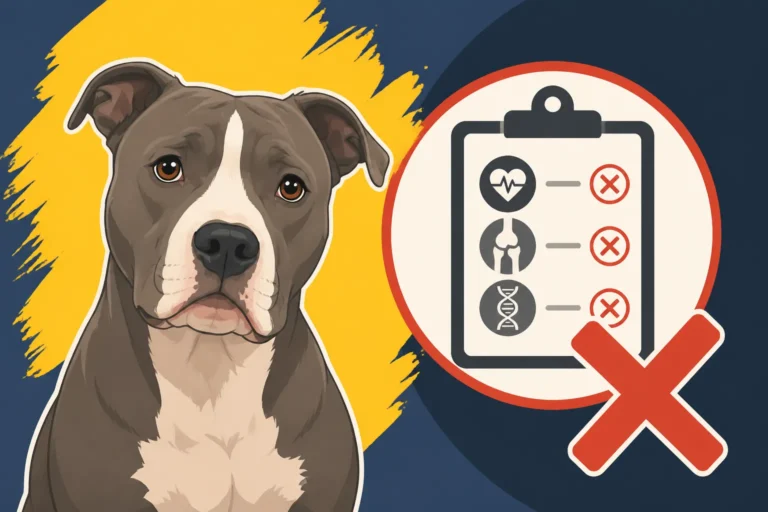
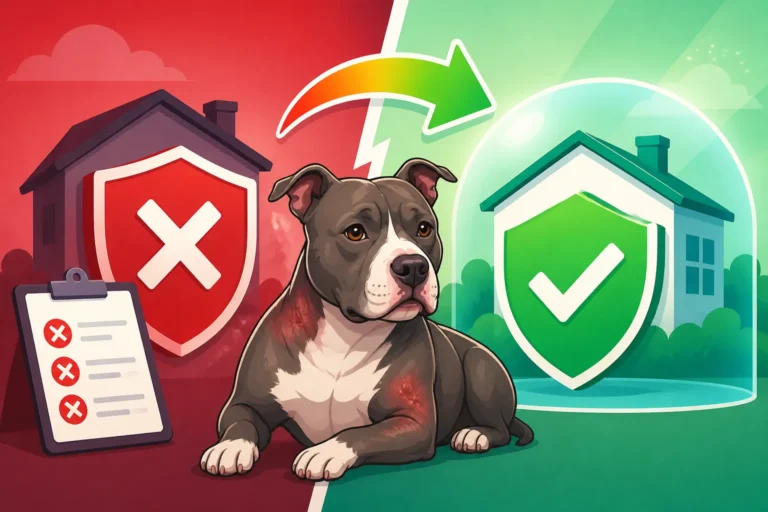
The most extreme scenario is outright denial of coverage. This happens more often than you'd think, especially if you're trying to get a new policy. You might find yourself scrambling to find an insurer willing to cover you, which can be a stressful and time-consuming process. Some companies may even drop your policy at renewal if they discover you have a Pit Bull they deem high-risk, especially if they weren't aware of the breed when the policy was first issued. This can leave homeowners in a precarious position, facing the tough choice between their beloved pet and maintaining essential home insurance.
It's not just about the upfront costs; it's about the long-term financial security. If you're denied liability coverage for your dog, or if an incident occurs and your policy has an exclusion, the financial repercussions could be catastrophic. Medical bills from a dog bite can quickly climb into the tens of thousands of dollars, not to mention potential legal defense costs. This is why understanding the specifics of your policy, and being proactive about finding appropriate coverage, is so vital for Pit Bull owners. You can't afford to be caught off guard when it comes to something as important as your home and your peace of mind.
The Legal Landscape and State Laws
The legal landscape surrounding breed-specific legislation (BSL) and insurance is a patchwork across the United States. While many states have moved away from BSL, some still allow or even encourage it, which then influences how insurance companies operate. For example, states like Michigan once had more pervasive bans, impacting everything from housing to insurance, though many of these have been repealed or softened. On the other hand, a few states have enacted laws preventing insurers from denying or canceling policies based solely on a dog's breed, recognizing the unfairness of such blanket policies. California is one such state that has generally barred insurers from refusing coverage based purely on breed.
However, even in states with protective legislation, there can be loopholes or nuanced interpretations. An insurer might not outright deny you based only on breed, but they might still impose higher premiums or require additional liability endorsements if they consider certain breeds a "higher risk." It's essential to research the specific laws in your state and even your local municipality, as city or county ordinances can sometimes override state protections or add their own layers of restrictions. This can be particularly true if you're considering moving to a new area.
Understanding these laws is crucial because it informs your rights and the arguments you can make when dealing with insurance providers. If you live in a state where insurers are prohibited from discriminating based on breed, you have more leverage. You can directly challenge a denial or surcharge, armed with the knowledge of your local protections. However, without these specific laws, you're often left to shop around and hope for a more understanding carrier. It truly underlines the importance of being an informed advocate for your Pit Bull. To learn more about broader legal impacts, you might find our guide on Where Pit Bull Legislation Still Applies helpful.
Understanding How Insurers Assess Risk
Insurance companies aren't just pulling names out of a hat when they create their restricted breed lists. They are in the business of calculating risk, and they rely on data, even if that data is sometimes flawed or incomplete. While it might feel personal to you as a Pit Bull owner, for them, it's about predicting the likelihood of a claim and managing their financial exposure.
Factors Beyond Breed
It's true that breed is a significant factor for many insurers, but it's not the only one. They also consider other elements when assessing your overall risk profile. This includes things like the individual dog's history – has it ever bitten anyone? Does it have a history of aggression? A dog with a known bite history, regardless of breed, will almost certainly face higher premiums or be uninsurable. They might also look at the number of dogs you own, especially if you have multiple large breeds.
Your property itself also plays a role. Do you have a secure, fenced yard? Is your dog generally contained, or does it have a habit of escaping? The presence of "Beware of Dog" signs, or whether you've installed a dog run, can also be factors. Essentially, insurers are looking for evidence of responsible ownership and measures taken to prevent incidents. If you're demonstrating that you're taking every precaution to ensure your dog's safety and the safety of others, it can sometimes work in your favor, even if your dog is on a restricted list.
Furthermore, your claims history as a homeowner, completely unrelated to your dog, can also influence your rates. If you've had multiple claims for burst pipes, theft, or other property damage, insurers might view you as a higher risk policyholder overall, and combine that with a restricted breed to justify an even higher premium. It's a complex equation, and while breed is a big piece, it's not the sole determinant. Knowing these other factors gives you more levers to pull when trying to secure better coverage.
The Role of Bite Statistics and Their Flaws
Insurance companies often cite dog bite statistics as justification for their breed-specific policies. These statistics typically show a higher number of reported incidents involving Pit Bull type dogs compared to many other breeds. However, these statistics are fraught with problems, and it’s important for owners to understand why. For one, identifying a "Pit Bull" can be incredibly subjective. Many dogs are visually identified as Pit Bulls in incident reports, even if they are mixed breeds or entirely different breeds with similar physical characteristics. Unless a DNA test is performed, which is rare in bite cases, the breed identification is often inaccurate.
Think about it: how many times have you seen a mixed-breed dog, or even a dog of another bully breed, instantly labeled as a "Pit Bull" by the general public? This misidentification inflates the numbers for "Pit Bulls" while underreporting incidents for other breeds. Moreover, the sheer popularity of Pit Bull type dogs in America, especially in shelter populations, means there are simply more of them. More dogs of any type will naturally lead to more incidents, without necessarily indicating a higher propensity for aggression.
Responsible Pit Bull owners understand that these dogs are often victims of circumstances, poor ownership, or lack of proper training, rather than inherent aggression. However, insurers lean on these broad, problematic statistics to paint a picture of heightened risk. This is why advocates often push for breed-neutral legislation and responsible ownership standards across all breeds, rather than singling out specific ones. When trying to secure insurance, being able to articulate these points, even if they don't change an insurer's underwriting rules, can help you feel more empowered. You can read more about this in Why Bite Statistics Cannot Be Pinned to Pit Bulls.
Your Dog's Training and Temperament
While many insurance policies unfortunately don’t delve into the individual temperament of your dog, some forward-thinking carriers are starting to consider a dog's training and behavior. A well-trained Pit Bull, especially one that has passed recognized obedience certifications, demonstrates a level of responsible ownership that can, in rare cases, influence an insurer's decision. This isn’t a guaranteed fix, but it can be a powerful tool in your arsenal.
For example, if your Pit Bull has earned a Canine Good Citizen (CGC) certificate from the American Kennel Club (AKC), it proves they have a solid foundation in basic manners and good public behavior. This voluntary certification shows that your dog can respond to commands, act calmly around strangers, and tolerate handling. While not all insurers recognize this, those that do might offer a discount or be more willing to provide coverage. It's a tangible way to show that your dog is an exemplary member of canine society, rather than just a "Pit Bull type."
Even if a formal certificate isn't accepted, having a dog that consistently demonstrates good behavior, is well-socialized, and has no history of aggression speaks volumes. Keep records of any obedience classes, training sessions, or even letters of recommendation from professional trainers. These documents can help build a strong case for your dog's good nature. When you're dealing with an insurer, demonstrating that you are a highly responsible owner with a well-adjusted dog can be your best defense against unfair breed discrimination.
Strategies to Mitigate Higher Premiums
Facing higher premiums or potential denial for your Pit Bull can feel like a punch to the gut. But don't despair! There are definite strategies you can employ to make your case, find appropriate coverage, and potentially reduce those added costs. It requires a bit of research and persistence, but it's absolutely worth it for your peace of mind and your dog's well-being.
Proactive Steps for Pit Bull Owners
The best defense is a good offense, and that means being proactive about every aspect of your Pit Bull's life. Start with impeccable training and socialization from a young age. Enroll your Pit Bull puppy in basic obedience classes, then move on to more advanced training. A well-trained dog is not only a joy to live with but also a safer dog, reducing the risk of incidents that could lead to claims. Consider pursuing certifications like the AKC Canine Good Citizen (CGC) or therapy dog titles; these are concrete pieces of evidence of your dog's excellent temperament. Our guide on Canine Good Citizen and Why It Matters for a Pit Bull goes into more detail on this.
Beyond training, focus on responsible ownership practices. Ensure your yard is securely fenced, and always walk your dog on a leash, using appropriate and sturdy equipment. A reliable harness, like those from brands readily available on Chewy, can make a huge difference in managing a strong pulling Pit Bull. Supervise your dog closely, especially around children or strangers, and educate others on safe interactions. Document everything: training certificates, vet records showing regular check-ups, and any positive community involvement your dog participates in. These records can serve as tangible proof of your commitment to responsible pet ownership.
Finally, consider pet insurance for veterinary care. While it won't directly impact your homeowners' premiums, having a policy from a provider like Healthy Paws can cover unexpected medical costs, including those arising from injuries to other animals (if your policy includes it) or accidental injuries your dog sustains. This isn't liability, but it shows a holistic approach to your dog's welfare and demonstrates a responsible financial plan for their health needs.
Exploring Different Insurance Carriers
One of the most effective strategies is to simply shop around. Not all insurance companies have the same policies regarding restricted breeds. While some carriers maintain strict no-Pit-Bull lists, others are more flexible, and a growing number are becoming "breed-neutral." This means they assess risk based on an individual dog's history rather than its breed. It’s worth calling multiple providers and being upfront about your Pit Bull, rather than trying to hide it, which could lead to a denial of claims later.
Start by contacting smaller, regional insurance companies or those specializing in high-risk policies. Sometimes, these niche providers are more willing to work with Pit Bull owners. You might also find luck with umbrella policies, which provide additional liability coverage beyond your standard homeowners policy. These can sometimes be more lenient on breed restrictions, offering an extra layer of protection if your primary policy has limitations. To explore further options, consider reading our comprehensive guide on Homeowners Carriers That Refuse Pit Bulls.
Don't be afraid to use independent insurance brokers. These professionals work with multiple carriers and can help you navigate the complex landscape of policies and restrictions. They often have insights into which companies are more Pit Bull-friendly in your specific area. They can also help you compare rates and coverage options, potentially saving you a lot of time and money in the process. Their expertise can be invaluable in finding a policy that truly protects you and your family, including your canine companion.
Leveraging Training and Certification
As mentioned, formal training and certification can be a powerful negotiating tool with some insurers. If your Pit Bull has earned an AKC Canine Good Citizen (CGC) certificate, make sure to highlight this when speaking with potential providers. This certificate demonstrates that your dog has passed a 10-step test proving good manners and obedience, which directly counters the stereotype of an unruly or aggressive dog. It’s a recognized standard for responsible dog ownership.
Beyond CGC, consider other advanced training or certifications, such as advanced obedience titles or even therapy dog certification. These accomplishments speak volumes about your dog's temperament and your commitment as an owner. While not every insurance company will offer a discount or remove a restriction based on these, a growing number of carriers are recognizing the value of such proof. It demonstrates a proactive approach to mitigating risk. You can also explore Whether a CGC Title Helps a Pit Bull Policy.
When you speak with insurance agents, be prepared to provide copies of all your dog's training certificates, vet records, and perhaps even a letter from your trainer. Frame the conversation around your dog's individual merit and your dedication to responsible ownership, rather than letting the conversation be solely about breed stereotypes. While you might still encounter resistance from some, this approach significantly increases your chances of finding a more understanding insurer and potentially securing better terms.
Navigating the Application Process and Beyond
Securing homeowners insurance with a Pit Bull can feel like a daunting task, but being prepared and persistent will pay off. Once you've found a suitable policy, your journey doesn't end there; ongoing management and review are just as important to maintain coverage and ensure you're adequately protected.
Transparency with Your Insurer
When applying for homeowners insurance, or even if you already have a policy and are considering getting a Pit Bull, always be completely transparent with your insurance provider. While it might be tempting to omit details about your dog's breed to avoid potential issues, this is a risky move that could have severe consequences down the line. If your insurance company discovers you withheld information about a restricted breed, they could deny any future claims, including those unrelated to your dog, or even cancel your policy outright.
It’s always best to be upfront. Call your agent or the company's customer service line and specifically ask about their policy on dogs, particularly Pit Bull types. Ask them directly if there are any breed restrictions, what those restrictions entail, and how they would impact your premium or coverage. Get these details in writing if possible, or at least note the date, time, and name of the representative you spoke with. This transparency protects you legally and financially, ensuring that your coverage is valid when you need it most.
Being honest from the start establishes a foundation of trust and ensures that you and your Pit Bull are properly covered. If an agent tells you they don't cover Pit Bulls, move on to the next one. Don't try to sneak around their policies; it's simply not worth the potential headache and financial devastation if an incident occurs and your claim is denied. Finding a good fit the first time, even if it takes a little longer, is paramount.
Regular Policy Reviews and Updates
Once you have a homeowners insurance policy that covers your Pit Bull, don't just set it and forget it. It's crucial to review your policy regularly, at least once a year, and definitely before each renewal. Insurance companies can change their underwriting guidelines, adjust premiums, or even alter their restricted breed lists without direct notice, which could leave you vulnerable. A quick annual check-in ensures you're still getting the coverage you expect.
During your review, verify that dog bite liability is still explicitly covered, or if there have been any changes to breed restrictions that might now affect your Pit Bull. If your dog has undergone additional training, earned new certifications, or if you've made improvements to your property (like a more secure fence), inform your insurer. These updates could potentially lead to a reduction in your premium or strengthen your case for continued coverage. You should also consider an umbrella policy, especially if you have significant assets, as it provides an extra layer of liability protection beyond your standard homeowners. See Umbrella Cover in a Pit Bull Household for more detailed information.
Life circumstances can also change. If you add another dog to your household, move to a new state or city, or have children, these factors could impact your insurance. Always communicate these changes to your insurer promptly. Maintaining an open dialogue and keeping your policy current is key to avoiding surprises and ensuring continuous, adequate protection for your home and your beloved Pit Bull.
What if You're Denied Coverage?
Being denied homeowners insurance coverage because of your Pit Bull can be incredibly frustrating and disheartening, but it's not the end of the road. First, take a deep breath. This is a common issue for many Pit Bull owners, and there are still options available. Your first step should be to understand why you were denied. Was it a blanket breed restriction? Was it related to a specific incident in your dog's past? Getting this clarity will help you in your next steps.
Next, continue shopping around aggressively. As discussed, many insurance companies have different policies. Don't just rely on the big national carriers; look into smaller, regional providers or specialty insurers. An independent insurance broker can be a huge asset here, as they have access to a wider range of companies and can often find solutions that you might not discover on your own. Remember, in some states, insurers are legally prohibited from denying coverage based solely on breed. Check your local laws, and if applicable, use this information to appeal the denial or find an insurer who complies.
If all else fails, and you're struggling to find traditional homeowners insurance, look into high-risk insurance pools or FAIR (Fair Access to Insurance Requirements) Plans, which are state-mandated programs designed to provide basic property insurance for those who can't get it in the voluntary market. While these policies might be more expensive or offer less comprehensive coverage, they ensure you have some level of protection. While pet insurance from providers like Ollie might cover health and vet bills, it typically won't step in to cover homeowners liability. It’s a challenging situation, but with persistence, you can find a solution that works for you and your Pit Bull.
| Factor | Impact on Premium (General) | How Pit Bulls are Affected | Actionable Steps for Owners |
|---|---|---|---|
| Breed of Dog | Significant increase or denial | Frequently on "restricted" lists | Research breed-neutral insurers, gather proof of training |
| Dog's Bite History | Extremely high increase or denial | Any prior incident, regardless of breed, is critical | Ensure proper training and socialization to prevent incidents |
| Home Location (State/City) | Varies based on local BSL | Some areas have outright bans or strict rules | Know local laws, consider moving to breed-neutral areas |
| Responsible Ownership Proof | Potential reduction or easier approval | Often overlooked, but gaining traction | Obtain CGC, document training, secure fencing |
| Umbrella Policy | Can provide additional coverage | Supplements primary policy's limits | Investigate if primary insurer offers, or find third-party |
| Claims History (Homeowner) | Higher premiums for multiple claims | Combined with breed, can worsen rates | Maintain a good personal claims record |
Disclaimer
The information provided in this article is for general informational purposes only and does not constitute professional financial, legal, or veterinary advice. Always consult with a qualified insurance agent, legal professional, or veterinarian for advice tailored to your specific situation. Insurance policies, laws, and regulations can change, and individual circumstances will vary.