Whether a Second Pit Bull Doubles the Bills
Bringing home a second Pit Bull, after experiencing the incredible love and loyalty of your first, often feels like a natural and wonderful progression for many devoted owners. You envision double the cuddles, double the goofy antics, and a perfectly balanced duo enriching your home. However, the practical side often brings a wave of questions, particularly around finances: does adding another powerful, loving Pit Bull truly double all your bills, or are there areas where you can find some economies of scale? This guide will dive deep into the real financial implications of expanding your Pit Bull family, helping you understand where costs might multiply and where careful planning can make a difference.
The Allure of a Second Pit Bull: More Love, More Questions
There's a special kind of joy that comes from sharing your life with a Pit Bull. Their boundless energy, unwavering affection, and unique personalities can be incredibly captivating. It's no wonder many owners eventually consider adding a second one to the pack, imagining their first dog having a constant companion and a playmate. The idea of two furry shadows following you around, two sets of adoring eyes, and twice the comfort can be incredibly appealing, especially if your first Pit Bull thrives with canine company.
The Dream Versus Reality of Two Pits
The dream scenario often involves two dogs playing harmoniously in the yard, snuggling together on the couch, and enriching each other's lives. And often, that dream becomes a beautiful reality! However, it's also important to acknowledge that two dogs, even two Pit Bulls, aren't simply one dog duplicated. Each dog brings its own personality, its own quirks, and, yes, its own set of needs and potential expenses. What might work perfectly for one might need adjustment for two, and some costs are inherently per-dog, while others might see slight savings. The initial rush of excitement is often followed by a grounded consideration of how these beloved creatures will impact the household budget, moving beyond the simple "just double it" assumption.
Initial Costs for a New Canine Companion
The very first set of bills hits before your new Pit Bull even sets a paw in your home. These are the one-off, upfront costs that every new dog brings, regardless of whether it's your first or your fifth. You might be looking at adoption fees from a rescue, which can vary widely, often covering initial vaccinations, microchipping, and spay/neuter surgery. If you're going through a reputable breeder, the purchase price will likely be significantly higher, though it should come with a health guarantee and documentation of parental health screenings.
Beyond the acquisition cost, there's the initial vet check-up. Even if your new family member comes with recent vet records, a thorough examination by your trusted veterinarian is crucial to establish a baseline of health and to address any immediate concerns. Then come the supplies: a new crate (even if you plan to eventually share, a separate, safe space is vital initially), food and water bowls, a comfortable bed (or two, because they'll each want their own cozy spot), appropriate leashes and harnesses, and, of course, a fresh stock of sturdy, chew-proof toys. These initial outlays are almost certainly going to be a direct addition to your existing dog-related expenses, and they can add up quickly before you even consider ongoing care.
Day-to-Day Expenses: More Than Just Double the Kibble
Once your second Pit Bull is settled in, the regular, recurring expenses become the primary financial consideration. This is where many owners hope for some magical economy of scale, but the reality is often a mix of direct doubling and slight efficiencies. It's rarely as simple as purchasing one bag of food and hoping it stretches.
Food and Treats: A Significant Ongoing Investment
Food is undeniably one of the largest ongoing costs for any dog, let alone two powerful, muscular Pit Bulls. While you might hope to simply buy a bigger bag of the same kibble, it's not always a straightforward doubling. For instance, if your first Pit Bull is on a specialized diet due to allergies or health conditions, your new dog might not need the same, or conversely, might also require a specific diet. Two separate, often expensive, food types mean two separate budgets. However, if both dogs can thrive on the same high-quality food, buying larger bags or subscribing to regular deliveries from online retailers like Chewy can sometimes offer a slight per-pound saving compared to smaller bags.
It's also worth considering premium options or fresh food services. Brands like Ollie deliver customized, human-grade meals, which can be fantastic for health but definitely represent a higher price point when feeding two dogs. You'll need to carefully calculate the portions and costs for each to ensure they're receiving optimal nutrition without breaking the bank. And let's not forget treats! Training treats, dental chews, and "just because" snacks—these get consumed at double the rate with two eager mouths, adding a substantial, though often overlooked, amount to the monthly food budget. You might even find yourself going through a whole lot more if you're working on new behaviors or reinforcing good manners with both dogs simultaneously.
Routine Veterinary Care and Preventative Medications
This category is where the "doubling" effect is most acutely felt. Every dog requires annual check-ups, vaccinations, and crucial parasite prevention. Whether it's heartworm medication, flea and tick preventatives, or booster shots, these are dispensed on a per-animal basis, typically according to weight. There's almost no way to share or reduce these costs for a second dog. You'll simply have two sets of vet visit fees, two doses of preventatives, and potentially two rounds of diagnostic tests if recommended by your vet.
For example, ensuring Year-Round Parasite Cover for a Pit Bull is essential, and this applies to each Pit Bull in your home. Missing a dose for one because you're trying to stretch supplies simply isn't an option. These recurring health investments are non-negotiable for keeping both your dogs healthy and happy. It's not just about compliance, it's about safeguarding their well-being and preventing much more expensive issues down the line. A proactive approach to healthcare, while seemingly doubling your bills here, actually mitigates the risk of far greater costs from preventable illnesses.
Supplies and Enrichment: Wear and Tear Multiplied
Beyond the initial gear, the ongoing need for supplies will naturally increase. Beds will wear out faster, especially with two active Pit Bulls who love to burrow, nest, or occasionally zoom onto them. Toys, particularly those designed to withstand a Pit Bull's powerful jaws, will need replacing more frequently. What might have lasted months for one dog could be demolished in weeks by two. Harnesses and leashes, while not needing constant replacement, will definitely see double the use and require monitoring for wear and tear to ensure safety.
Consider enrichment items too. Puzzle feeders, lick mats, and durable chew toys are fantastic for mental stimulation and preventing boredom, but you'll need one for each dog, or at least enough to rotate to avoid resource guarding issues. These aren't luxuries; they're vital for keeping intelligent, energetic dogs like Pit Bulls mentally engaged and out of trouble. While you might already have a good stock of cleaning supplies for one dog, you'll likely find yourself going through more pet-safe cleaners, stain removers, and odor eliminators with two dogs contributing to the daily household entropy. The simple truth is, two dogs mean twice the paws tracking dirt, twice the potential for accidents, and twice the general wear on household items.
The Hidden Costs and Unexpected Financial Surprises
While food and routine vet visits are easy to anticipate, it's often the less predictable expenses that truly challenge the budget. These are the "what ifs" that can quickly turn a manageable two-dog household into a financial tightrope walk if not adequately prepared for.
Healthcare: When Illness or Injury Strikes
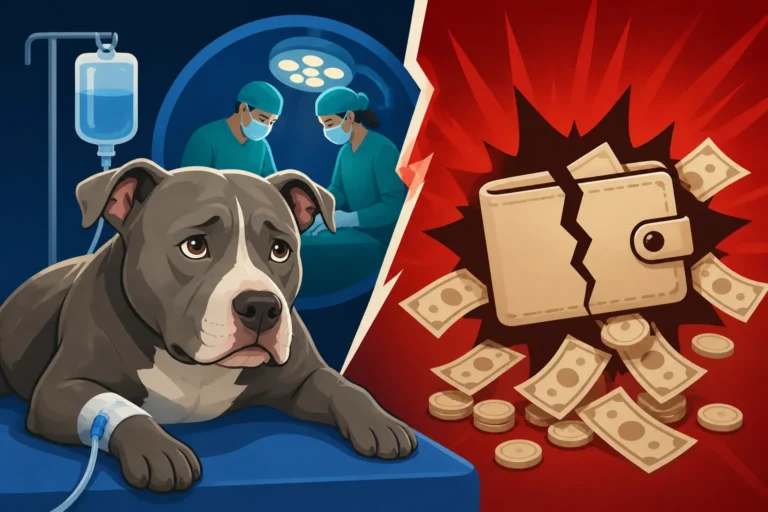
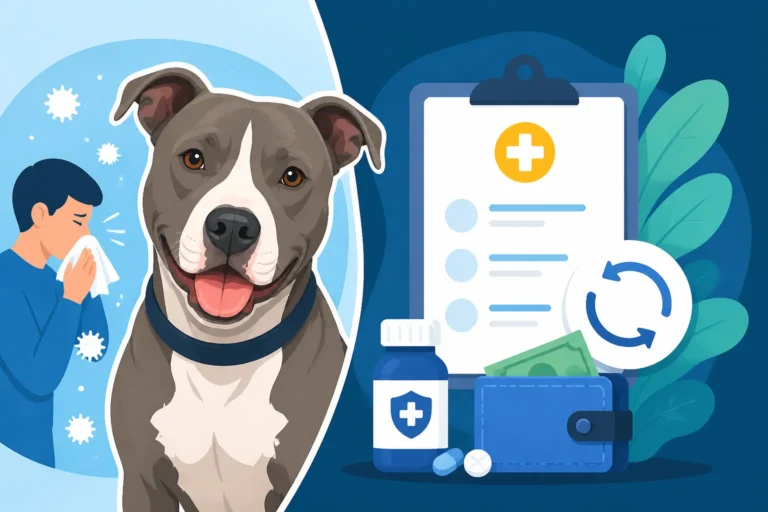
This is perhaps the most significant area where owning a second Pit Bull increases your risk of substantial bills, even if it doesn't always double immediate costs. If your first Pit Bull has sailed through life without major health scares, that's wonderful! But adding a second dog means you now have two chances for an unexpected illness, an accident, or the development of a chronic condition. Pit Bulls, while generally robust, can be prone to certain issues. For instance, Pit Bull Skin Allergies and the Atopy Pattern are common, and managing these can become a recurring, expensive bill. Similarly, conditions like Pit Bull Hip Dysplasia Showing at One to Two Years can require costly diagnostics, medications, and potentially even surgery.
Suddenly, you could be looking at one dog needing allergy immunotherapy while the other requires an orthopedic consultation. Pet insurance becomes less of a luxury and more of a critical financial safety net in a two-dog household. Companies like Healthy Paws offer coverage that can significantly mitigate the financial blow of unexpected emergencies or chronic conditions. While you'll pay a premium for each dog, the peace of mind knowing you can provide the best care without devastating your savings is invaluable. Without insurance, a single emergency surgery or the ongoing management of a chronic condition could easily run into thousands of dollars, making the costs associated with two dogs feel exponentially higher than just double.
Training and Behavior Management in a Multi-Dog Home
You might already have a well-trained first Pit Bull, but a second dog often means revisiting foundational training, and potentially addressing new dynamics. While you can often train both dogs together, a new puppy or even an adult rescue will need individual attention. Puppy classes, basic obedience refreshers, and one-on-one sessions with a professional trainer can add up. Moreover, integrating a new dog into an existing household can sometimes bring out unexpected behavioral challenges in either the new dog or the resident dog.
For example, you might encounter Pit Bull Dog Selectivity and Multi-Dog Homes, where your first dog might not be as thrilled about a new canine companion as you hoped. This could necessitate specialized training, behavioral consultations, or even managing their interactions in a way that requires more resources (e.g., separate play times, separate walking routes). Strong-willed and powerful dogs like Pit Bulls benefit immensely from consistent, positive training. Investing in a good trainer experienced with the breed is a wise decision for a harmonious two-dog home, and this is an area where costs are almost certainly additive, as each dog needs their foundation reinforced and potential issues addressed individually.
Boarding, Grooming, and Other Services
Think about the times you need to travel or if you utilize services like daycare. The cost of boarding two Pit Bulls will almost certainly double, if not slightly more if they need separate accommodations or have specific needs. Daily walks by a professional dog walker, if you employ one, will also be priced per dog. Even routine grooming, like nail trims at the vet or professional baths, will now be a double expense.
While you might be diligent about home grooming, like regular brushing and Cleaning a Pit Bull Ear Properly, there will still be occasions where professional help is needed. If one of your Pit Bulls develops itchy skin and needs frequent medicated baths, that's another recurring cost that might not apply to the other. These "extras" are crucial for maintaining their well-being and your peace of mind, but they add a noticeable chunk to the budget that scales directly with the number of dogs.
Strategic Budgeting for a Two-Pit Household
The good news is that owning two Pit Bulls doesn't have to mean a perpetually stressed bank account. With careful planning and smart choices, you can manage the increased expenses effectively and ensure both your dogs receive the best possible care. It's about being proactive and finding efficiencies where you can.
Smart Shopping and Bulk Buys
One of the most immediate ways to save money, particularly on food, is to leverage bulk purchases and online retailers. If both your Pit Bulls can eat the same high-quality kibble, buying the largest available bags often yields a lower price per pound. Websites like Chewy frequently offer discounts for auto-ship subscriptions, ensuring you never run out and often saving you money in the process. Look out for sales on treats, durable toys, and even waste bags. Stocking up when prices are favorable can significantly reduce your overall monthly outlay.
However, be mindful of expiration dates and storage for perishable items. While buying in bulk for non-food items like bedding or cleaning supplies can also be beneficial, remember that some things, like specialized chews for Pit Bull Dental Disease and Hard Chewing, might be best bought as needed to ensure freshness and suitability. It’s a balance between saving money and maintaining quality and safety for both your beloved dogs.
Pet Insurance: A Financial Lifeline
As highlighted earlier, pet insurance is a game-changer when you have two dogs. The chances of one of your dogs needing significant veterinary care at some point in their lives is quite high; with two, that likelihood increases dramatically. It's not just about emergencies; it's also about managing chronic conditions like allergies or orthopedic issues like Pit Bull Obesity and Joint Strain that can lead to costly treatments over time. While you will pay a premium for each dog, the right policy can protect you from devastating bills and allow you to make medical decisions based on what's best for your pet, not just what you can afford out-of-pocket.
When researching policies, pay close attention to the deductible, reimbursement percentage, and annual limits. Also, be aware of potential Pit Bull Pet Insurance and Breed Exclusions that some insurers might have. Getting coverage in place while your dogs are young and healthy is ideal, as most policies won't cover pre-existing conditions. Consider how different providers handle multiple pets – some may offer discounts for insuring more than one animal. It truly is a proactive investment in their long-term health and your financial stability.
DIY Care Where Possible
Taking on some of the routine care tasks yourself can save a surprising amount of money over time. Learning to trim your Pit Bull's nails at home, rather than paying for professional services every few weeks, is a prime example. Regular home dental care, such as brushing their teeth, can reduce the frequency of professional dental cleanings under anesthesia. Providing regular baths, especially if one of your dogs has skin sensitivities that require medicated shampoos, is another area where DIY saves.
Beyond physical care, being consistent with daily training and mental enrichment can help prevent behavioral issues that might otherwise necessitate expensive professional intervention. For instance, using puzzle feeders, engaging in regular play, and practicing obedience commands can keep both dogs stimulated and well-behaved. This isn't about cutting corners; it's about being an engaged and responsible pet parent who invests their time and effort, not just their money, into their dogs' well-being.
Here's a quick look at how costs might shift with two Pit Bulls:
| Expense Category | One Pit Bull (Estimate) | Two Pit Bulls (Estimate) | Notes |
|---|---|---|---|
| Initial Costs | |||
| Adoption/Purchase Fee | Varies | Varies | Highly dependent on source (shelter vs. breeder) |
| Initial Vet Exam & Vaccines | Varies | Doubles | Vet visits are per dog |
| Crate, Bed, Bowls, Leash/Harn. | Varies | Near Doubles | May reuse some, but often need separate items or replacements |
| Ongoing Monthly Costs | |||
| Food | $50-100+ | $90-180+ | Can see some bulk savings, but still a significant increase |
| Treats & Chews | $15-30 | $25-50 | Consumed faster, often direct doubling |
| Routine Vet Care (Annualized) | $30-50 | $60-100 | Annual exams, vaccinations, often direct doubling |
| Parasite Prevention (Monthly) | $20-40 | $40-80 | Heartworm, flea/tick are per-dog, dose by weight |
| Pet Insurance | $30-70+ | $60-140+ | Premiums are per dog, may offer multi-pet discounts |
| Toys & Enrichment | $10-25 | $20-40 | High-chew breeds mean frequent replacement, may not exactly double |
| Potential Variable Costs | |||
| Emergency Vet Visits | $500-5000+ | $500-5000+ (per incident) | Risk doubles; pet insurance is critical here |
| Chronic Illness Management | $50-300+/month | $50-300+/month (per dog) | Costs can stack significantly if both develop chronic issues |
| Professional Training | $100-500+ (per course) | $150-800+ (per course) | May be able to train together, but often need individual attention |
| Boarding/Daycare | $30-70/day | $50-120/day | Almost always a direct doubling or near doubling |
| Grooming (Professional) | $20-50/session | $40-100/session | Nail trims, baths are per dog |
While the love and companionship of two Pit Bulls are immeasurable, the financial commitment is undoubtedly substantial. It's clear that while not every single bill will exactly double, many significant costs, especially those related to healthcare and preventative medicine, certainly will. You'll find some minor efficiencies in bulk buying and shared supplies, but the overall financial responsibility is much higher. The key is to approach this decision with open eyes, a realistic budget, and a commitment to providing both your powerful, affectionate dogs with the best possible care, ensuring a happy and healthy life for your expanded family.
Disclaimer
This article is for general informational purposes only and does not constitute professional advice. Laws, prices and regulations vary by location and change over time. Consult a qualified professional for guidance on your specific situation.