Insurers With No Pit Bull Breed Restriction
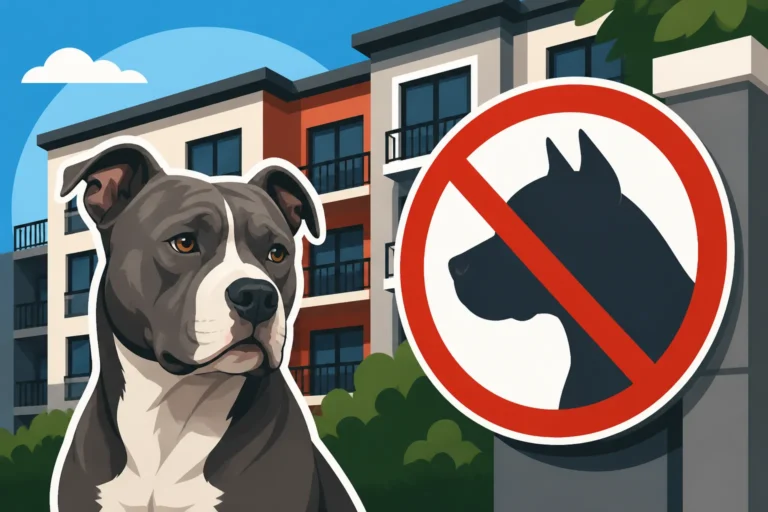
It's incredibly frustrating when you're a responsible Pit Bull owner, trying your best to do everything right for your furry family member, only to hit a brick wall when it comes to insurance. Many people find themselves denied homeowner's or renter's insurance, or facing exorbitant premiums, simply because of their dog's breed. This guide is designed to cut through that confusion, helping you identify insurers that don't discriminate against Pit Bulls and providing actionable strategies to secure the essential coverage you need.
Why Pit Bull Breed Restrictions Exist in Insurance
It feels deeply unfair, doesn't it? You know your dog – their goofy antics, their loving nature, their endless capacity for cuddles – but insurance companies see something else entirely. This disconnect stems from a complex history and a lot of misunderstanding that unfortunately still impacts Pit Bull owners today.
Historical Context and Misconceptions
The roots of breed-specific restrictions in insurance often run parallel with the history of breed-specific legislation (BSL) in communities. Starting largely in the 1980s, driven by sensationalized media reports and a misunderstanding of dog behavior, many cities and counties began passing laws targeting certain breeds, primarily "Pit Bull types." These laws ranged from outright bans to strict regulations like mandatory muzzling, special licensing, or increased liability requirements.
While the famous "nanny dog" narrative — suggesting Pit Bulls were once cherished family protectors, particularly with children — is largely a myth without strong historical backing, it points to a period where these dogs were seen differently. What happened was a stark contrast: a shift from being considered versatile farm dogs and family companions to being demonized as inherently dangerous. This dramatic public perception change, amplified by media, created a ripple effect. Insurance companies, always operating on risk assessment, began to incorporate these societal fears and legislative patterns into their policies. They saw a breed group frequently mentioned in negative headlines and targeted by laws, and from a purely actuarial standpoint, they deemed them a higher risk, even if that risk was based more on perception than scientific data about individual dog behavior.
Perceived Risk Versus Reality
The core issue here is that insurance companies, by their very nature, are in the business of calculating risk. When it comes to dogs, they assess the likelihood of a liability claim – for instance, if your dog were to bite someone or cause property damage. For Pit Bulls, this risk is often perceived as higher, regardless of an individual dog's temperament, training, or the owner's responsible management. This perception is fueled by:
- Media Portrayals: Negative incidents involving dogs often gain more media attention when a "Pit Bull" is involved, reinforcing a biased narrative. This isn't to say incidents don't happen, but the breed identification often overshadows the specific circumstances or the owner's responsibility.
- Lack of Standardized Breed Identification: What exactly is a "Pit Bull"? It's a type, not a single breed, encompassing American Pit Bull Terriers, American Staffordshire Terriers, Staffordshire Bull Terriers, and often mixes of these or other bully breeds. This broad categorization means many dogs visually identified as Pit Bulls might actually be mixed breeds with diverse temperaments, further skewing perceived risk based on appearance alone. You might even find yourself wondering Whether a DNA Test Gets a Pit Bull Insured in hopes of clarifying your dog's ancestry.
- Statistical Misinterpretation: While some statistics may show certain breeds involved in a higher number of bite incidents, these numbers are often controversial. They rarely account for population numbers (Pit Bulls are very common), the circumstances of the bite, responsible ownership, or accurate breed identification.
So, while your Pit Bull might be the gentlest soul on four paws, happily sharing their space with children and other pets, the insurance company's algorithms might lump them into a "high-risk" category based on these broader, often flawed, perceptions. This disparity is why finding an insurer that looks beyond the breed label is so crucial.
Identifying Insurers That Don't Discriminate by Breed
The good news is that not all insurance companies follow the same restrictive path. There are indeed insurers who are moving towards more progressive, behavior-based policies rather than breed-specific bans. It just takes a bit more legwork to find them.
Companies with No Breed Restrictions
Several national insurance providers have publicly stated that they do not have breed restrictions for their homeowner's or renter's insurance policies. Instead, they often focus on an individual dog's bite history, temperament, or behavioral assessments. This is a game-changer for Pit Bull owners. Some of these companies include:
- State Farm: Consistently cited as an insurer that focuses on a dog's individual history rather than its breed. They are often a top recommendation for Pit Bull owners.
- USAA: Primarily serving military members and their families, USAA also generally does not have breed restrictions, focusing instead on bite history.
- Amica: Known for its customer service, Amica is another insurer that tends to evaluate dogs on an individual basis.
- Nationwide Pet Insurance: While primarily a pet health insurance provider (which we'll discuss more in a moment), Nationwide also offers liability coverage through its homeowner's/renter's policies without breed-specific exclusions in many areas.
It's absolutely essential to remember that policies can change, and regional variations exist. Always, always confirm an insurer's current policy directly with a representative when you are getting a quote. Don't rely solely on online lists or older information. Be upfront about owning a Pit Bull type dog from the very beginning.
The Difference Between Home/Renter's and Pet Insurance
It's really important to distinguish between two types of insurance:
- Homeowner's or Renter's Insurance (Liability Coverage): This is the policy that protects you financially if your dog causes injury or damage to another person or their property. This is where breed restrictions primarily come into play, as insurers are concerned about the liability risk.
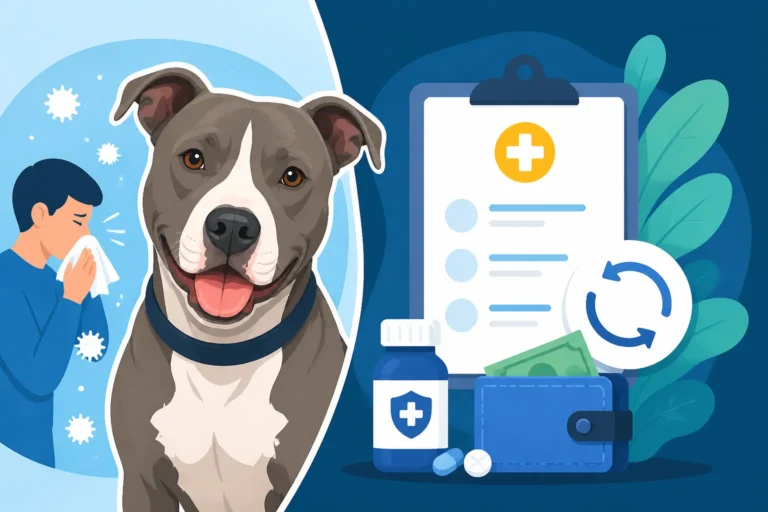
- Pet Health Insurance: This type of insurance, from providers like Healthy Paws, focuses entirely on covering your dog's veterinary bills for accidents, illnesses, and sometimes routine care. For pure health coverage, companies like Healthy Paws often don't have breed-specific exclusions because they are insuring the health of the animal, not its potential to cause harm to others. They might have exclusions for pre-existing conditions, but generally not for breed. So, while you're seeking a home or renter's policy, remember that getting health insurance for your Pit Bull is usually a separate, less breed-restricted process.
Many Pit Bull owners successfully obtain pet health insurance, which covers everything from ear infections (common in some Pit Bulls) to unexpected surgeries, without issue. The challenge is usually with the liability portion of your property insurance.
State and Local Legislation Impacts
The landscape of insurance for Pit Bulls is also significantly shaped by state and local laws. Some states have taken proactive steps to prohibit insurance companies from denying coverage or charging higher premiums based solely on a dog's breed. This is a huge win for responsible owners!
States like Pennsylvania, Michigan, and New York, for example, have laws that make it illegal for insurers to use breed as the only factor in denying or restricting coverage. California also has protections in place. If you live in a state with such legislation, your chances of finding a non-discriminatory policy are significantly higher. This is often an overlooked but critical piece of information. When researching States Where Insurers Cannot Ask About a Pit Bull, you can get a better sense of your rights and options. Always check your specific state's insurance laws, as they can provide a powerful tool in your search for coverage. These laws reflect a growing understanding that responsible dog ownership, not breed, is the true indicator of risk.
Strategies to Secure Coverage Even with Breed Restrictions
Even if you don't live in a state with protective legislation or you're struggling to find an insurer without breed restrictions, don't give up hope. There are several proactive steps you can take to make your Pit Bull a more insurable client in the eyes of an insurer.
Proactive Communication with Insurers
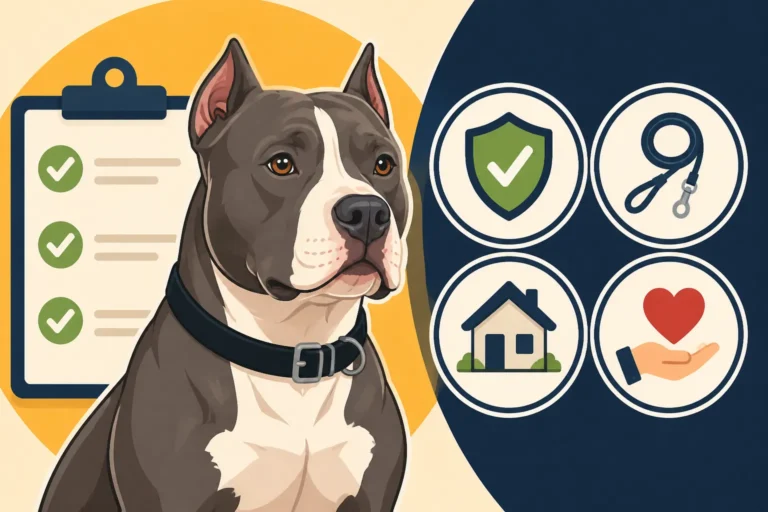
Transparency and documentation are your best friends here. When speaking with potential insurers, don't try to hide your Pit Bull or downplay their breed. Instead, be completely honest and prepared to present your dog in the best possible light. Highlight their positive attributes and your responsible ownership:
- Positive Training: Emphasize any formal training your dog has received. Did your Pit Bull attend puppy classes? Do they have advanced obedience training? These details matter.
- Canine Good Citizen (CGC) Certification: A CGC title from the American Kennel Club (AKC) is a fantastic asset. It demonstrates that your dog is well-behaved, has good manners, and is reliable in various public settings. Many insurers view a CGC-certified dog more favorably. You should definitely consider pursuing Canine Good Citizen Testing With a Pit Bull as it can be a strong argument in your favor.
- Veterinary Records: Up-to-date vaccinations and regular vet check-ups show you're a responsible owner who prioritizes your dog's health and well-being.
- Secure Containment: Describe your secure fencing, crating, or other measures you take to ensure your dog is safely contained on your property.
When asked about breed, respond with the specific breed name if you know it (e.g., American Staffordshire Terrier) rather than just "Pit Bull," which can be a loaded term. Emphasize your dog's individual temperament, character, and lack of any bite history.
Leveraging Training and Behavioral Assessments
The more proof you can offer that your Pit Bull is a well-adjusted, well-trained, and non-aggressive dog, the better your chances of securing coverage.
- Professional Training Certificates: Beyond just puppy classes, consider enrolling your Pit Bull in more advanced obedience courses. A certificate from a reputable trainer can serve as tangible evidence of your dog's good behavior. When you provide Showing an Insurer a Pit Bull's Training Record, it speaks volumes about your commitment.
- Behavioral Evaluations: In some cases, a professional behavioral assessment by a certified canine behaviorist or veterinary behaviorist might be beneficial. This expert can provide an objective evaluation of your dog's temperament, noting their calm demeanor, lack of aggression, and trainability. This kind of assessment can counteract generalized breed stereotypes.
- CGC and Other Titles: As mentioned, the CGC is huge. There are other titles, too, like therapy dog certifications, that further demonstrate a dog's stable temperament and ability to interact politely with people. Exploring Whether a CGC Title Helps a Pit Bull Policy can illuminate how these credentials contribute to your case. Investing in high-quality training treats (you can find great options on Chewy) and working with a certified trainer is not just good for your dog, but also for your insurance prospects.
Exploring Specialized and Local Brokers
Sometimes, the big-name insurers might be too rigid in their policies. This is where independent insurance brokers come in handy.
- Independent Brokers: These professionals work with multiple insurance companies and can shop around on your behalf. They often have access to smaller, specialized carriers that might have more flexible underwriting guidelines for breeds commonly labeled as "high-risk." They are experts in finding solutions for unique situations, and they understand the nuances of breed-specific policies much better than a general agent might.
- Local Agents: A local agent in your community might be more familiar with regional insurance companies that have a more understanding approach to Pit Bulls. They may also be able to advocate for you more directly with underwriters they have established relationships with. They can also advise on whether your specific location has any local ordinances that might affect insurance, such as required liability minimums for certain breeds.
Don't hesitate to reach out to several brokers and explain your situation clearly. They are a valuable resource for finding Insurers With No Pit Bull Breed Restriction that you might not discover on your own.
Considering a Change in Policy Type or Provider
If you're hitting dead ends with your current insurer or general searches, think about your entire insurance portfolio.
- Bundling Policies: Sometimes, if you have your auto insurance, life insurance, or other policies with a particular company, they might be more willing to offer you a homeowner's or renter's policy, even with a Pit Bull. The promise of retaining multiple lines of business can be an incentive for them to be more flexible. This means you might need to move all your insurance business to a company that does accept Pit Bulls.
- Finding a New Lead Carrier: If your current insurer denies you or wants to charge an unreasonable premium, don't be afraid to switch. Research companies that are known for being breed-neutral and approach them first for your property insurance. Then, consider moving your other policies over if it makes financial sense. The goal is to get your primary coverage in place.
Understanding Policy Details and What to Watch For
Once you've found an insurer willing to cover your Pit Bull, your job isn't quite done. It's crucial to understand the nuances of your policy to ensure you're adequately protected. The devil, as they say, is in the details.
Reading the Fine Print: Exclusions and Clauses
Even with an insurer that claims to be "breed-neutral," you need to scrutinize the policy document for any language that could still cause issues down the line.
- "Dangerous Dog" Clauses: Some policies might not name specific breeds but instead have broad clauses referring to "dangerous dogs" or "animals with a history of aggression." While your Pit Bull might have a pristine record, it's worth understanding how such a clause could be interpreted if an incident were to occur. Ask direct questions about how this clause is defined and applied.
- "Exclusions for Specific Incidents": Look for exclusions related to dog bites or specific types of dog-related injuries. Even if they don't exclude a breed, they might have limits on the type of incident they will cover.
- "Sublimits" for Animal Liability: Some policies might offer general liability but then impose a lower "sublimit" specifically for animal-related claims. For instance, your overall liability might be $300,000, but only $25,000 might apply to dog-related incidents. This is a critical detail that could leave you underinsured in a serious situation. Make sure to discuss What a Bite Claim Does to a Pit Bull Policy with your agent, as understanding potential financial repercussions is paramount.
Always ask your agent to walk you through the sections of the policy pertaining to animal liability. Don't be shy about asking for clarification on any ambiguous wording.
Liability Limits and Umbrella Policies
Standard homeowner's and renter's insurance policies typically come with liability limits ranging from $100,000 to $500,000. For many people, this seems like a lot, but if your Pit Bull were to be involved in a serious incident resulting in significant medical bills or a lawsuit, these limits can be quickly exhausted.
This is where an umbrella policy becomes incredibly valuable. An umbrella policy provides additional liability coverage that kicks in once your primary home or auto insurance limits are met. These policies typically offer coverage ranging from $1 million to $5 million or more. For a relatively low annual premium, an umbrella policy offers a significant layer of financial protection against unforeseen events, including dog-related liability claims. For Pit Bull owners, because of the lingering societal bias, this extra layer of defense is often a wise investment. You should definitely consider How Much Umbrella Cover a Pit Bull Owner Buys to ensure complete peace of mind.
Impact of a DNA Test
Many Pit Bull owners consider a DNA test, hoping that if their dog is primarily a Boxer mix or another breed, it might negate the "Pit Bull" label for insurance purposes. The reality here is mixed.
- Varies by Insurer: Some progressive insurers might consider a DNA test if it shows your dog is primarily composed of breeds not on their restricted list. They might even consider it if the Pit Bull component is small.
- Visual Identification Often Trumps: Many insurers, particularly those with stricter breed-specific policies, often go by visual identification. If your dog looks like a Pit Bull, regardless of a DNA test showing minimal "Pit Bull type" ancestry, they may still classify it as such.
- Broad "Bully Breed" Categories: Some policies use broad terms like "bully breeds" or "any dog that exhibits characteristics of a Pit Bull type dog," which a DNA test showing diverse ancestry might not overcome.
While a DNA test might be helpful for your own understanding or for addressing housing restrictions, it's less consistently effective for insurance purposes. Always discuss this directly with your insurer; don't assume it will solve the problem. Researching Whether a DNA Test Gets a Pit Bull Insured further will give you more context.
Regular Review of Your Policy
Insurance isn't a "set it and forget it" kind of thing, especially when you own a Pit Bull.
- Annual Check-ins: Make it a habit to review your policy annually with your agent. Life changes, and so do insurance company policies. An insurer that was breed-friendly last year might change its stance this year, or a state law might be enacted (or repealed) that affects your coverage.
- Update Your Agent on Dog Milestones: If your Pit Bull earns a new training certification (like that CGC we talked about!), completes advanced obedience, or even ages into a senior dog with a calmer demeanor, let your agent know. These positive updates can sometimes lead to more favorable terms or reinforce your position as a responsible owner.
- Understand Premium Adjustments: Be aware that What a Pit Bull Adds to a Homeowners Premium can fluctuate. Premiums can change for many reasons, but staying informed about your specific circumstances helps.
By actively managing your insurance policy and maintaining open communication with your provider, you can ensure that you and your beloved Pit Bull remain protected throughout their life.
Navigating Pit Bull Insurance: Key Considerations
| Factor | Breed-Friendly Insurer | Breed-Restricting Insurer |
|---|---|---|
| Acceptance Policy | No explicit breed discrimination; focuses on behavior | Explicitly lists Pit Bulls or "dangerous breeds" as excluded |
| Focus for Liability | Individual dog's behavior, training, bite history | Breed alone is primary factor for denial/higher premium |
| Premium Impact | Generally similar to other breeds, based on claims history | Higher premiums, surcharges, or outright denial |
| Required Documentation | May ask for training certificates, vet records, CGC | May require behavioral assessments, or may not accept any documentation |
| State Laws Impact | More likely to operate in states prohibiting BSL in insurance | May operate in states allowing BSL in insurance, or have broad exclusions |
| Umbrella Policy | Highly recommended for extra peace of mind | Essential to cover gaps if primary policy is limited |
Disclaimer
The information provided in this guide is for general informational purposes only and does not constitute professional insurance, legal, or veterinary advice. Insurance policies and regulations vary significantly by state, locality, and individual circumstances. Always consult with a qualified insurance professional to discuss your specific needs and obtain personalized advice. Policy terms and conditions are subject to change by insurance providers.