What a Pit Bull Permit Requires of an Owner
Navigating life with a Pit Bull can feel like constantly jumping through hoops, especially when you encounter breed-specific legislation. Many cities and counties, despite growing opposition, still implement restrictions that require owners of Pit Bull-type dogs to obtain special permits. This can be a confusing and frustrating process, leaving you wondering exactly what's expected of you and your beloved companion. This guide aims to demystify the common requirements for a Pit Bull permit, helping you understand what steps you’ll need to take to ensure compliance and keep your furry family member legally safe.
Understanding Breed-Specific Legislation and Permits
It’s tough to be a Pit Bull owner in many places. You're constantly aware that your dog, simply because of how they look, might be subject to rules and regulations that other breeds aren't. Breed-specific legislation (BSL) isn't just about outright bans; it often includes stringent permit systems designed to manage ownership. These laws are a direct response to public perception and historical events, often overlooking individual temperament or responsible ownership. Understanding the roots of these laws and where they are still prevalent is the first step in navigating the permit process.
The Historical Context of Pit Bull Bans
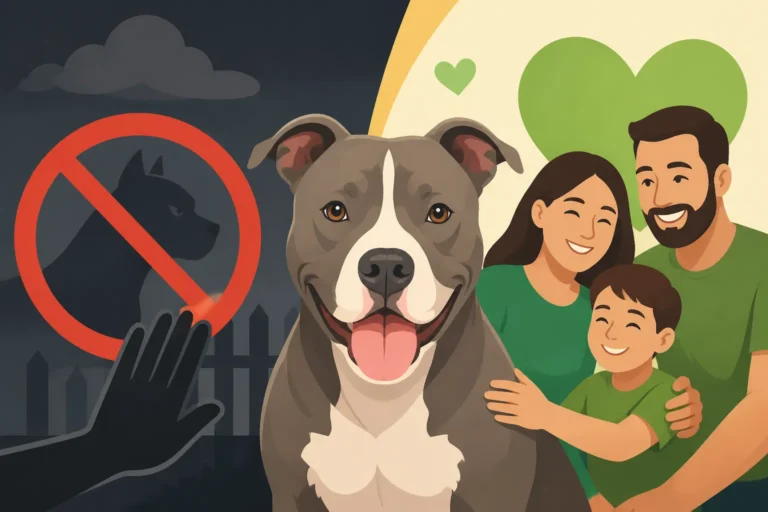
The idea of targeting specific breeds wasn't always this widespread. Historically, dog control laws focused on individual dog behavior, not breed. However, starting in the 1980s, fueled by media sensationalism and a few high-profile incidents, Pit Bulls became the scapegoat. Suddenly, the narrative shifted, and these strong, loyal dogs were unfairly labeled as inherently dangerous. This led to a wave of breed-specific ordinances across the country, with many communities enacting bans, while others opted for what they considered a "middle ground": mandatory permits. The intent, often stated as public safety, was deeply flawed, as it punished entire groups of dogs and their owners based on appearance, rather than addressing irresponsible ownership or promoting effective training. For a deeper look into the historical aspect, consider exploring the factors contributing to the creation of the breed and type in our piece on The Bull and Terrier Origin of the Pit Bull.
The problem with these bans and permits is that they rarely achieve their stated goals. Instead, they create financial burdens for owners, overwhelm shelters with unadoptable dogs, and often separate loving families. Many organizations, from the American Veterinary Medical Association (AVMA) to the American Bar Association (ABA), have spoken out against BSL, citing its ineffectiveness and unfairness. Yet, the legacy of these historical fears persists, manifesting in the very permit requirements we're discussing today. It’s a constant battle for Pit Bull advocates and owners to change these long-held, often misguided, perceptions.
Where Permits are Still Common
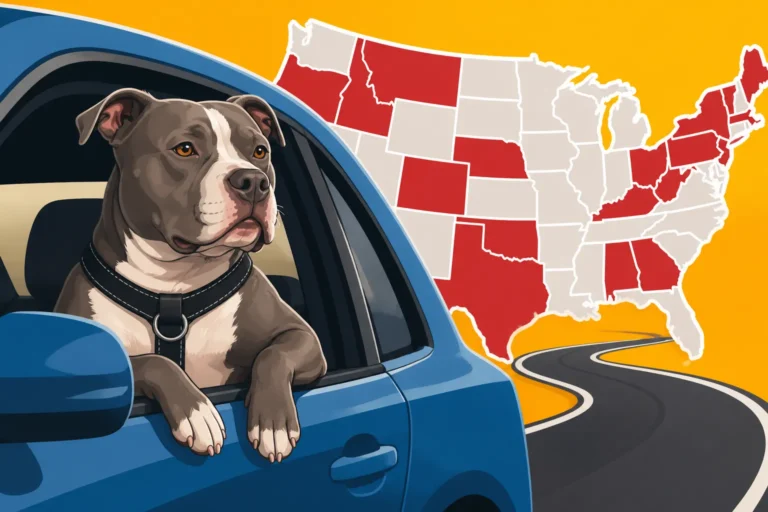
While the tide is slowly turning in some areas, with places like Denver and Florida rolling back their breed-specific legislation, permits remain a very real hurdle in many other municipalities. It’s a patchwork quilt of laws across the country, making it incredibly challenging for Pit Bull owners to know what to expect, especially if they are moving or traveling. You might find one city has a complete ban, while a neighboring county requires an annual permit with extensive conditions. To understand the specifics of your area, you might need to research local animal control ordinances, municipal codes, and even homeowners association (HOA) bylaws.
Cities and counties that still have permit requirements often include clauses that define "Pit Bull type dogs" broadly, sometimes encompassing American Pit Bull Terriers, American Staffordshire Terriers, Staffordshire Bull Terriers, and even dogs that simply share physical characteristics. This broad definition can mean that even if your dog is a mix, they could still fall under the permit umbrella. It highlights the problem of How a City Decides a Dog Is a Pit Bull based on appearance alone, often disregarding actual breed makeup or individual behavior. Before adopting or moving, it's crucial to check with the local animal services department or even a local Pit Bull rescue group, as they often have the most up-to-date information on local regulations like Cities That Still Restrict Pit Bulls. This vigilance is exhausting, but it's vital for your dog's safety and your peace of mind.
Key Requirements for a Pit Bull Permit
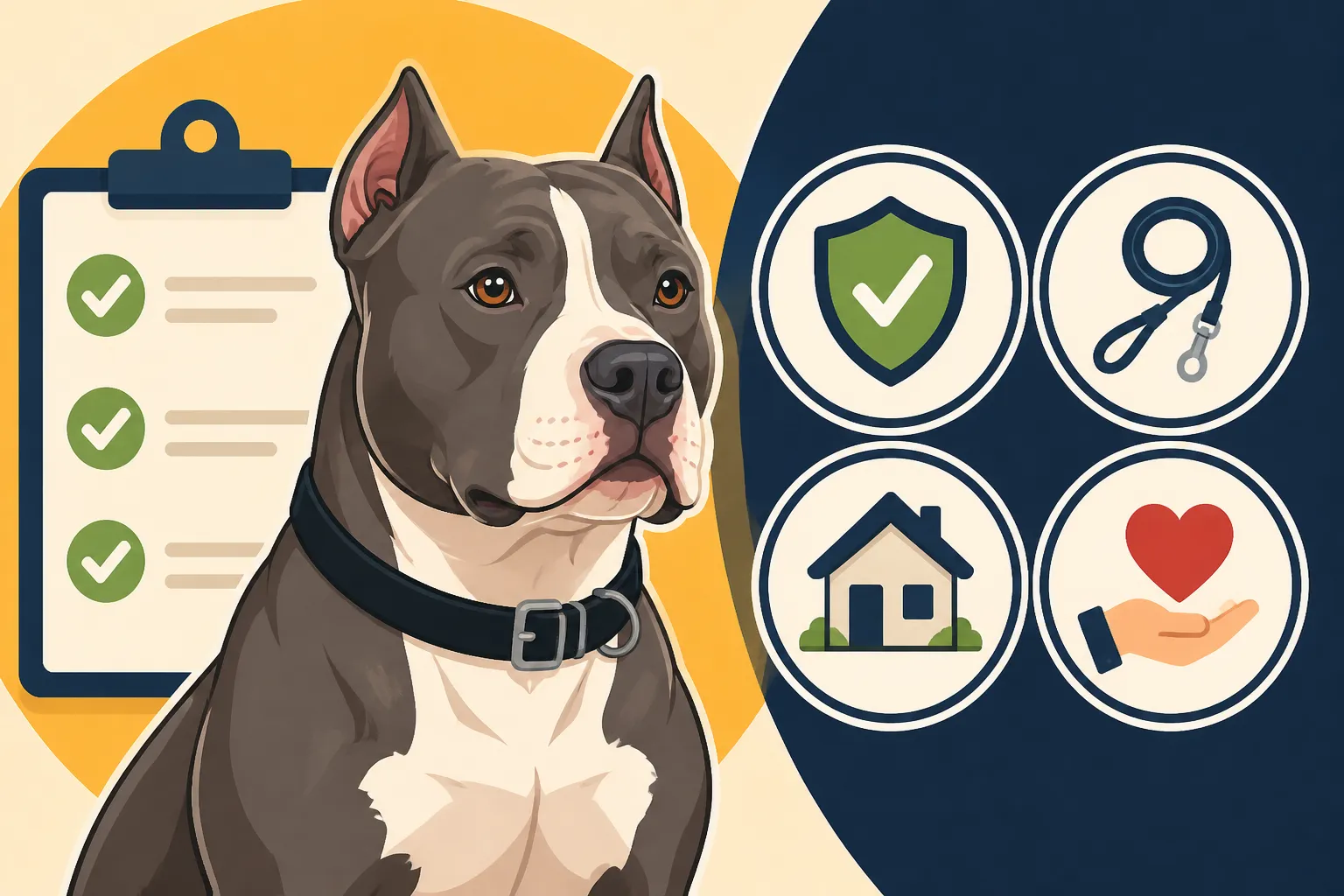
Once you determine that your municipality requires a Pit Bull permit, the real work begins. The list of requirements can sometimes feel overwhelming, designed to ensure that owners take extra precautions and prove their responsibility. These requirements often cover basic identification, health interventions, and ensuring you have adequate protection in case of an incident. It’s not just about registering your dog; it's about demonstrating a commitment to responsible ownership that goes beyond what’s typically expected for other breeds.
Registration and Identification Mandates
One of the most fundamental requirements for a Pit Bull permit is thorough registration and permanent identification. This is often the first step in the process and serves multiple purposes for local authorities. They want to know who owns the dog, where the dog lives, and that the dog can be easily identified if it gets lost or is involved in an incident. This usually starts with a specific permit application form that collects detailed information about you and your dog.
You'll typically need to provide proof of ownership, your current address, and a description of your dog, including their name, age, gender, and distinguishing features. Beyond basic registration, most permit systems require your Pit Bull to be microchipped. The microchip acts as a permanent ID, linking your dog directly to you, the registered owner. It’s not just a good idea; for permit purposes, it’s usually mandatory. This helps animal control quickly identify and return lost dogs, but more importantly for breed-specific laws, it confirms who is legally responsible. Some jurisdictions might even require a special collar tag indicating the dog is permitted. This focus on clear identification underscores Why a Pit Bull Microchip Matters More in areas with BSL.
Insurance Requirements and Challenges
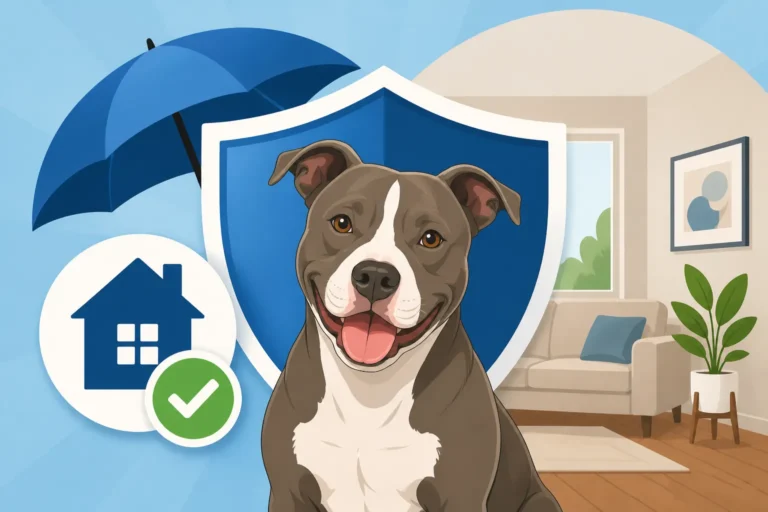
Here’s where it often gets tricky and expensive: liability insurance. Many Pit Bull permit ordinances mandate that owners carry a specific amount of liability insurance, usually ranging from $100,000 to $500,000, to cover any potential damages or injuries caused by the dog. This is not about your pet's health insurance, but about protecting you financially from third-party claims. Finding such insurance can be a significant hurdle because many standard homeowners or renters insurance policies have breed-specific exclusions, meaning they won't cover incidents involving Pit Bulls or other breeds deemed "high-risk."
You might find yourself needing a specialized policy or an umbrella policy to get the necessary coverage. Some insurers are more Pit Bull-friendly than others, but it often requires diligent searching and potentially higher premiums. Companies like State Farm and USAA are known to be less breed-discriminatory, but policies vary greatly by state and individual circumstances. It's a frustrating reality when What a Pit Bull Adds to a Homeowners Premium can be substantial, or even lead to outright denial of coverage. This requirement places a heavy financial burden on owners, but failing to meet it could result in permit denial, fines, or even confiscation of your dog. It’s essential to gather quotes and understand the fine print before committing to a policy. While not directly related to permit insurance, it's a good time to mention that some pet health insurance providers like Healthy Paws can help with veterinary costs, but this is separate from liability coverage for permit purposes.
Spay/Neuter and Vaccination Proof
Almost universally, Pit Bull permit requirements include proof that your dog has been spayed or neutered. This common mandate aims to control pet overpopulation, but within the context of BSL, it's often framed as a way to prevent the breeding of more Pit Bull-type dogs. The thinking is that by reducing the number of these dogs, they reduce the perceived risk. For responsible owners, spaying or neutering is often a routine part of pet care, but for those who may have chosen otherwise, this becomes a non-negotiable step.
Alongside sterilization, up-to-date vaccinations are always required. You’ll need to provide documentation from your veterinarian proving that your Pit Bull has received its rabies vaccination, and often other core vaccines like distemper, parvovirus, and adenovirus. This ensures a basic level of public health protection. Many municipalities also require proof of Year-Round Parasite Cover for a Pit Bull, demonstrating a comprehensive approach to your dog's health. These health-related requirements are generally straightforward for responsible owners who keep up with routine veterinary care. If your dog is not yet spayed/neutered or current on vaccinations, these will be prerequisites to applying for the permit, adding to the initial time and cost investment.
Safety and Containment Protocols
Beyond paperwork and health records, Pit Bull permits almost always involve strict safety and containment protocols. These are the rules designed to minimize perceived risks to the public, focusing on how your dog is kept on your property and how they behave in public spaces. It requires owners to be extra vigilant and often means investing in secure infrastructure and specific handling equipment.
Secure Fencing and Enclosures
One of the most common and often most expensive requirements for a Pit Bull permit is having a secure enclosure on your property. This isn't just about having a fence; it's about meeting specific standards. Many ordinances dictate the height of the fence (often 6 feet or more), the type of material (e.g., chain link, wood, or solid panels), and the need for self-latching, secure gates. The goal is to prevent the dog from escaping the yard and to prevent unauthorized access. For some, this might mean a complete overhaul of their existing fencing, or even building a dedicated kennel or run.
Imagine you've just moved to a new home in a city with these rules. Your existing charming picket fence, while lovely, won't cut it. You'd need to invest in a tall, sturdy fence, potentially with digging prevention measures at the bottom, and a secure top to prevent climbing or jumping. This can be a significant financial and labor commitment. Some cities might also require the enclosure to be locked when the dog is outside and require warning signs ("Beware of Dog," "Dangerous Dog") posted on the property. When ordering sturdy equipment for your home, you can find a wide variety of strong kennels and fencing options on platforms like Chewy, which can be useful for finding products that meet these rigorous safety standards.
Leash and Muzzle Mandates in Public
When you take your Pit Bull out in public, permit rules often impose additional restrictions on how they must be leashed and, in some cases, muzzled. The standard leash rules usually specify a non-retractable leash of a certain length (often 6 feet or less) and a strong collar or harness that prevents escape. This is to ensure you maintain complete control over your powerful dog at all times, especially in crowded areas or near other animals. It’s a sad reality that even the most well-behaved Pit Bull often faces this extra scrutiny.
More controversially, some permits mandate that Pit Bulls wear a muzzle whenever they are in public spaces. This requirement is often deeply unpopular with owners, as it can reinforce negative stereotypes and draw unwanted attention. However, if it's part of your permit, it's non-negotiable. Muzzle training your dog properly is crucial in this scenario to ensure they are comfortable and happy wearing it. A well-fitted basket muzzle allows a dog to pant, drink water, and even take treats, so it's not a punishment. For more guidance, check out our article on Muzzle Training Every Pit Bull Should Have. It’s another layer of responsibility that Pit Bull owners must contend with, striving to be the best possible ambassadors for their breed. You might also find our article on Why Every Pit Bull Should Be Muzzle Trained helpful in understanding the broader context of this important skill.
Training and Temperament Documentation
In an effort to move beyond blanket assumptions about breed temperament, some progressive permit programs actually incorporate aspects of a dog's individual behavior and training. This allows responsible owners to showcase their Pit Bull's good manners and reliable behavior, potentially easing some of the stricter requirements or simply demonstrating a higher standard of care. It's a welcome shift from solely focusing on breed to focusing on individual merit.
Demonstrating Good Canine Citizenship
Proving your Pit Bull is a well-behaved member of the community can go a long way. Many permit systems, or appealing bodies within those systems, recognize the value of formal training and certification. The Canine Good Citizen (CGC) program, offered by the American Kennel Club (AKC), is a prime example. Passing the CGC test demonstrates that your dog has mastered ten basic manners skills, like walking politely on a leash, staying in place, coming when called, and reacting calmly to distractions. This is a recognized standard for responsible dog ownership.
Submitting proof of a CGC title, or similar certifications from reputable training organizations, can sometimes help fulfill certain permit conditions or even qualify you for a reduced permit fee. It tells the authorities that you've invested time and effort into your dog's training and that they are likely to be a reliable and predictable member of the community. It's a powerful tool for advocacy and demonstrates that your Pit Bull is not merely a "type" but an individual with excellent manners. For a deeper dive, consider reading Canine Good Citizen and Why It Matters for a Pit Bull. This documentation often requires you to work with a certified professional trainer, adding another layer of commitment to the process.
The Role of Behavior Assessments
Beyond formal titles, some permit systems or appellate processes might require a professional behavior assessment for your Pit Bull. This isn't just about basic obedience; it's a more in-depth evaluation of your dog's temperament, reactivity to strangers, other dogs, and unusual stimuli. A qualified canine behaviorist or certified professional dog trainer (CPDT) would conduct this assessment, providing an objective report on your dog's disposition.
These assessments can be particularly helpful if there have been any previous incidents, or if your dog came from a rescue background with an unknown history. The assessment can either confirm that your dog has a stable, friendly temperament suitable for a permit, or it might identify areas where further training and management are needed. It’s an opportunity to provide evidence that your Pit Bull is not a risk, regardless of breed stereotypes. However, finding a qualified assessor who is familiar with breed-specific legislation and Pit Bull temperament is crucial, as their report will carry significant weight with the authorities. This personalized approach to evaluating each dog, rather than relying on breed labels, is a positive step forward, even if it's still relatively rare.
Ongoing Compliance and Renewal
Obtaining a Pit Bull permit isn't a one-and-done deal. It often comes with ongoing responsibilities to ensure continued compliance with local ordinances. These can include annual renewals, periodic inspections, and, of course, the ever-present threat of penalties if you fail to adhere to the rules. It's a long-term commitment that requires diligence and consistent effort from Pit Bull owners.
Annual Renewals and Inspections
Just like your car registration or driver's license, Pit Bull permits typically need to be renewed on an annual basis. This process usually involves reapplying, paying a renewal fee, and re-submitting updated documentation. You might need to provide new proof of vaccinations, updated insurance certificates, and confirmation that your spay/neuter status remains unchanged. It's a repetitive cycle that reinforces the ongoing nature of these regulations.
In some jurisdictions, the renewal process might also trigger a home inspection. Animal control officers might visit your property to ensure that your secure enclosure is still up to code, that warning signs are visible, and that all other physical requirements of the permit are being met. Imagine the stress of preparing for such an inspection, knowing that any perceived lapse could put your permit, and your dog, at risk. This constant oversight is designed to keep owners on their toes and ensure consistent adherence to the safety protocols outlined in the permit.
Consequences of Non-Compliance
The penalties for failing to comply with Pit Bull permit requirements can be severe, ranging from hefty fines to the confiscation of your dog. If you're found to be operating without a required permit, or if you violate any of the conditions of an existing permit (e.g., your dog is off-leash or not muzzled in a public area where it's mandated, or escapes your yard), you could face significant legal repercussions. These consequences often escalate with repeated offenses.
For example, a first offense might result in a warning and a fine, but subsequent violations could lead to higher fines, mandatory obedience training, or even a court order for your dog's removal from the municipality. In the most extreme cases, if a dog is deemed "dangerous" due to permit violations or incidents, it could face euthanasia. This is the heartbreaking reality that responsible Pit Bull owners live with, constantly aware of the higher stakes involved. It underscores the importance of understanding every detail of your permit and maintaining impeccable compliance. When budgeting for your dog, it’s worth thinking about What a Pit Bull Costs From Eight Weeks On and factoring in these potential fines or legal costs, because the financial aspect of non-compliance can be devastating.
| Requirement Category | Common Specifics | Documentation/Proof Needed | Potential Challenges |
|---|---|---|---|
| Registration/ID | Microchip, specific permit application form | Vet records, application form | Broad "Pit Bull type" definitions |
| Health | Spay/neuter, rabies & core vaccinations | Vet certificates, records | Cost of procedures if not already done |
| Insurance | $100,000 – $500,000 liability coverage | Insurance policy declaration | Breed exclusions by many insurers; higher premiums |
| Containment | 6ft+ secure fencing, self-latching gates | Photos, property inspection | High cost of fencing upgrades; ongoing maintenance |
| Public Handling | Non-retractable leash, muzzle in public | Owner compliance; behavioral observation | Negative public perception; muzzle training effort |
| Training | Canine Good Citizen (CGC) certification | CGC certificate | Time & cost of training classes |
| Annual Renewal | Annual fee, updated documentation | New vet records, insurance, permit form | Keeping all documents current; potential inspections |
Disclaimer
This guide provides general information about Pit Bull permit requirements and is not a substitute for professional legal advice. Breed-specific legislation varies significantly by jurisdiction. Always consult with your local animal control department, a legal professional specializing in animal law, or your insurance provider to understand the specific laws and requirements in your area.