Extracting a Pit Bull Tooth Cracked on a Chew
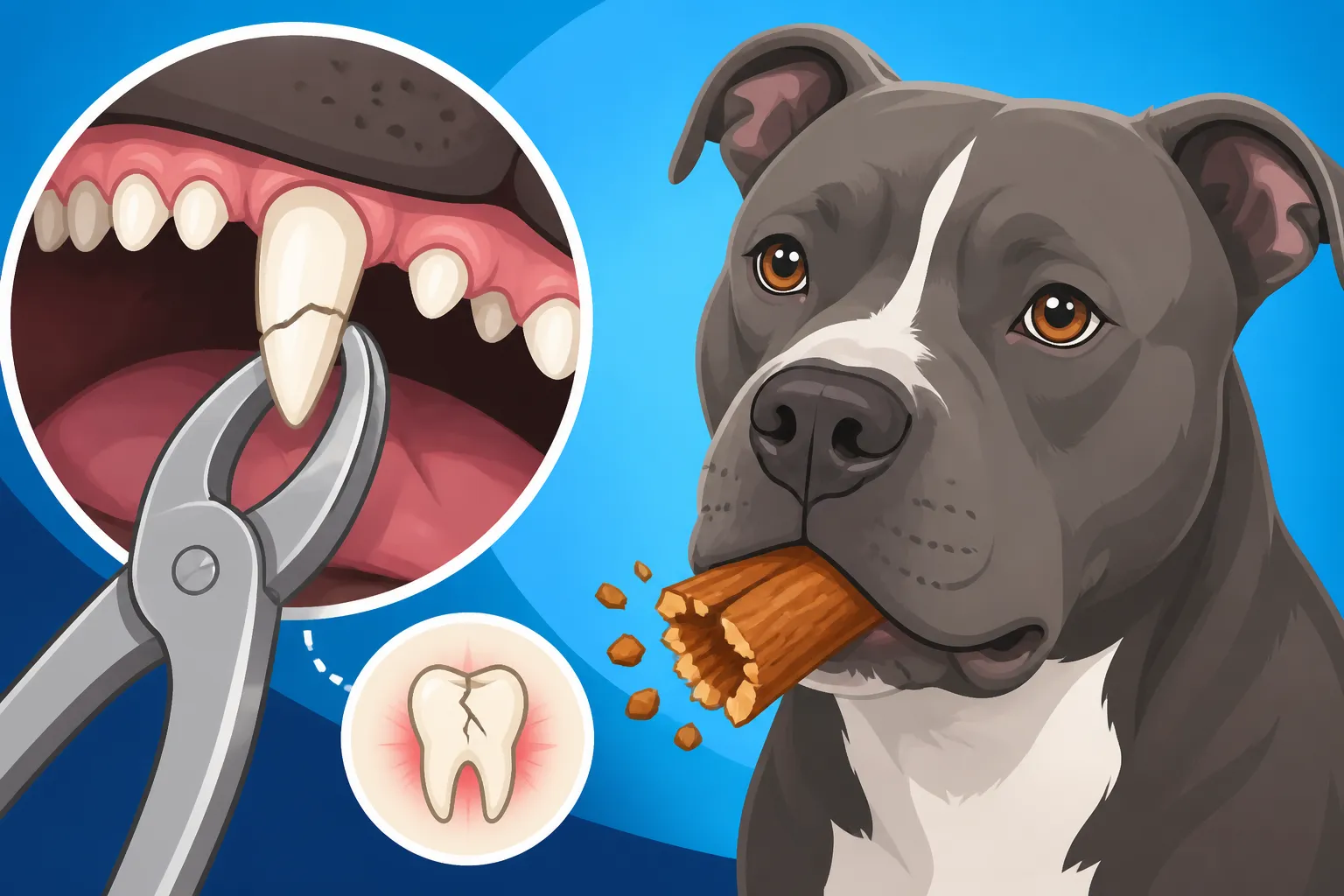
Discovering that your powerful Pit Bull, who loves nothing more than a good chew, has cracked a tooth can be a truly gut-wrenchwrenching experience. One minute they're happily working on a bone, the next you notice a subtle change in their eating habits or even a fleck of blood, and panic sets in. This isn't just an inconvenience; a cracked tooth is often incredibly painful and can lead to serious infections if not addressed promptly. This guide will walk you through how to spot the signs, what to expect during a veterinary diagnosis and the extraction process, and most importantly, how to prevent this painful scenario from happening again.
Spotting the Subtle Signs of a Cracked Tooth
Pit Bulls are famously stoic dogs. They’re tough, they have a high pain tolerance, and sometimes they’ll try to soldier through discomfort without showing obvious signs until a problem is quite advanced. This makes it particularly challenging for us owners to recognize when something as serious as a cracked tooth has occurred. However, if you know what to look for, you can catch it earlier and spare your beloved companion a lot of unnecessary pain.
Behavioral Changes and Pain Cues
One of the first indicators that something is amiss is often a change in your Pit Bull’s usual behavior, particularly around meal times or chew sessions. Perhaps your dog, who usually dives into their food bowl with gusto, suddenly hesitates or starts chewing only on one side of their mouth. You might notice them dropping food or refusing to eat harder kibble or treats they normally adore. If they’re reluctant to engage with their favorite chew toy, the one they typically spend hours on, it's a huge red flag. This refusal isn't them being picky; it's likely because biting down causes sharp, intense pain.
Beyond eating, watch for more generalized signs of discomfort. They might become a bit more withdrawn or even a little grumpy, which is completely understandable if they're in constant pain. Excessive drooling can be a sign, especially if it’s accompanied by a reddish tint or a foul smell, indicating infection. Some dogs will paw at their mouth or rub their face against the carpet or furniture in an attempt to alleviate the pain. You might even see them doing this more often after a chew session. While it might just seem like a minor behavioral shift at first glance, these subtle cues are often your Pit Bull's only way of telling you they're hurting. If you notice your dog acting out of character, especially related to eating or chewing, it's always worth a closer look.
Visual Inspection and Oral Sensitivity
If you suspect a cracked tooth, a visual inspection is the next step, but be gentle and proceed with caution, as your dog might be in pain. Look inside their mouth, paying close attention to the molars and premolars at the back, as these are the teeth most commonly fractured by powerful chewers. What you're looking for might not always be a dramatic, obvious break. Sometimes, it’s just a hairline crack that’s barely visible to the naked eye. Other times, a piece of the tooth might be completely missing, exposing the sensitive pulp beneath, which looks like a dark spot or hole. The tooth might appear discolored, or you might see swelling around the gum line of a particular tooth.
Beyond visual cues, observe any signs of oral sensitivity. Gently touching the area around the suspected tooth might elicit a yelp or a quick head turn. Their gums might appear inflamed or bleed easily around the compromised tooth. Bad breath, or halitosis, is another significant indicator. While dogs aren't known for minty-fresh breath, a sudden onset of unusually foul odor can point to infection in the mouth, which often accompanies a fractured tooth, especially if the pulp chamber is exposed. Remember, even if you can't see an obvious crack, if your Pit Bull is showing any of these signs, it's crucial to get them to the vet for a professional examination. This kind of pain doesn't just go away on its own.
The Vet Visit: Diagnosis and Treatment Planning
Once you've noticed the signs, the most important step is a prompt visit to your veterinarian. They are equipped to properly diagnose the problem and recommend the best course of action. It's natural to feel anxious, but understanding the process can help ease your mind.
Oral Exam and Diagnostic Imaging
When you arrive at the clinic, your vet will perform an initial oral examination. However, for a powerful and sometimes sensitive dog like a Pit Bull, a truly thorough dental exam often requires sedation or general anesthesia. Why? Because a painful, cracked tooth means your dog might not allow the vet to fully probe the area or open their mouth wide enough to see the back teeth. Once sedated, your vet can safely and comfortably assess every tooth surface, looking for fractures, chips, wear, and other abnormalities. They'll also check for any signs of infection, swelling, or gum disease.
The cornerstone of accurate dental diagnosis is often dental X-rays. Just like in humans, much of the tooth structure, including the roots and surrounding bone, is hidden beneath the gum line. A fractured crown might be visible, but X-rays reveal the extent of damage to the root, whether there's an abscess, bone loss, or if other teeth are affected. This imaging is absolutely critical because it dictates the appropriate treatment. A tooth with a simple chip might be repairable, but a crack extending into the root or pulp chamber almost always requires extraction to prevent ongoing pain and infection. Your vet might also discuss the importance of regular dental care as part of a routine check-up, linking to topics like Pit Bull Dental Cleaning Schedule.
Discussing Extraction Versus Other Options
After the thorough examination and reviewing the dental X-rays, your veterinarian will discuss the findings and recommend a treatment plan. For a cracked tooth, especially one with pulp exposure or significant root involvement, extraction is the most common and often the best option. While the idea of your dog losing a tooth can be concerning, it's important to remember that removing a painful, infected tooth will dramatically improve their quality of life. Dogs adapt incredibly well to missing teeth, especially molars that aren't primarily used for grasping food.
In some very specific cases, if the fracture is minor and doesn't involve the pulp, a bonded restoration might be possible. If it's a critical tooth (like a canine tooth) and the pulp is exposed but the root is healthy, a root canal might be an option with a veterinary dental specialist. However, these are often more complex, costly, and not always successful for severe fractures. For the vast majority of cracked teeth caused by hard chewing in dogs like Pit Bulls, extraction is considered the gold standard for resolving pain and preventing further complications. Your vet will explain the pros and cons of each option, discuss the prognosis, and give you a clear estimate of the costs involved, which can sometimes be substantial. It's a good time to consider if you have Pit Bull Pet Insurance and Breed Exclusions that might help with these unexpected veterinary bills.
The Tooth Extraction Procedure Explained
Once the decision for extraction has been made, your vet team will prepare for the procedure. While it might sound daunting, veterinary dentistry has come a long way, and extractions are routinely performed with excellent outcomes.
Anesthesia and Monitoring
Your Pit Bull will need to undergo general anesthesia for the tooth extraction. This allows the veterinary team to perform the procedure meticulously and pain-free for your dog. Before anesthesia, your vet will likely recommend pre-anesthetic blood work to ensure your Pit Bull's internal organs are functioning well enough to process the anesthetic drugs safely. This is a crucial step, especially given that Pit Bulls, with their muscular build, require careful attention to drug dosages, linking to Anesthesia and Muscle Mass in a Pit Bull.
On the day of the procedure, your dog will be given an intravenous (IV) catheter for fluid administration and easy access for medications. IV fluids help maintain blood pressure and kidney function during anesthesia. Throughout the entire procedure, dedicated veterinary technicians will closely monitor your Pit Bull's vital signs, including heart rate, respiration, blood pressure, oxygen saturation, and temperature. They'll use specialized equipment to ensure your dog remains stable and comfortable. Pain management is also a huge priority, with anesthetic protocols often including nerve blocks around the affected tooth to provide localized pain relief, making recovery smoother.
The Extraction Process and Aftercare
The actual extraction process involves several careful steps. First, the veterinarian uses specialized instruments to gently loosen the tooth from its socket, preserving as much surrounding bone as possible. Sometimes, a small incision in the gum or removal of a tiny bit of bone might be necessary to facilitate removal, especially for complex fractures or multi-rooted teeth. Once the tooth is out, the socket is thoroughly cleaned, and any sharp edges of bone are smoothed. The gums are then typically sutured closed with dissolvable stitches, promoting healing and preventing food particles from entering the socket.
After the extraction, your Pit Bull will receive a combination of pain medication and sometimes antibiotics to prevent infection. You'll likely be sent home with a supply of these medications, along with clear instructions for their administration. The immediate aftercare at home is critical for a smooth recovery. Your dog will need to eat soft food for about 10-14 days to protect the healing site. This is where options like Ollie or similar fresh food services can be incredibly helpful, providing easily digestible meals. You'll need to monitor the extraction site for any signs of swelling, redness, discharge, or if your dog is still showing signs of discomfort or A Pit Bull That Refuses Food for a Day. Most dogs recover remarkably quickly and are much happier once the source of their pain is gone.
Preventing Future Dental Disasters from Chews
Now that you've navigated the tricky and often stressful experience of a cracked tooth, you're probably wondering how to ensure it never happens again. Prevention is absolutely key, and it largely revolves around making smart choices about chews and maintaining excellent oral hygiene.
Choosing Safe Chews for Powerful Chewers
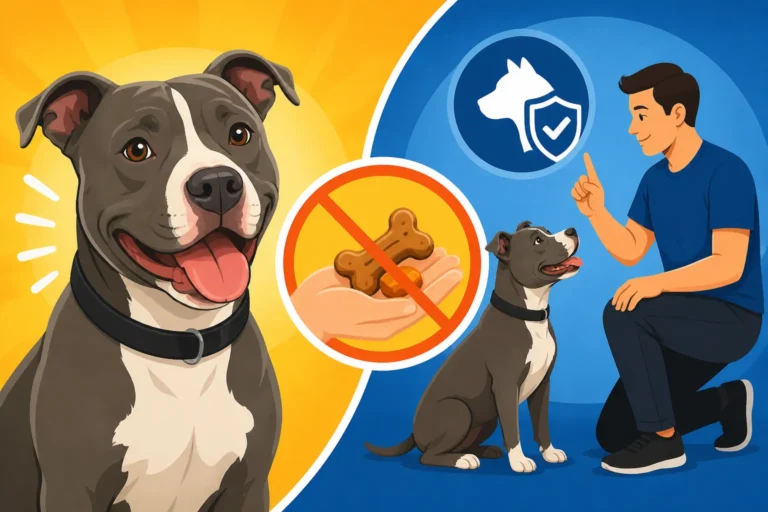
This is where many well-meaning Pit Bull owners inadvertently run into trouble. We want to give our dogs something to gnaw on that satisfies their natural urge to chew, but not all chews are created equal, especially for a breed with such powerful jaws. The general rule of thumb is: if you can't indent it with your fingernail, or if you wouldn't want to hit yourself in the knee with it, it's too hard for your dog's teeth.
Here's a breakdown of common chew types and their safety:
| Chew Type | Safety Level | Why |
|---|---|---|
| Natural Bones | High Risk | Can splinter, cause blockages, or are too hard, leading to fractures (e.g., Chews That Crack a Pit Bull Molar). |
| Antlers | High Risk | Extremely hard and unyielding; a common culprit for slab fractures. |
| Nylon Bones | High Risk | While some claim flexibility, many are too hard for Pit Bulls and can cause dental fractures. |
| Ice Cubes | High Risk | Surprisingly hard, can easily chip or crack teeth. |
| Hard Biscuits/Treats | Moderate Risk | Some are too hard; choose softer, more pliable options. |
| Rawhide (Traditional) | Moderate Risk | Can be choking hazards, blockages, or contaminated; some are excessively hard. |
| Bully Sticks | Low-Moderate Risk | Generally safer but can be consumed quickly and are high in calories; supervise to avoid choking. |
| Dental Chews (Veterinary Approved) | Low Risk | Designed to be pliable and have some give; many carry a Veterinary Oral Health Council (VOHC) seal. |
| Rubber Chew Toys | Low Risk | Flexible, durable rubber toys (like many from KONG or those found on Chewy) are excellent options. |
When shopping, look for rubber chew toys that have some flexibility. Toys like those made by KONG (specifically their black "extreme" line for powerful chewers) or West Paw are often good choices. Always supervise your Pit Bull with new chews to ensure they are using them appropriately and that the chew isn't breaking into dangerous pieces. The goal is to provide mental stimulation and satisfy chewing urges without risking a trip to the emergency vet for Pit Bull Broken Teeth From Hard Chewing.
Regular Dental Care and Check-ups
Beyond chew selection, consistent home dental care and routine professional check-ups are paramount for your Pit Bull's overall oral health. Daily tooth brushing is the gold standard for preventing plaque and tartar buildup, which can lead to gum disease and other painful issues. Even if your Pit Bull isn't thrilled about it at first, with patience and positive reinforcement, most dogs can learn to tolerate brushing. Use a dog-specific toothbrush and toothpaste (never human toothpaste).
Regular veterinary check-ups are also crucial. Your vet can perform a visual dental exam during routine visits and spot potential problems before they escalate. They can also advise on professional dental cleanings under anesthesia when needed. These cleanings go beyond what you can do at home, removing tartar above and below the gum line and allowing for a thorough assessment of every tooth. Early detection of dental disease can prevent more severe, painful, and expensive problems down the road. Remember, dental health is directly linked to overall health, and a healthy mouth means a happier Pit Bull. You might be surprised to learn that dental issues can actually contribute to the overall vet costs, similar to budgeting for What a Pit Bull Costs a Year With Allergies.
Disclaimer
The information provided in this article is for general informational purposes only and is not intended as a substitute for professional veterinary advice. Always seek the advice of your veterinarian or other qualified animal health provider with any questions you may have regarding a medical condition or treatment for your Pit Bull. Never disregard professional veterinary advice or delay in seeking it because of something you have read in this article.