Bringing a Pit Bull Into a House With a Dog
Bringing a new Pit Bull into a home where another dog already lives can feel like navigating a minefield. You want everyone to get along, but the fear of conflict, stress, or even injury is very real, and you're probably wondering how on earth to manage it. This guide is designed to walk you through a thoughtful, step-by-step process for introducing your new Pit Bull to your existing canine companion, helping to lay the groundwork for a peaceful, multi-dog household.
Understanding the Stakes of a Multi-Dog Household
Bringing a new dog into an established canine dynamic isn't just about adding another furry face; it's about reshaping an entire social structure. Your resident dog has a routine, territory, and an understanding of their place within the family, and a new arrival can shake all of that up. For Pit Bulls, who often face unfair stereotypes, ensuring a smooth, conflict-free introduction is even more critical for their reputation and your peace of mind.
Why Introductions Are Critical for Pit Bulls
Pit Bulls are powerful, physically robust dogs, and while most are incredibly sweet and dog-friendly, their strength means that any conflict, even playful roughhousing, can quickly escalate or appear more serious than it might with a smaller, less muscular breed. This is why a cautious, controlled introduction isn't just a good idea; it's absolutely essential. We're not just hoping for the best; we're actively setting up scenarios where positive interactions are the only option, minimizing stress for both dogs and ensuring their safety. A poor first impression can be incredibly difficult to overcome, leading to long-term tension or even requiring separate management for the rest of their lives. We want to avoid that outcome at all costs, especially since a Pit Bull's natural play style can sometimes be misinterpreted by other dogs, making careful observation crucial.
It's also important to remember that many Pit Bulls, particularly those from unknown backgrounds or rescues, might have an unknown history with other dogs. While they might be perfectly amiable, some Pit Bulls can develop what's often referred to as Pit Bull Dog Selectivity Explained as they mature, meaning they might be fine with some dogs but not others. A careful, slow introduction helps you assess their individual temperament with your existing dog, rather than throwing them into the deep end. This cautious approach helps you understand your new dog's comfort levels and allows you to intervene early if you see any signs of discomfort or escalating tension.
Reading Canine Body Language During First Meetings
One of the biggest keys to a successful introduction is being a master interpreter of canine body language. Dogs communicate constantly, and often, what looks like a benign interaction to an untrained eye might be fraught with subtle tension. Look for soft eyes, loose bodies, relaxed tails, and play bows as signs of a healthy, positive interaction. A new Pit Bull approaching with a low, wagging tail and a relaxed posture is a great sign. On the flip side, keep an eye out for stiff bodies, hard stares, raised hackles, tucked tails, lip licking (when no food is present), yawning (when not sleepy), whale eye (the white of the eye showing), or excessive panting. These are all indicators of stress, fear, or potential defensiveness.
Pay close attention to how both dogs respond to each other's presence. Are they avoiding eye contact and sniffing the ground, which can be a displacement behavior indicating discomfort? Are they trying to create distance between themselves? Even seemingly minor signs like a sudden shift in weight or a stiffening of the tail can precede more overt signs of aggression or fear. Understanding these nuances helps you guide the interaction and know when to step in, redirect, or separate them before any real trouble starts. Taking a basic online course in canine body language, like those offered by BAXTER & Bella, can be incredibly helpful before you even begin the introduction process. Learning to read these signals will be invaluable not just during introductions, but throughout their entire relationship.
Pre-Arrival Preparations for a Smooth Transition
Before your new Pit Bull even sets a paw inside your house, you need to create an environment that minimizes stress and maximizes the chances of a successful integration. This isn't about ignoring your resident dog; it's about setting up a controlled, safe space for both dogs to acclimate without feeling threatened or overwhelmed.
Creating Separate Spaces and Safe Zones
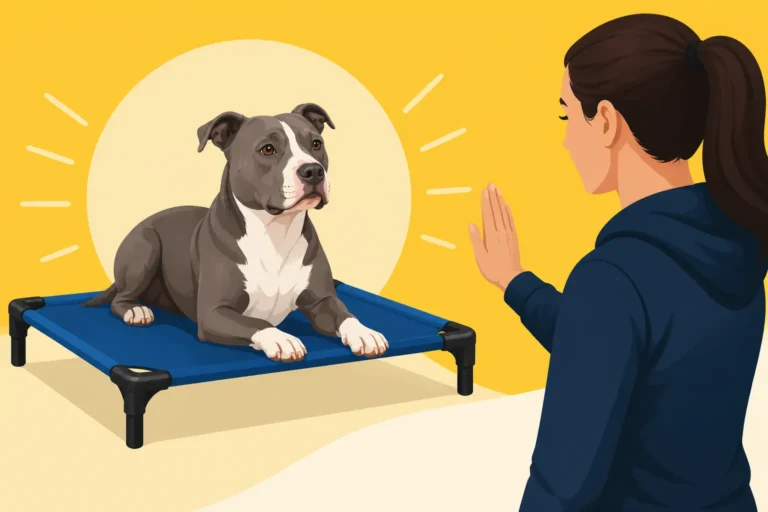
The golden rule for introducing any new dog, especially a strong, energetic Pit Bull, is setting up separate, secure spaces. This means having two distinct areas where each dog can eat, sleep, and relax without being bothered by the other. Think crates, separate rooms, or even exercise pens that offer a visual and physical barrier. Your existing dog might be used to having free run of the house, so this change might require some adjustment for them as well. Ensure both areas are comfortable, equipped with water bowls, and have some stimulating toys. Getting a Pit Bull to Choose Its Crate can be a great resource for making their new space a positive one.
These safe zones are absolutely vital during the initial days and weeks. They allow the dogs to smell each other, hear each other, and slowly get used to the idea of another canine presence without the pressure of direct interaction. It also prevents resource guarding issues from developing around food bowls, beds, or favorite toys right from the start. Rotating which dog has access to common areas can also be beneficial, allowing them to explore and leave their scent without direct confrontation. Remember, the goal is gradual exposure, not immediate cohabitation.
Establishing a Routine Before the New Pit Bull Arrives
Dogs thrive on routine. Your resident dog already has one, and sticking to it as much as possible, while integrating the new Pit Bull into a similar but separate routine, will reduce anxiety for everyone. Before the new dog arrives, map out separate feeding times, potty breaks, and exercise schedules. For example, your resident dog might eat in the kitchen while your new Pit Bull eats in their designated safe room. This helps both dogs understand what to expect and reduces competition.
Consider the walks as well. Initially, you'll want to walk the dogs separately. If you have two handlers, parallel walks at a distance can be a great way to let them observe each other without direct pressure. Gradually, as they show positive interest, you can bring them closer. Having a clear plan for these daily activities helps you maintain a sense of normalcy for your resident dog and introduces predictability for your new Pit Bull. This predictability is a powerful tool for reducing stress and building confidence in both animals.
Gathering Essential Supplies
You'd be surprised how much the right gear can make or break an introduction. Beyond separate food and water bowls, you'll need quality leashes and harnesses for both dogs. For a Pit Bull, a sturdy, well-fitting harness that discourages pulling, like some available on Amazon, can be a lifesaver during those initial walks on neutral territory. You'll also need secure crates or gates to maintain those separate spaces we talked about. Invest in puzzle toys and long-lasting chews for each dog, ensuring they have their own high-value distractions.
Don't forget scent-swapping items! Old towels or blankets that each dog has slept on can be swapped between their separate spaces to get them accustomed to each other's smell. This is a passive, non-threatening way for them to "meet" each other without any visual or physical interaction. Ensure you have plenty of high-value treats on hand to reward calm behavior and positive interactions during controlled introductions. Chew Toys That Hold Up to a Pit Bull are also crucial to keep them occupied and prevent destructive behaviors stemming from stress.
The Initial Introduction: A Step-by-Step Approach
This is where the rubber meets the road. Patience, control, and a commitment to incremental steps are your best friends here. Rushing this stage is the biggest mistake you can make.
Neutral Territory Meetings
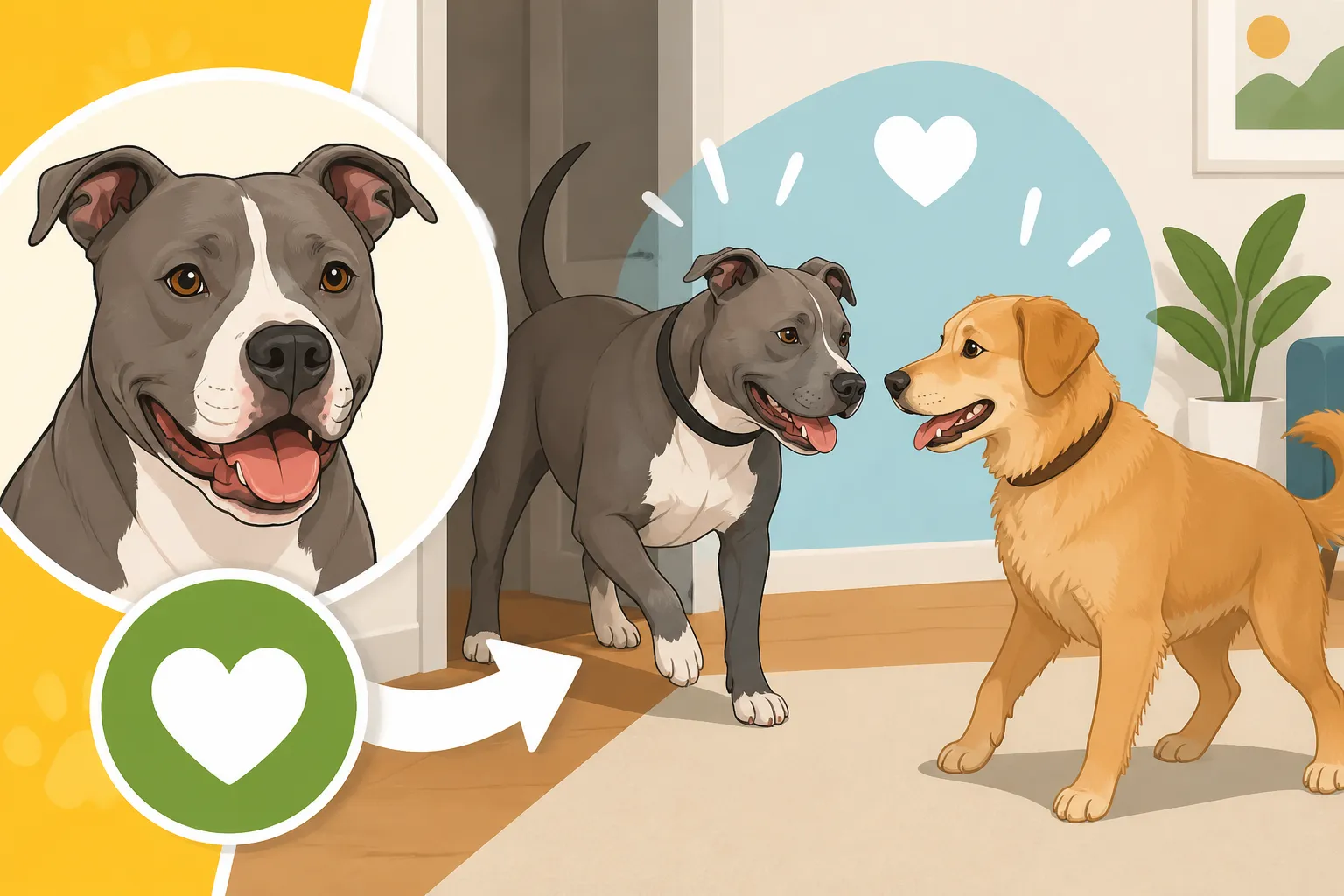
The very first "real" introduction should always happen on neutral territory – somewhere neither dog considers "theirs." A quiet park, an empty parking lot, or a friend's fenced yard that neither dog has visited frequently are ideal spots. Both dogs should be on leash, handled by separate, confident adults. Start by walking them parallel to each other at a distance where they are aware of each other but show no signs of stress. The goal is simply to be in each other's presence without conflict. Gradually, if they are calm, reduce the distance.
Allow them to briefly sniff each other, perhaps a quick "sniff and walk away" introduction, always keeping the leashes loose to avoid tension. Avoid nose-to-nose greetings initially; allowing them to approach from the side or sniff each other's rear end is often more polite in dog language. Keep these first interactions short and positive, ending on a good note before either dog shows signs of fatigue or stress. The key is multiple, brief positive encounters, rather than one long, potentially overwhelming one. Think of it as a series of successful "dates" rather than a forced marriage.
Controlled In-Home Introductions
Once they've had a few successful neutral territory meetings, you can begin very controlled introductions inside the home. Again, leashes are your friends here. Start with short, supervised sessions, perhaps in a common area but still maintaining physical separation with a baby gate or crate. Allow them to see and smell each other through the barrier. Reward calm behavior with high-value treats for both dogs. As they tolerate this, you can move to supervised, off-leash sessions in a contained, neutral room. Introducing a Pit Bull to an Existing Dog Slowly highlights the importance of this measured approach.
Never leave the dogs unsupervised during these early stages, even for a second. Have a plan for separation if things go south – a sudden loud noise, a dropped leash, or even a sudden interruption can be enough to de-escalate if needed. Remember, the goal is to build positive associations. If one dog gets too aroused or fixated, interrupt gently and redirect their attention with a toy or a simple command. These sessions should be short, positive, and end before either dog reaches a point of overstimulation.
Managing the First Few Days and Weeks
The initial days and weeks are a delicate dance of management and careful observation. Keep your dogs separated when you can't actively supervise them. Crates, exercise pens, and baby gates are invaluable for this. Rotate which dog gets access to different parts of the house at different times, allowing them to explore and get comfortable with each other's scents in a non-threatening way. Continue with structured, short, positive interactions, always ending them on a high note.
Consistency in routine is paramount. Feed them separately, walk them separately, and ensure they each get dedicated one-on-one time with you. This reinforces your bond with each dog and prevents feelings of neglect or competition. Pay close attention to subtle shifts in body language. Are they starting to relax more in each other's presence? Are they beginning to ignore each other more often, which can be a good sign of acceptance? Don't rush into full cohabitation; let them dictate the pace. Remember, Rome wasn't built in a day, and neither is a harmonious multi-dog household.
Integrating Your Pit Bull and Resident Dog Long-Term
Once the initial introductions have been successful and you're seeing consistent positive interactions, you can start thinking about longer-term integration. This involves continued structure, proactive management of potential issues, and ensuring both dogs feel secure and loved.
Structured Interactions and Supervision
Even after your Pit Bull and resident dog seem to be getting along, continued supervision and structured interactions are crucial. Don't just let them "figure it out." Continue to manage their playtime, ensuring it remains balanced and fair. Monitor for Pit Bull Play Style and Rough Games to make sure one isn't overwhelming the other. Intervene if play becomes too intense, one dog appears uncomfortable, or if there's any sign of guarding. Always err on the side of caution.
Consider engaging in joint training sessions, where both dogs learn to sit, stay, or come together, rewarding them equally for their efforts. This helps them see each other as part of a cooperative team and strengthens their bond. Family walks, with both dogs on leash and handled by separate people, can become a regular activity, reinforcing their shared experience. The key is to create positive shared experiences under your guidance, fostering a sense of camaraderie rather than competition. This often means consistent attention to both animals during these shared times.
Addressing Resource Guarding Proactively
Resource guarding, where a dog protects food, toys, beds, or even a person, is a very common issue in multi-dog households and can be a serious source of conflict. Being proactive about it is far easier than trying to fix an established problem. Always feed dogs separately in their crates or different rooms, especially during the initial stages. Use high-value treats and toys carefully, ensuring both dogs have their own and that there's no perceived competition. You can find a wide range of durable, engaging toys on Amazon that can keep them happily occupied in their separate spaces.
When you're offering treats or praise, ensure you're doing it equitably. If you give one dog a long-lasting chew, make sure the other gets one of equal value in their separate space. Never leave high-value items lying around unsupervised. If you notice any stiffening, growling, or darting eyes when one dog approaches a resource the other has, intervene immediately and gently. Trade them for a higher value item if necessary, or simply separate them. Prevention is truly the best medicine when it comes to resource guarding, as conflicts over resources can quickly unravel all your hard work in building a positive relationship.
Maintaining Separate Time and Individual Attention
Even in the most harmonious multi-dog household, each dog benefits from individual time and attention. Your resident dog has had you all to themselves, and while they might accept the new Pit Bull, they still need that one-on-one bond with you. Schedule separate cuddle sessions, training time, or walks for each dog. This reinforces their individual relationship with you and reduces any lingering feelings of jealousy or competition. It also gives them a mental break from the other dog, which can be surprisingly important, especially for dogs that are more introverted or easily stressed.
This individual attention can also be a valuable opportunity to reinforce specific training for each dog. Perhaps your resident dog needs a brush-up on their leash manners, or your new Pit Bull could benefit from some Pit Bull impulse control work. Using this dedicated time also allows you to check in with each dog emotionally, ensuring they are happy, comfortable, and not showing any subtle signs of stress that might be masked in a group setting. It's about recognizing that while they are now part of a larger pack, they are still individuals with unique needs and personalities.
Common Challenges and When to Seek Professional Help
Bringing two dogs together is rarely a completely linear journey. There will likely be bumps in the road, and knowing when to power through with continued management versus when to call in the cavalry is crucial for the safety and well-being of your pack.
Recognizing Signs of Stress or Conflict
Even with the best intentions and careful introductions, dogs can display signs of stress or brewing conflict. Beyond the overt signs of growling or snapping, look for subtle cues like increased panting, yawning, lip licking, excessive shedding, refusal to eat, hiding, or pacing. If one dog consistently avoids the other, or if you notice one dog always trying to get between the other and you, these are indicators of underlying tension that need addressing. A significant increase in Pit Bull Barking With a Behavior or other vocalizations could also be a sign of unease.
It's vital to differentiate between healthy "grumbles" or clear communication (e.g., a quick, clear growl to say "back off") and chronic tension or aggression. If you're constantly on edge, or if you're seeing frequent stiff body language, territorial displays, or attempts at control from either dog, it's time to re-evaluate. Also, pay attention to injuries, even minor ones. A small scratch can indicate a more serious underlying issue. If you're observing these signs regularly, it's a clear signal that the current integration strategy isn't working as well as it should.
The Role of a Certified Professional Dog Trainer
Sometimes, despite all your best efforts, you might feel stuck or out of your depth. This is not a failure on your part; it's simply a recognition that dog behavior can be complex, and a fresh, expert perspective can be invaluable. A certified professional dog trainer, particularly one with experience in multi-dog households and with Pit Bulls, can assess your specific situation, interpret your dogs' body language, and help you develop a tailored integration plan. They can identify subtle dynamics you might be missing and offer practical solutions for managing interactions, preventing conflicts, and building positive relationships.
Look for trainers who use positive reinforcement methods and who are certified by reputable organizations. They can guide you through advanced management techniques, help you build confidence in handling both dogs, and even assist with specific issues like Pit Bull Food Bowl Guarding or reactivity. Don't wait until a serious incident occurs to seek help. Proactive intervention from a professional can save a lot of heartache and ensure both your Pit Bull and your resident dog can live together safely and happily. Sometimes, having an objective third party observe the interactions can provide crucial insights that are hard to see when you're emotionally invested.
| Introduction Stage | Key Goal | Location | Duration & Supervision | Important Considerations |
|---|---|---|---|---|
| Pre-Arrival | Create safe, separate spaces | Home (separate rooms) | Ongoing | Scent swapping, establishing separate routines |
| Neutral Territory | First sight & smell without pressure | Quiet park, fenced yard | Short, leashed, supervised | Loose leashes, parallel walking, brief sniff-and-move |
| Controlled In-Home | Gradual exposure inside the home | Common room with barrier | Short, leashed/gated, supervised | Reward calm, redirect over-arousal, never leave unsupervised |
| Managed Integration | Building positive shared experiences | Monitored home areas | Supervised | Separate feeding, proactive resource guarding, individual attention |
| Long-Term Harmony | Consistent positive relationship | Full home access | Reduced supervision, ongoing monitoring | Continued structured play, reinforce positive interactions, address issues promptly |
Disclaimer
This article is for general informational purposes only and does not constitute professional advice. Laws, prices and regulations vary by location and change over time. Consult a qualified professional for guidance on your specific situation.