Introducing a Pit Bull to an Existing Dog Slowly
Bringing a new dog into a home where an existing canine companion already reigns supreme can be a nerve-wracking experience, especially when that new addition is a Pit Bull. Many of us worry about fights, jealousies, or just general unhappiness, and with Pit Bulls, there's often an added layer of public scrutiny. This guide is all about taking a deep breath and walking you through a thoughtful, gradual introduction process to help both your resident dog and your new Pit Bull settle into a harmonious life together, minimizing stress and maximizing the chances for a loving, multi-dog household.
Understanding the Challenges of Multi-Dog Households with Pit Bulls
Let's be real, bringing a new dog into the mix is always a bit of a gamble, but with a Pit Bull, it can feel like the stakes are even higher. There's a lot of misinformation out there, and as responsible owners, we often feel immense pressure to ensure our dogs are perfectly behaved, especially around other canines. It’s not just about integrating two dogs; it’s about managing perceptions and ensuring safety in a world that sometimes unfairly judges these wonderful animals.
Why Pit Bulls Get a Stricter Introduction Process
Unfortunately, Pit Bulls often come with a reputation that precedes them, leading many owners to feel they need to go above and beyond in terms of training and socialization. While every dog is an individual, the perceived risk associated with the breed means that any interaction, particularly with other dogs, is often scrutinized more heavily. This isn't fair, but it's a reality we navigate as Pit Bull owners. We're essentially holding them to a higher standard than other dogs, which means their introductions need to be meticulously planned. Why a Pit Bull Is Judged by a Stricter Standard
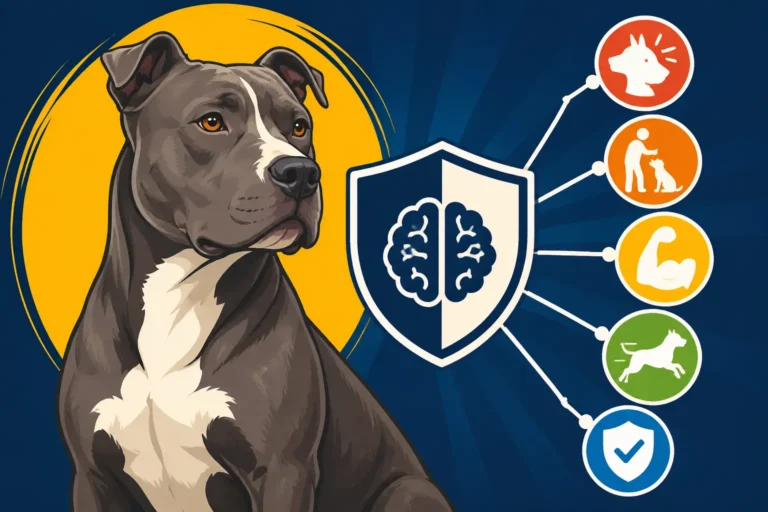
Part of this stricter process stems from understanding what's often referred to as "dog selectivity" in Pit Bulls. This isn't about aggression towards all dogs, but rather a preference for certain play styles, or a tendency to be less tolerant of rude behavior from other dogs as they mature. It's a nuanced trait, not a blanket statement of aggression, but it does mean we need to be extra vigilant and thoughtful when introducing them to new canine companions. A robust, well-muscled Pit Bull, even when playing, can accidentally cause injury if interactions aren't carefully managed, simply due to their sheer physical strength and enthusiasm.
Reading Your Existing Dog's Temperament
Before you even think about bringing a new dog into your home, you absolutely have to consider your existing dog. They are the resident expert on your home's ecosystem, and their comfort and safety are paramount. Is your current dog a social butterfly who loves every dog they meet? Or are they more reserved, maybe even a little grumpy with newcomers? Understanding their comfort level, their thresholds, and their preferred play style is critical. Some dogs thrive with a canine companion, while others are perfectly content being an only child, and forcing a relationship can lead to chronic stress for everyone involved.
Pay close attention to their body language. Signs of stress can be subtle: lip licking, yawning when not tired, turning their head away, a stiff body posture, or "whale eye" where the whites of their eyes are visible. If your dog has a history of being territorial with toys, food, or even your attention, these are crucial factors to address before you introduce a new dog. It's not about blaming your existing dog; it's about setting everyone up for success by acknowledging their individual personalities and needs. An honest assessment of your current dog’s personality and their comfort level with new dogs will dictate the pace and precautions you need to take.
Setting the Stage for a Successful First Meeting
The very first meeting sets the tone, so getting it right is crucial. Think of it like a first date: you want it to be relaxed, positive, and without pressure. Rushing this stage can lead to anxiety, fear, or even conflict, which can take a long time to undo. The goal here is to create positive associations and allow both dogs to observe each other from a safe distance before any direct interaction.
The Importance of Neutral Territory and Controlled Environments
One of the biggest mistakes people make is trying to introduce dogs directly in their home. Your home is your existing dog's territory, and suddenly having a newcomer invade their space can trigger defensive or territorial behaviors. This is why neutral territory is non-negotiable for initial introductions. A quiet park, a schoolyard after hours, or even a rented, fully enclosed dog training facility can work beautifully. These spaces lack existing scent markers and associations, allowing both dogs to feel less threatened and more open to a new experience.
When you arrive at your chosen neutral spot, make sure both dogs are on leashes and handled by separate, confident individuals. Avoid retractable leashes, as they offer poor control, and opt for a sturdy 6-foot leash and a comfortable harness or flat collar. While strong Pit Bulls often wear head halters or even prong collars for Pit Bull Leash Manners and Physical Strength, for a first introduction, a standard harness or flat collar is usually preferred to reduce tension and avoid any accidental aversive associations. The idea is to keep things light and positive. Ensure there are no distractions like other dogs, children running around, or loud noises that could heighten arousal or stress levels.
Initial Parallel Walks and Body Language Cues
The "parallel walk" is your secret weapon. Start by having two handlers walk the dogs parallel to each other, but with a significant distance in between – think across a large field. The dogs should be able to see each other but not necessarily interact. The goal is simply to exist in the same space without pressure. Keep the leashes loose, and walk calmly, talking to your dog in a cheerful, relaxed tone. Don't force them to acknowledge each other; let them sniff the ground and take in the environment naturally.
As both dogs remain calm and relaxed, you can gradually decrease the distance between them over several passes, always being mindful of their body language. Look for relaxed postures: loose tails (not tucked or stiff), soft eyes, relaxed mouths, sniffing the ground, and a general lack of tension. Avoid direct eye contact between the dogs, as this can be perceived as a challenge. If either dog stiffens, stares, pulls on the leash, growls, or tries to hide, increase the distance immediately. The key is to keep these sessions short, positive, and always end on a good note. Several short parallel walks over a few days can be much more effective than one long, stressful session. This low-pressure environment allows them to take each other's scent and existence in stride, building a foundation of calm acceptance.
| Positive Body Language (Relaxed) | Negative Body Language (Stressed/Uncomfortable) |
|---|---|
| Loose body, soft muscles | Stiff body, tense muscles |
| Soft, blinking eyes | Hard stare, "whale eye" (whites of eyes showing) |
| Wagging tail (relaxed sweep) | Stiff, high tail; low, tucked tail |
| Relaxed mouth, panting softly | Tightly closed mouth, excessive yawning/lip licking |
| Sniffing the ground | Pacing, trying to pull away, freezing |
| Ears relaxed or slightly forward | Ears pinned back or stiffly forward |
| Play bows, gentle nudges | Growling, barking, lunging, snapping |
| Approaching with a curved arc | Approaching directly, head-on |
Bringing Your Pit Bull Home: Gradual Integration
Once you’ve had a few successful neutral territory introductions, it’s time to bring your new Pit Bull home. However, "home" doesn't mean immediate free-roam access to your existing dog. This next phase is all about careful management, separate spaces, and building positive associations under controlled conditions. This part of the process often takes days, weeks, or even longer, depending on the individual dogs.
Establishing Separate Spaces and Routine
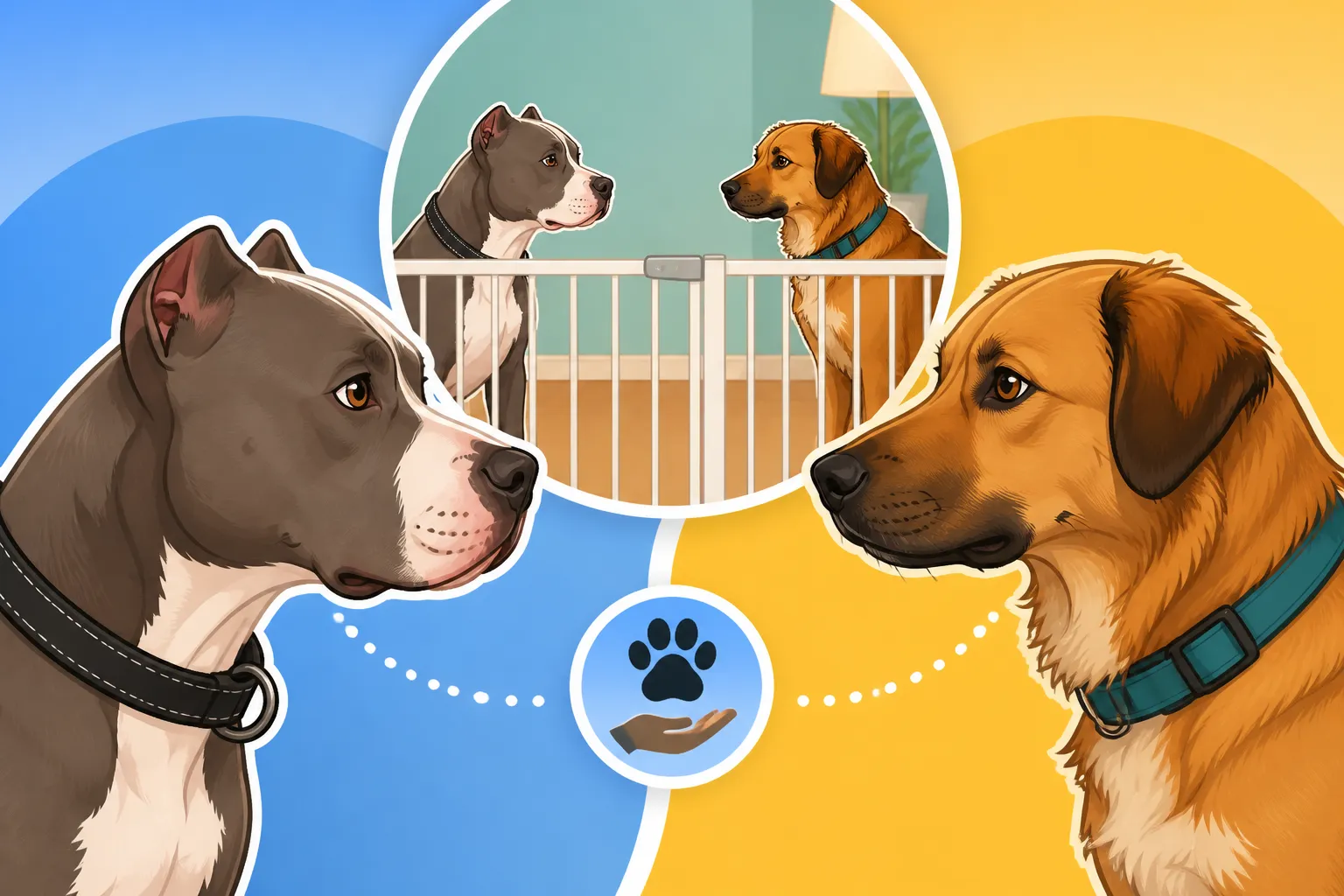
Upon arrival, your new Pit Bull needs their own dedicated space – a comfortable crate, a room sectioned off by baby gates, or an exercise pen. This separate area provides a safe retreat for them and ensures your existing dog still feels secure in their own territory. Think of it as giving each dog their own apartment within your home. They can smell each other, hear each other, but they don't have to interact directly. This vastly reduces stress and the potential for conflict over resources or personal space. Crate and Rotate as a Pit Bull Management Plan
Implement a "crate and rotate" schedule. This means when one dog is out in common areas, the other is securely contained in their separate space. Rotate their access to the yard, walks, and cuddle time with you. This not only prevents unwanted interactions but also teaches them that being alone is sometimes a positive experience (they get special attention or treats when the other dog is away). Feed them separately, ideally in their crates or behind closed doors, to prevent any resource guarding issues from developing. Provide plenty of strong chew toys, like those found on Amazon or specific brands known for durability, for each dog to enjoy in their own space, preventing boredom and redirecting potential destructive chewing.
Supervised "Meet and Greet" Sessions Indoors
Once both dogs are settled into their separate routines and seem relaxed with the smells and sounds of the other, you can begin short, highly supervised "meet and greet" sessions indoors. These should be brief, positive, and always under your direct control. Start by having both dogs on leashes, handled by separate people, in a large, open area of your home. Keep the atmosphere calm and cheerful.
During these sessions, focus on parallel activities rather than direct nose-to-nose introductions. You might walk them parallel in the living room, have them practice "sit" or "down" commands near each other, or engage in a rewarding Positive Reinforcement Training With a Pit Bull session where they are rewarded for calm behavior in the presence of the other dog. Use High-Value Treats That Hold a Pit Bull's Focus to make these interactions incredibly positive. The BAXTER & Bella online puppy school, for example, offers great resources and structured exercises that can be adapted for new introductions, providing guidance on how to keep dogs engaged with you while another dog is present. The goal is to build positive associations: "When the other dog is around, good things happen." Always end the session before either dog shows signs of stress or over-excitement, making sure to separate them back into their safe spaces on a good note. Over time, these sessions can be slowly lengthened and involve more relaxed, off-leash time only when you are absolutely confident in their calm behavior and when you can supervise every second.
Building a Harmonious Multi-Dog Household
Achieving a truly harmonious multi-dog household, especially with a strong Pit Bull, isn't a one-and-done event. It's an ongoing process of management, training, and understanding your dogs' dynamic. Just like any good relationship, it requires continuous effort and observation.
Continued Training and Management
Ongoing training is paramount for both dogs. Keep reinforcing individual obedience commands like "sit," "stay," "down," and "recall." These commands are not just tricks; they are vital tools for managing interactions and ensuring safety. Practicing these skills in the presence of the other dog, while still rewarding heavily, solidifies their ability to focus on you even with distractions. For outdoor excursions, especially with a Pit Bull that likes to pull or has a strong prey drive, using a long line in a securely fenced area can allow for controlled exercise and sniffing opportunities while still giving you a safety tether. How Much Outdoor Space a Pit Bull Uses
Structured play sessions, if both dogs are enjoying them, can be a wonderful way to build their bond. However, these must always be supervised closely. Look for balanced play: dogs taking turns chasing, gentle mouthing, and no signs of one dog overwhelming the other. Intervene if play becomes too rough or one-sided, perhaps with a short "break" before resuming. Regularly observe their subtle body language cues. Reading a Pit Bull Before a Scuffle Starts A momentary stiffening, a quick glance, or a shift in weight can tell you a lot about their comfort level and potential developing tension. Be proactive in managing these signs rather than waiting for a full-blown argument.
When to Seek Professional Help
Sometimes, despite your best efforts, you might encounter challenges that feel beyond your ability to manage. This is absolutely nothing to be ashamed of; dog behavior can be complex, and getting expert help is a sign of responsible ownership. If you're seeing persistent tension, frequent squabbles, fear in one or both dogs, or any outright aggression, it's time to call in a professional. Don't wait until a serious incident occurs.
Look for a certified professional dog trainer or a veterinary behaviorist who uses positive reinforcement methods and has extensive experience with Pit Bulls and multi-dog household dynamics. Finding a Trainer Experienced With Pit Bulls A good professional can offer personalized insights, develop a tailored training plan, and provide hands-on guidance. They can help identify underlying issues, teach you advanced management strategies, and ensure you're interpreting your dogs' communication accurately. Remember, the goal is not just to prevent fights, but to foster a relationship where both your Pit Bull and your existing dog feel safe, comfortable, and happy in their shared home. It's an investment in the long-term well-being of your entire family.
Disclaimer
This article is for general informational purposes only and does not constitute professional advice. Laws, prices and regulations vary by location and change over time. Consult a qualified professional for guidance on your specific situation.