A Pit Bull Guarding the Back Seat
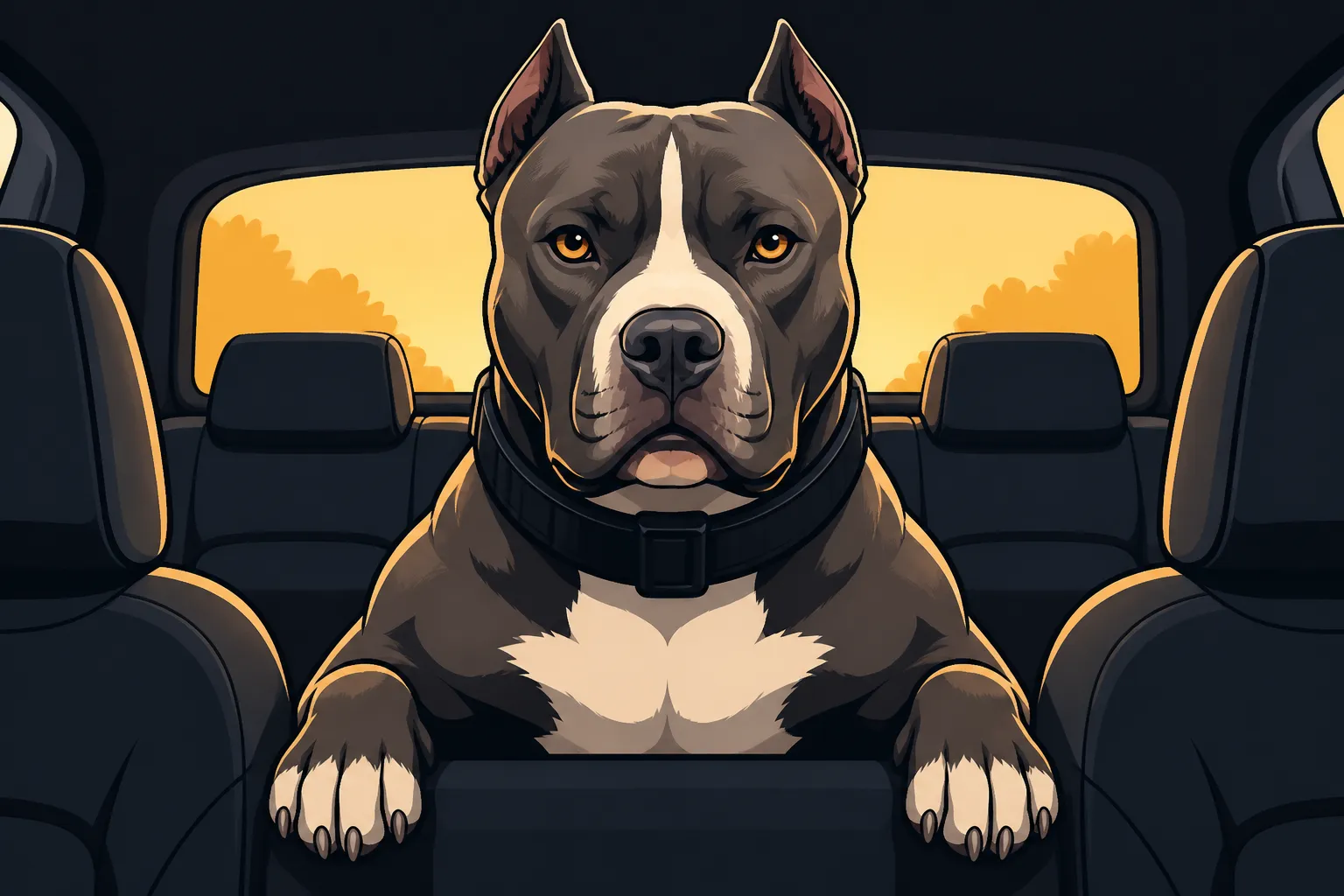
It’s incredibly frustrating and even a bit scary when your beloved Pit Bull starts acting defensively, especially when it comes to something as simple as the back seat of your car. What used to be a calm ride can quickly turn into a tense situation, leaving you wondering why your usually sweet dog is suddenly growling or snapping at anyone who dares to approach their perceived territory. This guide will walk you through understanding why your Pit Bull might guard the back seat, how to prevent it, and most importantly, how to safely and effectively manage or modify this behavior so that car rides can be stress-free again for everyone.
Understanding Why Your Pit Bull Guards the Back Seat
When your Pit Bull starts to guard the back seat, it's not because they're being "bad" or aggressive for the sake of it. Instead, it's usually a deeply ingrained behavior stemming from instinct, past experiences, or even underlying discomfort. Understanding the root cause is the first step toward finding a solution that actually works for your unique dog.
Instinctual Drives and Resource Guarding
Dogs, including our wonderful Pit Bulls, are inherently wired to protect resources they deem valuable. In a confined space like a car, that "resource" can easily become the entire back seat. It's their perceived territory, and they might feel a primal urge to keep others out. This isn't about dominance in the way many people mistakenly think; it's about a dog feeling insecure about losing something important to them. They might be guarding the space itself, or perhaps a favorite toy or even your presence within that space. This instinct can be amplified in a car because the space is small, there's limited escape, and the dog might feel trapped or vulnerable.
Think of it from their perspective: the car is a moving den, and the back seat is their spot within it. If someone (especially a stranger or another family member they're not fully comfortable with in that context) tries to enter that space, their instinct tells them to protect it. It’s not a personal affront; it’s a dog acting like a dog.
Past Experiences and Learned Behavior
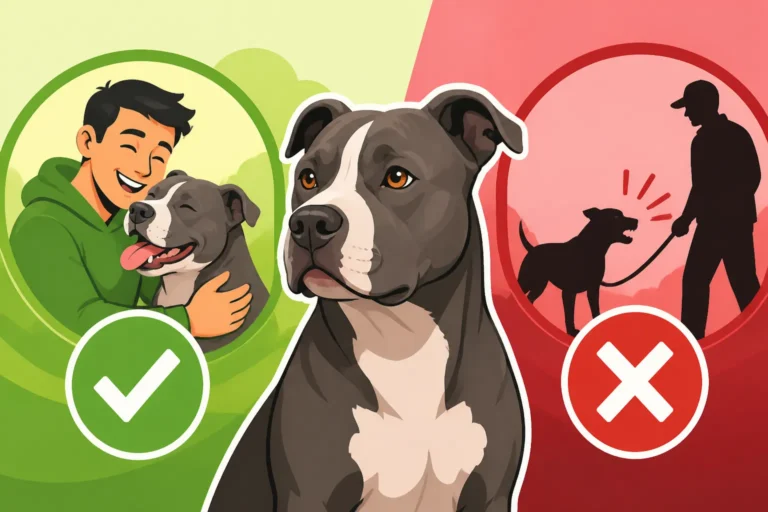
Sometimes, back seat guarding isn't just instinct; it's a behavior that has been learned, either consciously or unconsciously. Perhaps your Pit Bull had a negative experience in the car's back seat previously. Maybe a child startled them, or they felt uncomfortable during a trip to the vet, and now they associate the back seat with anxiety or the need to defend themselves. Dogs are incredibly associative learners. If they've ever successfully "warned off" someone with a growl or a stare, and that person retreated, the behavior was reinforced. They learned, "Ah, that worked! I'll do it again."
It's also possible that your dog has always been the sole occupant of the back seat, and they simply haven't learned to share that space. If they've never had a consistent, positive experience with someone else entering their "territory" while they're in it, they naturally assume they need to protect it. Their history, particularly if they're a rescue, can also play a huge role. An insecure dog with an unknown past might cling more tightly to perceived safe spaces.
Body Language Cues of Guarding
Recognizing the subtle (and not-so-subtle) signs of guarding is crucial for safety and for intervening before the behavior escalates. It's rarely a sudden explosion; dogs almost always give warnings. Look for a stiffening of the body, a hard stare, or a low, rumbling growl deep in their chest. Their ears might be back, their tail stiff and held high or tucked low, and their lips might be slightly curled, showing just a hint of teeth. They might also air snap – snapping their jaws in the air without making contact – as a clear warning shot.
Before any of these more overt signs, you might notice subtle shifts: a slight freeze in their movement, a whale eye (where you see the whites of their eyes), or a lip lick that seems out of context. Understanding Reading a Pit Bull Body Language Before a Greeting is a vital skill for any owner, especially when dealing with potential resource guarding. If you see these signs, it's your cue to stop what you're doing, give your dog space, and reassess the situation. Pushing past these warnings often forces a dog to escalate their communication, which can lead to a bite.
Proactive Steps and Management Strategies
The best way to deal with back seat guarding is to prevent it from ever starting. For puppies, this means starting off on the right paw. For adult dogs showing early signs, proactive management can prevent the behavior from becoming deeply ingrained. The key is consistency, positive reinforcement, and clear boundaries.
Building Positive Associations from the Start
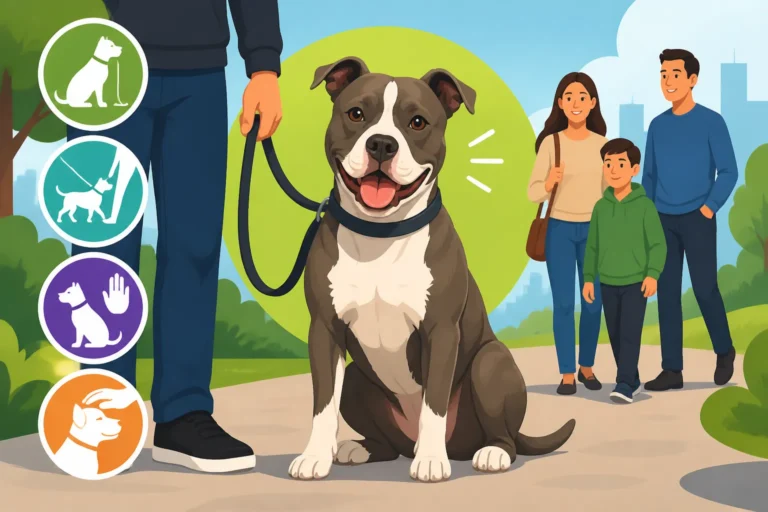
Whether you have a new Pit Bull puppy or you're trying to reset the narrative with an adult, making the back seat a wonderfully positive place is paramount. Don't just put them in the car for vet visits or stressful trips. Instead, occasionally lead them to the car, open the door, let them hop in, offer a few high-value treats (think cheese, cooked chicken, or peanut butter on a spoon), and then let them hop out. Do this a few times a week, without actually going anywhere. This helps them associate the car with good things and no pressure.
When you do start short drives, make them to fun places like the park or a friend's house they enjoy visiting. Always reward calm behavior in the car. If you have a puppy, focusing on Socializing a Pit Bull Puppy Thoroughly should include positive experiences with the car and people approaching it. For any Pit Bull, the car needs to be seen as a source of good things, not just a holding pen or a place of stress.
Using Physical Barriers and Crates
Sometimes, prevention through positive association isn't enough, or you need an immediate safety solution while you work on behavior modification. This is where physical barriers and crates become invaluable. A sturdy car barrier, often found on platforms like Amazon, can safely separate your Pit Bull from the front seats or from other passengers in the back, ensuring that no one inadvertently invades their "space." Look for barriers that are designed for robust breeds and can be securely installed.
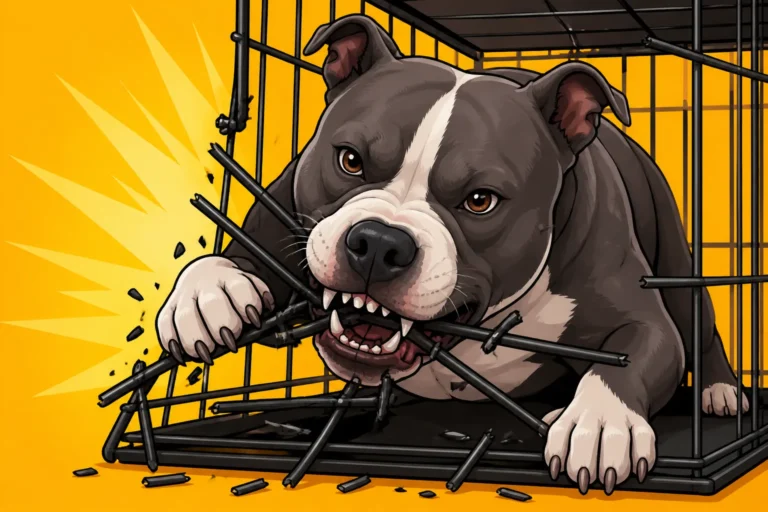
Even better, especially for a Pit Bull known for their strength and chewing ability, is a crash-tested travel crate. Many top brands offer these, and they provide a secure, den-like space for your dog. It gives them a clear boundary and can help them feel safer and less inclined to guard, as their space is clearly defined and protected. Training your Pit Bull to view their crate as a safe, comfortable place is vital, and resources like Getting a Pit Bull to Choose Its Crate can guide you through this process effectively. Always ensure the crate is well-ventilated and secured in the vehicle so it doesn't become a projectile in a sudden stop. You can learn more about suitable options in Pit Bull Car Barriers and Crash-Tested Crates.
Consistent Training and Structure
Establishing clear rules and consistent training is foundational for managing any guarding behavior. Your Pit Bull needs to understand that you control the resources, including the back seat. This means teaching strong "off," "leave it," and "place" commands, not just in the house, but specifically for the car. Practice having them settle on a mat or a designated spot in the back seat before anyone enters or before the car starts. Reward them heavily for staying in their spot calmly.
Online training platforms, such as those offered by BAXTER & Bella, can provide structured courses and virtual guidance on these foundational behaviors. The emphasis should always be on positive reinforcement, making the right choices highly rewarding for your dog. Remember, a Pit Bull often requires Training a Pit Bull to a Higher Standard Than Other Dogs due to societal perceptions and their physical capabilities, so consistency and clarity in your commands are paramount.
Addressing Existing Back Seat Guarding
If your Pit Bull is already displaying back seat guarding, you need a carefully planned approach. This is not a quick fix, and it requires patience, consistency, and a strong commitment to safety.
Desensitization and Counter-Conditioning
This method aims to change your dog's emotional response to the trigger (someone approaching or entering the back seat) from negative (anxiety, defensiveness) to positive (calm, anticipation of good things). Start incredibly slowly, perhaps even with the car parked and off, and your dog in a securely crated space in the back.
- Start from afar: Have someone simply walk past the car, not even looking at your dog. If your dog remains calm, toss a high-value treat into their crate or designated back seat area. Repeat this many times.
- Closer approach: Gradually reduce the distance. Have the person walk closer to the car, then touch the door handle, then open the door slightly. At each step, if your dog remains calm, immediately reward with a fantastic treat. If your dog shows any signs of guarding, you've gone too fast; go back to the previous step where they were comfortable.
- Entering the car: Eventually, the person can sit in the front seat, then the back seat (initially across from your dog, maintaining distance). Each time, pair their presence with treats. The goal is for your Pit Bull to associate a person entering the back seat with getting something amazing.
High-Value Treats That Hold a Pit Bull's Focus are essential here; they need to be irresistible. This process can take weeks or even months, but rushing it will only make the problem worse.
Seeking Professional Guidance and Safety Precautions
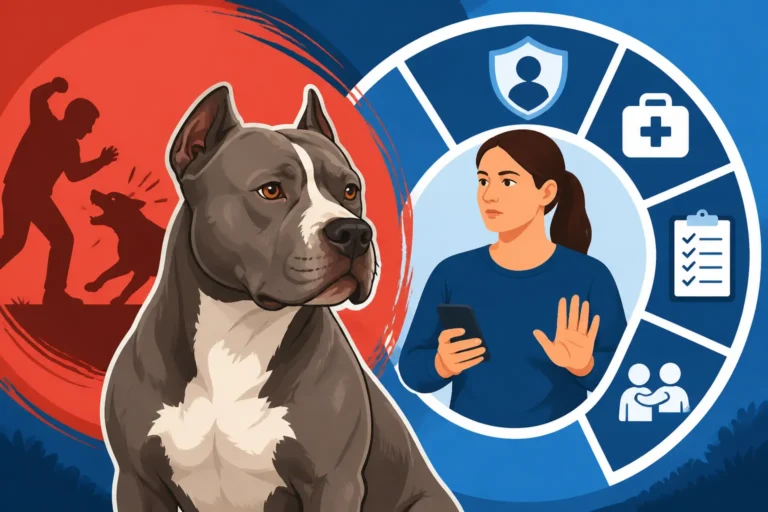
Dealing with resource guarding, especially in a strong dog like a Pit Bull, carries inherent risks. If your dog is growling, snapping, or has a history of bites, it is absolutely crucial to seek help from a qualified professional. A certified professional dog trainer or a veterinary behaviorist has the expertise to assess your dog's specific triggers, severity, and create a tailored behavior modification plan. Trying to manage this alone without experience can be dangerous for you, your dog, and others.
Safety is your number one priority during this process. Consider muzzle training your Pit Bull for sessions where you're working on the guarding behavior, especially if there's any chance of escalation. Muzzle Training Every Pit Bull Should Have is a responsible step for any owner, providing a vital safety net without being punitive. A well-fitted basket muzzle allows your dog to pant, drink, and take treats, ensuring their comfort while keeping everyone safe. Finding a Trainer Experienced With Pit Bulls is crucial here, as they understand the nuances of the breed type and can guide you through these sensitive behaviors.
Long-Term Management and Safety in the Car
Successfully addressing back seat guarding isn't a one-time fix; it's a commitment to ongoing management and a safe car environment. Your goal is to create a predictable and comfortable routine for your Pit Bull, ensuring that car rides are enjoyable for everyone involved.
Consistent Training and Routine
Consistency is truly king when it comes to maintaining good behavior in your Pit Bull. Once you've made progress in managing back seat guarding, you must reinforce those lessons regularly. Continue to practice desensitization and counter-conditioning exercises, even after the behavior seems resolved. Keep up with your foundational obedience commands, ensuring your Pit Bull understands and respects boundaries in the car. Every car ride, even short ones, should be an opportunity to reinforce positive behavior.
Establish a clear routine for car entry and exit. Perhaps your Pit Bull always waits for a "load up" command before entering the back seat, and a "free" command before exiting. This predictability helps reduce anxiety and the perceived need to guard. Make sure all family members and regular passengers understand and adhere to these rules. Inconsistent handling can quickly unravel weeks or months of progress, especially with a breed type that thrives on clear communication and structure.
Equipment and Environment Adjustments
Making physical adjustments to your car's environment can go a long way in preventing a relapse of guarding behavior. Continue to use a reliable car barrier or, even better, a crash-tested travel crate for all car journeys. This provides a designated, secure, and personal space for your Pit Bull, minimizing opportunities for them to feel the need to guard the broader back seat area. Think of it as their personal, safe "den" within the car. Brands readily available on Amazon or other pet supply sites offer a variety of crash-tested crates and durable barriers that can withstand the strength of a Pit Bull.
Beyond physical barriers, consider what items are in the back seat when your dog is present. If certain toys or treats trigger guarding, either remove them or ensure your dog understands they are your resources to distribute. Keep the car calm and consistent. For some Pit Bulls, even too much visual stimulation from the windows can create anxiety, making them more prone to guarding. Consider window shades or having them in a crate that limits their view to help them relax. Paying attention to your dog's comfort can also help; for instance, ensuring their paws aren't getting too hot on summer pavement before they even get in the car can contribute to a calmer demeanor overall. Pit Bull Paw Pad Injuries on Hard Ground can make a dog uncomfortable and more irritable.
Understanding the Pit Bull Temperament
It's helpful to remember the general temperament of Pit Bull types when approaching any training or behavior modification. While individual dogs vary greatly, the breed type is often noted for its loyalty, intelligence, and physical strength. This means they are often highly motivated to please their owners, but also have the capacity for strong, tenacious behaviors. Guarding is not a unique Pit Bull trait, but their physical power means that guarding behavior can be more impactful. Understanding Pit Bull Temperament and What Testing Shows can provide broader context, but ultimately, your specific dog's personality and history will be your best guide. Approach them with empathy, clear communication, and the understanding that they are trying to communicate their needs, even if the method is undesirable.
| Strategy | Description | Pros | Cons |
|---|---|---|---|
| Positive Association | Pairing car and back seat experiences with high-value rewards (treats, praise, fun destinations). | Builds a positive emotional response, addresses root cause, gentle method. | Can be slow, requires consistency, not an immediate fix for severe guarding. |
| Crate Training | Using a secure, crash-tested travel crate in the back seat as the dog's designated safe space. | Provides clear boundaries, enhances safety for all, often reduces perceived need to guard. | Initial investment cost, dog needs to be crate-trained and comfortable, takes up space. |
| Car Barriers | Physical barrier separating the back seat from front passengers or dividing the back seat area. | Offers immediate safety and separation, prevents direct access to potential triggers. | Dog may still guard the barrier itself, not as secure as a crate in an accident. |
| Desensitization & Counter-Conditioning | Gradually exposing the dog to triggers while pairing with positive reinforcement. | Changes emotional response, effective for established guarding, long-term solution. | Requires extreme patience and precision, can be complex, best done with professional guidance. |
| Professional Trainer | Working with a certified professional dog trainer or veterinary behaviorist. | Expert guidance, tailored plan, addresses severe or dangerous guarding, ensures safety. | Financial investment, requires commitment from owner to follow through, may take time to see results. |
Disclaimer
This article is for general informational purposes only and does not constitute professional advice. Laws, prices and regulations vary by location and change over time. Consult a qualified professional for guidance on your specific situation.