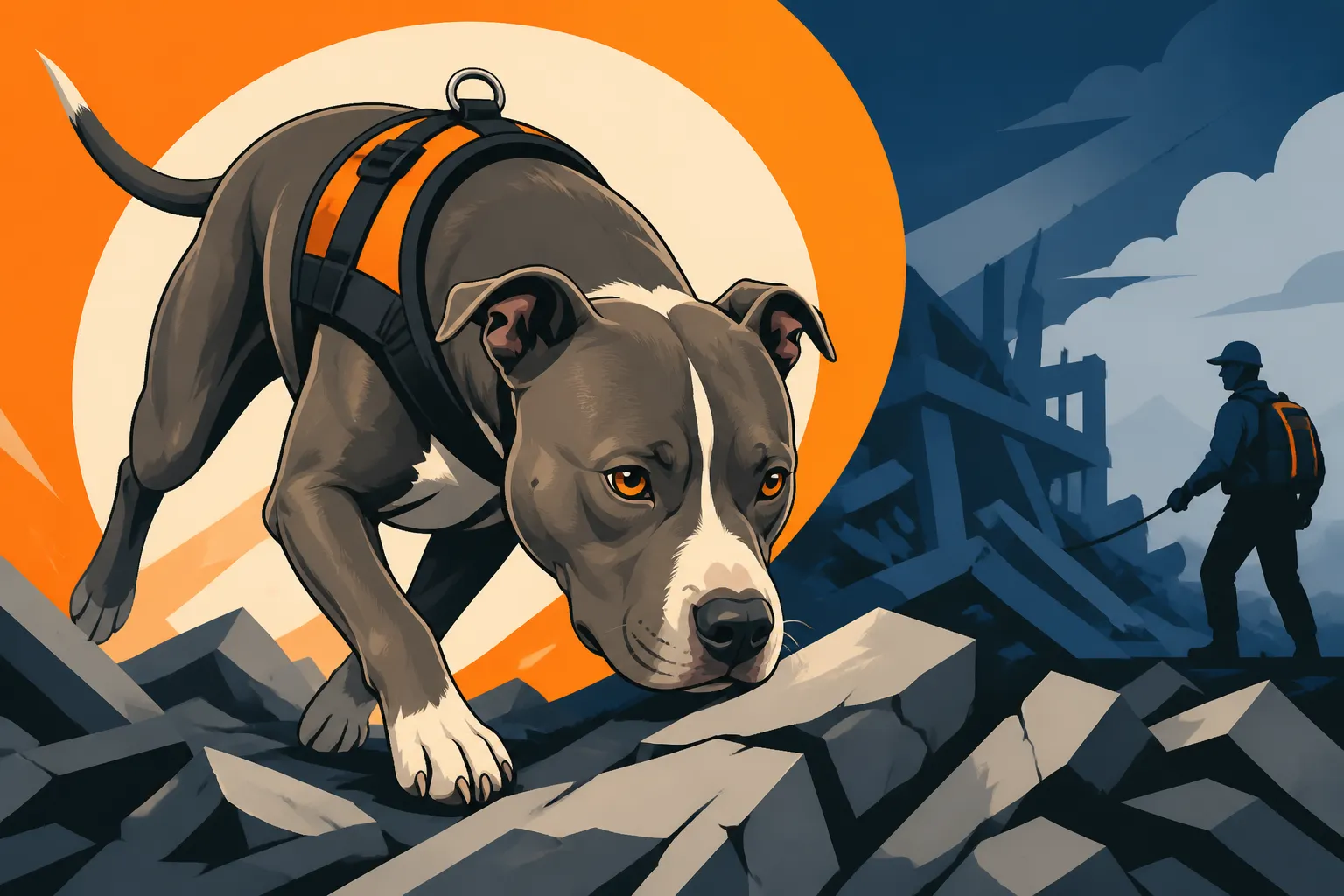
Pit Bulls in Search and Detection Work
Many Pit Bull owners face the frustrating reality that their dogs are often misunderstood and underestimated, pigeonholed into stereotypes that completely overlook their incredible intelligence, drive, and biddability. It's a shame, because these magnificent dogs possess a combination of traits that make them absolute superstars in demanding fields like search and detection work. This guide is here to shed light on why Pit Bulls are not just capable, but truly excel in roles that require focus, scent discrimination, and unwavering determination.
Why Pit Bulls Excel in Detection Work
When you think of a dog sniffing out contraband, finding lost people, or even detecting specific diseases, breeds like German Shepherds, Beagles, or Labradors often come to mind. But let me tell you, Pit Bulls bring a unique blend of attributes to the table that make them formidable contenders in these high-stakes roles. Their powerful drive, intelligence, and sheer physical capabilities are perfectly suited for demanding detection tasks, often outperforming expectations.
Unmatched Drive and Tenacity
One of the most defining characteristics of a Pit Bull type dog is their incredible drive. Whether it's prey drive, toy drive, or food drive, these dogs are often relentlessly focused on achieving their goal. In detection work, this translates to an unwavering commitment to the task at hand. When a Pit Bull is locked onto a scent, they will persist, meticulously working an area until they locate the source, often ignoring distractions that would deter other breeds. This tenacity is invaluable, especially in complex search environments like collapsed buildings, dense wilderness, or vast open fields. They don't give up easily, and that persistent nature is exactly what you need in a reliable detection partner. It's not just about a strong nose; it's about the will to keep that nose to the ground until the job is done. This drive, properly channeled, makes them incredibly efficient and thorough.
Intelligence and Problem-Solving Skills
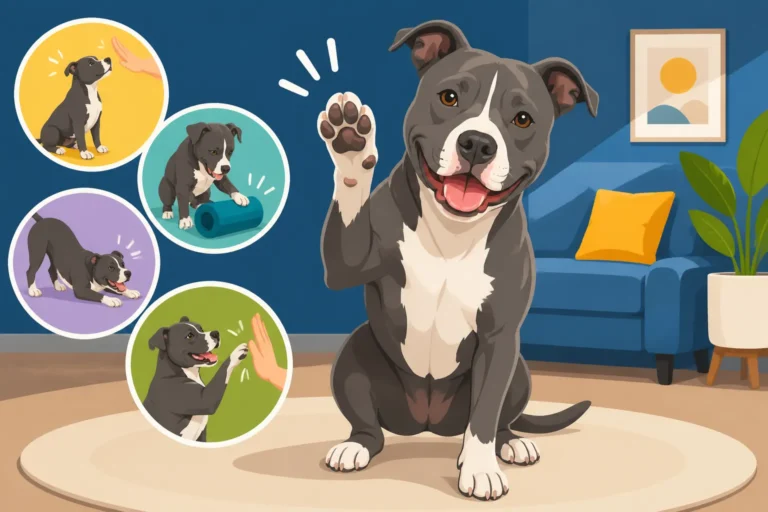
Beyond their brawn, Pit Bulls are remarkably intelligent dogs, quick to learn and eager to please their handlers. They thrive on having a job to do and excel at problem-solving, which is a critical component of detection work. Imagine a scenario where a dog needs to navigate a debris-filled landscape, discriminate between multiple scents, or work out how to reach a specific area where a target scent is strongest. These are not simple tasks; they require mental agility and the ability to process complex information from their environment. Pit Bulls are known for their ability to focus intensely during training, quickly grasping new concepts and commands. This combination of intelligence and a strong desire to cooperate with their handler makes them highly trainable for intricate scent discrimination tasks. They don't just follow commands; they understand the purpose behind the commands, which allows them to adapt and perform effectively in novel situations. Positive Reinforcement Training With a Pit Bull is particularly effective in harnessing their sharp minds.
Physicality and Stamina for Demanding Tasks
Let's be honest, Pit Bulls are built like canine athletes. They possess immense physical strength, agility, and remarkable stamina. These physical traits are not just for show; they are incredibly functional in detection roles. A search dog might need to climb over rubble, navigate difficult terrain, squeeze into tight spaces, or work for extended periods in challenging weather conditions. A flimsy dog simply won't cut it. Pit Bulls often have dense musculature and a lower center of gravity, which gives them exceptional balance and power. Their strong bodies mean they can endure physically taxing searches without quickly fatiguing. This physical resilience is paired with a surprising agility, allowing them to move with grace and speed through obstacles. Whether it's traversing a steep incline or maneuvering through tight spaces, their physical capabilities ensure they can access areas that might be difficult for other dogs, making them perfect for roles like urban search and rescue. The Daily Exercise a Pit Bull Actually Needs also highlights their inherent need for physical exertion, which can be wonderfully channeled into these working roles.
Types of Search and Detection Roles for Pit Bulls
It's truly inspiring to see Pit Bulls finding their calling in a variety of detection disciplines. Their versatility, combined with their inherent strengths, makes them suitable for everything from locating missing persons to sniffing out specific substances. It’s a testament to their adaptability and dedication to work.
Urban Search and Rescue (USAR)
Urban Search and Rescue (USAR) is perhaps one of the most high-profile and demanding areas where Pit Bulls can shine. Imagine the aftermath of a natural disaster like an earthquake or a tornado, or a man-made calamity such as a building collapse. These environments are incredibly dangerous, chaotic, and physically grueling. Dogs in USAR teams must be able to navigate unstable rubble piles, identify human scent amidst overwhelming distractions, and work independently in unfamiliar and often terrifying conditions.
A Pit Bull's strength, agility, and fearlessness are huge assets here. They can climb over broken concrete, squeeze into narrow crevices, and endure long hours of searching. Their focused drive means they won't give up until every accessible area has been thoroughly checked. The noise, the dust, the strange smells – none of it deters a well-trained Pit Bull from their mission to locate survivors. Their compact yet powerful build allows them to access areas that larger, bulkier dogs might struggle with, making them highly effective in finding trapped individuals.
Human Remains Detection (HRD)
While grim, Human Remains Detection (HRD) is a critical field, and Pit Bulls are proving to be exceptionally good at it. These dogs are trained to locate the scent of human decomposition, whether it's recent or historical, buried underground, submerged in water, or scattered across a vast landscape. This work requires immense focus, a keen nose, and the ability to work for long periods without losing interest.
The Pit Bull's natural drive and stamina are perfectly suited for the extensive grid searches often required in HRD. They can cover large areas, meticulously following scent plumes, even in challenging environmental conditions like high winds or dense vegetation. Their determination ensures they won't abandon a scent trail, even when it's faint or dispersed. This type of work is not for every dog, as it demands a very specific temperament: high drive, resilience, and a solid connection with their handler. Pit Bulls often exhibit these traits in spades, making them invaluable assets to law enforcement and search and rescue organizations.
Narcotic and Explosive Detection
The world of scent detection extends far beyond finding people. Pit Bulls are increasingly being utilized in law enforcement and security for detecting illicit substances like narcotics, or dangerous materials such as explosives. These roles require dogs to possess an exceptional ability to discriminate between scents, often in very public and high-stress environments like airports, border crossings, or public events.
Their high toy drive, a common trait in many Pit Bulls, can be effectively channeled into detection work. Dogs are typically trained to associate the target scent with a reward, often their favorite toy. A Pit Bull's intense focus on their toy translates directly into an intense focus on the target scent. Once they detect the scent, they are trained to give a specific "alert," such as sitting or freezing, to indicate a find. Their robust build also means they can handle the physical demands of searching vehicles, cargo, or large venues. While the media often showcases other breeds in these roles, Pit Bulls have the drive, intelligence, and athleticism to perform just as capably, proving their worth one sniff at a time. The public perception of Pit Bulls might be challenging, but their performance in these roles speaks for itself.
Training Your Pit Bull for Scent Work
Getting your Pit Bull involved in scent work is a fantastic way to engage their intelligent minds and powerful drives, providing them with an enriching job that they often adore. It's not just about professional detection; even recreational scent work can build confidence, reduce stress, and strengthen the bond you share. Scent Work as Indoor Pit Bull Exercise is a great start for any Pit Bull.
Getting Started with Basic Scent Introduction
You don't need fancy equipment or a dedicated training facility to begin. The key is to make it fun and highly rewarding for your dog. Start with a very simple target odor. Many beginner scent work kits use birch, anise, or clove essential oils diluted to safe levels. You'll need some small containers or tins, cotton swabs, and some high-value treats that your Pit Bull absolutely adores, or their favorite toy. You can find excellent starter kits and training aids on Amazon, which often include the necessary oils and equipment to get going.
The first step is pairing the target scent with a reward. Take a cotton swab with a tiny drop of your chosen scent (birch, for example) and place it near a highly desirable treat. When your Pit Bull shows interest in the scent or eats the treat, immediately praise them enthusiastically. Repeat this many, many times over several short sessions. The goal is to create a strong positive association: "Scent equals amazing reward!" Once they reliably go for the scent/treat combination, you can start hiding the scented swab in plain sight, then gradually making it harder, building their confidence and problem-solving skills bit by bit. Remember, consistency and positive reinforcement are paramount. High-Value Treats That Hold a Pit Bull's Focus can make a huge difference in these early stages.
Building Search Skills and Discrimination
Once your Pit Bull understands that the target scent leads to a reward, you can begin to build their actual search skills. This involves increasing the difficulty of the hides and introducing discrimination tasks. Start with simple hide-and-seek games in one room, gradually moving to more complex environments like your backyard or different rooms in the house. Always start easy, ensuring success, and then incrementally make it more challenging.
Introduce multiple identical containers, only one of which holds the scent. Your dog will learn to discriminate, ignoring the blank containers to find the scented one. This is where their natural intelligence really shines. Use a verbal cue, like "search" or "find it," before each search to signal the start of the game. As they get better, you can introduce different types of distractions – other toys, bland food, or even other people – to ensure they stay focused on the target scent. This process is all about building their confidence, persistence, and ability to ignore irrelevant smells. For more structured online learning, platforms like BAXTER & Bella offer excellent courses that guide owners through progressive scent work training, often emphasizing positive reinforcement and clear communication with your dog.
Professional Training and Certification Paths
If you find that your Pit Bull has a real knack for scent work and you're interested in pursuing more advanced or professional avenues, seeking guidance from an experienced detection dog trainer is the next logical step. These trainers have specialized knowledge in areas like HRD, narcotics detection, or even medical alert work. They can help you refine your dog's skills, teach them specific alert behaviors, and prepare you both for certification.
Professional training often involves working in more realistic scenarios, such as mock disaster sites, vehicles, or large public spaces. Certifications are crucial for dogs working in professional capacities, as they demonstrate the dog's proficiency and reliability in detecting specific target odors under varying conditions. Organizations like the National Association for Search and Rescue (NASAR) or various law enforcement agencies have their own certification standards. While the path to becoming a certified detection team is demanding, the rewards are immense, both for you and your dedicated Pit Bull. Finding a Trainer Experienced With Pit Bulls is crucial for this stage.
Overcoming Challenges and Public Perception
While Pit Bulls possess incredible potential for detection work, there are unique challenges that come with owning and working this particular type of dog. It's not always easy, but with dedication and understanding, these obstacles can be successfully navigated.
Managing High Drive and Focus
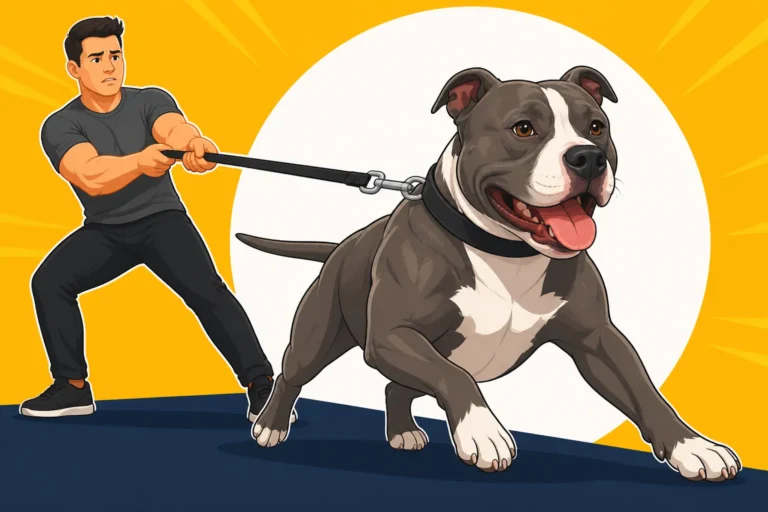
Pit Bulls are known for their intense drive, whether it's for a toy, food, or a specific task. While this is a huge asset in detection work, it also needs careful management. An unchanneled or misdirected high drive can lead to frustration, destructive behaviors, or difficulty focusing on the task at hand. The key is to learn how to effectively channel that energy and focus. For instance, if your Pit Bull has a very high prey drive, you might need to ensure that detection training is done in environments where small critters aren't a constant distraction, especially in the early stages.
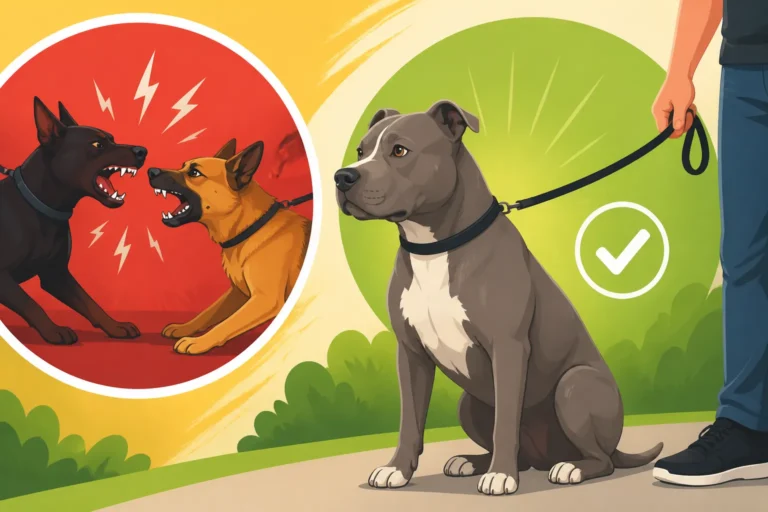
Building impulse control is paramount. This means teaching your dog to wait patiently for their cue, to ignore distractions until released, and to release an item when asked. This isn't just about training specific commands; it's about developing a dog that can control its impulses in high-arousal situations. Consistency in training, short and engaging sessions, and always ending on a positive note can help keep their drive productive and manageable. Building a Pit Bull's Impulse Control is a valuable skill for any working dog.
Addressing Breed Stereotypes and Access Issues
One of the biggest, and often most frustrating, hurdles for Pit Bull owners seeking to enter working dog fields is the pervasive negative stereotype associated with the breed type. Despite individual temperament and extensive training, Pit Bulls can face breed-specific legislation, insurance restrictions, and public apprehension. This can translate into difficulties accessing training facilities, getting acceptance into professional programs, or even being allowed to work in certain public spaces.
It's a disheartening reality that a highly trained, certified detection Pit Bull might still be met with fear or prejudice simply because of its appearance. Overcoming this requires relentless advocacy, demonstrating your dog's exemplary behavior in every public outing, and actively seeking out organizations and trainers who are open-minded and evaluate dogs based on their individual merit, not their breed label. Presenting a Canine Good Citizen and Why It Matters for a Pit Bull certificate can sometimes help, as it demonstrates a commitment to training and good manners. This battle against stereotypes is ongoing, but every Pit Bull working successfully in detection helps to chip away at the misconceptions.
The Importance of a Strong Handler-Dog Relationship
Regardless of the breed, a strong, trust-based relationship between handler and dog is the cornerstone of successful detection work. For Pit Bulls, given their sensitive nature and deep loyalty, this bond is even more critical. They thrive on clear communication, fairness, and a sense of partnership. Your Pit Bull needs to trust that you will guide them safely, understand their signals, and reward their efforts.
This means spending quality time together outside of formal training, engaging in play, walks, and simply being present. It means learning to read your dog's body language and understanding their unique motivations. In detection work, a handler relies completely on their dog to locate the scent, and the dog relies on the handler for direction, support, and reinforcement. This partnership is a dynamic dance, and when it clicks, a Pit Bull can become an unstoppable force in the world of search and detection.
| Aspect | Pit Bull Strengths in Detection Work | Potential Challenges |
|---|---|---|
| Drive & Tenacity | Unwavering focus, persistent searching, ignores distractions. | Requires careful channeling, can be overwhelming if mismanaged. |
| Intelligence | Quick learners, adept problem-solvers, eager to please handlers. | Can get bored without sufficient mental stimulation. |
| Physicality | Strong, agile, high stamina, capable of navigating difficult terrain. | Public perception might lead to skepticism about their suitability. |
| Trainability | Responds well to positive reinforcement, thrives on having a job. | May require specialized trainers experienced with strong breeds. |
| Scent Ability | Excellent scent discrimination, highly focused nose work. | No specific genetic advantage over traditional detection breeds, but individual ability is high. |
Disclaimer
This article is for general informational purposes only and does not constitute professional advice. Laws, prices and regulations vary by location and change over time. Consult a qualified professional for guidance on your specific situation.