Getting a Pit Bull to Choose Its Crate
One of the trickiest parts of bringing a strong, intelligent Pit Bull into your home is often the early days of crate training. It’s not just about getting them to tolerate the crate; it’s about making them love it, turning it into their personal sanctuary. If you’ve found yourself scratching your head, wondering how to convince your powerful pup that a confined space is actually the best place to be, you’re in the right spot. This guide is all about helping you create a positive association, so your Pit Bull genuinely chooses their crate as a safe, comfortable retreat.
Understanding the "Why" Behind Crate Refusal
It’s easy to get frustrated when your Pit Bull digs their heels in about the crate. We humans often see it as a safe space, a convenience, or even a necessity, but our dogs might see it very differently at first. Understanding why they might resist can help you approach training with more empathy and patience. It’s rarely about malice; it’s usually about comfort, security, or past experiences.
The Pit Bull's Instinct for Freedom and Connection
Pit Bulls, by their very nature, are often incredibly connected to their people. They thrive on interaction, playtime, and being part of the family unit. This strong desire for companionship can sometimes make the idea of being separated, even by the bars of a crate, feel like a punishment rather than a safe haven. Their instincts tell them to be with their pack, and being confined alone can feel counter-intuitive to that deep-seated need for connection.
Think about it from their perspective: one minute they’re romping around the living room, chewing a favorite toy, and the next they’re being asked to go into a box, away from the action. While we know it’s for their safety or our sanity, they don’t always make that connection initially. This breed often has a strong sense of independence coupled with an intense desire to be close, which can make them quite vocal about their displeasure if they feel isolated or unsure about the purpose of their crate. It’s a balance of meeting their need for freedom while gently guiding them to accept a den.
Past Negative Experiences or Associations
Sometimes, a Pit Bull’s aversion to a crate isn't about their breed instincts at all, but rather something from their past. Many Pit Bulls come from shelters or rescue situations, and we often don't know their full history. Perhaps they were crated for too long in a previous home, or maybe the crate was used as a punishment tool. These negative associations can be deeply ingrained and make the concept of a crate scary or unpleasant.
Even if they haven't had a truly traumatic experience, a simple lack of proper, positive introduction can lead to resistance. If the first time they were put in a crate was when you left for hours, or if they were forced inside, they might see it as a place where bad things happen or where they're abandoned. Overcoming these past associations requires immense patience, a consistent positive approach, and sometimes, a completely new crate in a different location to help reset their mental connection to it. We need to work to replace those old, unwelcome memories with new, comforting ones.
Crate Size and Comfort Matters More Than You Think
Imagine trying to relax in a bed that's too small for you to stretch out, or one that's so big and empty you feel vulnerable. The same goes for your Pit Bull’s crate. An improperly sized crate can be a huge deterrent. If it’s too small, they can’t stand up, turn around, or lie down comfortably, which is not only unkind but also unsafe. If it’s too large, especially for a young puppy, it might not tap into their denning instinct, and they might even use one end as a potty area, defeating the purpose of house training.
Beyond size, comfort is crucial. A hard, bare crate floor isn't exactly inviting. Would you want to sleep on that? Probably not! Adding soft, washable bedding, a favorite blanket, or even a crate pad can make all the difference. Think about the material – something durable and chew-resistant is ideal for a strong chewer. Even the placement of the crate matters; if it's in a noisy, high-traffic area, they might not feel safe or calm enough to settle. Investing in the right The Crate a Pit Bull Cannot Break Out Of and outfitting it with cozy essentials is a critical first step.
Creating a Positive and Inviting Crate Environment
Once you understand the potential reasons for resistance, the next step is proactive: make the crate so appealing, so comfortable, and so rewarding that your Pit Bull actively wants to be in it. This isn't about trickery; it's about genuine positive association and meeting their needs for security and comfort.
Location, Location, Location: Where to Place the Crate
The placement of your Pit Bull’s crate can dramatically affect their willingness to use it. A common mistake is to banish the crate to a lonely corner or a separate room, especially in the early stages. Remember, Pit Bulls crave connection. If their "den" feels like exile, they're going to protest. Instead, initially place the crate in a central, busy area of your home, like the living room or kitchen, where family activities happen.
This allows them to feel part of the family, even when they're crated. They can see, hear, and smell you, reducing feelings of isolation. Once they're comfortable and voluntarily entering the crate, you can gradually move it to a quieter, more permanent spot, such as your bedroom at night. For dogs who are particularly anxious or prone to A Pit Bull That Panics When the Door Shuts, being near their people is paramount. The key is to make it a place of calm presence, not a place of banishment.
Making the Crate a Den, Not a Jail Cell
The crate should embody the concept of a "den" – a safe, cozy, private space where your Pit Bull can retreat and feel secure. It shouldn't feel like a harsh, cold jail cell. This means more than just throwing in a blanket. Consider covering the crate with a lightweight blanket or a dedicated crate cover. This mimics the enclosed feeling of a den, reducing visual stimulation and creating a darker, more calming atmosphere.
The bedding itself is crucial. A comfortable, supportive, and durable crate mat or bed will make a huge difference. For Pit Bulls who are heavy chewers, you might need to try chew-proof options available on platforms like Amazon, or look for extra-tough bedding designed to withstand strong jaws. The goal is to make it so inviting that they choose to go in on their own to nap or just hang out. It's their personal bedroom, not a holding pen.
Incorporating High-Value Rewards and Chews
This is where the magic really happens for creating positive associations! Every single time your Pit Bull goes near or into their crate, even just sniffing around, a reward should follow. And not just any reward – we're talking high-value treats that make their eyes light up. Think small pieces of cooked chicken, cheese, or their absolute favorite training treats. The more delicious the reward, the stronger the positive association.
Furthermore, always offer a special, long-lasting chew toy or a treat-stuffed puzzle toy only when they are in their crate. This makes the crate the most exciting place to be. A frozen Kong stuffed with peanut butter or plain yogurt, or a durable chew that will keep them occupied for a good chunk of time, can be incredibly effective. By consistently providing these coveted items exclusively in the crate, you teach your Pit Bull that the crate equals awesome rewards and enjoyable quiet time. This strategy also helps with Pit Bull Chewing and Destructive Behavior by redirecting their energy. You can find a huge variety of durable and stimulating chew toys suitable for powerful chewers on Amazon.
Step-by-Step Crate Conditioning Techniques
Crate training isn't a one-and-done event; it's a gradual process of building trust and positive associations. Rushing any step can set you back, so be patient and celebrate small victories. The goal is voluntary entry and comfortable settling.
Introducing the Crate Gradually and Without Pressure
The very first step is to simply introduce the crate without any pressure whatsoever. Place it in your chosen location, open the door, and let your Pit Bull explore it on their own terms. Don't push them in, don't close the door, and don't even talk much. Just let them discover it. Toss a few delicious treats inside, maybe even their favorite toy, and let them retrieve them.
Repeat this several times a day over a few days. The idea is to make the crate a neutral, then positive, part of their environment. They should feel safe approaching it, knowing that good things appear there and that they are not being trapped. At this stage, leave the door wide open so they can come and go as they please. It's about curiosity and choice, not confinement. For more on positive reinforcement, see Positive Reinforcement Training With a Pit Bull.
Encouraging Voluntary Entry with Lures and Treats
Once your Pit Bull is comfortable sniffing around the crate, you can start actively luring them inside. With the door still open, hold a high-value treat just inside the crate, enticing them to step in. As soon as even one paw crosses the threshold, say a happy "Yes!" or "Good!" and give them the treat. Gradually move the treat further back, encouraging them to go all the way in. When they are fully inside, praise them lavishly and give them multiple treats.
Never force them. If they hesitate, make it easier – offer the treat closer to the opening. The goal is for them to associate entering the crate with immediate, delicious rewards. Once they're reliably going all the way in, you can start saying a cue like "crate" or "kennel" as they enter, building that verbal association. Remember those High-Value Treats That Hold a Pit Bull's Focus you’ve been saving? Now’s the time to use them!
Extending Time and Closing the Door
This is often the trickiest part, and where many owners falter by rushing. Once your Pit Bull is happily going into the crate, eating their treats, and then coming right back out, it's time to introduce the door. Start by closing the door for just a second or two while they are eating a treat inside. Open it immediately. If they stay calm, praise and reward. Gradually increase the time the door is closed – 5 seconds, 10 seconds, 30 seconds.
Always stay right there, in sight. As they get comfortable with short durations, you can start stepping a few feet away, then out of sight for a second, then back. Slowly, very slowly, increase the time you are out of sight and the duration the door is closed. This process can take days or even weeks. Always reward calm behavior. If they start to vocalize or show signs of stress, you've gone too fast. Go back to a shorter duration where they were successful. Patience is key when Leaving a New Pit Bull Alone for the First Time.
Overcoming Common Crate Training Challenges
Even with the best intentions, crate training can hit snags. Pit Bulls are intelligent and can be persistent, so be prepared to address common challenges with consistency and a clear strategy.
Dealing with Crying, Whining, and Barking
It’s almost a rite of passage for new crate owners: the heartbroken cries, the insistent whining, or the loud barking that emanates from the crate. This is perhaps the hardest challenge to overcome because our natural instinct is to comfort our distressed pup. However, responding to crying or barking by letting them out teaches them that vocalization is a reliable way to escape the crate.
The trick is to ignore the noise as long as you are certain their needs (potty, hunger, thirst) have been met. Wait for a brief moment of silence – even just a second – before opening the crate door. This teaches them that silence, not noise, gets your attention. If they are truly distressed and not just protesting, gradually desensitize them to your absence, as discussed in the previous section. Make sure their crate is comfortable and that they have an appropriate, safe Chew Toys That Hold Up to a Pit Bull to keep them occupied. If the crying is intense and prolonged, you might be progressing too quickly, or your dog might be experiencing genuine distress rather than just protest. Reassess your steps and slow down.
Managing Separation Anxiety in the Crate
For some Pit Bulls, especially those from rescue backgrounds, the crate can trigger or exacerbate separation anxiety. This is more than just protest; it’s genuine panic when left alone. Signs can include excessive drooling, frantic escape attempts (potentially damaging the crate or themselves), prolonged intense barking, destructive behavior in the crate, and even house-soiling when they would normally hold it. This isn't something to ignore or "tough out."
If you suspect separation anxiety, you'll need a more nuanced approach, often involving professional guidance. Start with extremely short durations, literally seconds, where you leave and return before your dog shows any signs of anxiety. Gradually build up the time you’re gone. High-value, long-lasting distractions, like a frozen Kong, are crucial. You might also explore calming aids or supplements in consultation with your vet. Sometimes, a dog walker or sitter for longer absences is necessary while you work on desensitization. The goal is to build their confidence that you always return. For dogs exhibiting these intense reactions, seeking advice from a certified professional is highly recommended, as A Pit Bull That Screams When You Leave can be a sign of true anxiety.
When Your Pit Bull Still Hates the Crate
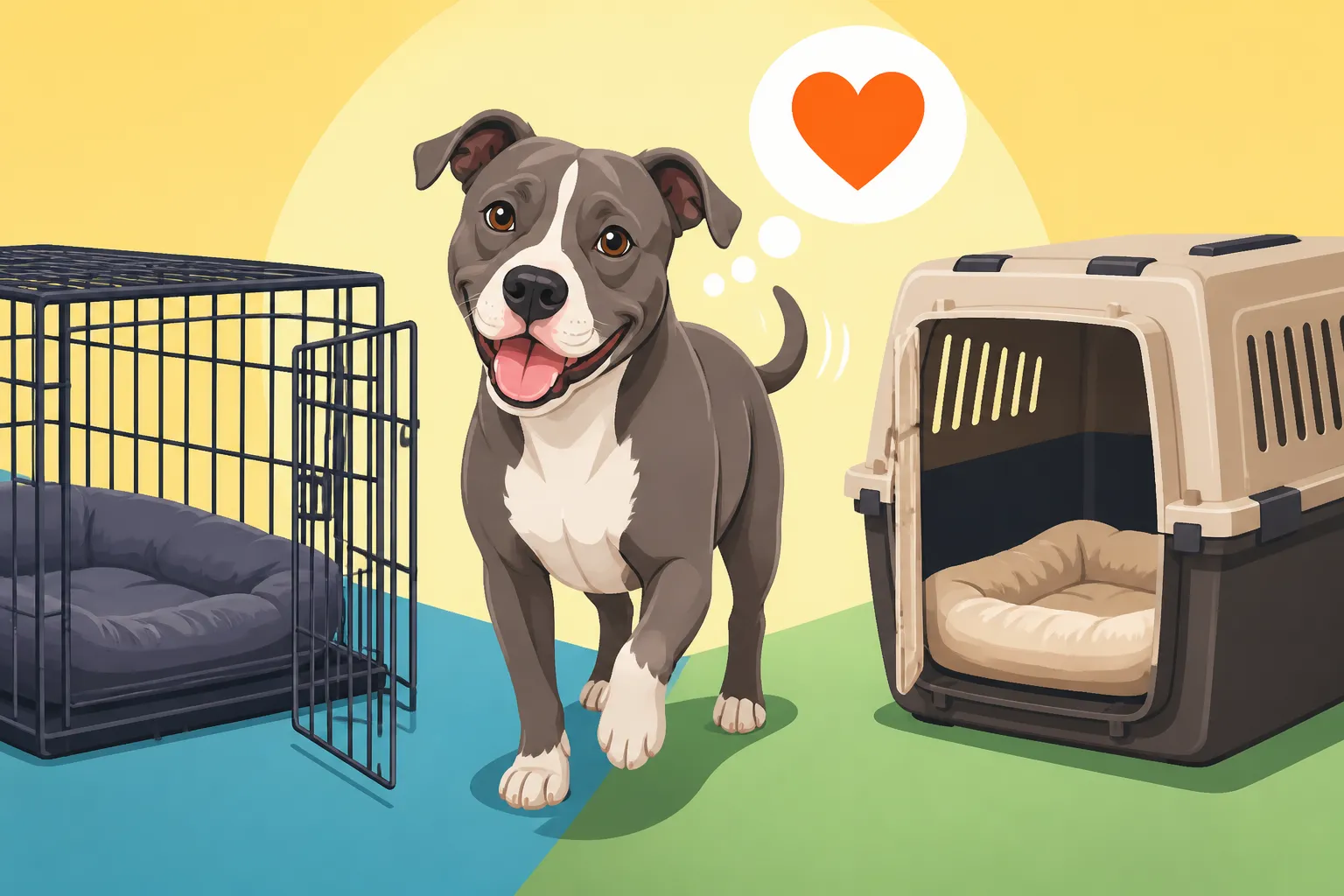
You've tried everything: high-value treats, cozy bedding, gradual introductions, ignoring the cries, and your Pit Bull still acts like the crate is the worst invention ever. This can be incredibly disheartening, but don't give up hope. First, revisit the basics: Is the crate truly the right size? Is it comfortable? Is its location optimal? Have you used only positive reinforcement and never force? Sometimes, simply changing the type of crate (e.g., from wire to a solid plastic airline kennel, which can feel more den-like) or its position can make a difference.
Consider enrolling in an online puppy training course, such as those offered by BAXTER & Bella, which often have dedicated modules on crate training challenges and can offer specific, guided advice. They can help identify subtle cues you might be missing. If your dog is damaging the crate or hurting themselves trying to escape, you may need a specialized, heavy-duty crate. If you're dealing with a Pit Bull that genuinely breaks out of standard crates, then Crate Training a Pit Bull That Breaks Out requires immediate attention to safety and security. Ultimately, if consistent, positive efforts aren't working, seeking guidance from a certified professional dog trainer or veterinary behaviorist is the best next step. They can assess your specific situation and provide tailored strategies.
Advanced Crate Use and Maintaining a Positive Association
Once your Pit Bull is comfortably choosing their crate, the work isn't over! Maintaining that positive association throughout their life is key to ensuring it remains a stress-free sanctuary, not just a place for confinement.
Crate Games and Fun Activities
To keep the crate exciting and enjoyable, incorporate crate games into your routine. These aren't about confinement but about making the crate a source of fun and mental stimulation. Play "go to your crate" where you toss a treat inside, say your cue, and reward them when they enter. Slowly increase the distance from which you send them to their crate. This reinforces the command and makes entering it a rewarding game.
Another idea is a "crate treasure hunt." Hide a few treats or a small toy inside the crate for them to discover. You can also incorporate the crate into trick training. Teach them to "settle" or "lie down" in their crate on command, rewarding them heavily for calm duration. These types of games keep the crate relevant and fun, ensuring it doesn't just become a place they go when you leave. Remember, consistent Positive Reinforcement Training With a Pit Bull helps reinforce good behaviors everywhere, including in the crate.
The Crate as a Safe Retreat, Not Just Confinement
Beyond scheduled crate times, encourage your Pit Bull to view their crate as a voluntary safe space, a personal den they can retreat to anytime they feel overwhelmed, tired, or just need a break. Leave the crate door open when you are home, especially if it’s located in a quiet area of the house (once they are fully comfortable with it). You might be surprised to find them napping there on their own throughout the day.
This is particularly valuable in multi-pet households or homes with young children. The crate offers a personal escape from overstimulation, a place where they know they won't be bothered. This voluntary use reinforces their positive association and builds their confidence in having a personal sanctuary. It's about empowering them with a choice, rather than always imposing confinement. This can also be a valuable tool if you want to teach them to cope with Hours a Pit Bull Copes With on Its Own.
Consistency is Key for a Lifetime of Crate Comfort
The most important factor in maintaining a positive crate association over your Pit Bull’s lifetime is consistency. This means regularly using the crate, even after they are fully house-trained and trustworthy around the house. It could be for short periods when you run errands, overnight, or simply for "quiet time" with a chew toy while you're busy. Sporadic or inconsistent use can erode the positive association you’ve worked so hard to build.
Every family member should be on the same page regarding crate rules and commands. The crate should never be used as punishment, even if your dog has an accident or chews something inappropriate. It should always remain a positive place. Keep it clean, comfortable, and regularly stocked with appealing items. By consistently upholding the crate as a positive, safe, and rewarding space, you ensure that your Pit Bull continues to choose it willingly for years to come.
Here’s a quick summary of common challenges and solutions in crate training:
| Challenge | Common Pitfall | Solution |
|---|---|---|
| Crying/Whining | Responding immediately, letting them out. | Ignore noise; wait for silence; check needs first. |
| Forced Entry | Pushing dog in, closing door too fast. | Lure with high-value treats; allow voluntary entry. |
| Refusal to Enter | Crate is uncomfortable, too small/large. | Ensure proper size, add comfy bedding, cover for den-like feel. |
| Chewing Crate Bars | Boredom, anxiety, insufficient mental stimulation. | Provide long-lasting, safe chews only in crate; address anxiety. |
| Peeing/Pooping in Crate | Crate too large, left too long, not potty trained. | Correct size; shorter crate times; consistent potty breaks. |
| Separation Anxiety | Rushing duration, ignoring distress signals. | Extremely gradual desensitization; professional help; calming aids. |
| Fear of Crate | Negative past experience or punishment use. | Re-introduce with only positive associations, new location/crate type. |
Disclaimer
This article is for general informational purposes only and does not constitute professional advice. Laws, prices and regulations vary by location and change over time. Consult a qualified professional for guidance on your specific situation.