Why a Pit Bull Gets Less Benefit of the Doubt
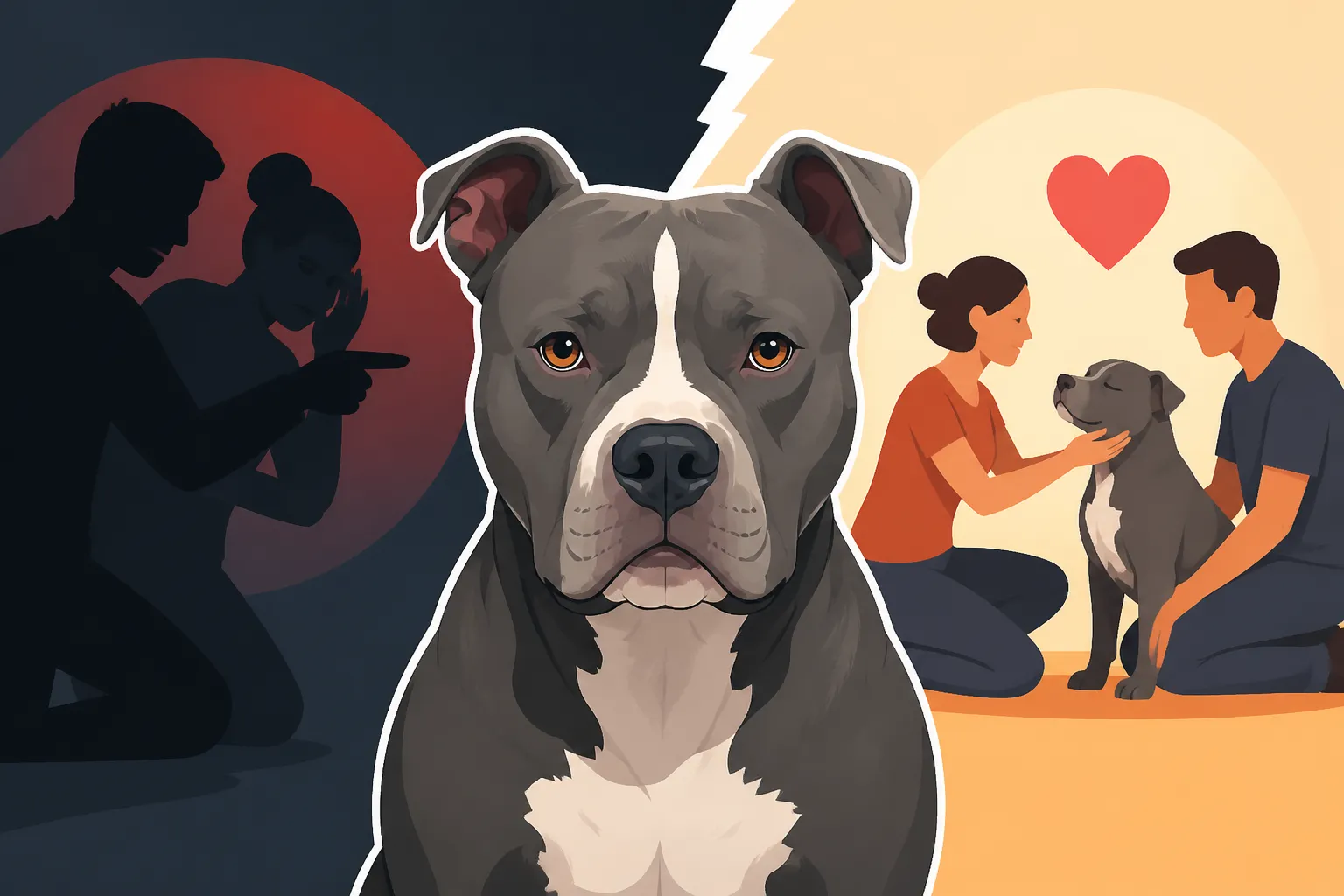
As a Pit Bull owner, you’ve likely felt it: that subtle shift in body language, the quick snatching of a child’s hand, the hurried crossing of the street, or the outright refusal from landlords and insurance companies. It’s the constant, unspoken reality that your loyal, loving companion isn’t just seen as "a dog" by many; they’re seen as "a Pit Bull," and with that label comes an immediate, often unfair, negative assumption. This isn't just frustrating; it's an exhausting burden that forces you to constantly prove your dog's good nature. This guide delves into the deep-rooted reasons why Pit Bulls often get less benefit of the doubt and offers strategies for navigating this challenging social landscape.
The Historical Shadow and Media Narrative
It's impossible to understand the current perception of Pit Bulls without acknowledging the historical events and the media's role in shaping public opinion. What was once a widely embraced companion animal underwent a dramatic shift in public image, and that change still echoes today.
From Valued Companion to Vilified Breed
For decades, Pit Bulls were celebrated as America's dog. They graced military posters during wartime, served as mascots, appeared in popular culture (think Petey from The Little Rascals), and were even depicted as "nanny dogs," known for their patience and gentleness with children. While the "nanny dog" claim is largely a myth in the literal sense – no dog, regardless of breed, should ever be left unsupervised with a child – it speaks volumes about the positive public perception they once held. They were seen as strong, dependable, family-oriented dogs.
However, a darker narrative began to take hold, primarily in the latter half of the 20th century. As dog fighting continued underground, the powerful athleticism and tenacity of Pit Bull type dogs were exploited, leading to their association with brutal activities. When media outlets began focusing on dog bite incidents, particularly those involving dogs identified (often inaccurately) as Pit Bulls, a sensationalized and fear-driven narrative emerged. Headlines often highlighted the breed, even when breed identification was questionable or contributing factors were ignored. This selective reporting amplified negative incidents, cementing a new, terrifying image in the public consciousness. Every story, no matter how isolated, became another piece of evidence against the entire "breed type." It’s a classic case of bad news traveling faster and sticking harder, overshadowing the countless positive interactions and the true temperament of the vast majority of these dogs.
The Impact of Breed Specific Legislation
This growing negative narrative didn't just stay in public opinion; it translated into law. Breed Specific Legislation (BSL), which bans or heavily restricts the ownership of certain breeds (with Pit Bulls being the most common target), began to proliferate across cities and counties. These laws often don't just affect known Pit Bull breeds like the American Pit Bull Terrier or American Staffordshire Terrier, but any dog that looks like a Pit Bull, adding to the unfairness.
BSL didn't just impose legal burdens like mandatory muzzling, sterilization, special permits, or outright bans; it codified negative perceptions into official policy. When a city or county decides a certain "breed" is too dangerous to exist within its limits, it sends a powerful message to its citizens: these dogs are dangerous. This legal framework reinforces the idea that Pit Bulls are inherently risky, regardless of an individual dog's temperament, training, or the responsibility of its owner. It places an unfair burden on loving owners who, even if their dog is a certified therapy animal, must constantly justify its existence and demonstrate its harmlessness. It's a never-ending battle against a systemic prejudice that says, "Guilty until proven innocent," and even then, often just, "Guilty." Where Pit Bull Legislation Still Applies is a tough reality for many.
Visual Cues and Stereotypes
Beyond the historical narrative, the very physical appearance of Pit Bulls plays a significant role in how they are perceived, often triggering fear or apprehension in those unfamiliar with their true nature.
The Strong, Muscular Appearance
Let's be honest: Pit Bulls are powerful dogs. They possess a compact, muscular build, a broad head, and often a very intense, focused gaze. For someone who doesn't know the breed, this can be intimidating. Their strength, while a hallmark of their athleticism and resilience, is often interpreted as a sign of aggression. People might conflate a strong jaw with a "locking jaw" – a myth that has been repeatedly debunked by veterinary experts. Pit Bulls do not have a biological mechanism for locking their jaws; their bite strength, while impressive, is similar to many other large dog breeds.
However, perception is often more powerful than fact. A Pit Bull's natural play style, which can involve enthusiastic body slams, powerful tugging, and robust wrestling, might look alarming to an outsider accustomed to daintier breeds. Their unwavering focus during play or training can be mistaken for aggression or stubbornness. Even an excited, tail-wagging Pit Bull might appear menacing to someone who views their physical characteristics through a lens of fear. Owners constantly face situations where their dog's happy curiosity is misinterpreted as a threat, simply because of their powerful presence. It's a challenging dynamic, as you try to bridge the gap between your dog's gentle reality and a stranger's ingrained apprehension. Pit Bull Weight and Muscle on a Working Frame often contributes to this perception.
Misidentification and Broad Definitions
Perhaps one of the most frustrating aspects of the Pit Bull stigma is the sheer ambiguity of the term itself. "Pit Bull" isn't a single recognized breed by major kennel clubs like the American Kennel Club (AKC). Instead, it's a general term used to describe a type of dog, typically encompassing breeds like the American Pit Bull Terrier (recognized by the United Kennel Club, UKC), the American Staffordshire Terrier (AKC), and sometimes the Staffordshire Bull Terrier, and increasingly, the American Bully. Beyond these, countless mixed-breed dogs with certain physical traits – a blocky head, muscular body, short coat – are indiscriminately labeled "Pit Bulls" by the public, animal control, and even some shelters.
This broad, often inaccurate, identification has profound consequences. When a dog bite incident occurs, if the dog involved looks like a Pit Bull, it's frequently reported as such, regardless of its actual genetic makeup. This inflates statistics attributed to "Pit Bulls," making it seem as though they are disproportionately involved in incidents, when in reality, many different breeds or mixes are being lumped under one umbrella. For an owner, this means your purebred American Staffordshire Terrier or your beloved mutt with a blocky head carries the weight of every misidentified incident. It’s an uphill battle to explain that your dog is a specific breed, or a mix, and not just "a Pit Bull" as defined by the public's often-incorrect visual assessment. Why Pit Bull Is a Type and Not a Breed is a critical piece of this puzzle.
The Burden of Proof on Pit Bull Owners
Because of the entrenched negative perceptions, Pit Bull owners often feel a unique and heavy burden: the need to constantly prove their dog's worthiness. This isn't just about good manners; it's about exceeding expectations in every public interaction.
Proactive Management and Training Imperatives
Unlike owners of some other breeds, a Pit Bull owner knows that their dog's behavior will be scrutinized more intensely. A bouncy golden retriever might be seen as "friendly" if it jumps on a stranger; a Pit Bull doing the same might be perceived as "aggressive" or "out of control." This harsh reality means that Pit Bull owners often feel compelled to train their dogs to an exceptionally high standard. It’s not just about teaching basic commands; it’s about absolute reliability, impeccable leash manners, and bulletproof impulse control.
This dedication manifests in several ways:
- Early and Consistent Socialization: Ensuring puppies are exposed to a wide variety of sights, sounds, people, and appropriate dogs in a positive way. Socializing a Pit Bull Puppy Thoroughly is non-negotiable.
- Rigorous Obedience Training: Beyond "sit" and "stay," many owners focus on advanced recall, a solid "leave it," and a calm "place" command. Resources from online platforms like BAXTER & Bella can be incredibly helpful for structured, positive reinforcement training programs that cater to building a well-behaved companion.
- Impeccable Leash Manners: A pulling Pit Bull, even if playful, reinforces negative stereotypes about their strength and control. Using strong, reliable equipment, such as a well-fitting harness (many excellent options are available on Amazon that are designed for strong pullers), is crucial. Pit Bull Leash Manners and Physical Strength is a constant work in progress for many.
- Muzzle Training: Not because the dog is aggressive, but as a responsible tool for vet visits, crowded public spaces, or travel, proactively addressing public fear and ensuring safety. Muzzle Training Every Pit Bull Should Have can be a game-changer for peace of mind.
This proactive approach isn't just about compliance; it's about being an ambassador for the breed, knowing that every well-behaved Pit Bull helps chip away at the misconceptions. It’s a job that never truly ends, but one born out of deep love and commitment to their dogs.
Constant Advocacy and Education
Every single interaction a Pit Bull owner has with a stranger, a neighbor, or even a friend who expresses apprehension, becomes an opportunity for advocacy. It means patiently answering questions, debunking myths, and demonstrating through their dog's calm demeanor that stereotypes are often baseless. This is an emotional toll that many other dog owners simply don't face. Imagine having to constantly justify your dog's existence, explain its true nature, and defend its reputation.
Owners often find themselves engaging in mini-lectures about the difference between breed and type, the importance of individual temperament, and the unfairness of generalizations. They celebrate achievements like passing the Canine Good Citizen and Why It Matters for a Pit Bull test, knowing that such certifications are powerful tools in proving their dog's reliability. They share positive stories and photos, hoping to counter the endless stream of negative media. This constant educational effort is essential, yet exhausting. It requires an incredible amount of patience, resilience, and a thick skin, all driven by the desire to give their beloved Pit Bull the fair chance and acceptance they deserve.
Navigating Public Perception
Living with a Pit Bull means constantly navigating a world that often views your dog with suspicion. It requires intentional strategies to foster positive interactions and contribute to a more informed public understanding.
Strategies for Positive Encounters
Since you know your Pit Bull will be under more scrutiny, every public outing becomes a strategic mission. It’s not about hiding your dog, but about managing interactions in a way that promotes comfort and safety for everyone, and helps to dispel fear.
Here are some strategies for positive encounters:
- Be an Observant Handler: Always be aware of your surroundings. See that person tensing up ahead? Give them space. Notice a small child approaching? Gently steer your dog away or ask the parents if they'd like to greet him calmly, providing clear guidance on how. This isn't about shame; it's about being a responsible owner who understands and respects public anxieties.
- Master the "Neutral Walk": Teach your Pit Bull to walk politely by your side, ignoring distractions like other dogs, squirrels, or passersby. A dog that is focused on its handler and walking calmly sends a powerful message of control and good manners. Teaching a Pit Bull to Walk Past a Barking Dog is a fantastic skill to develop.
- Polite Greetings, Not Leaping: If someone expresses interest in greeting your dog, ensure your Pit Bull offers a calm "four on the floor" greeting rather than jumping up. You can manage this by asking them to wait until your dog sits, or by giving a treat while the dog is calm. Be ready to politely decline greetings if your dog is overstimulated or if the person seems hesitant.
- Utilize Muzzle Training: As mentioned earlier, a well-conditioned basket muzzle isn't a sign of an aggressive dog, but rather a responsible tool for management. It can provide immense peace of mind in high-stress situations (vet waiting rooms, crowded events) and can significantly reduce public anxiety, allowing people to see your dog's true personality without fear of its powerful jaws.
- Know Your Dog's Limits: Understand when your dog is getting overstimulated or uncomfortable. Don't push them into situations where they might react poorly, as this only reinforces negative stereotypes. If they are showing signs of stress, remove them from the situation calmly.
By consistently demonstrating responsible ownership and proactive management, you're not just ensuring your dog's safety and well-being; you're actively working to change minds, one positive interaction at a time.
Building a Positive Community Image
Beyond individual encounters, you can contribute to a broader shift in public perception by actively engaging your Pit Bull in positive community roles. These activities highlight their true capabilities and loving temperaments.
- Therapy Dog Work: Many Pit Bulls excel as therapy dogs, bringing comfort and joy to hospitals, nursing homes, and schools. Their gentle nature and stable temperament can directly challenge negative stereotypes. Therapy Dog Work With a Pit Bull is a profound way to give back.
- Dog Sports and Activities: Participating in dog sports like agility, obedience, rally, or even dock diving showcases their intelligence, trainability, and athletic prowess. It allows people to see Pit Bulls as capable, joyful athletes rather than menacing figures.
- Community Events: Attending charity walks, local pet expos, or even just being a well-behaved presence at a local outdoor cafe (where dogs are permitted) can normalize their presence and foster positive interactions.
- Support Breed Advocacy Groups: Connecting with local and national Pit Bull advocacy and rescue organizations strengthens the collective voice working to dispel myths and promote responsible ownership. They often have resources and community events that can help. Pit Bull Rescue and Breed Advocacy Groups are invaluable resources.
- Share Your Story: Utilize social media responsibly to share positive stories, photos, and videos of your Pit Bull. Seeing these dogs as beloved family members, enjoying life, can gradually chip away at the fear-based narrative.
It's a marathon, not a sprint, but every time a Pit Bull owner steps out with a well-mannered, happy dog, they are an ambassador. The collective impact of responsible owners demonstrating the true nature of these dogs is the most powerful tool we have against the lingering prejudice.
Pit Bull Stereotypes: Perception vs. Reality
Here's a quick look at some common stereotypes and the reality experienced by many Pit Bull owners:
| Perceived Stereotype | Reality (for a well-raised Pit Bull) |
|---|---|
| Aggressive & Dangerous | Generally sweet-natured, people-focused, and eager to please. |
| Unpredictable | Can be very stable and predictable with proper training and socialization. |
| Uncontrollable Strength | Highly trainable and intelligent, capable of advanced obedience. |
| Locking Jaws | A myth; no biological locking mechanism. Strong bite force, like many breeds. |
| Only Good for Fighting | Excels as family companions, therapy dogs, and in various dog sports. |
| High Prey Drive, Unsafe with Small Animals | Prey drive varies by individual; many coexist peacefully with cats or smaller dogs. |
| Unsuitable for Families/Children | Many are patient and loving with children when properly supervised and trained. |
This article is for general informational purposes only and does not constitute professional advice. Laws, prices and regulations vary by location and change over time. Consult a qualified professional for guidance on your specific situation.