The Age Pit Bull Dog Selectivity Usually Appears
It’s a common scenario: your sweet, social Pit Bull puppy, who loved every dog it met, suddenly starts to give certain dogs the cold shoulder, or even react negatively. This shift in social dynamics can be incredibly unsettling for owners who cherish their dog’s friendly nature and leads to a lot of questions about what's happening and why. This guide will walk you through the typical age when "dog selectivity" tends to emerge in Pit Bull type dogs and what you can do to navigate this often-challenging phase.
Understanding Dog Selectivity in Pit Bulls
First, let's get clear on what we mean by "dog selectivity." This isn't necessarily aggression in the traditional sense, but rather a preference to interact only with certain dogs, or perhaps no dogs at all, outside of their established household companions. It’s a nuanced behavior where a dog might tolerate some individuals, actively dislike others, and simply ignore the rest. For Pit Bulls and similar breeds, this trait is often deeply rooted in their history and genetics, making it a common characteristic rather than a behavioral flaw unique to your individual dog. It speaks to a certain maturity and discerning nature that develops as they leave puppyhood behind.
This isn't to say every Pit Bull will become dog selective, or that those who do are "bad" dogs. Far from it. Many Pit Bulls live wonderfully harmonious lives with other dogs, especially within their own families. However, it's a predisposition that owners should be aware of, much like certain breeds are predisposed to herding or guarding behaviors. The origins of Pit Bull type dogs involved tasks that often required them to be tenacious and focused, and while this has been selectively bred out of reputable lines focused on companionship, the genetic blueprint can still influence social dynamics with other canines. Understanding What Dog Selectivity Means in a Pit Bull is crucial for responsible ownership and managing expectations. It's about recognizing that your dog's social circle might naturally shrink as they mature, and that's okay.
It's important to distinguish this from fear-based reactivity or poor socialization. While those can also lead to issues with other dogs, dog selectivity often stems from a lack of inherent desire to engage with unfamiliar canines, or even a protective instinct towards their own space, resources, or humans. It's less about being scared and more about a preference for their own kind, or simply a lack of interest in the boisterous, often rude, greetings of unknown dogs.
The Typical Onset of Dog Selectivity
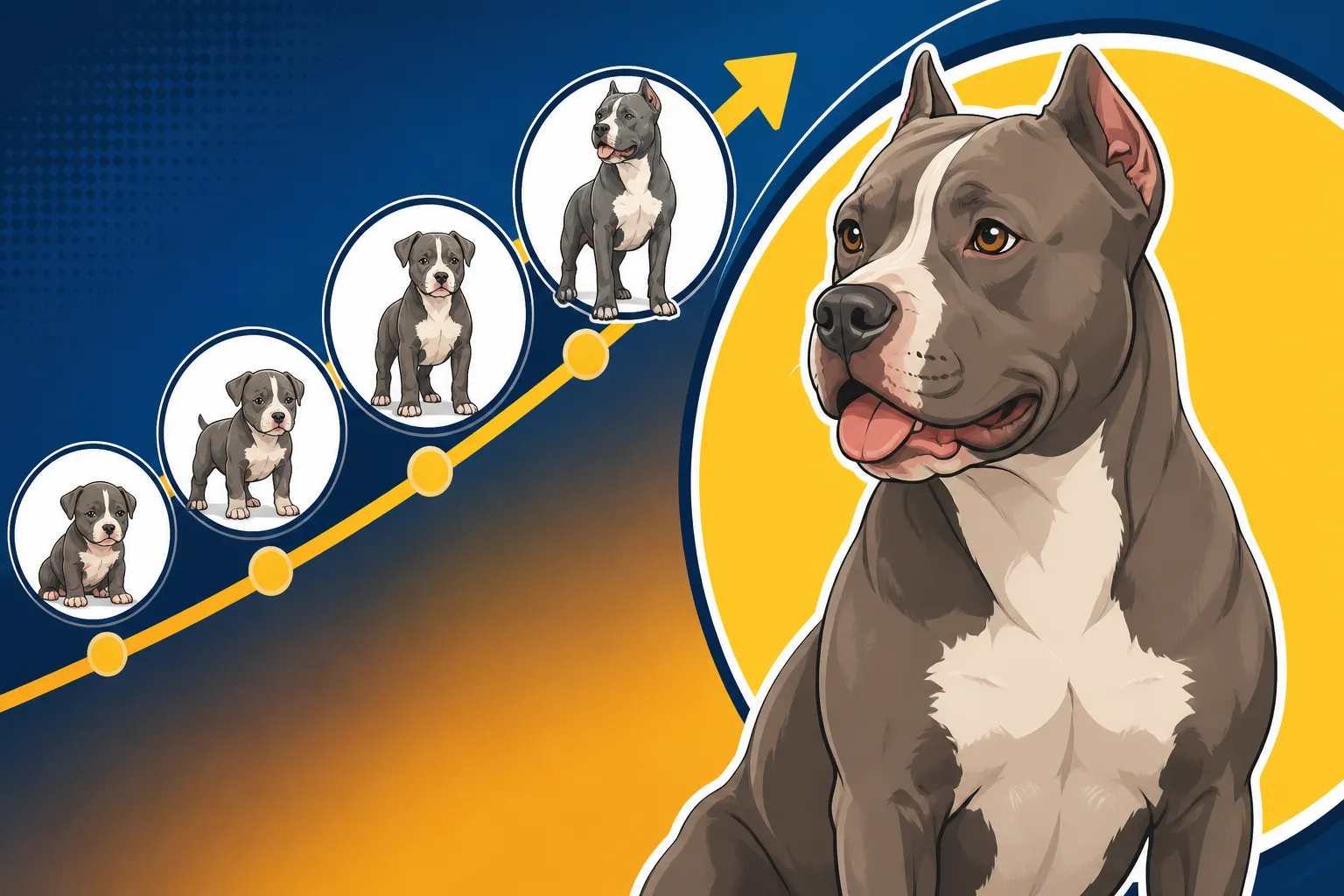
The age at which dog selectivity typically appears in Pit Bull type dogs can vary quite a bit, but there’s a general window that most owners report. This isn't usually something you see in a tiny puppy, bouncing around with reckless abandon. Instead, it often starts to manifest during the transition from puppyhood to adolescence and young adulthood, a period of significant hormonal and social development.
For many Pit Bull owners, the first signs begin to emerge somewhere between 18 months and 3 years of age. This is a time when dogs are no longer "kids" but haven't fully settled into mature adulthood either. Think of it like human teenagers: they start to develop stronger preferences, become more discerning about their friends, and may be less tolerant of certain behaviors from peers. For a Pit Bull, this might mean that the dog who loved everyone at the dog park now gives a hard stare to an approaching canine, or actively tries to avoid interaction. They might start to show subtle discomfort signals, like lip licks, yawns, or turning their head away, before escalating to more overt reactions if their signals are ignored. The age a Pit Bull starts pushing back is often exactly when these new social boundaries begin to appear.
It's a process, not an overnight switch. You might notice a gradual change over several months. Perhaps they become less enthusiastic about meeting new dogs, or they seem more particular about who they'll play with. A playful nip that was once ignored might now trigger a low growl. This period coincides with sexual maturity, even if your dog has been spayed or neutered. Hormonal changes still play a role in brain development and social responses. It’s a critical time for owners to observe closely and adjust their management strategies. Ignoring these early signs can inadvertently reinforce the behavior, making future interactions more challenging.
Recognizing the Signs of Emerging Dog Selectivity
Catching the early signs of dog selectivity is absolutely key to managing it effectively. It's often not a sudden, dramatic explosion of aggression, but a series of subtle cues that build over time. As an owner, your job is to become a keen observer of your dog's body language. What might look like "just being quiet" or "a bit stand-offish" could actually be your Pit Bull communicating its discomfort or disinterest.
One of the first things you might notice is a change in their play style with other dogs. Where they once engaged in boisterous, all-in play, they might become more reserved, or even rigid, during interactions. Look for:
- Stiffening of the body: A sudden freeze or tension when another dog approaches or tries to initiate play.
- Hard stares: Direct, unwavering eye contact, often accompanied by a closed mouth or slightly wrinkled brow. This is very different from the soft, blinking gaze of a friendly dog.
- Lip licking or yawning: Inappropriate lip licking or yawning when no food is present or the dog isn't tired. These are common appeasement or stress signals.
- Turning away or avoidance: Actively trying to put space between themselves and another dog, or stiffly walking away when approached.
- Resource guarding: This can sometimes emerge or intensify around the same time. If your Pit Bull starts to guard toys, food, or even your attention more fiercely from other dogs, it's a red flag. Pit Bull Food Bowl Guarding or resource guarding toys could be an early indicator of a broader shift in how they view sharing their world with other canines.
- Changes in vocalization: A low growl when a previously tolerated dog gets too close, or a quick snap with no actual contact.
It's also essential to observe your dog in different environments. Are they only selective in high-stress areas like a busy dog park, or are they showing these signs even with dogs they know in a familiar, calm setting? This information can help you tailor your management approach.
Here's a simple comparison of typical friendly play versus early signs of dog selectivity:
| Behavior Aspect | Typical Friendly Play (Puppy/Tolerant Adult) | Early Signs of Dog Selectivity (Adolescent/Young Adult) |
|---|---|---|
| Body Posture | Loose, wiggly, bouncy, often bowing | Stiffening, freezing, high tail, rigid stance |
| Eye Contact | Soft, blinking, averted, looking away | Hard stare, direct, unblinking, often with a furrowed brow |
| Mouth/Facial | Open, "smiley" mouth, relaxed jaw, soft eyes | Closed mouth, tight lips, sometimes lip licking, yawning, tense |
| Vocalization | Play barks, growls, whines (often high-pitched) | Low, rumbling growl, sharp bark, quick snap (no contact) |
| Interaction | Reciprocal, takes turns, breaks play, seeks re-engagement | One-sided, avoids interaction, attempts to create distance, pushes away |
Being able to Reading a Pit Bull Before a Scuffle Starts by understanding these subtle cues is invaluable. It allows you to intervene before a situation escalates, reinforcing trust with your dog and keeping everyone safe.
Proactive Management and Training Strategies
Once you recognize that your Pit Bull is becoming dog selective, the goal isn't necessarily to force them to love every dog they meet. Instead, it’s about responsible management and training to ensure their safety and the safety of others, while maintaining a low-stress life for your dog. This means shifting your expectations and adopting strategies that acknowledge their preferences.
1. Prioritize Controlled Environments and Introductions:
Gone are the days of casual dog park visits if your Pit Bull is showing signs of selectivity. Instead, focus on controlled, calm introductions with known, stable dogs. Parallel walks, where your dog walks alongside another dog at a comfortable distance without direct interaction, can be a fantastic way to build positive associations. If you have another dog at home, consider management strategies like Crate and Rotate as a Pit Bull Management Plan during unsupervised times or around high-value resources. This isn't a punishment; it's a safety measure. For safe and durable management tools, like a heavy-duty crate or a reliable long line for controlled outdoor exercise, Amazon offers a wide range of options that can withstand a determined Pit Bull.
2. Continue Positive Reinforcement Training:
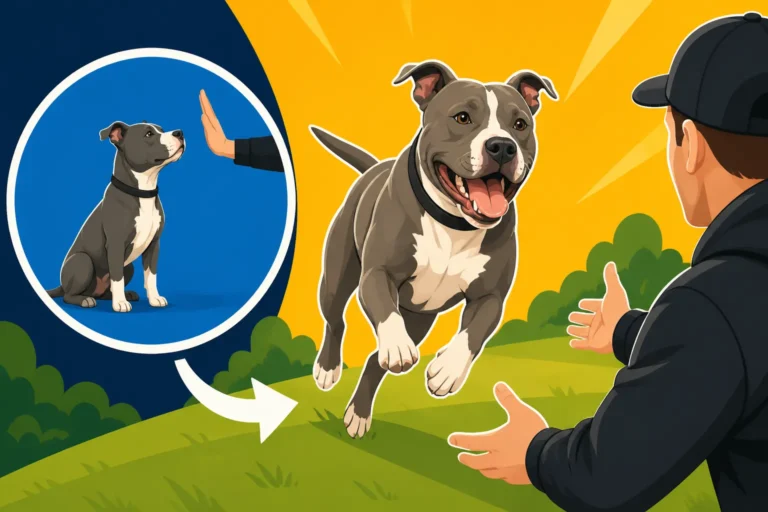
Even if your Pit Bull is becoming dog selective, consistent positive reinforcement training is paramount. Focus on reinforcing calm behavior around other dogs, even from a distance. Use high-value treats and praise when your dog notices another dog but chooses to remain calm, look at you, or walk past without reacting. Building a strong recall and a solid "leave it" command will be lifesavers. A reputable online training program, such as those offered by BAXTER & Bella, can provide structured guidance for these essential commands, even if they're not specifically geared towards dog selectivity, the foundational skills are invaluable. Positive Reinforcement Training With a Pit Bull should be a lifelong commitment.
3. Choose Playmates Wisely (or Not at All):
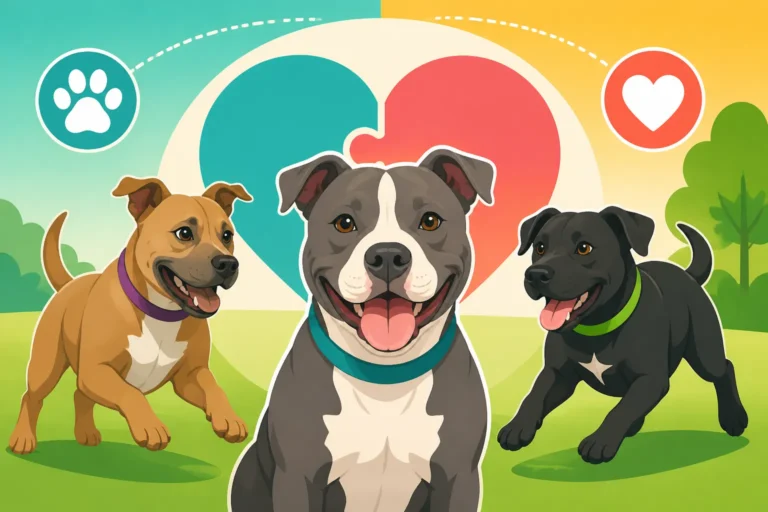
Understand that Whether a Pit Bull Belongs at a Dog Park is a nuanced question. For a dog-selective Pit Bull, the answer is usually no. Dog parks are unpredictable environments where over-socialized or poorly managed dogs can easily trigger a selective dog. Instead, if your dog truly enjoys canine companionship, carefully Matching a Pit Bull With the Right Playmate is essential. Look for calm, stable dogs with compatible play styles, and always supervise interactions closely. Short, structured playdates with one trusted dog in a secure, neutral environment are far safer and more beneficial than free-for-alls.
4. Advocate for Your Dog:
You are your dog's biggest advocate. Don't be afraid to create distance from other dogs, politely decline off-leash greetings, or leave a situation if your dog shows signs of discomfort. Equip yourself with the right tools, such as a well-fitting harness or head halter, and a strong, non-retractable leash. This allows you to maintain control and prevent unwanted interactions.
5. Consider Professional Guidance:
If you're struggling to manage your Pit Bull's dog selectivity, don't hesitate to consult with a certified professional dog trainer or a veterinary behaviorist experienced with Pit Bull type dogs. They can provide personalized advice, help you identify specific triggers, and develop a tailored training and management plan. Early intervention and consistent effort can make a huge difference in ensuring your dog lives a happy, well-adjusted life.
Dog selectivity is a common trait, not a failure on your part or your dog's. With understanding, proactive management, and consistent training, you can ensure your Pit Bull thrives, even if their social circle with other dogs becomes a little more exclusive.
Disclaimer
This article is for general informational purposes only and does not constitute professional advice. Laws, prices and regulations vary by location and change over time. Consult a qualified professional for guidance on your specific situation.