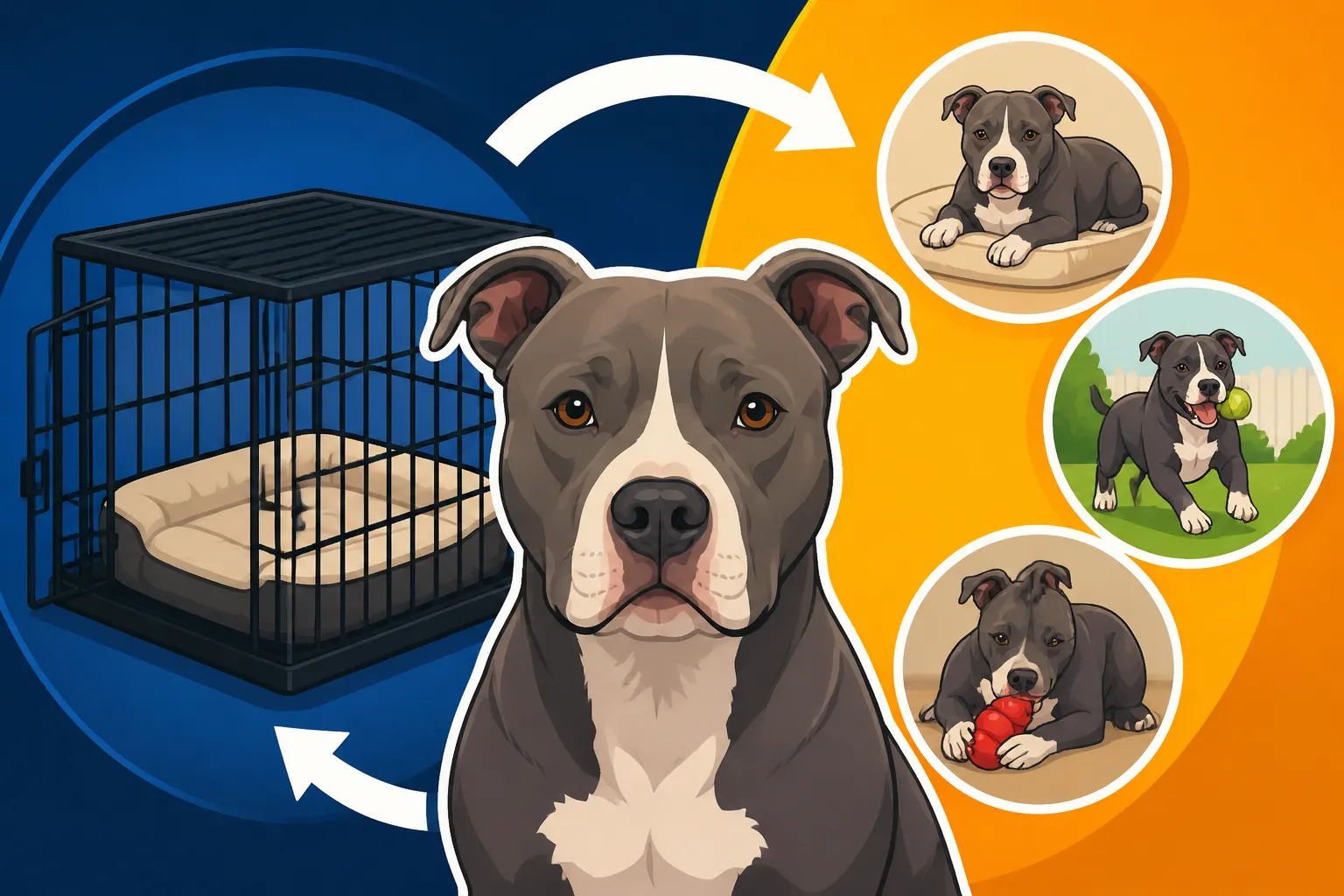
Crate and Rotate as a Pit Bull Management Plan
For many Pit Bull owners, the dream of a multi-dog household living in perfect harmony is a beautiful one, but the reality can be a tangled mess of different personalities and potential conflicts. When you have two or more dogs, especially strong-willed or dog-selective Pit Bulls, simply hoping they'll get along can lead to immense stress, fear of incidents, and even injury. This guide will walk you through the practical, sanity-saving strategy of "crate and rotate," offering a realistic management plan to ensure safety and peace for all your beloved companions.
Understanding "Crate and Rotate" for Pit Bulls
When we talk about managing multiple dogs, particularly Pit Bull types who can be famously dog-selective, it's easy to feel like you've failed if they can't free-roam together 24/7. But that's just not realistic for many homes. "Crate and rotate" isn't a sign of failure; it's a responsible, proactive management strategy designed to prevent incidents and create a predictable, stress-free environment for everyone involved. It acknowledges that not all dogs are meant to be best friends, and that's okay. Your job is to facilitate safe coexistence.
What Crate and Rotate Truly Means
At its heart, crate and rotate simply means that your dogs are never unsupervised together. You manage their interactions by ensuring that while one dog (or group of dogs) is out in the main living space, the other is securely contained, often in a crate, a separate room, or behind a sturdy barrier. This isn't just about preventing fights; it's about reducing underlying tension, managing excitement, and giving each dog individual downtime and attention without the pressure of another dog's presence. It creates a clear structure that dogs often thrive on, knowing when it's their turn for freedom and when it's time to rest.
It's a system that requires diligence and commitment, certainly, but the payoff is a safer, calmer household. Imagine your morning routine: one dog gets to stretch its legs, go for a walk, and get some cuddles, while the other is happily chewing a Kong in its crate. Then, you swap them over, giving the second dog its turn. This rotational freedom ensures both dogs get their needs met, but in a controlled, staggered manner. The aim is not to make them love each other, but to create an environment where they don't have to constantly navigate potential conflicts, allowing them to relax independently.
For many Pit Bull owners, this approach is a game-changer. These are powerful dogs, and even minor disagreements can escalate quickly if management isn't top-notch. By implementing a strict crate and rotate system, you take the guesswork out of their interactions, dramatically reducing the chances of a scuffle over a toy, a prime napping spot, or even just passing too closely in a narrow hallway. It requires a lot of forethought, but the peace of mind it offers is invaluable, especially if you have Whether two Pit Bulls can share a house.
Why Pit Bulls Often Need This Approach
Pit Bulls, while incredibly loving and devoted to their human families, can often be what we call "dog selective." This isn't an accusation; it's a recognized trait within the broader Pit Bull type. It means they might not get along with every dog they meet, or they might have specific triggers that cause friction. Sometimes it’s simply a difference in play styles – a boisterous Pit Bull might unintentionally overwhelm a more sensitive dog, leading to resentment and eventual conflict. Pit Bull Dog Selectivity Explained delves deeper into this trait.
Furthermore, many Pit Bulls possess a strong prey drive. While this isn't usually directed at other dogs in the household, high arousal from chasing a squirrel outside or even a fast-moving toy indoors can sometimes "spill over" and make them less tolerant of another dog's presence, especially if that dog is also getting excited. This isn't aggression for aggression's sake; it's often a complex interplay of genetics, individual personality, past experiences, and how well their energy is managed. Without a proper management plan like crate and rotate, these subtle differences can build up, eroding the foundation of coexistence.
The physical strength of a Pit Bull also plays a significant role. Even if two dogs have only minor disagreements, the sheer power behind a Pit Bull means that a "minor scuffle" can quickly become a serious incident with injuries. Because of this, Pit Bull owners often have a higher burden of responsibility to ensure their dogs are managed impeccably. Crate and rotate isn't about blaming the dog; it's about acknowledging their innate traits and providing a structured environment that sets everyone up for success. It’s about being realistic about what your dogs can handle and making choices that prioritize their safety and well-being.
When Crate and Rotate Becomes Necessary
Crate and rotate isn't just for households where dogs are actively fighting. It becomes necessary in a range of scenarios, often long before open conflict erupts. One common indicator is persistent tension, even if subtle. This might manifest as one dog constantly guarding resources (toys, food bowls, prime resting spots), stiff body language, prolonged stares, or a general sense of unease when both dogs are out simultaneously. If you're constantly feeling like you need to "supervise" every moment they're together, it's a huge sign. Reading a Pit Bull Before a Scuffle Starts can help you identify these early warning signs.
Another crucial time for crate and rotate is when introducing a new dog to the household, especially if you already have a Pit Bull, or if you're bringing a Pit Bull into a home with existing dogs. Bringing a Pit Bull Into a House With a Dog highlights the importance of slow, managed introductions. Until you are absolutely certain of their compatibility, and sometimes even then, a rotation system is paramount for safety. This includes scenarios where you might have Same-Sex Pairs and Pit Bull Households, which can sometimes present unique challenges.
Finally, any actual incident, no matter how "minor" it seemed, should be a definitive trigger for implementing a crate and rotate system immediately. It means your current management isn't sufficient, and waiting for the next, potentially more serious, incident is not an option. Even if the dogs previously coexisted peacefully, changes in age, health, or even a stressful event can alter dynamics, making crate and rotate a necessary, long-term solution. It's about being proactive rather than reactive, prioritizing safety above all else.
Setting Up Your Home for Crate and Rotate Success
Implementing a crate and rotate system effectively means preparing your physical space and having the right equipment. This isn't about shoving a dog in a laundry room and hoping for the best; it's about creating comfortable, secure, and stimulating individual spaces for each dog, as well as safe zones for their rotational freedom. A well-designed setup reduces stress for both humans and dogs and minimizes the risk of accidental encounters.
Essential Equipment
First and foremost, you'll need sturdy, secure crates. For Pit Bulls, standard wire crates, while useful for some, might not hold up to a determined escape artist or a dog experiencing frustration. Look for heavy-duty, impact-resistant crates. These are often made of thick steel or durable plastic, designed to prevent escapes and injuries. Brands like Impact Dog Crates or Ruffland Kennels are often recommended for their robustness, though you can find many good options on platforms like Amazon. Remember, a crate should be a safe haven, not a punishment, so ensure it's adequately sized for your dog to stand, turn around, and lie down comfortably. If you've had issues with breakouts, check out The Crate a Pit Bull Cannot Break Out Of for specific recommendations.
Beyond crates, consider other containment tools. Baby gates can be incredibly useful for sectioning off areas, but for strong Pit Bulls, you’ll need pressure-mounted gates designed for wider openings or hardware-mounted gates for extra security. Exercise pens (x-pens) can create temporary safe zones in a yard or large room, but again, ensure they are tall and sturdy enough to prevent jumping or pushing through. Having durable chew toys, puzzle feeders, and comfortable bedding for each dog's confined space is also crucial. These items will help keep them content and mentally stimulated when it's their turn to be crated or behind a barrier, preventing A Pit Bull That Destroys Furniture When Alone.
Finally, leashes and collars are essential for transitions. Even if your dogs are normally well-behaved on a leash, having them leashed during rotation ensures maximum control. A sturdy, non-slip collar or a well-fitting harness is vital. Consider having a "house line" on the dog that is out and about – a lightweight leash that drags on the floor, allowing you to easily and quickly grab them if needed without reaching for their collar. This small detail can make a huge difference in managing unexpected movements or distractions during swaps.
Creating Safe Zones
Creating safe zones within your home involves designating specific areas where each dog can relax and roam freely without encountering the other. This usually means dedicating entire rooms, or well-defined sections of rooms, to individual dogs. For instance, Dog A might have access to the living room and kitchen, while Dog B has the den and a bedroom. These zones must be completely separate, with secure barriers that cannot be breached by either dog. This is where those heavy-duty crates and secure baby gates truly earn their keep.
Think about the flow of your home. Are there hallways that can be easily sectioned off? Is there a spare bedroom or a quiet basement space that can become one dog's sanctuary? The goal is to minimize accidental meetings. You'll need to double-check that windows in these zones are secure, especially if a dog gets highly aroused by outside stimuli, and that there are no chewable hazards within reach. For example, if Dog A is allowed in the kitchen, ensure Dog B's food and water bowls are not visible or accessible to Dog A, as this could create resource guarding issues even when they're not physically together.
Each safe zone should be equipped with everything the dog needs: fresh water, comfortable bedding, and appropriate toys. This isn't just about containment; it's about providing a positive, enriching environment for each dog during their "out" time. By establishing these distinct territories, you give each dog a sense of ownership and security, reducing anxiety and making the rotation process much smoother. It's about turning a potential source of stress into a comfortable, predictable routine.
Managing Entry and Exit Points
One of the most critical aspects of a successful crate and rotate system is flawless management of entry and exit points. This is where most accidental encounters happen, and where diligence is absolutely non-negotiable. Every door, gate, or crate latch must be treated as a potential breach point. Before opening any door that leads to another dog's space, or before letting a crated dog out, you must confirm the other dog is secured. This often means developing a strict "buddy system" or a mental checklist for yourself.
A practical tip is to always have one dog on a leash when performing transitions, even if it’s just moving from a crate to a different room. This gives you immediate control. Consider using a double-barrier system for high-traffic areas or where dogs might pass each other. For example, two baby gates separated by a small hallway space can provide an extra layer of security. This means if one gate is accidentally left open, there’s still another barrier preventing contact. This strategy can save a lot of heartache.
It's also essential to communicate with everyone in the household about the system. Family members, guests, and even pet sitters need to understand the importance of never allowing two dogs to be loose together and the specific protocol for opening and closing doors and gates. Visual cues, like colored tags on leashes or specific crate covers, can help distinguish which dog is where. Consistency is paramount here; one lapse in judgment can undo weeks or months of careful management, potentially leading to a dangerous incident. This strict adherence to protocol is key for maintaining a safe environment and preventing stress for both dogs and humans.
The Daily Mechanics of Crate and Rotate
Once your home is set up with safe zones and proper equipment, the next step is to master the daily execution of the crate and rotate system. This involves establishing a clear schedule, executing transitions smoothly, and ensuring that all dogs, whether crated or free, are receiving adequate physical and mental stimulation. It’s a dance that requires rhythm and consistency, but once you get it down, it becomes second nature.
Developing a Rotation Schedule
Creating a consistent rotation schedule is the backbone of this management plan. It takes away the guesswork and provides a predictable routine that your dogs will quickly learn to anticipate. Start by mapping out your day: when do you wake up? When do you need to leave for work? When do you get home? When are mealtimes, potty breaks, and exercise sessions? Then, slot each dog into these time frames. For example:
| Time Slot | Dog A Activity | Dog B Activity | Notes |
|---|---|---|---|
| 6:00 AM – 7:00 AM | Out, Potty, Breakfast | Crated (with Kong) | Supervised |
| 7:00 AM – 8:00 AM | Crated (with Kong) | Out, Potty, Breakfast | Supervised transition |
| 8:00 AM – 12:00 PM | Crated | Crated | Both contained while owners are away or busy |
| 12:00 PM – 1:00 PM | Out, Potty, Walk | Crated (with bone) | Mid-day check |
| 1:00 PM – 5:00 PM | Crated | Crated | Both contained |
| 5:00 PM – 6:00 PM | Out, Potty, Play | Crated | Supervised |
| 6:00 PM – 7:00 PM | Crated (dinner) | Out, Potty, Play | Supervised transition, dinner for Dog B |
| 7:00 PM – 9:00 PM | Out with family | Crated (chew) | Alternating evening cuddles |
| 9:00 PM – 10:00 PM | Crated for the night | Out, final potty | Final transition |
This is just an example, of course, and you'll need to tailor it to your specific dogs and lifestyle. The key is consistency. Dogs thrive on routine, and knowing when their turn is coming helps reduce anxiety and frustration. Make sure the schedule is written down and visible for everyone in the household. It might feel rigid at first, but it quickly becomes second nature, transforming a chaotic household into a calm, organized one.
Effective Transitions
The moments when you are swapping dogs from a crated space to a free-roaming area (and vice versa) are the highest risk times. These transitions need to be executed with precision and calm. The goal is to ensure the dogs never cross paths, even for a second, and that excitement levels remain low. Always start by securing the dog that is currently loose before releasing the crated dog. This might mean having the loose dog on a leash and tethered, or safely behind a double-gated area.
Consider using a specific verbal cue, like "kennel up" or "place," to get the dog you are putting away to move into their crate willingly. Reward them generously for doing so. Once they are securely inside, double-check the latch, then and only then, retrieve the dog that is waiting for their turn. Keep your own energy calm and deliberate during these swaps. Rushing or showing anxiety can transfer to your dogs, raising their arousal levels and increasing the risk of an incident. It is about a seamless, controlled movement from one secured space to another.
For dogs that are particularly excitable during transitions, consider having a valuable chew toy or a stuffed Kong ready in their crate before they go in. This provides a positive distraction and makes the crating process more pleasant. Similarly, for the dog being released, a quick game of fetch in a separate room can help them burn off pent-up energy before they settle into their free-roam time. Effective transitions are a practiced skill, and the more consistently you execute them, the smoother and safer they will become, giving you more confidence in your Crate training a Pit Bull that breaks out routine.
Enrichment for Crated Dogs
The idea of having a dog crated for significant periods can worry some owners, but a properly managed crate and rotate system ensures that crated time is productive and enriching, not just confinement. The key is providing ample physical exercise and mental stimulation when the dog is out, and then ensuring the crated time is also stimulating or restful. This means offering appropriate chew toys, puzzle feeders, and even quiet training sessions that can be done in the crate. For durable chew toys that stand up to strong Pit Bull jaws, look for brands on Amazon known for their robustness.
Puzzle feeders filled with a portion of their meal or treats can turn crated time into a mental workout. Slow-feed bowls are also excellent for extending mealtime and engaging their brains. For Pit Bulls who might get bored and destructive, durable bones or bully sticks (always supervised, especially if new to them) can provide hours of quiet entertainment. Remember, the crate should be a positive space. Never use it for punishment.
Think about how you can integrate short, positive training sessions even when one dog is crated. This could be practicing simple cues, working on scent games, or just having quiet cuddle time inside their safe zone. Websites like BAXTER & Bella offer online training programs that can provide structured enrichment ideas you can adapt for your crated dog. The goal is to make the crated time a predictable, comfortable part of their day, where they can either relax deeply or engage in satisfying, solitary activities, rather than just waiting for their turn.
Living with Crate and Rotate: Challenges and Rewards
Adopting a crate and rotate lifestyle is a significant commitment, and it comes with its own set of challenges. However, the rewards, especially for Pit Bull owners striving for peace and safety in a multi-dog household, far outweigh the difficulties. It requires discipline, consistency, and a realistic understanding of your dogs' individual needs and limitations.
Common Pitfalls and How to Avoid Them
One of the biggest pitfalls in a crate and rotate system is human complacency. When things are going smoothly for weeks or months, it's easy to let your guard down, to think "just this once" they can both be out for a minute. That "just this once" is often when accidents happen. Maintain your strict adherence to the schedule and protocols, even when you're tired or distracted. Remember, consistency is not just for the dogs; it's for the humans too. Another pitfall is inadequate equipment. A flimsy baby gate that gets pushed open, or a crate that a clever Pit Bull figures out how to escape from, can lead to devastating consequences. Regularly inspect all your containment devices for wear and tear, and upgrade them if necessary.
Fatigue is also a real challenge. Managing multiple dogs this way can be demanding, especially if you have a busy lifestyle. It's crucial to acknowledge this and build in systems to support yourself. Can another family member help with certain rotations? Can you hire a trusted pet sitter who understands and will adhere to your strict protocols? Don't try to be a superhero; acknowledge when you need help. Also, be mindful of "barrier frustration," where dogs get overly excited or anxious when they can see or hear the other dog but can't interact. This might require additional visual barriers or sound masking to help them settle.
Finally, avoid emotional guilt. Many owners feel bad for crating their dogs. Remember, you are providing a safe, predictable, and ultimately less stressful life for them. A dog that is safely crated and resting is often happier and more secure than one constantly navigating potential conflict with another dog. By understanding and proactively addressing these pitfalls, you can maintain a successful and sustainable crate and rotate system.
Benefits Beyond Safety
While safety is the primary driver for implementing a crate and rotate system, the benefits extend far beyond simply preventing fights. One major advantage is a significant reduction in overall household stress. When dogs don't have to constantly be "on guard" around each other, they can truly relax. This lower stress environment benefits humans too; you no longer have to constantly monitor every interaction, allowing you to enjoy your dogs more. This peace of mind is invaluable for any Pit Bull owner, especially when navigating Whether a Pit Bull is a reasonable first dog.
Crate and rotate also allows for crucial individual attention. Each dog gets dedicated one-on-one time for walks, training, cuddles, and play without the distraction or competition of another dog. This strengthens your bond with each individual dog and allows you to tailor activities to their specific needs and preferences. For example, one Pit Bull might love intense flirt pole sessions, while another prefers calm sniffing walks. This system makes it easy to provide both without interference. For structured training, resources like BAXTER & Bella can help you maximize that one-on-one time.
Furthermore, it can help prevent the escalation of minor tensions. Often, small grievances between dogs, like resource guarding over a favorite chew or a prime sleeping spot, can fester and grow into larger issues. By rotating dogs, these resources are always available to the "out" dog without competition, eliminating many common triggers. It creates a structured approach to prevent issues before they even start, leading to a much more harmonious home environment, even if that harmony is achieved through careful management rather than free-flowing interaction.
When to Re-evaluate or Seek Professional Help
While crate and rotate is an excellent management tool, it's not a set-it-and-forget-it solution. You should regularly re-evaluate your system to ensure it's still effective for your dogs as they age and their dynamics potentially shift. Are there new tensions emerging? Is one dog showing increased stress or frustration when crated or during transitions? Has a health issue changed a dog's tolerance levels? Answering these questions honestly will help you make necessary adjustments. For example, an older Pit Bull with Arthritis in a Pit Bull at seven might need more frequent, shorter turns out of the crate, or their needs for rest might increase.
If you find that despite your best efforts, the dogs are showing increased anxiety, frustration, or attempts to breach barriers, or if you've had an accidental encounter, it's a clear sign that you need professional intervention. This isn't a failure on your part, but an acknowledgment that some behavioral issues require expert guidance. A certified professional dog trainer or a veterinary behaviorist experienced with Pit Bulls can assess your specific situation, offer tailored advice, and help you refine your management plan or address underlying behavioral concerns. Finding a trainer experienced with Pit Bulls is crucial here; look for someone who understands breed-specific traits and positive reinforcement methods.
Sometimes, professional help might involve re-evaluating the long-term feasibility of a multi-dog household, or exploring advanced training techniques that go beyond basic management. They might suggest specific counter-conditioning protocols to help dogs tolerate each other's presence from a distance, or introduce new enrichment strategies. Don't hesitate to seek help; it's a sign of a responsible owner committed to the well-being of all their animals. The goal is always to create the safest, happiest environment possible for every member of your family, furry or otherwise.
Disclaimer
This article is for general informational purposes only and does not constitute professional advice. Laws, prices and regulations vary by location and change over time. Consult a qualified professional for guidance on your specific situation.