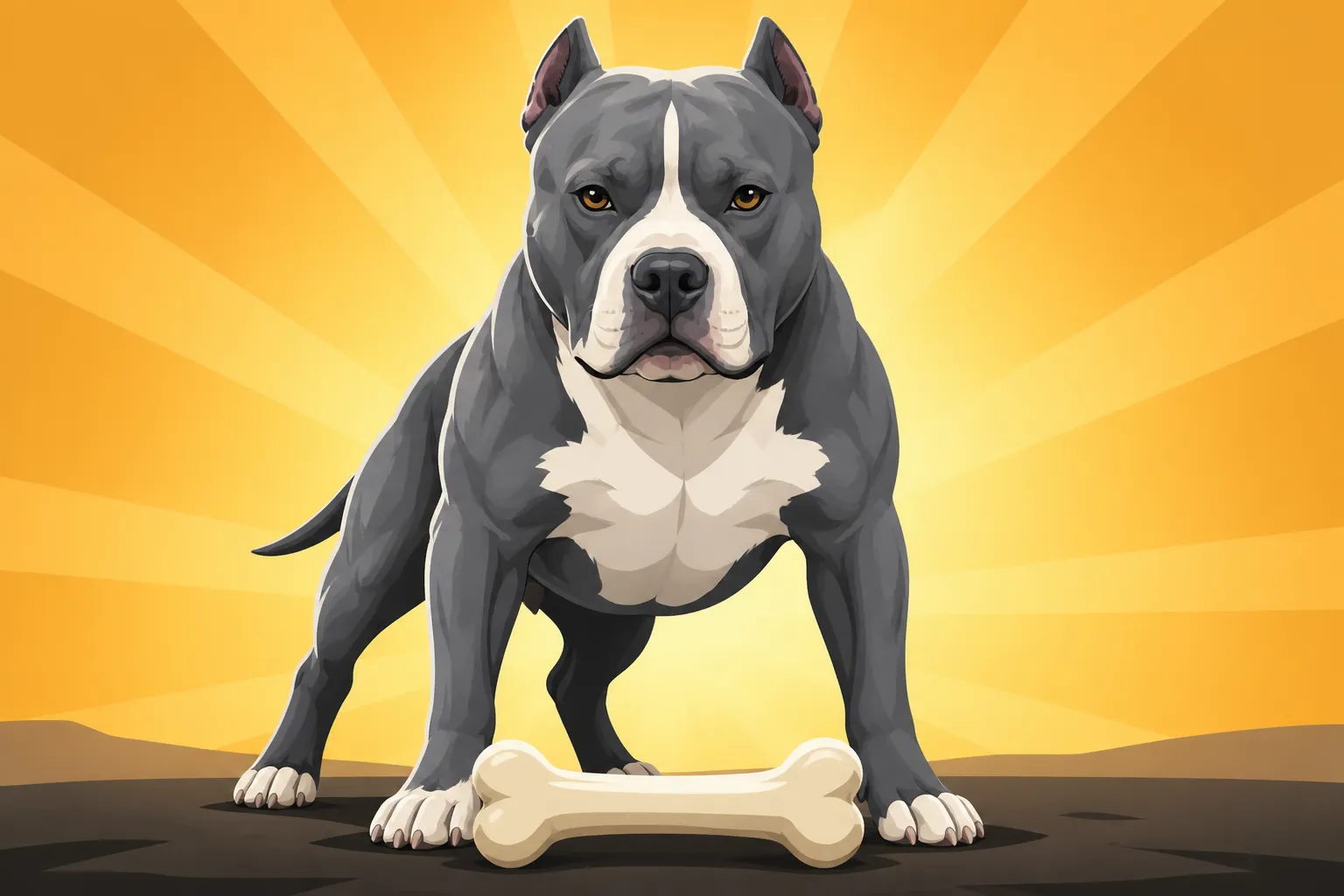
A Pit Bull Standing Over a Bone
It's incredibly frustrating, and honestly a bit alarming, when your normally sweet and loving Pit Bull suddenly turns into a stiff, low-growling statue, hunched protectively over a prized bone or toy. This behavior, known as resource guarding, can feel like a betrayal, leaving you wondering why your beloved companion is acting so defensively. This guide will walk you through understanding why your Pit Bull might guard their possessions, how to recognize the early signs, and most importantly, effective, trust-building strategies to manage and prevent this challenging behavior.
Understanding Why Your Pit Bull Guards Their Bone
The sight of your Pit Bull standing stiffly over a bone, perhaps with a slight growl rumbling in their chest, can be unsettling. It’s important to remember that resource guarding isn't a unique trait of Pit Bulls, nor is it inherently a sign of aggression in the way we typically think about it. It’s a very natural, instinctual behavior for many dogs, deeply rooted in their history and survival instincts.
The Instinctual Roots of Resource Guarding
Think about dogs in a wild or semi-wild setting. Resources like food, safe resting spots, and even mates are vital for survival. A dog that couldn't protect its portion of a meal from another hungry animal wouldn't thrive. This instinct to protect valuable items has been passed down through generations, even to our domesticated companions who get regular meals and comfy beds. For your Pit Bull, that special bone isn't just a chew toy; it's a high-value resource, and their primal brain is telling them to keep it safe.
It's easy to feel personally offended or even a little scared when your usually affectionate dog suddenly snarls over a rawhide. You might think, "Don't they trust me? I give them everything!" But it's not about a lack of trust in you as a person; it's about a deep-seated instinct to secure what they perceive as crucial. Your dog isn't trying to be "mean" or dominate you; they're simply following an ancient program that says, "This is mine, and I need to protect it." Understanding this instinctual basis can help you approach the situation with more empathy and less personal offense, which is key to finding a positive resolution.
What Triggers Resource Guarding Over a Bone
While the instinct is natural, certain factors can trigger or intensify resource guarding in a Pit Bull. The "bone" itself is often the most obvious trigger – especially if it's a particularly enticing, long-lasting chew or a favorite toy. But it’s not just about bones; dogs can guard anything they deem valuable, from their food bowl, to a specific resting spot, to a stolen sock, or even you, their human. The higher the perceived value of the item, the stronger the guarding behavior is likely to be.
Past experiences can also play a huge role. A Pit Bull who spent time in a shelter where food was scarce or competition among dogs was high might develop a stronger guarding instinct. Similarly, if a dog has had items frequently taken away from them, or if they've had to defend resources in the past, they might become more vigilant and reactive. Sometimes, the trigger isn't just the item but the presence of another dog, a child, or even an adult human who approaches the guarded item. It's often a perceived threat to their resource that ignites the guarding, whether that threat is real or imagined. This behavior can be subtle at first, maybe just a quick glance or a stiff posture, but it can escalate if the dog feels its warnings aren't being heeded.
Recognizing the Signs and How to React (or Not to React)
Dealing with resource guarding can be tricky because our natural reactions often inadvertently make the problem worse. The key is to learn to read your Pit Bull's subtle signals and respond in a way that de-escalates the situation and builds trust, rather than instilling fear or increasing their need to guard.
Early Warning Signals You Might Miss
Many owners miss the early, subtle cues of resource guarding, only noticing when their Pit Bull is already growling or snapping. Dogs are excellent communicators, and they often give a whole cascade of warnings before resorting to more overt displays. Learning to spot these is crucial for prevention and safe management. Look for things like:
- Stiffening: Their body might become rigid, and their tail might stop wagging or tuck slightly.
- Averted Gaze or "Whale Eye": They might quickly glance at you, showing the whites of their eyes, or turn their head slightly away while still keeping you in their peripheral vision.
- Eating Faster: If you approach, they might suddenly start chewing or eating more rapidly, trying to finish the resource before you can take it.
- Turning Away or Body Blocking: They might physically turn their back to you or shift their body to shield the item from your reach or view.
- Low Growl or Muzzle Punch: A very soft, almost inaudible growl or a quick, air-snapping motion with their muzzle without making contact. These are serious warnings.
It's vital to respect these early signals. When your dog offers a subtle warning, they're communicating their discomfort. If these warnings are ignored or punished, the dog learns that their subtle communication isn't effective, and they might escalate directly to a more severe response next time. Understanding Reading a Pit Bull Growl Correctly is paramount.
What NOT to Do When Your Pit Bull Guards
This is perhaps the most critical section. When faced with a growling or stiff Pit Bull over a bone, many owners' first instinct is to assert dominance, punish the dog, or try to take the item away forcefully. However, these reactions almost always backfire and make resource guarding worse.
- Do NOT Punish: Yelling, hitting, alpha rolls, or using harsh tools like prong collars or shock collars when your dog is guarding will not solve the problem. It will teach your Pit Bull that your approach is a threat, increasing their fear and anxiety around resources, and potentially leading to more intense guarding or even a bite without warning. They learn that you are unpredictable and dangerous, eroding the trust you've built.
- Do NOT Physically Confront: Reaching for the item, trying to pry their mouth open, or physically moving them away will likely trigger an escalated response. Remember, they are acting on instinct to protect, and physical confrontation confirms their fear that you are trying to take their valuable item.
- Do NOT Corner Them: If your Pit Bull is guarding in a confined space, do not back them into a corner. Always give them an escape route so they don't feel trapped and forced to defend themselves.
These actions might seem like a quick fix, but they damage your relationship with your dog and fail to address the underlying behavior. Instead of learning to be comfortable with you around their stuff, your Pit Bull will learn to be more secretive, more reactive, and more determined to guard.
Safe Immediate Actions to De-escalate
If you find yourself in a situation where your Pit Bull is actively guarding an item, your immediate goal is to de-escalate without confrontation. Safety for everyone is paramount.
- Stop Moving Towards Them: As soon as you see any guarding signal, freeze. Do not take another step towards your dog or the guarded item. This immediately removes the perceived threat.
- Turn and Walk Away Calmly: Give your Pit Bull space. By removing yourself, you're communicating that you are not a threat to their resource.
- Toss a High-Value Treat Away: If you want to get them away from the item, gently toss a truly irresistible treat (like a piece of cheese or cooked chicken) a few feet away from the guarded object, in a direction that leads them away from it. When they go for the treat, you can then move away or, if safe, retrieve the guarded item. This is a subtle form of a "trade-up" in action, teaching them that your presence can mean more good things, not just loss.
- Create a Barrier if Necessary: If the item is dangerous or the guarding is intense, and you have another person to help, you might be able to calmly block off the area with furniture or a gate to prevent others from approaching, while still giving your dog space. Never try to move a guarding dog or barrier yourself if they are highly agitated.
The aim here is to avoid conflict entirely and ensure no one gets hurt while you figure out a long-term training plan.
Strategies for Preventing and Managing Resource Guarding
Once you understand why resource guarding happens and how not to react, you can start implementing strategies to prevent it from escalating and to modify your Pit Bull's perception of having their things approached. This is all about building positive associations and trust.
Building Trust Through Positive Associations
The cornerstone of managing resource guarding is to teach your Pit Bull that human presence near their valuable items means good things, not bad. This reverses the guarding instinct by changing their emotional response. The best way to do this is through consistent, positive "trade-up" exercises.
Imagine your Pit Bull happily chewing on their favorite bone. Instead of approaching to take it, you approach and add something even better!
The "Trade-Up" Game:
- Start with Low-Value Items: Begin with items your Pit Bull doesn't guard, or things they're only mildly interested in. Give them a boring chew toy.
- Approach and Reward: Approach them, say "Good boy/girl!" in a cheerful tone, and immediately drop a truly high-value treat (like tiny pieces of hot dog, cheese, or cooked chicken) right next to them, without touching the item. Then walk away. Repeat this several times. The goal is for your approach to become a predictor of delicious rewards.
- Introduce the "Trade": Once your Pit Bull is happily anticipating your approach, give them a low-value item. As you approach, offer an even higher-value treat (something they absolutely adore, perhaps from a selection you might find on Amazon). As they drop the original item to take the treat, praise them ("Good give!"), let them eat the treat, and then immediately give them back their original item. Or, if you want them to give it up permanently, give them an even better, longer-lasting chew as a reward.
- Practice Consistently: Do this frequently, with various items, always ensuring the trade is a net gain for your dog. You are teaching them that "giving" leads to something better, and that you won't steal their things. This builds immense trust. For a Pit Bull, whose strong jaws appreciate good chews, having Chew Toys That Hold Up to a Pit Bull to trade with is essential. The BAXTER & Bella online puppy school is a fantastic resource that teaches these positive reinforcement techniques in detail, which can be adapted for adult dogs with guarding issues.
Management Techniques for High-Value Items
While training is ongoing, management is your immediate safety net. This means proactively preventing situations where resource guarding might occur, especially with those super-exciting bones or chews.
- Designated "Chew Zones": Only give your Pit Bull high-value items like bones in a safe, secluded spot where they won't feel the need to guard. This could be their crate (which should be a positive, safe space for them), a specific dog bed in a quiet room, or even outdoors in a secure yard. This eliminates the presence of other dogs or people who might trigger guarding.
- Supervision and Removal: Only give high-value chews when you can actively supervise. When your Pit Bull is done with the bone (e.g., they've left it, are no longer interested, or it's gotten too small to be safe), use your "trade-up" technique to remove it safely. Offer a fantastic treat, and when they drop the bone for the treat, calmly take the bone away. Never leave tempting, high-value items lying around unsupervised, especially if other pets or children are present.
- Separate Feeding: If your Pit Bull guards their food bowl, feed them in a separate room or their crate, away from other pets and family members. This prevents potential conflicts and reduces their anxiety around meal times. This is especially important if you have multiple dogs; Crate and Rotate as a Pit Bull Management Plan can be very effective in these situations.
Seeking Professional Guidance
Resource guarding, especially if it involves growling, snapping, or any form of aggression, is not something to tackle alone if you feel out of your depth or if the behavior isn't improving. It's perfectly okay to ask for help! A certified professional dog trainer or a veterinary behaviorist has the expertise to assess your specific situation, identify triggers, and develop a tailored training plan.
They can help you:
- Accurately Read Your Dog's Body Language: They can spot subtle cues you might be missing.
- Implement Proper Training Techniques: They can guide you through trade-up games and other counter-conditioning exercises safely and effectively.
- Address Underlying Issues: Sometimes, guarding can be linked to anxiety, pain, or other behavioral problems that require a professional eye.
- Ensure Safety: They prioritize safety for everyone in the household, offering practical strategies to prevent incidents.
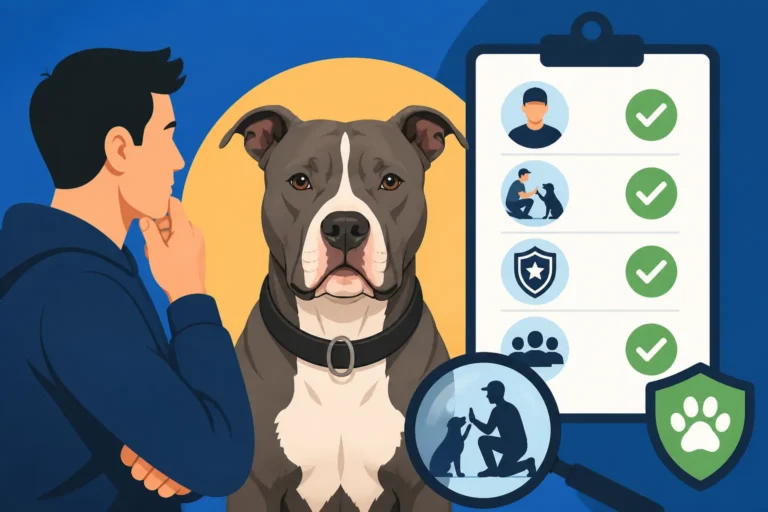
When looking for help, seek out trainers who use positive reinforcement methods exclusively. Avoid anyone who suggests punitive techniques or methods based on "dominance theory," as these can worsen resource guarding. Finding a great partner is key; our guide on Vetting a Trainer Before Booking a Pit Bull can help you make an informed choice.
Integrating Training into Daily Life
Successful management of resource guarding isn't just about scheduled training sessions; it's about consistently applying techniques and maintaining safe habits every day. It's a lifestyle change that benefits both you and your Pit Bull, fostering a deeper bond built on trust and understanding.
The "Give" Command and Its Importance
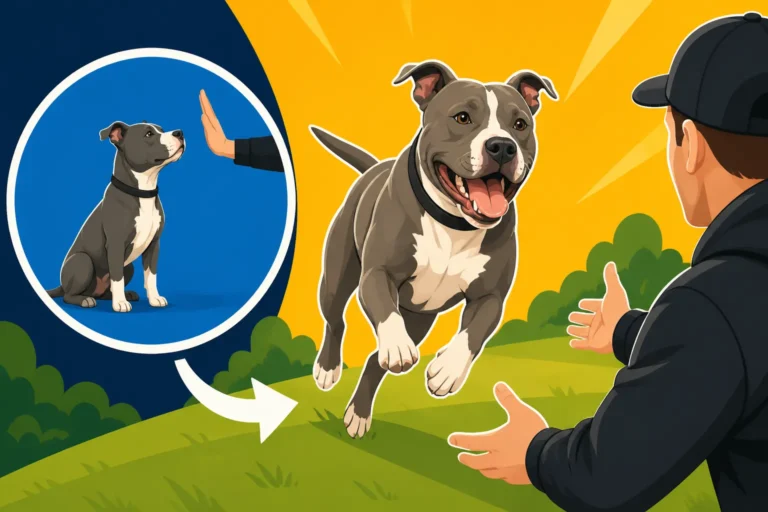
Teaching a reliable "give" command is incredibly powerful for resource guarding, as it empowers your Pit Bull to choose to release an item for a reward, rather than feeling like it's being stolen. This command should be practiced regularly, starting with low-value items and gradually increasing the stakes.
Teaching "Give":
- Start with a "Boring" Toy: Give your Pit Bull a toy they don't value highly.
- Trade for a Treat: Hold a very high-value treat (like a piece of roast beef) right under their nose. As they open their mouth to get the treat, say "Give!" and gently take the toy. Immediately give them the treat and praise enthusiastically.
- Return the Item (Initially): In the early stages, after they eat the treat, immediately give them back their original toy. This teaches them that "give" doesn't mean "gone forever," but "give for a moment, get a treat, and get it back."
- Increase Value Gradually: Once they consistently "give" low-value items, slowly move to items they like more, always making sure the trade is incredibly rewarding. You want them to think, "Oh, human wants this? Great! I get a super treat and maybe even my toy back!" This helps you reinforce Trading a Pit Bull Off a Stolen Item in a positive way.
- Practice in Various Settings: Practice in different rooms, with different family members, to generalize the command.
This command is vital for safety, allowing you to calmly retrieve items that might be dangerous or when you need to remove a guarded item without conflict. Using readily available, irresistible treats, perhaps purchased conveniently from a retailer like Amazon, can make these training sessions highly effective.
Managing Multiple Dogs and Resource Guarding
If you have a multi-dog household, resource guarding can become more complex and potentially dangerous. The instinct to guard can be amplified by the presence of other animals perceived as competitors.
- Separate Feeding and Chew Times: This is non-negotiable if guarding occurs between dogs. Feed all dogs in separate rooms, crates, or behind closed doors. The same goes for high-value chews like bones. Each dog should have their own safe, solitary space to enjoy their treats without feeling threatened by another dog's presence.
- Supervised Interactions: When dogs are together, ensure there are no high-value items accessible. All toys should be "community property" low-value items, or put away during group play. If you introduce a special chew, ensure each dog has their own and they are separated, either by gates or in individual crates.
- Understand Pack Dynamics: Observe your dogs closely. Who is the most prone to guarding? Who is the most likely to challenge? Knowing these dynamics can help you anticipate and prevent conflicts. Some Pit Bulls might be dog-selective, meaning they might get along well with some dogs but not others, and this can be a factor in resource guarding.
- Professional Intervention: In multi-dog households, resource guarding can be highly stressful and dangerous. If you're struggling, a professional trainer or behaviorist specializing in multi-dog dynamics can provide invaluable guidance to keep everyone safe and happy. Sometimes, management strategies like Crate and Rotate as a Pit Bull Management Plan might be necessary to ensure peace in the home.
Here's a quick summary of key prevention and management techniques:
| Technique | Description | Benefit |
|---|---|---|
| Trade-Up Game | Exchange current item for a higher-value treat, then return original or offer better item. | Builds positive association with your presence, teaches "giving." |
| Designated Chew Zones | Provide high-value chews in a crate, separate room, or specific bed. | Reduces perceived threat from others, creates a safe space. |
| Supervised Chew Time | Only give high-value items when you can watch, remove safely when done. | Prevents unsupervised conflicts and accidental ingestions. |
| Separate Feeding | Feed dogs in different rooms or crates, especially if guarding food bowls. | Eliminates competition and anxiety around meals. |
| "Give" Command | Teach dog to voluntarily release items for a reward. | Provides a safe, non-confrontational way to retrieve items. |
| No Punishment | Avoid yelling, hitting, or forceful methods when dog is guarding. | Prevents escalation, preserves trust, avoids fear-based reactions. |
| Professional Help | Consult a certified trainer or veterinary behaviorist for severe cases or persistent issues. | Expert guidance, tailored plans, addresses underlying causes, ensures safety. |
By consistently applying these methods, you can help your Pit Bull feel secure with their possessions, reducing their need to guard and strengthening the bond you share. It requires patience and consistency, but the peace of mind it brings is absolutely worth the effort.
Disclaimer
This article is for general informational purposes only and does not constitute professional advice. Laws, prices and regulations vary by location and change over time. Consult a qualified professional for guidance on your specific situation.