A Pit Bull Digging Through Drywall
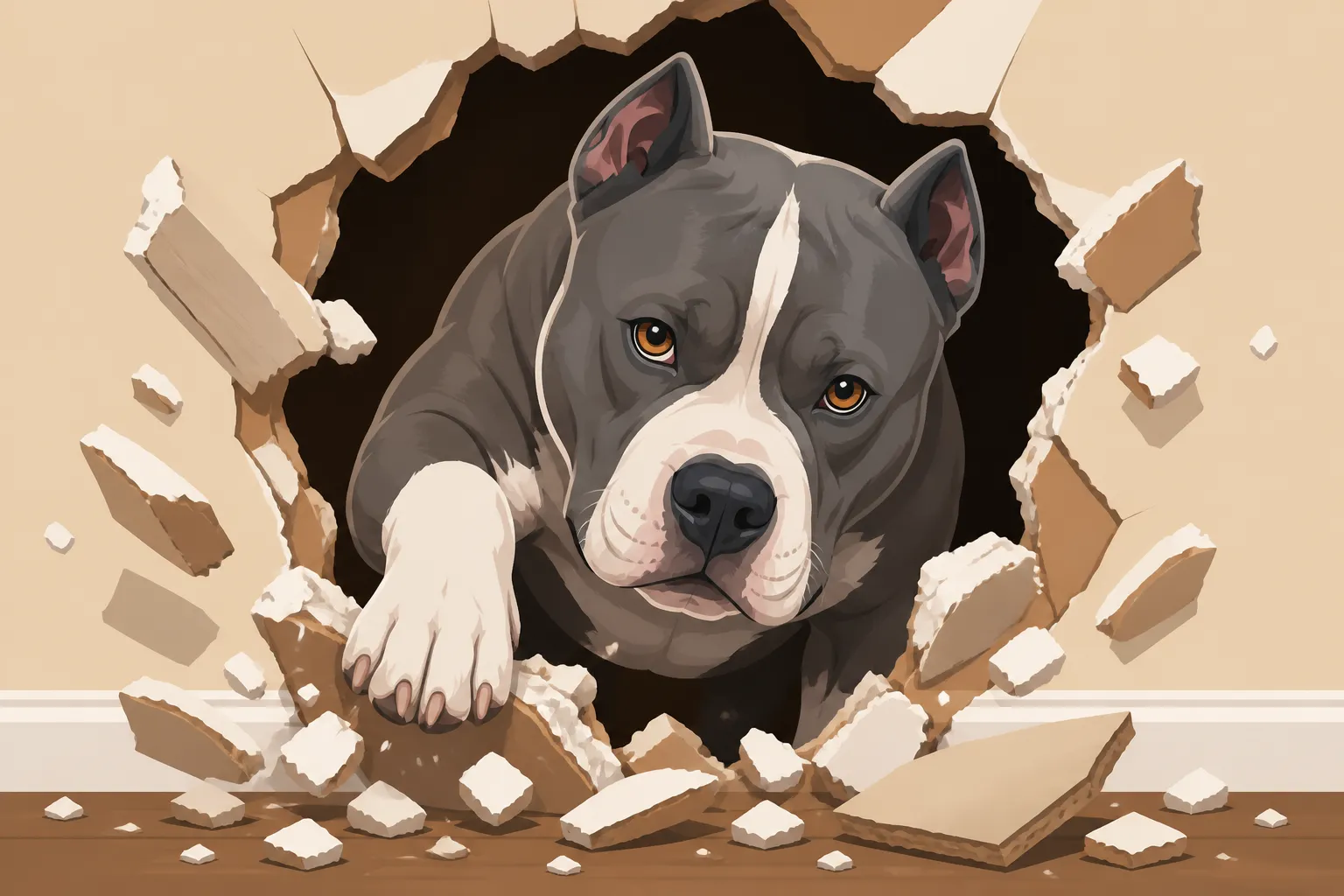
There's nothing quite like the stomach-dropping feeling of coming home to discover a fresh, gaping hole in your drywall, a tell-tale scattering of plaster dust on the floor, and an innocent-looking Pit Bull blinking up at you. It’s incredibly frustrating, and often baffling, wondering why on earth your beloved companion decided to redecorate your home with their powerful jaws and paws. This guide will walk you through understanding the root causes behind this destructive digging, offer immediate damage control strategies, and outline comprehensive long-term solutions to help your Pit Bull find more appropriate outlets for their energy and instincts.
Understanding the "Why" Behind Pit Bull Drywall Digging
When a Pit Bull decides to take on your drywall, it's rarely out of malice or spite. Instead, it’s usually a symptom of an unmet need, an underlying anxiety, or a natural instinct gone awry. Unpacking these reasons is the first crucial step toward finding a lasting solution.
The Urge to Dig: Natural Instincts at Play
Dogs, including Pit Bulls, have an innate desire to dig. In the wild, their ancestors dug dens for shelter, cached food, or even dug to cool off in the earth. While our domesticated dogs don't need to hunt for survival or build their own homes, these primal urges are still very much present. A Pit Bull might be digging at drywall because the material offers a satisfying textural feedback, mimicking the sensation of digging into soil. It's an accessible surface that gives way under pressure, providing a natural outlet for a deeply ingrained behavior. Sometimes, it’s simply exploration, driven by an instinct to uncover what lies beneath.
This natural digging instinct can be particularly strong in working breeds like Pit Bulls, who often possess a robust drive to engage their bodies and minds. If they’re not given appropriate outlets – like a designated digging pit in the yard, or puzzle toys that require "digging" out treats – they might create their own. The drywall, unfortunately, becomes the path of least resistance when a powerful paw or nose decides to investigate a scent or simply to feel the satisfying resistance of a soft wall. It's not personal; it's instinct.
When Boredom Becomes Destructive: Lack of Stimulation
A bored Pit Bull is a destructive Pit Bull. These intelligent, high-energy dogs thrive on routine, physical activity, and mental challenges. If they're left alone for long periods without adequate exercise, engaging toys, or mental enrichment, that pent-up energy and intellect will manifest in ways we owners find less than ideal. Digging through drywall can be a desperate attempt to create their own entertainment. It’s a task that requires focus, strength, and provides a tangible result – a hole! This "self-employment" can be incredibly reinforcing for a dog with nothing else to do.
Imagine your Pit Bull, full of beans, with no walk, no training session, and no interactive toys. The house is quiet, you're gone, and they've already napped all they can. That wall corner, or perhaps the baseboard near a door, starts to look awfully interesting. The act of digging and tearing offers both physical exertion and a mental puzzle, however rudimentary. This is why addressing boredom is paramount. If you're struggling to find ways to keep your dog engaged, consider topics like Indoor Trick Work for a Bored Pit Bull or Scent Work as Indoor Pit Bull Exercise for ideas that can provide much-needed mental stimulation.
Separation Anxiety: A Cry for Help
For many Pit Bulls, destructive digging, especially when directed at exits like doors, windows, or walls, is a classic sign of separation anxiety. This isn't just about being "naughty"; it's a genuine panic response to being left alone. Dogs with separation anxiety often display a cluster of behaviors: excessive barking or howling, inappropriate urination or defecation, pacing, and intense attempts to escape. Digging at drywall, particularly if it's near an exit point or where you last left them, can be a desperate effort to get to you or out of the house.
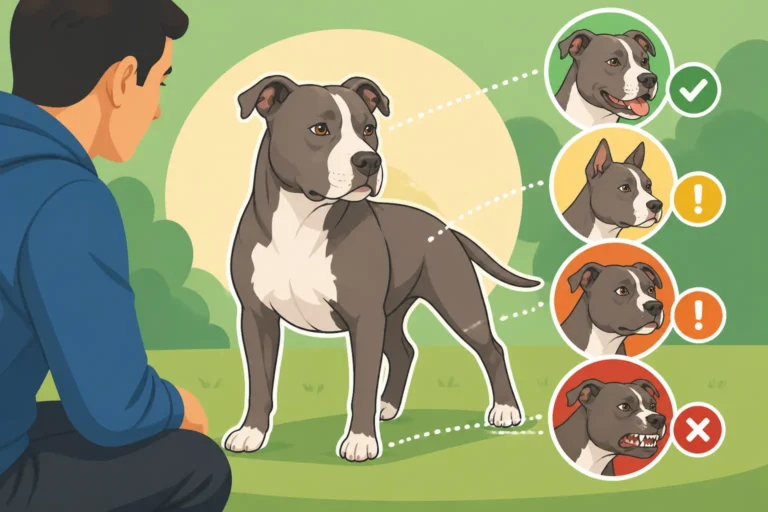
This isn't just about missing you; it's about intense fear and distress. A dog experiencing true separation anxiety is in a state of panic, and their actions are not intentional mischief but rather a desperate attempt to cope with overwhelming emotions. It's heartbreaking to witness and frustrating to deal with, but understanding this underlying emotional component is vital. If your Pit Bull exhibits other signs when you leave, such as drooling, panting, or a complete change in demeanor, the drywall destruction is likely a symptom of this deeper anxiety. Learning to identify the signs, as explored in A Pit Bull That Panics When the Door Shuts, can be incredibly helpful.
Environmental Triggers: From Pests to Perceived Escape Routes
Sometimes, the "why" can be as simple as an external trigger. If your Pit Bull suddenly starts digging at a specific spot on the drywall, especially near the floor, they might have detected something on the other side. This could be a mouse or other small critter moving behind the wall, whose scent and tiny noises are irresistible to a dog with a strong prey drive. For a Pit Bull, that tiny scuttling sound might activate an instinctual response to dig and catch whatever is hiding.
Alternatively, the digging might be an attempt to get to something outside. If the drywall is near a window or door, they might be trying to dig their way to a perceived threat, a passing squirrel, or even just to join you if they've seen you leave through that specific exit. The very structure of your house might inadvertently offer a "project" for a bored or anxious dog. Even a small crack or loose piece of drywall can present an appealing starting point for a determined Pit Bull looking for something to do or somewhere to go.
Immediate Intervention and Damage Control
Finding a hole in your drywall is not only frustrating but can also be dangerous for your dog, who could ingest plaster, insulation, or even electrical wires. Addressing the immediate situation is crucial for both your peace of mind and your Pit Bull's safety.
Securing the Scene: Protecting Your Home (and Your Dog)
The first thing you need to do is prevent further damage and ensure your Pit Bull's safety. If there's a hole, cover it immediately. You can use a sturdy piece of plywood, a metal sheet, or even a thick plastic barrier temporarily. Attach it securely to the wall, making sure there are no loose edges your dog can pry at. This isn't a permanent fix, but it buys you time to address the underlying behavior without worrying about your dog hurting themselves or destroying more of your home. It also prevents the behavior from becoming a deeply ingrained habit.
While you're securing the damaged area, inspect it carefully. Check for any sharp edges, exposed wiring, or insulation that your dog might have ingested. If you suspect they've eaten anything concerning, contact your veterinarian immediately. It’s also wise to reconsider where you leave your dog when you're away. If a specific room or area is being targeted, restricting access to that space, even temporarily, can be part of your immediate management plan. This might mean utilizing a sturdy crate or a dog-proofed room while you work on the deeper issues.
Redirection and Appropriate Outlets for Energy
Once the immediate damage is controlled, your next step is to redirect that powerful digging and chewing energy onto appropriate items. Pit Bulls have incredibly strong jaws, and regular chew toys often don't stand a chance. You need durable, long-lasting chews that can withstand their determination. Look for options made from tough rubber, reinforced nylon, or natural options like bully sticks (under supervision). Engaging puzzle toys filled with treats can also be a game-changer. These require your Pit Bull to "work" for their food, mimicking the mental engagement of digging or hunting.
When you see your Pit Bull sniffing or pawing at the wall, interrupt them gently with a sound (like a clap or a vocal "ah-ah!") and immediately offer them an appropriate chew toy. Praise them enthusiastically when they take the toy and start chewing on it. Consistency is key here. Every time they even think about the wall, redirect. For a wide range of options, consider browsing durable chew toys on a site like Amazon, or look for high-quality, long-lasting options that are specifically designed for power chewers. Brands like KONG offer various options that can be stuffed with treats, keeping your Pit Bull engaged for extended periods. This strategy helps them learn what is acceptable to chew and what isn't. You might find useful insights in Chew Toys That Hold Up to a Pit Bull.
Crafting a Long-Term Strategy for Behavior Change
Stopping drywall destruction requires a multi-faceted approach that tackles the root cause, provides appropriate outlets, and manages your Pit Bull's environment effectively. This isn't a quick fix, but with patience and consistency, you can redirect this behavior.
Upping the Exercise and Mental Engagement Ante
The number one antidote to boredom-driven destruction is increased exercise and mental stimulation. Pit Bulls aren't just couch potatoes; they need to move their bodies and engage their intelligent minds daily. Aim for at least 60-90 minutes of vigorous physical activity spread throughout the day. This could include fast-paced walks, running, playing fetch, or even structured play with a flirt pole in a secure yard. A tired dog is a good dog, and a Pit Bull who has genuinely exerted themselves physically is far less likely to have the energy or inclination to destroy your home.
Beyond physical exercise, mental enrichment is equally critical. Incorporate daily training sessions, even short ones, focusing on obedience commands, new tricks, or even scent work games. Puzzle feeders, snuffle mats, and interactive toys that dispense treats slowly can keep their minds busy when you can't actively engage with them. You can also look into classes like Canine Good Citizen training to further their mental engagement and reinforce good manners. Remember, a Pit Bull’s intelligence needs an outlet, and if you don't provide it, they'll create their own, often at the expense of your walls.
Strategic Training and Management Techniques
Effective training and management are paramount in preventing drywall destruction. One of the most powerful tools in your arsenal is crate training. A well-crate-trained Pit Bull views their crate as a safe, comfortable den rather than a punishment. When you can't supervise them, crating them can prevent destructive behaviors and keep them safe. Ensure the crate is appropriately sized – large enough for them to stand, turn around, and lie down comfortably, but not so large that they can use one end as a potty area. For strong, determined diggers, you might need to invest in a heavy-duty, chew-proof crate. The peace of mind that comes with knowing your home and dog are safe when you're out is invaluable. The Crate a Pit Bull Cannot Break Out Of is a great resource if you're dealing with an escape artist.
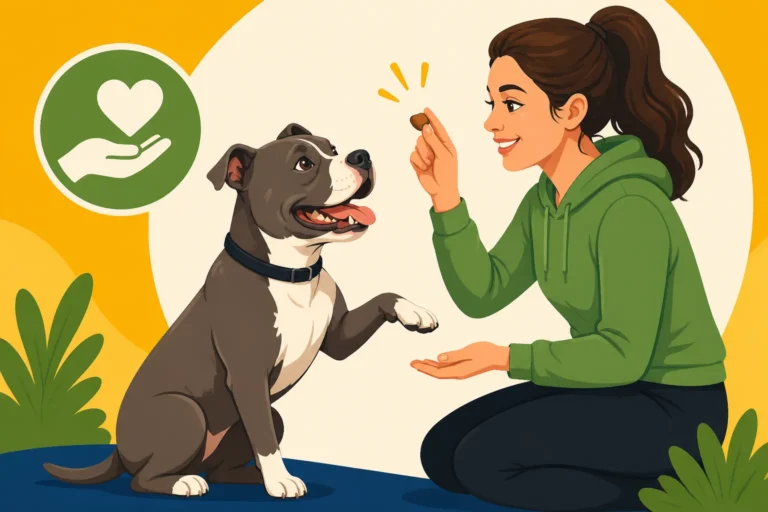
Beyond crating, work on impulse control and "leave it" commands. Teaching your Pit Bull to wait patiently and to ignore tempting objects can translate to them leaving your walls alone. Building a Pit Bull's Impulse Control is an excellent starting point. Positive reinforcement is the key here. Reward desired behaviors generously with high-value treats and praise. Never punish your dog for destroying property after the fact; they won't associate the punishment with the action. Instead, focus on proactive prevention and redirection. For times when crating isn't an option, consider dog-proofing a specific room by removing anything they could destroy and providing plenty of appropriate toys and chews.
Recognizing and Addressing True Separation Anxiety
If you suspect separation anxiety is the primary driver behind your Pit Bull's drywall destruction, it's a serious issue that often requires a more focused approach, sometimes with professional help. True separation anxiety is more than just missing you; it's a panic disorder. Mild cases might respond to gradual desensitization, where you slowly increase the time you leave your dog alone, starting with just a few seconds and building up. Practice "fake" departures – grab your keys, walk to the door, then sit back down – to help desensitize them to your departure cues. Ensure they have access to an engaging, high-value chew or puzzle toy, like a stuffed KONG, only when you leave, making your departure a positive association.
For more severe cases, consulting a certified professional dog trainer or a veterinary behaviorist is highly recommended. They can help diagnose the severity of the anxiety and develop a tailored behavior modification plan, which might include counter-conditioning, desensitization exercises, and in some cases, medication to help manage the panic response. Trying to manage severe separation anxiety on your own can be incredibly challenging and often unsuccessful, leading to more frustration for both you and your dog. Don't be afraid to seek expert guidance; it's a sign of a responsible owner.
Fortifying Your Home and Providing Safe Spaces
Prevention can also involve making your home less appealing for destructive digging. Consider installing corner guards or panels of chew-proof material in areas your Pit Bull targets repeatedly. Clear bitter apple spray can act as a deterrent, though its effectiveness varies greatly from dog to dog. The goal isn't to make your home a fortress, but to remove easy opportunities for the behavior to occur, especially during the learning phase.
Crucially, provide your Pit Bull with their own designated safe space. This could be their crate, a cozy dog bed in a quiet corner, or a specially dog-proofed room. This space should be associated with positive experiences, comfortable bedding, and their favorite indestructible toys. This allows them to have a retreat where they feel secure and can settle down without feeling the urge to dig or chew destructively. This is especially important for Leaving a New Pit Bull Alone for the First Time to set them up for success.
Essential Tools and Resources for Success
Having the right equipment can make all the difference when tackling destructive behaviors like drywall digging. Investing in quality, durable items specifically designed for powerful breeds like Pit Bulls will save you money and headaches in the long run.
Indestructible Chews and Engaging Puzzle Toys
When your Pit Bull is a champion chewer and digger, run-of-the-mill toys simply won't cut it. You need toys built to last. Look for brands known for their heavy-duty dog products. Solid rubber toys, like those from KONG's Extreme line, are often a good starting point, especially when stuffed with peanut butter, cream cheese, or wet food and frozen. This makes them last even longer and provides significant mental stimulation as your dog works to get the treat out. Many owners have found success with these as a distraction.
Nylon chew toys, designed to be durable and satisfying to chew, can also be effective. Just be sure to choose appropriate sizes for your Pit Bull's jaw and monitor them for signs of wear and tear, replacing them before they become a choking hazard. Interactive puzzle toys, where your dog has to manipulate parts to release treats, are fantastic for mental exercise and can keep them occupied for considerable periods. You can find a vast array of these on Amazon, reading reviews to ensure they stand up to a Pit Bull's determination. Remember, the goal is to provide an outlet that is more satisfying than your drywall.
Choosing the Right Crate for a Determined Digger
If you plan to use a crate as a management tool, especially for a Pit Bull that has shown destructive tendencies, selecting the right one is critical. Standard wire crates, while often sufficient for many dogs, might not hold a determined Pit Bull who has decided to dig or chew their way out. These dogs have impressive strength and can bend wire or break plastic trays.
For power chewers and escape artists, you might need to consider a heavy-duty, reinforced metal crate. Look for crates made from strong steel with secure latches and solid construction. Some crates are designed with thicker gauge wire or a "tank-like" structure to withstand strong dogs. While these are a greater investment, they provide unparalleled security and peace of mind. Always ensure the crate is a positive space, never used for punishment, and outfitted with comfortable bedding and appropriate chew toys when your Pit Bull is inside. As mentioned before, if you're concerned about escapes, definitely check out The Crate a Pit Bull Cannot Break Out Of.
Seeking Professional Guidance
Sometimes, despite your best efforts, the destructive digging persists, or you feel overwhelmed by the complexity of the behavior. This is absolutely nothing to be ashamed of; in fact, it's a responsible choice to seek professional help. A certified professional dog trainer (CPDT) or a veterinary behaviorist can offer invaluable insights and practical, customized strategies. They can observe your Pit Bull's behavior, help pinpoint the exact underlying cause, and guide you through a step-by-step behavior modification plan.
Organizations like BAXTER & Bella offer online puppy training programs that cover many foundational behaviors, which can lay the groundwork for addressing more complex issues. While they might not specialize in drywall repair, the principles of positive reinforcement, consistent training, and proper management taught in such programs are fundamental to preventing and resolving destructive habits. A professional can also help you understand nuances in your dog's body language and suggest environmental changes or even medication (from a vet behaviorist) if anxiety is severe. Don't hesitate to reach out for support; it's an investment in both your home and your Pit Bull's well-being.
Disclaimer
This article is for general informational purposes only and does not constitute professional advice. Laws, prices and regulations vary by location and change over time. Consult a qualified professional for guidance on your specific situation.