Pit Bull Food Bowl Guarding
It's incredibly frustrating and, let's be honest, a little scary when your beloved Pit Bull starts acting possessive over their food bowl. You might feel confused, wondering where you went wrong, or even worried about a potential bite. This guide is here to walk you through understanding why your Pit Bull might guard their food and, more importantly, how you can address this behavior safely and positively, fostering a more trusting relationship with your powerful companion.
Understanding Why Your Pit Bull Guards Its Food Bowl
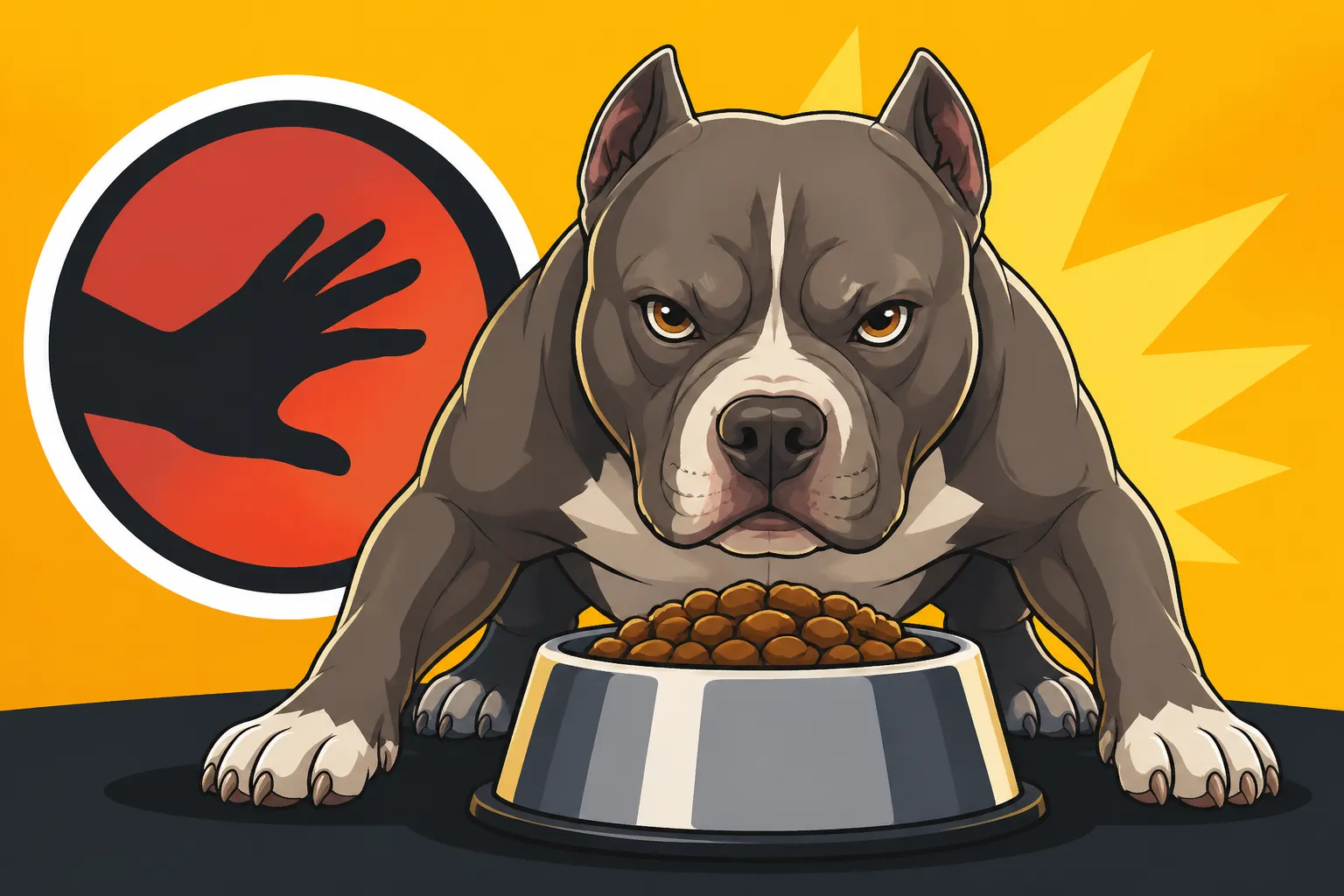
Food bowl guarding, or resource guarding, is a common canine behavior that many owners find alarming. It’s important to remember that while it can be concerning, it’s often rooted in natural instincts rather than malice. Your Pit Bull isn't trying to be "dominant" or difficult; they are simply communicating their need to protect a valuable resource.
The Instinctual Roots of Resource Guarding
Think about dogs in a wild or semi-wild setting. Food isn't always plentiful, and securing a meal often means survival. In such environments, a dog that allows others to easily take its food might not get enough to eat. This instinct to protect valuable resources, whether it's food, a favorite toy, or a comfortable resting spot, is deeply ingrained in canine psychology. Your Pit Bull, despite living in your loving home with a full bowl every day, still carries some of these ancient instincts. It’s not a reflection on your care or their affection for you. It's a primal drive, sometimes amplified by early life experiences or even genetic predispositions. Some dogs are simply more prone to it than others, regardless of breed, though the sheer strength and determination of a Pit Bull can make this behavior particularly intimidating.
Triggers and Early Warning Signs
Recognizing the triggers and subtle warning signs of food guarding is crucial for preventing escalation. Often, the behavior starts small and can be easily missed until it becomes more pronounced. A common trigger is, naturally, someone (or another pet) approaching the food bowl while the Pit Bull is eating. Reaching towards the bowl, or even just standing too close, can also set it off. The key is to pay attention to your dog's body language before a growl or snap occurs.
Early warning signs can be subtle:
- Freezing or Stiffening: Your Pit Bull might stop eating mid-chew and become very still, often with a rigid posture.
- Quick Glances: They might dart their eyes at you or another approaching dog, then back to their food.
- Hunching Over the Bowl: They might position their body over the food, trying to shield it from view or access.
- Low Growl or Snarl: This is often the first audible sign, a clear warning that you are too close.
- Lip Licking or Yawning: These can be appeasement signals indicating stress or discomfort.
- Hair Raised on the Back (Piloerection): Especially along the spine, indicating arousal or fear.
If you see these signs, especially a growl, your Pit Bull is communicating. It's not rudeness; it's a clear boundary. Ignoring these early warnings can force your dog to escalate to more intense behaviors like lunging or snapping. Remember, reading these signals correctly helps you intervene before things get out of hand. For more on how to understand what your dog is trying to tell you, check out Reading a Pit Bull Growl Correctly.
Common Misconceptions About Pit Bull Guarding
There are a lot of outdated ideas floating around about dog behavior, and food guarding is often misunderstood. One pervasive myth is that a dog guarding its food is "dominant" and trying to assert its superiority over you. This couldn't be further from the truth. Resource guarding is almost always rooted in anxiety or fear – the fear of losing something valuable – not an attempt to control you. Trying to "dominate" your Pit Bull by taking their food away forcefully or punishing them for guarding will almost certainly backfire, increasing their anxiety and potentially making the guarding behavior much worse. It can erode trust and teach your Pit Bull that you are a threat to their resources, making them more likely to guard aggressively in the future. We want to build a relationship based on trust and mutual respect, not fear. Your Pit Bull isn't being a "bad dog"; they are simply responding to an instinctual drive and perhaps some underlying insecurity.
Safe and Effective Strategies for Managing Food Bowl Guarding
Successfully managing food bowl guarding in your Pit Bull requires a consistent, positive, and patient approach. The goal isn't to punish the behavior away, but to change your dog's emotional response to people approaching their food from anxiety to anticipation.
Establishing a "Hands-Off" Feeding Routine
The first and arguably most important step is to remove any potential for confrontation during meal times. This means creating a safe, low-stress feeding environment where your Pit Bull feels absolutely secure with their food.
Here's how to implement a hands-off routine:
- Feed in Isolation: Designate a quiet, private area for your Pit Bull to eat, such as their crate, a separate room with the door closed, or an area blocked off by a baby gate. This eliminates competition from other pets and prevents accidental approaches from people. If you have multiple dogs, always feed them in separate spaces to avoid any tension or guarding issues between them.
- No Interruption: Once the food is down, leave your Pit Bull alone to eat in peace. Do not approach the bowl, reach for it, or try to pet them while they are eating.
- Predictability is Key: Establish a consistent feeding schedule. Dogs thrive on routine, and knowing exactly when and where their meals will appear can reduce anxiety around food.
- Use a "Place" or "Stay" Command: If your Pit Bull knows a reliable "place" or "stay" command, you can use it to have them wait patiently while you put the bowl down, then release them to eat. This builds impulse control without confrontation. Building a Pit Bull's Impulse Control is a great resource for working on this.
- Remove the Bowl After Eating: Once your Pit Bull has finished eating, or walks away from the bowl, you can then safely remove it. If they leave a little food, that's okay. The goal is to ensure they don't feel pressured to finish quickly or guard leftovers.
By consistently following a hands-off approach, you teach your Pit Bull that their food is safe, and no one will try to take it away. This foundational trust is essential before you can move on to more direct training.
The "Trade-Up" Method for Positive Association
Once the hands-off approach has established a baseline of trust, you can start proactively changing your Pit Bull's emotional response to your presence near their food. The "trade-up" method focuses on creating a positive association: every time you approach, something better happens.
Here’s a step-by-step guide:
- Identify High-Value Treats: You'll need treats that are far more appealing than their regular kibble. Think cooked chicken, small pieces of cheese, or soft training treats. These are your currency for building a positive association.
- Start from a Safe Distance: While your Pit Bull is eating, walk casually past their feeding area, but stay far enough away that they don't show any guarding signs. As you pass, toss a high-value treat onto the floor a few feet from their bowl, then continue walking. Do not try to touch the bowl or your dog. The idea is to make your presence a predictor of good things.
- Gradually Reduce Distance: Over several sessions and many repetitions, slowly decrease the distance from which you toss the treat. The goal is to get to a point where you can walk right up to the bowl, toss a treat into the bowl, and then walk away, all without eliciting any guarding behavior.
- Practice Simulated Bowl Takes (Advanced): Once your Pit Bull is consistently happy and relaxed with you approaching and adding treats to their bowl, you can progress to briefly taking the bowl away. Approach, toss a treat into the bowl. As they eat that treat, gently pick up the bowl, immediately drop in another fantastic treat (something truly amazing!), then place the bowl back down. This teaches them that you taking the bowl means they get something even better back. The key is always to give them a higher-value item in exchange. Never take the bowl without giving something back.
- Consistency and Patience: This process can take weeks, even months, especially if the guarding is deeply ingrained. Never rush it. If your Pit Bull shows any sign of discomfort (a stiffening body, a hard stare), you've moved too quickly. Go back to the previous step where they were comfortable and practice there for longer.
Remember, the goal is to make your approach a positive event. You want your Pit Bull to think, "Oh, human is coming! More yummy things are about to appear!" rather than "Oh no, human is coming to take my food!" This technique works by gradually desensitizing them to your presence and counter-conditioning their emotional response. Many online training platforms, such as BAXTER & Bella, offer virtual coaching and detailed step-by-step video guides for tackling resource guarding, which can be incredibly helpful for visual learners and those needing guided support.
Using Management Tools and Environmental Adjustments
Beyond direct training, there are practical tools and adjustments you can make to reduce the likelihood of food guarding and make your Pit Bull feel more secure.
- Puzzle Feeders and Scatter Feeding: Instead of feeding all meals in a single bowl, consider using puzzle feeders or scattering your Pit Bull's kibble across a clean floor or in the yard. This eliminates the "hoarding" aspect of a bowl and turns mealtime into a fun foraging activity, which can reduce the perceived value of a single, defensible resource. These types of feeders can be found readily on platforms like Amazon.
- Crates as Safe Zones: If your Pit Bull is crate trained, their crate can be an invaluable tool. It provides a secure, private space where they can eat undisturbed, minimizing the chances of conflict, especially in busy households or multi-dog homes. The Crate a Pit Bull Cannot Break Out Of has good tips for secure crating.
- High-Sided Bowls: While not a solution on its own, a bowl with higher sides can make it more difficult for a dog to hunch aggressively over their food, which can sometimes reduce the intensity of guarding posture.
- Strict Supervision: Especially in multi-pet households, constant supervision during meal times is non-negotiable until the guarding behavior is fully resolved. It's often easier to prevent conflicts than to break them up. Make sure all pets have their own designated, separate feeding areas.
- Long-Lasting Chews in Safe Spaces: If your Pit Bull guards high-value chews (like bully sticks or bones), always give these items when they are alone in their crate or a separate room, where they won't feel the need to defend them. This is also important for safety, as some chews can crack teeth if dogs bite down too hard. For appropriate options, consider Chew Toys That Hold Up to a Pit Bull.
The table below summarizes these management techniques and their primary benefits:
| Management Technique | Description | Primary Benefit | Considerations |
|---|---|---|---|
| Hands-Off Feeding | Feeding your Pit Bull alone in a quiet, isolated space, without interruption. | Builds trust, reduces perceived threat, prevents confrontations. | Requires designated feeding area, consistency is vital, may not directly resolve underlying anxiety. |
| "Trade-Up" Method | Gradually approaching while dog eats, tossing high-value treats, eventually exchanging bowl for better treat. | Changes emotional association from fear/anxiety to positive anticipation of reward. | Requires high-value treats, patience, and careful observation of body language. Not a quick fix. |
| Puzzle Feeders/Scatter Feeding | Distributing food in feeders that require effort or scattering it on the ground, rather than a single bowl. | Reduces "resource" focus, makes mealtime a positive activity, slows eating. | Can be messy, not all dogs adapt quickly, still requires a safe eating environment. |
| Crate Feeding | Feeding meals exclusively inside a secure crate. | Provides a safe, private space; prevents other pets/people from approaching. | Requires prior crate training, not suitable if dog is anxious in crate, ensures dog can't escape. |
| Strict Supervision | Closely monitoring your Pit Bull during all eating and chewing activities, especially in multi-pet homes. | Prevents conflicts, allows for immediate intervention, crucial for safety. | Requires constant vigilance, not a training method itself, but a necessary safety measure. |
When to Seek Professional Help
While the strategies outlined above are highly effective for many cases of food bowl guarding, there are times when professional intervention is not just helpful, but absolutely necessary. It's important to be honest with yourself about the severity of the behavior.
Recognizing Escalated or Persistent Guarding
You should seriously consider seeking professional help if you observe any of the following:
- Escalation to Bites or Near-Bites: If your Pit Bull has actually bitten someone (even a "warning" nip) or consistently snaps when approached, the risk is too high to manage on your own. Pit Bull Puppy Biting That Draws Blood might provide context on severity, though it’s crucial to understand that adult bites carry far more risk.
- Guarding Spreads Beyond Food: If your Pit Bull starts guarding other resources – toys, sleeping spots, particular furniture, or even you – it indicates a more generalized anxiety or possessiveness that needs expert assessment. Pit Bull Food Bowl Guarding is one specific manifestation of resource guarding, but it can encompass many items.
- Increased Frequency or Intensity: If the guarding behavior is becoming more frequent, more intense, or harder to predict, despite your consistent efforts with positive training, it’s a sign that you need external guidance.
- Fear or Anxiety is Evident: If your Pit Bull seems genuinely fearful, stressed, or aggressive (beyond just protective) during meal times, a professional can help unravel the underlying emotional state and tailor a plan.
- You Feel Unsafe or Overwhelmed: Your safety and peace of mind are paramount. If you're constantly worried, anxious, or don't feel equipped to handle the behavior, don't hesitate to reach out.
Ignoring escalated or persistent guarding can lead to serious incidents and put a strain on your relationship with your dog.
The Role of a Certified Professional Dog Trainer
A certified professional dog trainer or a veterinary behaviorist can provide invaluable support. Here's what they offer:
- Personalized Assessment: They can observe your Pit Bull's behavior in your home environment, identify specific triggers, and assess the underlying reasons for the guarding. They’ll also evaluate your handling and training techniques to ensure they are effective.
- Tailored Behavior Modification Plan: Unlike generic advice, a professional will create a step-by-step plan specifically designed for your Pit Bull's temperament, the severity of the guarding, and your family's lifestyle. They will guide you through each stage of the training, ensuring you progress safely and effectively.
- Safety Protocols: They can teach you crucial safety measures, such as how to manage your dog in high-risk situations, how to break up a potential scuffle safely, and how to use management tools to prevent incidents.
- Positive Reinforcement Expertise: Look for a trainer who uses positive reinforcement and force-free methods. They understand that punishment exacerbates fear and anxiety, while positive methods build trust and a stronger bond. Positive Reinforcement Training With a Pit Bull is the gold standard for effective and humane training.
- Support and Accountability: Having a professional guide you through the process provides consistent support, answers your questions, and keeps you accountable for following the plan. They can adjust strategies as needed, ensuring continuous progress.
Investing in a qualified trainer is an investment in your Pit Bull's well-being and the safety of your household. Don't feel like a failure for seeking help; it's a responsible and loving choice for a complex issue. For more general information on finding the right kind of training, refer to Pit Bull Training and Certification Costs.
Disclaimer
This article is for general informational purposes only and does not constitute professional advice. Laws, prices and regulations vary by location and change over time. Consult a qualified professional for guidance on your specific situation.