Pit Bull Puppy Biting That Draws Blood
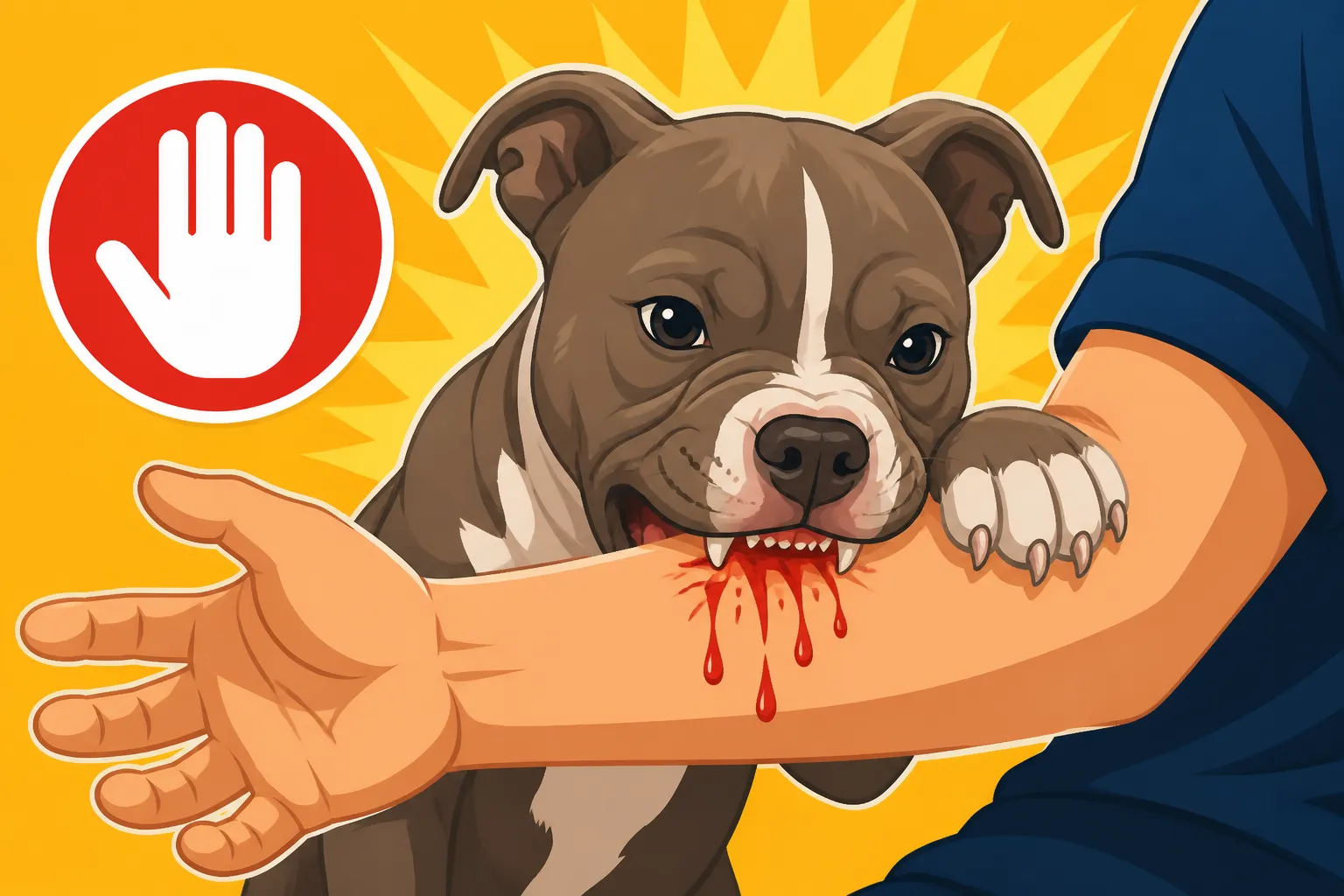
There's nothing quite as startling, or frankly, painful, as a Pit Bull puppy whose playful nips suddenly draw blood. It's a moment that can make even the most patient owner question everything, wondering if their energetic little shark is destined for behavioral issues or if they're simply doing something wrong. This guide aims to ease those anxieties by breaking down why your Pit Bull puppy is resorting to such sharp measures and, more importantly, providing actionable steps to teach them better bite inhibition and ensure those tiny teeth stay on toys, not skin.
Why Pit Bull Puppies Bite (and Why It Feels Intense)
Every single puppy on the planet bites. It's their primary way of exploring the world, much like human babies put everything in their mouths. They use their mouths to investigate textures, understand boundaries, and communicate with their littermates. This is normal, natural puppy behavior. However, with a Pit Bull puppy, that normal behavior can feel amplified, and those nips can quickly escalate from annoying to genuinely alarming when they break the skin.
Natural Puppy Explorations and Teething Pain
Imagine a tiny, furry explorer encountering a fascinating new world. How do they interact with it? By putting it in their mouth, of course! From your shoelaces to your fingers, everything is fair game for their curiosity. This is deeply ingrained. Beyond exploration, those needle-sharp puppy teeth are also undergoing a significant change. Teething is uncomfortable, and chewing provides relief. Just like human babies gnaw on teething rings, your Pit Bull puppy will seek out anything that offers pressure and comfort for their sore gums. This means they’re constantly looking for something to chew, and unfortunately, sometimes that something is you.
The Impact of Pit Bull Enthusiasm and Jaw Strength
Here's where the Pit Bull specific aspect comes into play. While all puppies bite, Pit Bull puppies often possess a combination of inherent strength, enthusiasm, and a powerful jaw structure that can make their puppy nipping feel far more intense than, say, a tiny Chihuahua puppy. It's not usually malicious; it's simply the force of their joyful, boisterous nature combined with their physical capabilities. When they get excited during play, that natural puppy mouthing can quickly go from a gentle grip to a surprisingly firm clamp that penetrates the skin. This isn't a sign of aggression in a young puppy; it's often a lack of understanding about how much pressure their jaws exert and a lack of proper bite inhibition. It can be incredibly frustrating and painful, leading owners to worry about their puppy's temperament, but most of the time, it's a manageable developmental stage.
Understanding Bite Inhibition in Pit Bulls
Bite inhibition is the learned ability to control the force of one's bite. Puppies typically learn this from their littermates and mother. If a puppy bites too hard during play, another puppy will yelp and stop playing, teaching the offender that "ouch, that hurt!" The mother dog might also correct rough play. When a puppy leaves its litter too early, or if they just don't get enough of this crucial early learning, they can come to their new home without a well-developed sense of bite inhibition. For a Pit Bull, this can be particularly problematic due to their breed's strength, meaning the consequences of poor bite inhibition can be more severe. Our job as their human caregivers is to step in and teach them this vital skill. It's one of the most important lessons you can impart, setting the foundation for polite mouth manners throughout their life. This is why resources like Pit Bull Bite Inhibition and Mouthing are so crucial for new owners.
Teaching Bite Inhibition When the Nips Hurt
Teaching bite inhibition requires patience, consistency, and a clear communication strategy. Remember, your puppy isn't trying to hurt you; they're simply acting on instinct and learning about their world. Your goal is to gently guide them towards understanding what is and isn't acceptable.
The "Yelp!" Method and Consistent Feedback
The most common and effective technique mimics what puppies learn from their littermates. When your Pit Bull puppy delivers a bite that's too hard – one that makes you uncomfortable or, indeed, draws blood – let out a loud, high-pitched "YELP!" or "OW!" Immediately withdraw your hand or whatever body part was bitten. This sharp, sudden sound and disengagement often startles the puppy, signaling that they've hurt you. After yelping, completely disengage for a few seconds. Turn your back, cross your arms, or even briefly leave the room (step over a baby gate if necessary). The key is to immediately remove the fun and attention. Once they are calm, you can re-engage, but be ready to repeat the process. Consistency is critical here; every time those teeth feel too sharp, the yelp and disengagement must follow. This teaches them that hard bites equal the end of playtime, which is a powerful motivator for a social puppy. It's part of What to Teach a Pit Bull Puppy and When right from the start.
Redirecting Onto Appropriate Chews and Toys
Often, a Pit Bull puppy bites because they have an innate need to chew, or they're overstimulated and don't know what else to do. Having appropriate chew toys readily available is paramount. When your puppy starts to mouth or nip at you, immediately offer them a suitable toy instead. Cheerfully say something like, "Good toy!" or "Chew this!" and praise them when they take the toy. The trick is to have these toys everywhere – in your pockets, on coffee tables, near their bed.
Look for durable, puppy-safe toys that can withstand a strong Pit Bull jaw. Items like Kongs, Nylabones, or sturdy rope toys found easily on Amazon are excellent choices. Rotate their toys to keep them interesting. You want the toy to be more appealing and accessible than your hand. This is a foundational step, as explored in Redirecting a Pit Bull Puppy Onto a Chew and selecting the right durable options mentioned in Chew Toys That Hold Up to a Pit Bull.
Implementing Brief, Calm Time-Outs
If your puppy is ignoring your yelp and redirection, or if they're simply too wound up to respond, a brief time-out can be very effective. This isn't punishment in the harsh sense, but rather a temporary removal from the exciting environment. When a painful bite occurs, give one last "YELP!", then calmly pick up your puppy (if small enough) or lead them to a designated, safe "time-out" spot, like their crate or a puppy-proofed bathroom, for 30-60 seconds. The time-out should only last until they've settled down, not as a long punishment. Then, release them and resume normal activities. The message is clear: overly enthusiastic biting leads to the immediate end of interaction and fun. This process helps them connect the action (hard bite) with the consequence (loss of attention/play). Ensure your crate is escape-proof, as discussed in The Crate a Pit Bull Cannot Break Out Of.
Gentle Handling Exercises to Build Tolerance
Many puppies, especially those with high drive, can be sensitive to handling, which sometimes leads to nipping. It's important to get your Pit Bull puppy comfortable with being touched all over, as this will be vital for vet visits, grooming, and general care. Practice gentle handling drills daily when your puppy is calm and relaxed. Start by gently stroking their ears, paws, tail, and muzzle for short periods. Pair this with soft praise and small, high-value treats. If they start to nip, immediately stop the handling, yelp if necessary, and disengage. Resume when calm. Gradually increase the duration and intensity of handling. This teaches them that human hands are safe and bring good things, not just playthings to chew on. Building this tolerance can also contribute to Socializing a Pit Bull Puppy Thoroughly.
Managing the Environment to Prevent Bloody Nips
Preventing problematic biting isn't just about teaching your puppy; it's also about setting up their environment for success. A well-managed environment reduces opportunities for unwanted behaviors and reinforces the lessons you're teaching.
Providing Ample, Appropriate Chews and Enrichment
As mentioned, having a variety of appropriate chew toys is critical. These aren't just for distraction; they fulfill a natural, biological need for your Pit Bull puppy to chew. Beyond simple chew toys, consider puzzle toys or KONGs stuffed with peanut butter or wet food (you can even freeze them for longer engagement). These provide mental stimulation and keep your puppy occupied, especially when you can't actively supervise them. A bored or under-stimulated Pit Bull puppy is far more likely to find your hands, furniture, or anything else interesting to chew on. Regularly rotating toys keeps them novel and exciting. Amazon is a treasure trove for finding innovative and tough chew toys that can stand up to a Pit Bull’s powerful jaws.
Structured Play and Energy Outlets
Pit Bull puppies are bundles of energy! Providing structured outlets for that energy is key. Tug-of-war is an excellent game for Pit Bulls, but it needs rules. Always initiate and end the game, and teach a reliable "drop it" command. If your puppy's teeth accidentally touch your skin during tug, the game immediately ends. Flirt poles are another fantastic way to burn off energy safely and teach impulse control, as the lure is always the target, not your hands.
Regular, appropriate exercise is also vital. Remember that while Pit Bulls are athletic, puppies need to have their exercise carefully managed to protect growing joints. Short, frequent play sessions are better than long, exhausting ones. Over-tired puppies can also become nippy and unruly. Structured exercise, combined with mental enrichment, helps your puppy be calm and receptive to training during non-play times. These early months are foundational, as covered in The Weeks That Shape a Pit Bull Puppy.
Avoiding Overstimulation and Setting Boundaries
It's easy to accidentally overstimulate a Pit Bull puppy. Loud noises, too many new experiences at once, or rough-and-tumble play that gets out of hand can quickly lead to an over-aroused puppy who resorts to biting. Pay attention to your puppy's body language. If they're getting too excited, panting heavily, or their eyes are glazed over, it's time for a calm-down break.
Establishing clear boundaries is also crucial. For example, discourage playing with your hands from day one. Always direct their attention to a toy. If you allow them to mouth your hands when they're small, they won't understand why it's suddenly unacceptable when they're bigger and their bites are harder. Consistency in this area, from all family members, is non-negotiable.
Enrolling in a Puppy Class
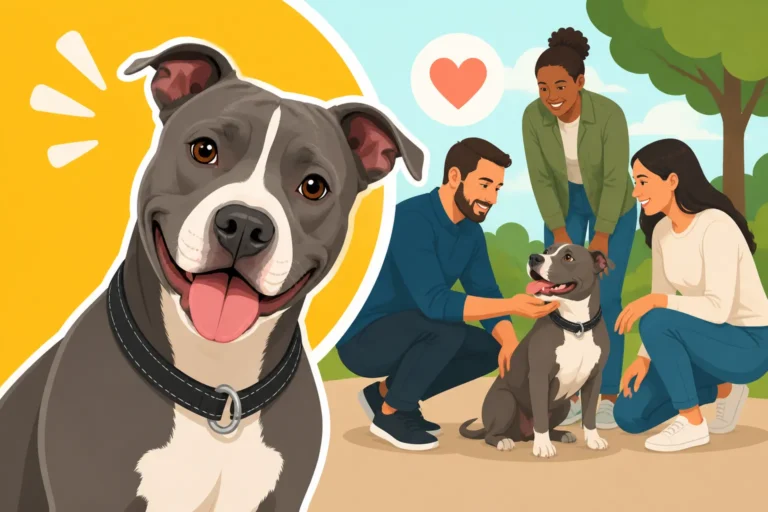
Puppy classes are invaluable for Pit Bull puppies. They offer a controlled environment for socialization with other puppies and people, which is crucial for developing good manners and confidence. More importantly, professional trainers can observe your puppy's play style and offer immediate, personalized advice on managing nipping and developing bite inhibition. They can also help you understand appropriate play styles for different breeds and sizes of dogs. Many excellent online programs, such as those offered by BAXTER & Bella, also provide comprehensive puppy training guides and live support that can be done from home, which is a fantastic resource, especially if local classes are hard to find or your schedule is tight. These classes also help you build the skills to continue training your Pit Bull as they enter The Pit Bull Teenage Months. Getting into a good program might influence what a Pit Bull puppy course costs, but the benefits are priceless.
When to Seek Professional Guidance
While puppy nipping is normal, persistent blood-drawing bites, especially as your Pit Bull puppy gets older, or any signs that feel more like aggression than play, warrant professional intervention. It's always better to address these issues sooner rather than later.
Persistent Blood-Drawing Bites Beyond the Puppy Stage
If you've diligently applied the methods described – consistent yelping and disengagement, redirection to toys, time-outs – and your Pit Bull puppy is still frequently drawing blood, especially after they've passed the initial teething stage (around 4-6 months), it's a strong indicator that you need external help. Every puppy learns at their own pace, but continued severe mouthing suggests your current approach might not be sufficient or that there's an underlying issue to address. Don't feel like a failure; some puppies simply need an expert's eye and guidance.
Distinguishing Play Biting From Aggressive Tendencies
This is a critical distinction. Most puppy biting, even when it draws blood, is play-related. It might be over-excitement, poor bite inhibition, or a lack of understanding. Signs of play biting typically include a loose, wiggly body, play bows, growls that sound playful rather than menacing, and a quick release after a bite.
However, if you observe any of the following, it might be more concerning and should prompt an immediate call to a professional:
- Stiff body language when biting.
- Hard, prolonged bites that don't release quickly, even after you yelp.
- Growling that sounds truly aggressive or menacing, not playful. (It's important to learn Reading a Pit Bull Growl Correctly early on).
- Snapping or lunging with intent to connect, especially when you try to move them or take something away.
- Lack of apology after a hard bite (most puppies will show some appeasement like licking or backing off).
- Intense guarding of toys or food, coupled with biting when approached.
It's important to differentiate between a puppy who hasn't learned proper mouth manners and one who is showing early signs of fear-based or resource-guarding aggression. A qualified professional can assess the situation accurately.
Finding a Qualified and Experienced Trainer
When seeking help, look for a certified professional dog trainer or a veterinary behaviorist who specializes in positive reinforcement and force-free methods. Avoid trainers who advocate for harsh corrections, alpha rolls, or other outdated techniques, especially with a breed like a Pit Bull, as these can exacerbate fear or aggression and damage your bond.
A good trainer will:
- Observe your puppy in their home environment.
- Ask detailed questions about their history, daily routine, and the biting incidents.
- Develop a personalized training plan tailored to your puppy's specific needs and your family's lifestyle.
- Teach you effective communication techniques and management strategies.
- Support you throughout the process.
Finding a trainer experienced with Pit Bulls is a huge plus, as they'll understand the nuances of the breed's drive and physical capabilities. Don't hesitate to ask about their experience with similar cases. The investment in professional guidance early on can save you a lot of heartache and ensure your Pit Bull grows into a well-mannered companion. Finding a Trainer Experienced With Pit Bulls is a vital step for any owner facing these challenges.
Disclaimer
This article is for general informational purposes only and does not constitute professional advice. Laws, prices and regulations vary by location and change over time. Consult a qualified professional for guidance on your specific situation.