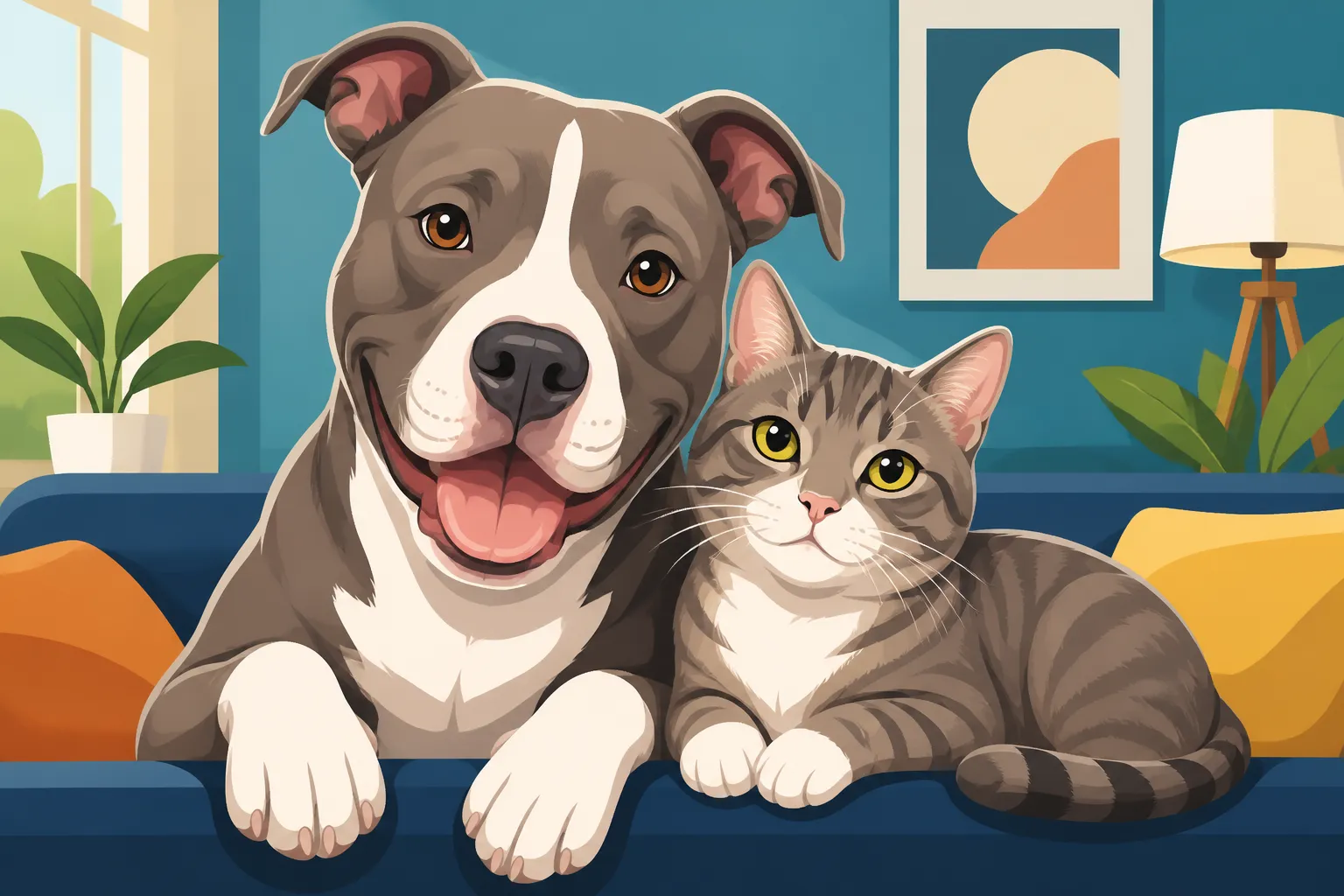
A Pit Bull Sharing a House With a Cat
Bringing a Pit Bull into a home with a cat can feel like a daunting challenge, fraught with worries about safety and compatibility. Many owners dream of their pets peacefully coexisting, but the reality can be complex, especially with a breed often misunderstood. This guide will walk you through the practical steps, critical considerations, and ongoing management strategies to help your Pit Bull and cat share a home as safely and harmoniously as possible.
Understanding the Dynamics: Pit Bulls and Prey Drive
One of the biggest hurdles, and frankly, the most important one to acknowledge, when introducing a Pit Bull to a cat, is the breed's inherent prey drive. It's not about malice; it's about instinct, and misunderstanding this can lead to serious problems. Ignoring it, or assuming "my dog would never," is a risk no responsible pet owner should take.
The Instinctual Side of Pit Bulls
Pit Bulls, encompassing several bull-and-terrier type dogs, were originally bred for tasks that required tenacity, strength, and a strong drive to pursue and hold. While their primary purpose shifted from baiting to being companions and working dogs, many still carry that deep-seated instinct to chase, grab, and shake small, fast-moving objects. This isn't aggression towards your cat; it's a hardwired response to something that triggers their predatory sequence. Your cat, with its quick movements, sudden dashes, and smaller size, can absolutely trigger this prey drive. It's a fundamental aspect of their heritage and The Bull and Terrier Origin of the Pit Bull.
Think of it this way: a cat darting across the living room floor isn't intentionally provoking your Pit Bull. To the Pit Bull, that movement might simply register as something to be pursued, much like a squirrel in the park. This isn't a judgment of character or a sign of a "bad" dog; it's biological programming. Recognizing this instinct is the first step towards managing it effectively. It means we, as owners, need to be proactive, not reactive, and put safety measures in place before any incidents occur. We want to nurture their affectionate side while respecting their innate drives. For more on this, you might find Pit Bull Prey Drive Toward Cats helpful.
Dispelling the "Nanny Dog" Myth in Multi-Species Homes
You've probably heard the term "nanny dog" associated with Pit Bulls, suggesting they are inherently gentle and protective of children and, by extension, other smaller creatures. While many Pit Bulls are incredibly loving and tolerant with their human families, especially children they've grown up with, this "nanny dog" narrative is a myth and a dangerous one to rely on when it comes to predatory instincts, especially with cats. Why the Pit Bull Nanny Dog Story Is a Myth dives deeper into this.
The historical evidence for Pit Bulls acting as "nanny dogs" is largely anecdotal and romanticized, not based on scientific fact or historical breed function. Relying on this myth can lead owners to underestimate the risks involved, particularly in situations where prey drive could be triggered. A Pit Bull, no matter how sweet-natured with its human family, can still possess a strong prey drive towards cats or other small animals. Their interaction should always be supervised, and your household management needs to reflect this reality, not a hopeful ideal. It’s about being a responsible pet parent, ensuring the safety of all your furry family members by understanding and respecting each animal's natural tendencies.
Preparing Your Home for a Multi-Species Introduction
Before your Pit Bull and cat even meet face-to-face, your home needs to be set up for success. This isn't just about preventing immediate conflict; it's about creating an environment where both animals feel secure, can retreat when needed, and gradually get used to each other's presence without feeling threatened. Skipping these crucial preparatory steps is asking for trouble.
Creating Safe Havens for Your Cat
Cats need to feel safe and in control, especially when a larger, more boisterous animal is introduced into their territory. This means providing plenty of escape routes and vertical spaces where your cat can retreat to observe, relax, or simply get away from the dog without feeling cornered. Think like a cat: where would you go if you felt overwhelmed?
Install tall cat trees, wall-mounted shelves, or cat perches that allow your feline friend to survey their domain from a safe height. These elevated spaces not only give them an escape route but also satisfy their natural inclination to climb and observe. Consider using baby gates (the tall, sturdy kind, not the flimsy ones meant for toddlers) to block off certain rooms, allowing your cat to pass through a cat door or over the gate, while keeping your Pit Bull contained. A separate "cat-only" room, even if it's just a laundry room or spare bedroom, equipped with food, water, litter, and a cozy bed, can be a lifesaver during the initial introduction phase and even long-term. This gives your cat a sanctuary where they know they won't be bothered, which reduces stress significantly. You can find a wide variety of these safe space solutions, from durable cat trees to sturdy gates, on Amazon.
Essential Management Tools and Gear
Effective management is the cornerstone of a successful Pit Bull and cat household. You'll need reliable equipment to maintain control and ensure safety, especially during introductions and unsupervised times. This isn't about punishment; it's about clear boundaries and preventing opportunities for mistakes.
For your Pit Bull, a well-fitting, sturdy harness is non-negotiable. Look for one that provides good control without restricting movement or causing discomfort, as Pit Bulls are strong and can pull hard. A double-clip harness, which clips at both the chest and back, can offer superior control. Pair this with a strong leash – a 6-foot standard leash is usually ideal for training and supervised interactions. Never rely on just a collar, as a determined Pit Bull can easily slip out or injure their neck if they lunge. Muzzle training your Pit Bull is also a wise, proactive step. It's not a sign of an aggressive dog, but a responsible safety measure, especially during early introductions or if you have any doubts about their immediate reactions. You can learn more about this in Muzzle Training Every Pit Bull Should Have. For your cat, a secure carrier is essential for safe transport during scent swapping or if you need to temporarily move them to a different room. Food puzzles and interactive toys for your Pit Bull can also provide mental stimulation, helping to redirect their energy and focus away from the cat.
The Introduction Process: Slow and Steady Wins the Race
This is where patience becomes your greatest virtue. Rushing introductions almost always backfires, leading to fear, anxiety, or aggression that can be incredibly difficult to undo. You're building a relationship, and just like with humans, good relationships take time and careful cultivation.
Scent Swapping and Sight Without Contact
Before your pets even lay eyes on each other, introduce them through scent. Scent is incredibly important to dogs and cats, and allowing them to get used to each other's smell in a non-threatening way can significantly ease the eventual face-to-face meeting.
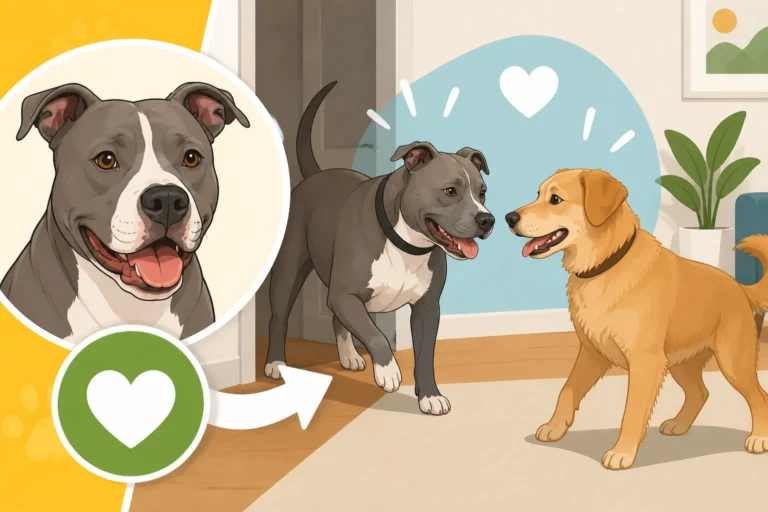
Start by swapping blankets or toys that each animal has slept with. Place the cat's blanket in your Pit Bull's sleeping area and vice-versa. Observe their reactions: a calm sniff is ideal; growling, hissing, or extreme avoidance are red flags. Reward calm curiosity with treats. Next, allow them to see each other without direct contact. Use a sturdy baby gate to separate them, or keep your Pit Bull on a leash and in a crate while the cat roams freely on its side of the gate. These initial visual exposures should be short and positive. Feed them treats simultaneously on opposite sides of the barrier, creating a positive association with each other's presence. The goal is for them to associate the sight and smell of the other animal with good things happening, like delicious food. Remember, even if the Pit Bull is showing excitement, ensure it's not frantic or overly focused behavior. Introducing a Pit Bull to an Existing Dog Slowly offers good principles that can be adapted here.
Supervised, Controlled Encounters
Once scent swapping and barrier introductions have been consistently calm, you can move to supervised, controlled encounters. This is where your Pit Bull’s leash manners and impulse control truly come into play, and where you, the handler, need to be fully present and engaged.
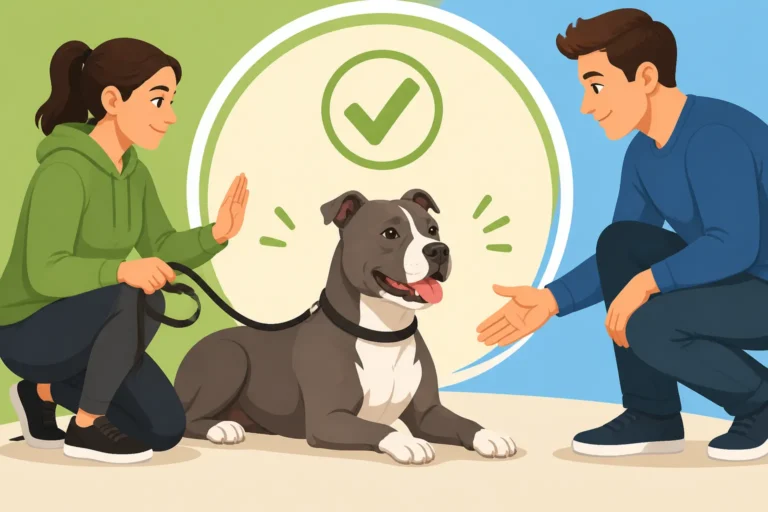
For these sessions, always keep your Pit Bull on a leash and harness. It's not about distrust; it's about control and preventing any sudden movements that could startle the cat or trigger your dog's prey drive. Ensure the cat has plenty of escape routes – those vertical spaces and open doors to cat-only rooms are vital here. Start with very short sessions, just a few minutes, several times a day. During these sessions, focus on positive reinforcement. Reward your Pit Bull for calm behavior, for looking at you instead of staring intensely at the cat, or for simply lying down. Use high-value treats that really capture their attention. Likewise, reward your cat for staying in the room, even if they're perched high up. Avoid forcing interaction. If either animal shows signs of stress (flattened ears, tail tucked, rigid body, excessive lip licking, yawning, panting in the dog), end the session calmly and try again later. Never leave them unsupervised during this stage. Consistency and patience are key. Think of it as incremental steps towards a larger goal.
Recognizing and Responding to Body Language
Understanding what your Pit Bull and cat are trying to tell you is paramount. They communicate constantly through their body language, and being able to "read" these signals can prevent incidents and foster a safer environment.
For your Pit Bull, watch for:
- Stiff body posture, intense stare: Often a precursor to a chase or lunge.
- High tail wagging, but stiff body: Excitement that could tip into predatory behavior.
- Lip licking, yawning (out of context), averting gaze: Signs of stress or discomfort.
- Loose, wagging tail, relaxed body, soft eyes: Good signs of calm and friendliness.
For your cat, observe:
- Piloerection (puffed fur), arched back, sideways stance, hissing/spitting: Clear signs of fear and defensiveness.
- Flattened ears, wide eyes, crouched posture, dilated pupils: Fear or readiness to bolt.
- Slow blink, relaxed tail, kneading: Signs of comfort.
If you see any signs of heightened arousal or discomfort, intervene immediately and calmly. Don't punish, but gently redirect your Pit Bull's attention with a verbal cue or a treat, or simply separate them for a break. Never allow your Pit Bull to chase, pounce, or corner the cat, even if it seems playful. What starts as play can quickly escalate, or simply terrorize your cat. If you consistently struggle to get calm interactions, it might be time to call in a professional trainer who specializes in multi-species households. Finding a Trainer Experienced With Pit Bulls is a good place to start.
Long-Term Management and Harmony
Even after successful introductions, managing a Pit Bull and cat in the same household is an ongoing commitment. It’s not a "one and done" situation; it requires consistent routines, continued training, and a watchful eye to ensure everyone remains safe and happy. The goal is peaceful coexistence, not necessarily best friends forever.
Maintaining Separate Feeding and Resting Areas
One of the most common triggers for conflict, even between otherwise harmonious pets, is resource guarding. This includes food, water, toys, and even preferred resting spots. To minimize this risk, always ensure your Pit Bull and cat have entirely separate, secure areas for eating and relaxing.
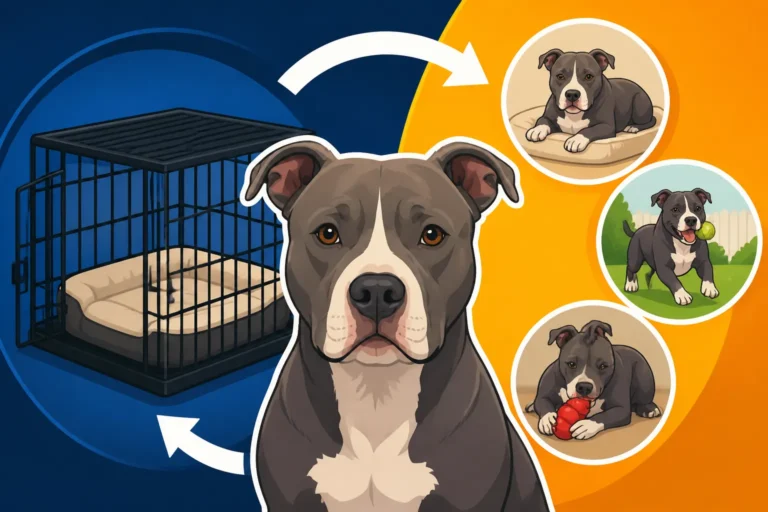
Feed your cat in a high place (like on a counter or a cat tree) or in a room accessible only to them, perhaps using a microchip-activated feeder if your Pit Bull is particularly opportunistic. This prevents your Pit Bull from attempting to snatch the cat’s food, which can lead to confrontation or simply nutritional imbalances. Similarly, each animal should have its own designated bed or resting area where they feel safe and undisturbed. These should not be shared or in close proximity. A cozy crate for your Pit Bull, with a comfortable bed, can serve as their safe retreat, and cats will appreciate their own designated beds or cat trees. This reduces competition and allows each animal to have their own space, leading to a more relaxed atmosphere overall.
Ongoing Training and Enrichment for Your Pit Bull
Training isn't something you finish; it's a lifelong process, especially with a strong, intelligent breed like a Pit Bull. Continued training and plenty of mental and physical enrichment are crucial for channeling their energy positively and reinforcing good manners around the cat.
Focus on strengthening impulse control commands like "leave it," "stay," and "go to your place." Practice these regularly, using high-value treats to make them rewarding. This helps your Pit Bull learn to ignore the cat when cued, even when their instincts might be telling them otherwise. Building a Pit Bull's Impulse Control is a really useful resource for this. Beyond formal training, provide ample exercise for your Pit Bull. A well-exercised dog is generally a calmer dog. This means daily walks, playtime in a secure yard, or engaging in dog sports. Mental enrichment, such as puzzle toys, scent games, or short training sessions, can be just as tiring and satisfying as physical exercise. These activities help redirect their natural drives and keep their minds active, reducing boredom that can sometimes lead to unwanted behaviors. Consider an online training program like BAXTER & Bella, which provides comprehensive resources for consistent training and behavioral development. Regularly reviewing their curriculum can help you maintain sharp skills in your Pit Bull.
When Professional Help is Needed
Despite your best efforts, sometimes the dynamic between a Pit Bull and a cat simply isn't working, or you might encounter challenges that feel beyond your capabilities. This is not a failure on your part; it's a sign that you need to bring in the experts.
If you observe consistent signs of stress or fear in either animal, if your Pit Bull continues to show intense predatory focus despite management, or if any incidents occur (even minor ones), it's time to seek professional help. A certified professional dog trainer (CPDT-KA) or a veterinary behaviorist can assess your specific situation, identify underlying issues, and develop a tailored behavior modification plan. They can offer insights into body language you might be missing, suggest specific training techniques, and provide strategies for managing the environment that you haven't considered. They might also rule out any underlying medical conditions that could be contributing to behavioral changes. Don't wait until a serious incident happens. Early intervention from a qualified professional can make all the difference in achieving a peaceful multi-species home. Knowing when to call in a professional is a sign of responsible pet ownership, prioritizing the safety and well-being of all your beloved animals.
Safe Spaces and Management Tools for Pit Bulls and Cats
Creating a harmonious multi-species home relies heavily on thoughtful management and providing dedicated, safe spaces for both your Pit Bull and your cat. Here’s a quick overview of essential tools and strategies:
| Category | For Your Pit Bull | For Your Cat | Purpose & Benefit |
|---|---|---|---|
| Containment | Sturdy Crate, Heavy-duty Baby Gates, Secure Yard Fencing | Cat-only Rooms (with locked doors), Tall Baby Gates | Prevents unsupervised interactions; provides a safe retreat; crucial for initial introductions and management. |
| Leash & Harness | Escape-proof Harness, 6-foot Leash, Training Long Line | Secure Carrier | Essential for controlled, supervised introductions; safe transport; Leads and Collars That Will Not Fail on a Pit Bull. |
| Safe Retreats | Dedicated Dog Bed in a quiet, low-traffic area | Tall Cat Trees, Wall Shelves, Window Perches, Cat Condos | Allows cats to escape vertically; provides dogs a calm resting spot away from feline interaction. |
| Feeding | Measured Meals in designated dog area | Elevated Food Bowls, Microchip Feeders, Cat-only Room Feeders | Prevents resource guarding; ensures each pet gets appropriate nutrition; reduces stress around meal times. |
| Enrichment | Durable Chew Toys (e.g., Kongs), Puzzle Feeders, Flirt Poles | Interactive Toys (wand toys), Scratching Posts, Puzzle Feeders | Channels predatory energy; reduces boredom; provides mental stimulation; can redirect attention from the other pet. |
Disclaimer
This article is for general informational purposes only and does not constitute professional advice. Laws, prices and regulations vary by location and change over time. Consult a qualified professional for guidance on your specific situation.