A Pit Bull That Digs Up the Yard
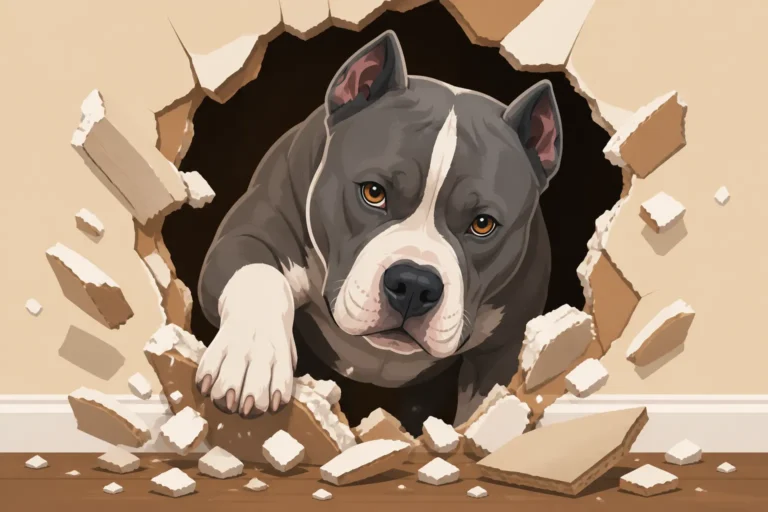
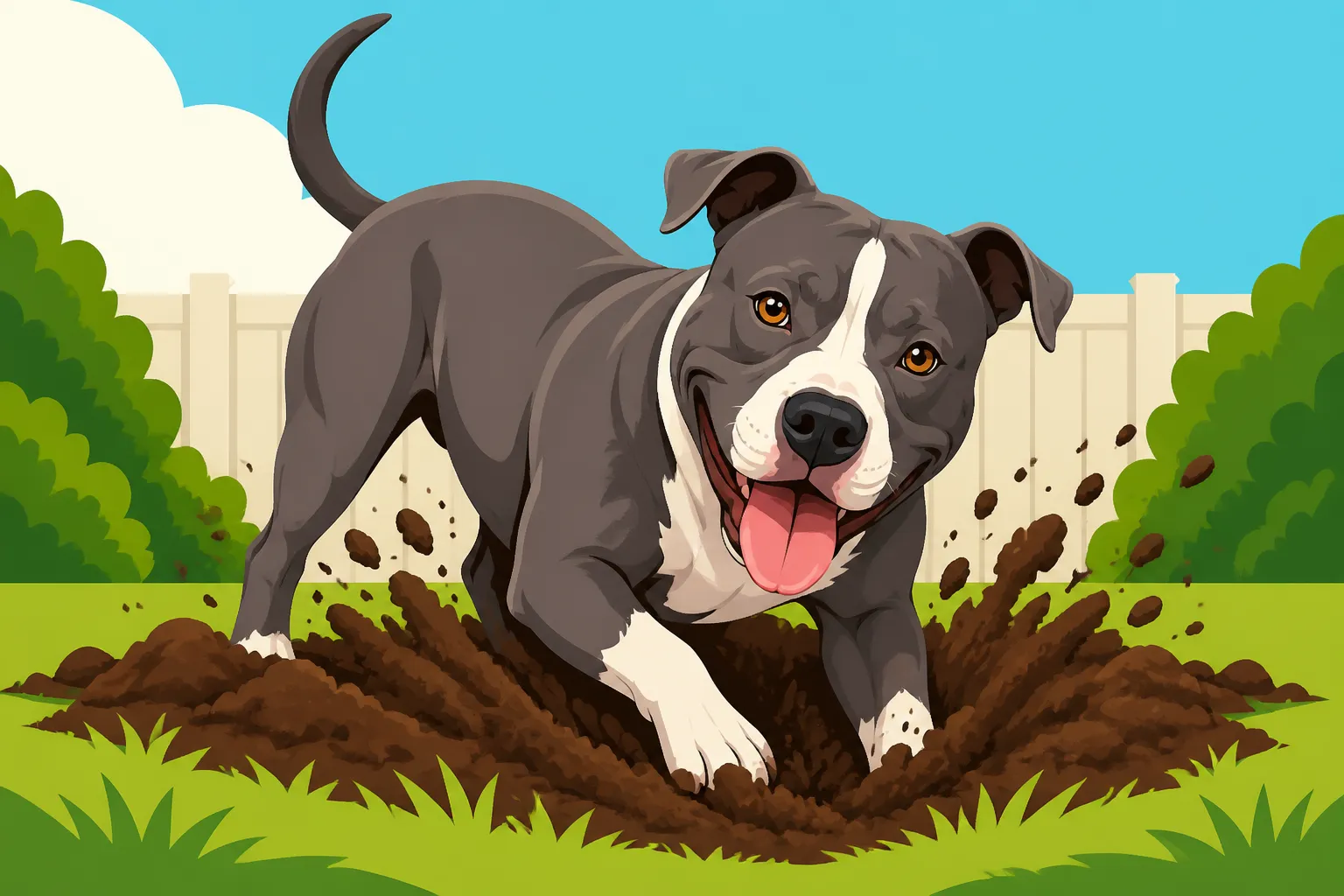
It’s incredibly frustrating to step into your backyard, expecting a peaceful green space, only to find it riddled with craters and freshly unearthed dirt thanks to your energetic Pit Bull. This isn't just about a messy yard; it's about understanding a deeply ingrained canine behavior that can lead to damaged landscaping, escape attempts, and even injuries if not properly addressed. This comprehensive guide will help you decode why your Pit Bull is digging, differentiate between types of digging, and equip you with practical strategies to manage this challenging behavior, restoring harmony to your home and yard.
Why Pit Bulls Dig: Unpacking Their Innate Drive
Digging is one of those classic dog behaviors that, while natural, can drive us absolutely mad. For Pit Bulls, with their strong physical build and active minds, it's often more than just a casual pastime. Their history and inherent traits contribute significantly to why they might turn your meticulously maintained lawn into a construction site. Understanding the root cause is the first step toward finding a solution.
The Strong Prey Drive and Hunting Instincts
Pit Bulls, like many terrier-type dogs, often possess a robust prey drive. This isn't about being aggressive; it's about a hardwired instinct to hunt and capture. Imagine a small critter — a squirrel, a mouse, a gopher, or even a beetle — tunneling under your yard. To your Pit Bull, that movement, scent, or even a faint sound is an irresistible invitation to investigate. They're not being naughty; they're simply following their instincts. They might dig to track a scent that suggests a burrowing animal lives beneath the surface, or they might even be trying to catch something they've already spotted. This kind of digging is often very focused and intentional, usually at the base of trees, along fence lines, or near bushes where small animals tend to hide. It's their primal job, in their mind, to unearth whatever critter is trying to hide from them. You might notice them sniffing intently at a spot before they start to furiously excavate. This isn't random; it's a mission. Pit Bull Prey Drive Around Cats and Small Animals touches on similar instincts.
Boredom and Lack of Mental or Physical Stimulation
Let's be real, a bored Pit Bull is a destructive Pit Bull. These are intelligent, athletic dogs that need a job, or at least a good outlet for their energy. If your Pit Bull isn't getting enough physical exercise or mental engagement, digging can become their self-appointed "job." It’s an incredibly satisfying activity for them – it’s physical, it provides sensory input, and it offers a challenge. Think about it: a dog left alone in a yard with nothing to do for hours is going to find ways to entertain itself. For many Pit Bulls, that entertainment comes in the form of reshaping the landscape. This type of digging often appears more scattered and less targeted than prey-driven digging, with holes appearing in various spots, sometimes even in the middle of the lawn, simply for the sheer enjoyment of it. It’s an expression of pent-up energy, a way to release frustration, and a desperate plea for something more engaging to do. Ensuring your Pit Bull gets The Daily Exercise a Pit Bull Actually Needs is crucial.
Seeking Comfort: Cooling, Warming, or Denning
Dogs have always sought comfort in the earth. In the wild, they would dig dens for shelter, to regulate body temperature, or to create a safe place for their young. Even our domesticated Pit Bulls retain some of these instincts. On a hot summer day, a cool patch of damp earth can feel like a godsend to a dog with a short coat trying to escape the sun's harsh rays. They'll scrape away the top layer of warmer soil to get to the cooler earth beneath, creating a shallow "bed." Conversely, on a chilly day, digging a shallow depression can offer a slightly more protected spot from the wind, helping them to conserve body heat. Some digging also stems from a more general denning instinct, where they might try to create a cozy, sheltered spot to rest or hide a prized chew toy. This often happens in shaded areas or under bushes, where they might feel more secure and out of sight.
Identifying the Type of Digging Your Pit Bull Is Doing
Not all digging is created equal. Observing when, where, and how your Pit Bull digs can offer critical clues about the underlying motivation, which in turn informs the most effective intervention. Pinpointing the exact reason will save you a lot of guesswork and frustration.
Escape Attempts and Fence-Line Digging
This is perhaps one of the most concerning forms of digging, as it directly impacts your dog's safety and your peace of mind. If your Pit Bull is consistently digging along the fence line, especially under gates or at weak points in the barrier, they are likely trying to escape. This is often driven by a desire to explore, to reach something interesting on the other side (a person, another dog, a squirrel!), or even by separation anxiety if they're trying to get back to you. Pit Bulls are powerful and determined, and a small hole can quickly become an exit route. You might notice dirt piled up neatly on one side of the fence, or signs of them trying to squeeze through. This kind of digging usually focuses intensely on one or two specific spots, rather than being scattered across the yard. It's a clear signal that they either want something out there or they don't want to be in here.
Anxiety and Stress-Related Digging
Just like humans fidget or pace when stressed, dogs can exhibit displacement behaviors when anxious, and digging is a common one. If your Pit Bull is left alone for long periods, or if there are significant changes in their environment (like new neighbors, construction noise, or a new pet), they might dig as a way to cope with their anxiety. This type of digging can sometimes be accompanied by other stress signals like excessive barking, pacing, destructive chewing indoors, or even house-soiling. They might dig near entryways or windows, or in random, frantic bursts. It's not about being naughty; it's a manifestation of underlying emotional distress. Recognizing signs of Pit Bull anxiety that rushes the door or other anxiety behaviors is key to addressing this.
Attention-Seeking Digging
Sometimes, your Pit Bull might have learned that digging gets your attention – any attention, even negative attention. If you tend to rush out and scold them every time they start digging, they might associate the act of digging with you coming outside and interacting with them. Even if it's a stern "no!" and a frustrated sigh, it's still engagement from you, which can be reinforcing for a dog craving interaction. This behavior often starts when you are present or visible, and the dog looks back at you as they dig, gauging your reaction. It's their way of saying, "Hey! Look at me! I'm here!" This is a subtle but important distinction, as the solution here involves ignoring the unwanted behavior and redirecting to desired ones, rather than directly punishing.
Here's a quick summary table to help you identify the type of digging you're seeing:
| Type of Digging | Common Locations | Typical Cues/Signs | Underlying Motivation |
|---|---|---|---|
| Prey/Hunting | Fence lines, base of trees, shrubs, flower beds | Intense sniffing, focused digging in one spot, often near tunnels/burrows | Instinct to catch small animals |
| Boredom/Lack of Stim. | Random spots in the yard, widespread holes, sometimes near objects of interest | No particular target, often accompanied by other destructive behavior like Pit Bull Chewing and Destructive Behavior | Release of pent-up energy, self-entertainment |
| Escape Attempts | Along fence lines, under gates, weak spots in perimeter | Consistent digging in specific exit points, dirt often pushed away from fence | Desire to get out, reach something outside, separation anxiety |
| Comfort/Denning | Shaded areas, under bushes, near house foundation | Shallow depressions, often lies in the hole after digging | Seeking cool/warm spot, security, den instinct |
| Anxiety/Stress | Near doors/windows, scattered, frantic, sometimes accompanied by other stress signs | Pacing, excessive barking, destructive indoors | Coping mechanism for emotional distress |
| Attention-Seeking | Often when owner is present/visible, looks back at owner while digging | Seeks eye contact, stops when approached, resumes when ignored | Craving interaction, learned behavior |
Effective Strategies to Manage Pit Bull Yard Digging
Once you have a better idea of why your Pit Bull is digging, you can implement targeted strategies to manage the behavior. A multi-faceted approach is often the most successful, addressing both the underlying motivation and providing acceptable outlets.
Increasing Physical Exercise and Mental Stimulation
This is foundational for any active, intelligent breed like a Pit Bull. A tired dog is generally a well-behaved dog. Increase the duration and intensity of your daily walks, runs, or play sessions. Incorporate activities that engage their minds as well as their bodies. Think about fetch, flirt pole play (with proper safety precautions for joints, especially in growing dogs), or even structured obedience training sessions in the yard. For example, a 30-minute power walk isn't enough for many Pit Bulls. Aim for at least one to two hours of active exercise per day, broken into multiple sessions.
Beyond physical exertion, challenge their brains. Indoor Trick Work for a Bored Pit Bull can be a lifesaver on rainy days. Puzzle feeders, snuffle mats, and scent work games are excellent ways to provide mental enrichment that taps into their natural instincts in a positive way. Rather than leaving food in a bowl, make them "work" for it by scattering it in the grass (if not prone to eating non-food items) or using a slow feeder. Toys from brands like Kong or Goughnuts, readily available on Amazon, are often durable enough to withstand a Pit Bull's powerful jaws and can be stuffed with treats to keep them occupied for longer periods.
Creating a Designated Digging Area
If your Pit Bull is a committed digger, sometimes the best approach isn't to stop the behavior entirely, but to redirect it. Create a "sanctioned" digging spot in your yard, like a sandbox or a dedicated patch of soft earth in an out-of-the-way corner. Make it appealing! Bury high-value treats, favorite toys, or even some safe chews in this area. When you see your Pit Bull starting to dig elsewhere, gently interrupt them and lead them to their digging pit. Encourage them to dig there and praise them lavishly when they do. Consistency is key here. Every time they start to dig in an undesirable spot, redirect them to the approved area. This teaches them that digging is okay, but only in this specific place. For added allure, you could spray some dog-safe scent (like a diluted deer urine spray, if appropriate for your area) in the digging pit to really tap into that prey drive.
Secure Fencing and Deterrents
For escape artists and fence-line diggers, securing your perimeter is non-negotiable. This might involve burying chicken wire horizontally along the fence line, extending inwards about 18-24 inches to create an "apron" that prevents digging directly under the fence. You can also place large rocks or landscape timbers at the base of the fence. For particularly determined diggers, consider adding a secondary fence or creating a "no-dig zone" along the perimeter with uncomfortable surfaces like gravel or rough stones (ensure it's not sharp or harmful).
For general yard digging, certain deterrents can be effective in specific areas you want to protect, such as flower beds.
- Physical Barriers: Placing large, flat stones, chicken wire (mesh-side up, secured), or landscape fabric over vulnerable areas can make digging less appealing.
- Scent Deterrents: Dogs dislike certain smells. Sprays with bitter apple, citrus, or even cayenne pepper (used very sparingly and carefully, as it can irritate skin/mucous membranes) can deter digging in specific spots. Always test a small area first and ensure it's safe for your dog and plants.
- Motion-Activated Sprinklers: These can be surprisingly effective. When your Pit Bull approaches a forbidden digging spot, the sudden spray of water provides a harmless but startling deterrent, breaking the cycle of behavior.
Training and Positive Reinforcement
Training plays a huge role in managing any unwanted behavior. Teach your Pit Bull a solid "leave it" command. This can be invaluable when you see them heading for a digging hot spot. Use High-Value Treats That Hold a Pit Bull's Focus to reward them for listening and walking away from the temptation to dig. Work on impulse control exercises, such as "wait" before going outside or for food.
For attention-seeking digging, the strategy is to ignore the digging itself (as long as it's not destructive or an escape attempt) and only reward calm, non-digging behavior. When they pause digging and look at you, or lie down calmly, that's your moment to praise and reward. You can also actively interrupt unwanted digging by offering a desirable alternative, like a puzzle toy or a short play session with you away from the digging spot. Consistency here will teach them that calm behavior, not destructive digging, gets your attention. BAXTER & Bella offers online training programs that can help you implement these positive reinforcement techniques effectively, guiding you through the process of teaching impulse control and redirecting unwanted behaviors.
Managing Anxiety and Stress
If digging is rooted in anxiety, addressing the underlying stress is paramount. For separation anxiety, this could involve counter-conditioning (associating your departure with positive things like a stuffed Kong), desensitization (gradually increasing the time you're away), and ensuring they have a safe, comfortable space like a well-appointed crate. Make sure the crate is one The Crate a Pit Bull Cannot Break Out Of and that they are comfortable being in it. You might also consider leaving on calming music or a TV when you leave. In more severe cases of anxiety, consulting with a veterinary behaviorist or certified professional dog trainer is crucial. They can help identify triggers and develop a tailored behavior modification plan, which might include medication in conjunction with training.
When to Seek Professional Guidance
Sometimes, despite your best efforts, the digging persists or escalates. This is not a failure on your part; it simply means it’s time to bring in the experts.
Persistent or Destructive Digging
If your Pit Bull's digging is causing significant damage to your property, creating hazards, or seems impossible to curb with your current strategies, a professional dog trainer or behaviorist can offer invaluable assistance. They have the expertise to observe your dog's behavior, analyze the nuances you might miss, and develop a customized plan. They can help identify deep-seated motivations you haven't uncovered and teach you advanced techniques for behavior modification. Don't feel ashamed to reach out; it shows you're committed to your dog's well-being and your own sanity! If you are struggling, consider Finding a Trainer Experienced With Pit Bulls.
Accompanying Behavioral Issues
If the digging is coupled with other concerning behaviors such as severe separation anxiety, aggression towards other dogs or people, excessive vocalization, or other destructive habits, it's definitely time to bring in a professional. These multiple issues often point to a more complex underlying problem that requires a holistic approach. A veterinary behaviorist, who is a veterinarian with specialized training in animal behavior, can assess for any medical conditions contributing to the behavior and prescribe medication if necessary, alongside a behavior modification plan.
By understanding the "why" behind your Pit Bull's digging and applying consistent, patient strategies, you can transform your cratered yard back into a peaceful haven, and strengthen the bond with your determined digging companion.
Disclaimer
This article is for general informational purposes only and does not constitute professional advice. Laws, prices and regulations vary by location and change over time. Consult a qualified professional for guidance on your specific situation.