Preparing a Pit Bull for the Ten CGC Items
Many Pit Bull owners face an uphill battle when it comes to public perception, often feeling like their beloved dogs are constantly being judged or misunderstood. It's a frustrating reality to know your dog is a gentle, well-behaved companion, yet still encounter apprehension or outright fear from strangers. This guide is all about helping you equip your Pit Bull to shine by mastering the Canine Good Citizen (CGC) test, a certification that not only proves your dog's impeccable manners but also acts as a powerful advocate against unfair stereotypes.
Why the Canine Good Citizen Test is a Game-Changer for Pit Bulls
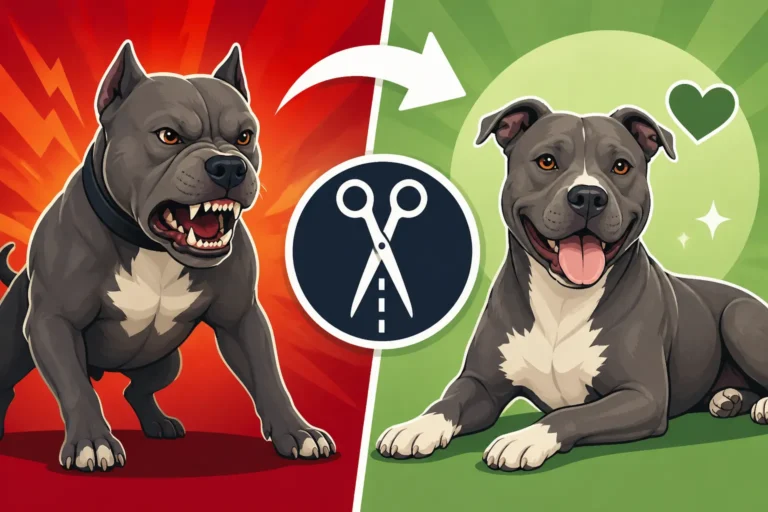
For us Pit Bull owners, the Canine Good Citizen (CGC) program isn't just another certificate to hang on the wall; it's a statement. It's about demonstrating, unequivocally, that our dogs are polite, well-mannered members of society, capable of handling themselves calmly in everyday situations. In a world where breed stereotypes too often precede the individual dog, passing the CGC test can be a crucial step in changing hearts and minds, one interaction at a time. It provides tangible proof of your Pit Bull's good behavior, which can be invaluable in a variety of real-world scenarios.
Building Confidence and Public Trust
One of the biggest hurdles Pit Bull owners face is the inherent bias many people carry. When you walk down the street with a well-trained, confident Pit Bull who calmly sits when you stop, waits patiently while you chat, and ignores distractions, it speaks volumes. The CGC test focuses on practical, real-world skills that directly address common concerns. A dog that can "leave it" when a dropped french fry appears, or politely greet a stranger without jumping, showcases the very best of responsible dog ownership. This visible competence not only boosts your confidence as a handler but also helps erode the misconceptions others might hold. It allows your dog to be seen for who they truly are: a well-adjusted companion. Imagine the difference when someone who usually crosses the street instead asks if they can pet your calm, certified dog. That’s the power of the CGC.
Opening Doors in a Restrictive World
Let's be real, navigating housing and insurance with a Pit Bull can feel like walking through a minefield. Many landlords, HOAs, and insurance companies have breed restrictions, making it incredibly difficult to find a place to live or get adequate coverage. While a CGC certificate isn't a magic wand, it can absolutely be a powerful tool in your advocacy arsenal. When faced with a "no Pit Bulls" policy, being able to present a certificate from a recognized organization like the American Kennel Club (AKC) demonstrating your dog's exemplary manners can sometimes sway a decision. It shows you're a responsible owner who has invested in your dog's training and behavior. Think of it as a character reference for your dog – a formal one that says, "This dog is not a risk; this dog is a trained companion." It won't work in every instance, as some policies are ironclad, but it significantly increases your chances and offers a strong counter-argument to generic breed-specific bans. Having this kind of documentation in hand can make all the difference when you're trying to find a Finding a Rental That Takes a Pit Bull or even Getting Home Insurance With a Pit Bull.
Understanding the Ten CGC Items: What Your Pit Bull Needs to Master
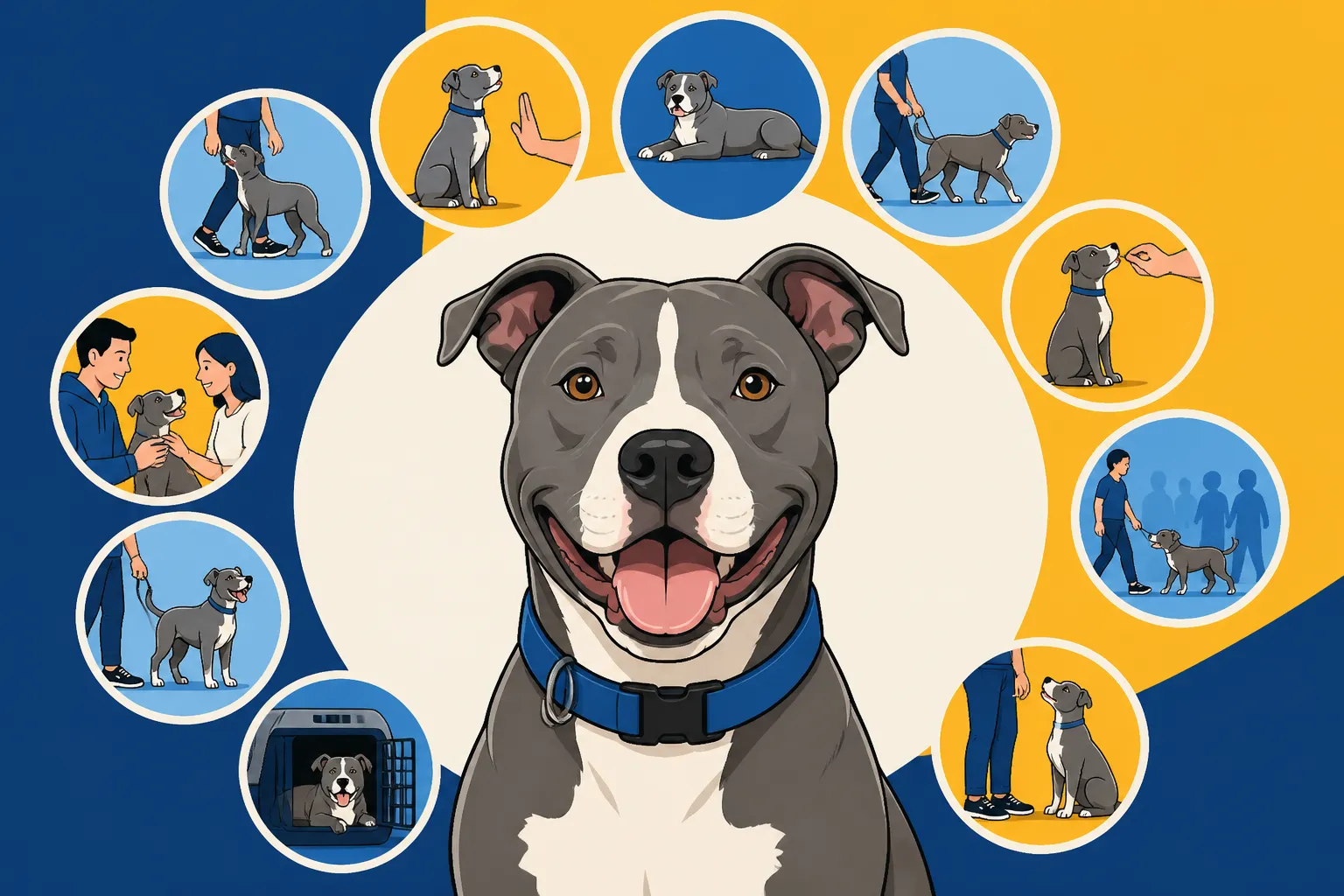
The Canine Good Citizen test consists of ten distinct items, each designed to assess your dog's manners and reliability in various everyday situations. It's not about complex tricks, but about demonstrating basic obedience and polite behavior. For Pit Bull owners, approaching these items with an understanding of our dogs' unique strengths and potential challenges is key. Each item needs to be practiced in a way that builds confidence and consistency, so your dog performs reliably, even under mild distraction.
Item 1: Accepting a Friendly Stranger
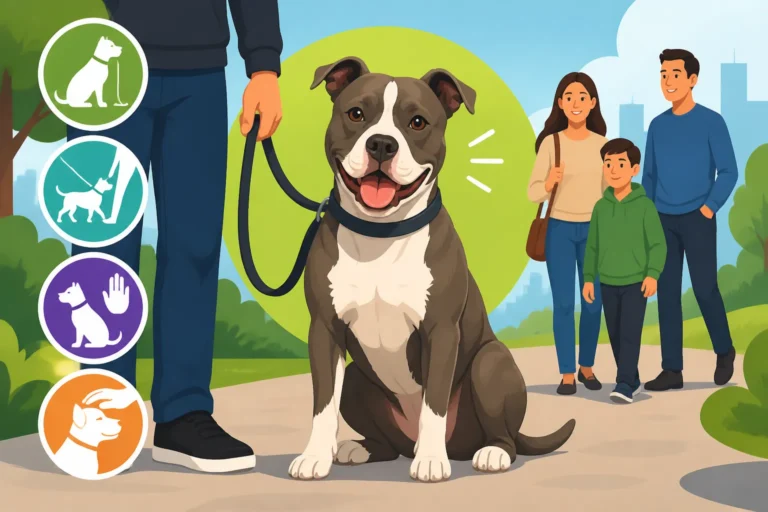
This item tests your Pit Bull's ability to remain calm and allow a friendly stranger to approach and speak to you without shyness or aggression. The stranger will walk up to you, offer a handshake, and briefly chat. Your dog should sit politely or stand calmly by your side, without jumping up or barking. For many Pit Bulls, who often have a natural exuberance and desire to greet, the challenge here is often managing that enthusiasm rather than fear or aggression. Practice having friends and family, and even willing strangers, approach you in a calm manner, always rewarding your dog for a "four on the floor" greeting. It’s about teaching them that a calm presence gets them what they want – praise or a gentle pet – rather than a boisterous jump. Socializing a Pit Bull Around Strangers is critical here.
Item 2: Sitting Politely for Petting
Following the friendly stranger, this item tests your Pit Bull's comfort with being touched by a stranger. The stranger will pet your dog, typically on the head or back, while you maintain control. Again, the goal is for your Pit Bull to accept this interaction calmly, without shying away, growling, or jumping up. Many Pit Bulls adore attention, so the main focus is preventing them from becoming overly excited. Consistent practice with various people, focusing on gentle, controlled petting, and rewarding calm acceptance, is vital. This also means teaching your dog to tolerate handling, a crucial skill for vet visits and grooming. For additional resources, online programs like BAXTER & Bella offer structured lessons that can guide you through these specific handling exercises, ensuring consistency in your training approach.
Item 3: Appearance and Grooming
This item assesses your Pit Bull's willingness to be examined and groomed. The evaluator will pretend to brush your dog, gently check their ears, and lift each paw. Your dog needs to stand or sit calmly, allowing these actions without resistance, shyness, or aggression. Given that Pit Bulls can sometimes have sensitive skin or ear issues, making these experiences positive from a young age is paramount. Regular at-home grooming, gentle ear cleaning practice, and paw handling sessions, paired with high-value rewards, will make this item a breeze. This is also a good time to get comfortable with Cleaning a Pit Bull Ear Properly.
Item 4: Out for a Walk (Walking on a Loose Leash)
This is a big one for many dog owners, especially those with powerful breeds like Pit Bulls. Your dog must walk on a loose leash, alongside you, through a small group of people. The leash should not be taut, indicating that your dog is pulling. The challenge with a strong Pit Bull is their natural strength and drive. Mastering a loose leash walk requires consistent practice and the right equipment. Using a front-clip harness or a head halter can be incredibly helpful during training to manage pulling. Consistent positive reinforcement for walking nicely, even for short distances, will build the muscle memory needed for this item. Check out Pit Bull Leash Manners and Physical Strength for more tips.
Item 5: Walking Through a Crowd
Building on the loose-leash walk, this item tests your Pit Bull's ability to navigate a crowded environment without becoming distracted or disruptive. You'll walk around and through at least three people, making a figure-eight pattern. Your dog should remain focused on you, not straining on the leash to greet others or reacting to their presence. This requires a strong "watch me" command and proofing your loose-leash walking in increasingly distracting environments. Start in quiet areas and gradually introduce more people, always rewarding calm behavior and focus on you.
Item 6: Sit and Down on Command/Staying in Place
This item combines two crucial obedience commands: "sit" and "down," along with a short "stay." Your dog must perform a sit and a down on command, then hold a "stay" for a brief period (you can use either position) while you stand a short distance away. For active, intelligent Pit Bulls, mastering these commands often comes easily, but proofing the "stay" with distractions is where the real work lies. Practice in different locations, with varying durations and distances, and gradually introduce mild distractions. The key is to build up their impulse control, allowing them to remain calm and focused even when their instincts tell them to move.
Item 7: Coming When Called (Recall)
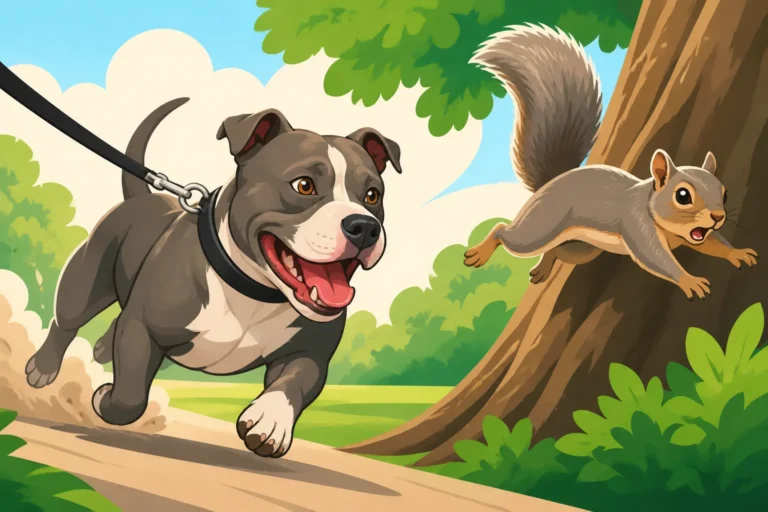
A reliable recall is arguably one of the most important commands any dog can learn, and it's essential for the CGC. You will walk away from your Pit Bull, turn, and call them. Your dog must promptly and happily come directly to you. This is where high-value rewards truly shine. Make coming to you the most exciting and rewarding thing your dog can do. Practice in safe, enclosed areas first, gradually increasing distractions. Never scold your dog for a slow recall; always make it a positive experience. A strong recall is paramount for your Pit Bull's safety and your peace of mind, especially when you consider Why a Pit Bull Should Not Be Off Leash in Public.
Item 8: Reaction to Another Dog
This item assesses your Pit Bull's ability to remain calm and controlled when encountering another dog. Two handlers, each with a dog, will approach each other, stop, shake hands, and exchange a few words, then continue walking. Your Pit Bull should not lunge, bark, or strain on the leash towards the other dog. This doesn't mean they have to interact; polite indifference is the goal. For Pit Bulls, who can sometimes be "dog selective," this item requires careful management and training. Practice parallel walking with calm, known dog friends first, gradually decreasing the distance while maintaining focus on you and rewarding calm behavior. This skill is vital for Pit Bull Dog Selectivity and Multi-Dog Homes.
Item 9: Reaction to Distractions
Life is full of unexpected noises and sights, and this item tests your Pit Bull's ability to handle them gracefully. The evaluator will create two mild distractions, such as dropping a book or dragging a chair. Your dog should show only a casual interest, or at most a slight startle, recovering quickly without panicking, barking, or becoming aggressive. This is about building resilience. Expose your Pit Bull to a variety of everyday sounds and sights in a controlled, positive manner, always associating novel stimuli with good things like treats and praise. The goal is a dog that can experience new things without becoming overwhelmed.
Item 10: Supervised Separation
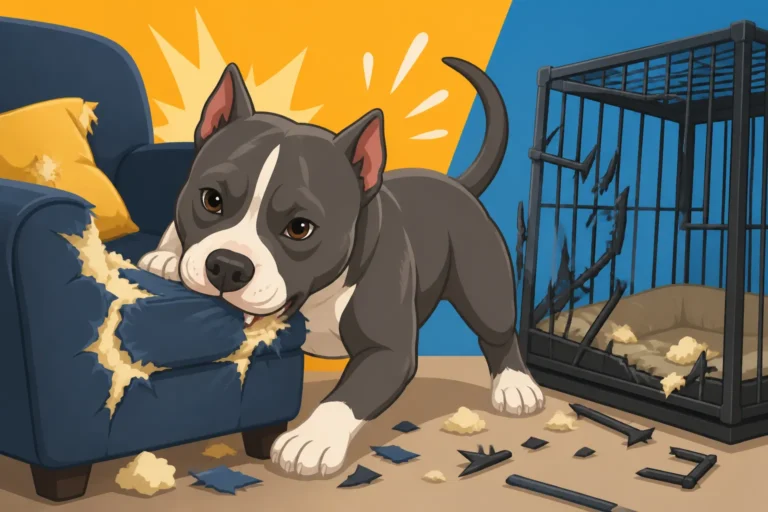
The final item assesses your Pit Bull's comfort with being briefly separated from you. You will leave your dog with the evaluator (or a trusted assistant) for three minutes, out of sight. Your dog should remain calm and quiet, without excessive barking, whining, or frantic pacing. This item can be particularly challenging for dogs with separation anxiety. Start with very short separations in familiar environments, gradually increasing duration and moving out of sight. Leave them with a safe, enriching chew toy to help them settle. This also highlights the importance of proper crate training from a young age.
Practical Training Strategies for CGC Success with Your Pit Bull
Preparing your Pit Bull for the Canine Good Citizen test is a rewarding journey that strengthens your bond and hones their manners. It’s not just about passing a test; it’s about integrating these skills into your daily life. Consistency, patience, and positive reinforcement are your greatest allies. Remember, your Pit Bull wants to please you, and with the right approach, they can excel.
The Power of Positive Reinforcement
When training a Pit Bull, positive reinforcement isn't just a suggestion, it's the foundation of effective and humane training. Your Pit Bull is intelligent and eager to work, but they respond best to rewards for good behavior, not punishment for mistakes. Use high-value treats, enthusiastic praise, and favorite toys to reward every step towards mastering the CGC items. If your dog gets it right, even partially, mark that moment with a "yes!" or a clicker, and then deliver a reward. This method builds confidence and makes training a fun, engaging experience for both of you. For instance, when practicing "sit politely for petting," every time your dog keeps all four paws on the ground while being touched, they get a small, tasty treat. This helps them associate calm behavior with positive outcomes. Don't underestimate High-Value Treats That Hold a Pit Bull's Focus to get their attention!
Structured Practice and Proofing
The CGC test is designed to evaluate real-world manners, so your training needs to extend beyond your living room. Start practicing each item in a quiet, familiar environment. Once your Pit Bull is performing reliably there, begin "proofing" the behavior by gradually introducing distractions and changing locations. Practice "loose-leash walking" on your regular street, then at a park, and finally near a busy shopping area (from a safe distance, of course). The key is gradual progression – don't jump from your backyard to a crowded street and expect perfection. If your Pit Bull struggles, go back to a less distracting environment and build up again. Consistent, short training sessions (5-10 minutes) several times a day are often more effective than one long, tedious session.
Here's a sample progression for proofing:
| CGC Item | Stage 1: Low Distraction | Stage 2: Medium Distraction | Stage 3: High Distraction |
|---|---|---|---|
| Loose Leash Walk | Quiet backyard or empty street | Neighborhood park (few people) | Busy pedestrian area (maintain distance) |
| Recall | Inside home, short distance | Fenced yard, longer distance | Dog park (enclosed, minimal dogs) |
| Sit/Down/Stay | Home, no one else around | Park with people walking by | Near kids playing or other dogs |
| Stranger Petting | Family members | Acquaintances, calm strangers | Busy public area, various people |
You can find many training tools on Amazon, from sturdy harnesses perfect for Harness Fit Across a Broad Pit Bull Chest to puzzle toys that help with mental enrichment during downtime.
Enrolling in a Class
While self-study is definitely possible, enrolling in a dedicated CGC preparation class can be incredibly beneficial. These classes provide a structured environment, experienced trainers who can troubleshoot specific challenges, and built-in distractions (like other dogs and people) to help proof your Pit Bull's skills. A good trainer will understand the nuances of working with powerful breeds and can offer tailored advice for your Pit Bull's specific personality. Plus, the social aspect for both you and your dog can be a huge bonus. Many local dog training facilities or even online platforms like BAXTER & Bella offer excellent resources that align with CGC goals, providing community and expert guidance every step of the way. Finding a Trainer Experienced With Pit Bulls is crucial for success.
Overcoming Common Pit Bull Challenges During CGC Preparation
Let's be honest, Pit Bulls come with incredible strengths, but like any dog, they can present specific training challenges. Knowing what these might be and how to proactively address them will set you up for success during your CGC journey. It’s not about finding fault with the breed, but understanding their natural tendencies and channeling them positively.
Managing High Energy and Excitement
Pit Bulls are often powerful, athletic dogs with a zest for life. This high energy and enthusiasm can sometimes translate into jumping on strangers, pulling on the leash, or getting over-excited around other dogs. For the CGC, controlled calm is often the goal. To tackle this, ensure your Pit Bull gets adequate exercise before training sessions. A tired dog is usually a more focused student. Incorporate impulse control exercises into your daily routine, teaching your dog to wait for food, wait at doors, and release toys on command. For leash pulling, a good front-clip harness can be a game-changer, giving you better steering control without causing discomfort. Consistent practice of a "place" command can also teach them to settle calmly even when exciting things are happening around them. Remember, The Daily Exercise a Pit Bull Actually Needs is often more than people realize.
Addressing Dog Selectivity
One trait some Pit Bulls exhibit is "dog selectivity," meaning they might not be universally friendly with all other dogs, or they might have a very specific play style. The CGC test requires polite indifference to other dogs, not necessarily enthusiastic greeting. If your Pit Bull tends to be reactive or overly aroused by other dogs, focus on parallel walks at a comfortable distance, rewarding calm behavior and eye contact with you. Use management tools like a basket muzzle during public training sessions (after proper conditioning, of course) to ensure safety and your peace of mind. This is about teaching your dog that the presence of another dog doesn't mean they have to engage, and that focusing on you leads to good things. For more on this, check out What Dog Selectivity Means in a Pit Bull.
Overcoming Public Perception and Handler Nerves
Sometimes, the biggest challenge isn't your Pit Bull, but the perception others have, and even your own nerves as a handler. Walking a Pit Bull, especially one in training, means you might get stares or hear comments. It’s easy to become self-conscious, which can inadvertently affect your dog's performance. Remember, the CGC test is your opportunity to showcase your dog's excellent training. Walk tall, be confident in your handling, and focus on your Pit Bull. If someone makes a negative comment, politely assert that your dog is a Canine Good Citizen in training, or simply ignore it. Your calm confidence will reflect in your dog's demeanor. It's a testament to Training a Pit Bull to a Higher Standard Than Other Dogs, and your dedication will shine through.
Disclaimer
This article is for general informational purposes only and does not constitute professional advice. Laws, prices and regulations vary by location and change over time. Consult a qualified professional for guidance on your specific situation.