Softening a Pit Bull’s Grab for Treats
It’s a common scenario for many Pit Bull owners: you go to offer your beloved companion a treat, and instead of a delicate sniff and soft take, you get a quick, enthusiastic grab that can sometimes catch your fingers! It's not usually aggressive, but that strong jaw and sheer eagerness can be startling, and even a little painful, leaving you wondering if your dog will ever learn some table manners. This guide is here to walk you through practical, positive reinforcement techniques to teach your Pit Bull to take treats gently, making every reward a pleasant experience for both of you.
Understanding the "Grab" Behavior in Pit Bulls
When your Pit Bull snaps up a treat with gusto, it's rarely a sign of malice or aggression. More often than not, it's simply a display of incredible enthusiasm, combined with a lack of understanding about how to take things delicately. Pit Bulls are known for their strength, drive, and often, their boundless energy. This robust physical nature translates into how they interact with their environment, including how they take food.
The Instinct Behind the Enthusiasm
Think about it from your Pit Bull's perspective. Treats are high-value rewards. They smell amazing, taste incredible, and often come with a burst of positive attention from you. For a dog with a history of being highly food-motivated – which many Pit Bulls certainly are – the instinct is to secure that delicious morsel as quickly and efficiently as possible. This can be rooted in ancestral survival instincts where competition for food was real, or simply a learned behavior from repeated experiences where a quick grab was always rewarded with the treat. There's also the pure joy of the moment; they're excited to see you and excited for the treat! This isn't unique to Pit Bulls, of course, but their powerful jaws and strong drive can make the behavior more pronounced and, frankly, more noticeable when it goes awry. It's not about being "bad"; it's about being a dog with natural instincts that haven't been refined for polite human interaction.
When a "Grab" Becomes a Problem
While enthusiasm is endearing, a consistent "grab" or "nip" can lead to several frustrations. The most obvious is discomfort or pain for the handler. No one wants to flinch every time they offer their dog a treat. This can make training less enjoyable and even deter owners from offering treats by hand, which is a crucial part of bonding and positive reinforcement. Beyond the immediate discomfort, a hard treat take can erode confidence, especially for children or new family members interacting with the dog. If a child offers a treat and gets nipped, it can create fear and negative associations, which we absolutely want to avoid with a breed that often faces unfair stereotypes. It's about teaching your Pit Bull to modulate their bite and understand that a gentle approach actually gets them what they want faster and more pleasantly for everyone involved. Addressing this behavior early, especially with a young Pit Bull, can prevent it from becoming a deeply ingrained habit that's harder to change later on. What to Teach a Pit Bull Puppy and When is a great resource for understanding foundational manners.
Building the Foundation for Gentle Takes
Teaching gentle treat-taking is all about clear communication and positive reinforcement. We're not punishing the "grab," but rather rewarding the absence of the grab and the presence of a soft mouth. The key is to start simple, in a low-distraction environment, and use tools that set both you and your Pit Bull up for success.
Choosing the Right Training Environment and Tools
The ideal place to begin this training is somewhere quiet and familiar, like your living room or kitchen, where your Pit Bull feels relaxed and there are minimal distractions. This helps them focus entirely on you and the task at hand. Avoid noisy parks or busy street corners for initial sessions.
When it comes to tools, a clicker can be incredibly helpful for precise timing. A clicker marks the exact moment your dog performs the desired behavior – in this case, a gentle approach to the treat – allowing them to quickly understand what they’re being rewarded for. You can find a wide variety of clickers, treat pouches, and even different types of training treats on platforms like Amazon, ensuring you have everything you need. For treats, choose something small, soft, and high-value. Small pieces mean you can give many repetitions without overfeeding, soft treats are quick to consume, and high-value treats keep your Pit Bull motivated. High-Value Treats That Hold a Pit Bull's Focus will give you more ideas on what motivates your dog. Make sure the treats are easy for you to hold in your closed fist without crumbling.
The "Closed Hand" Method
This is the cornerstone of teaching gentle treat-taking. It teaches your Pit Bull impulse control and that a gentle mouth is required to access the reward.
- Prepare your treat: Hold a small, high-value treat firmly in your closed fist.
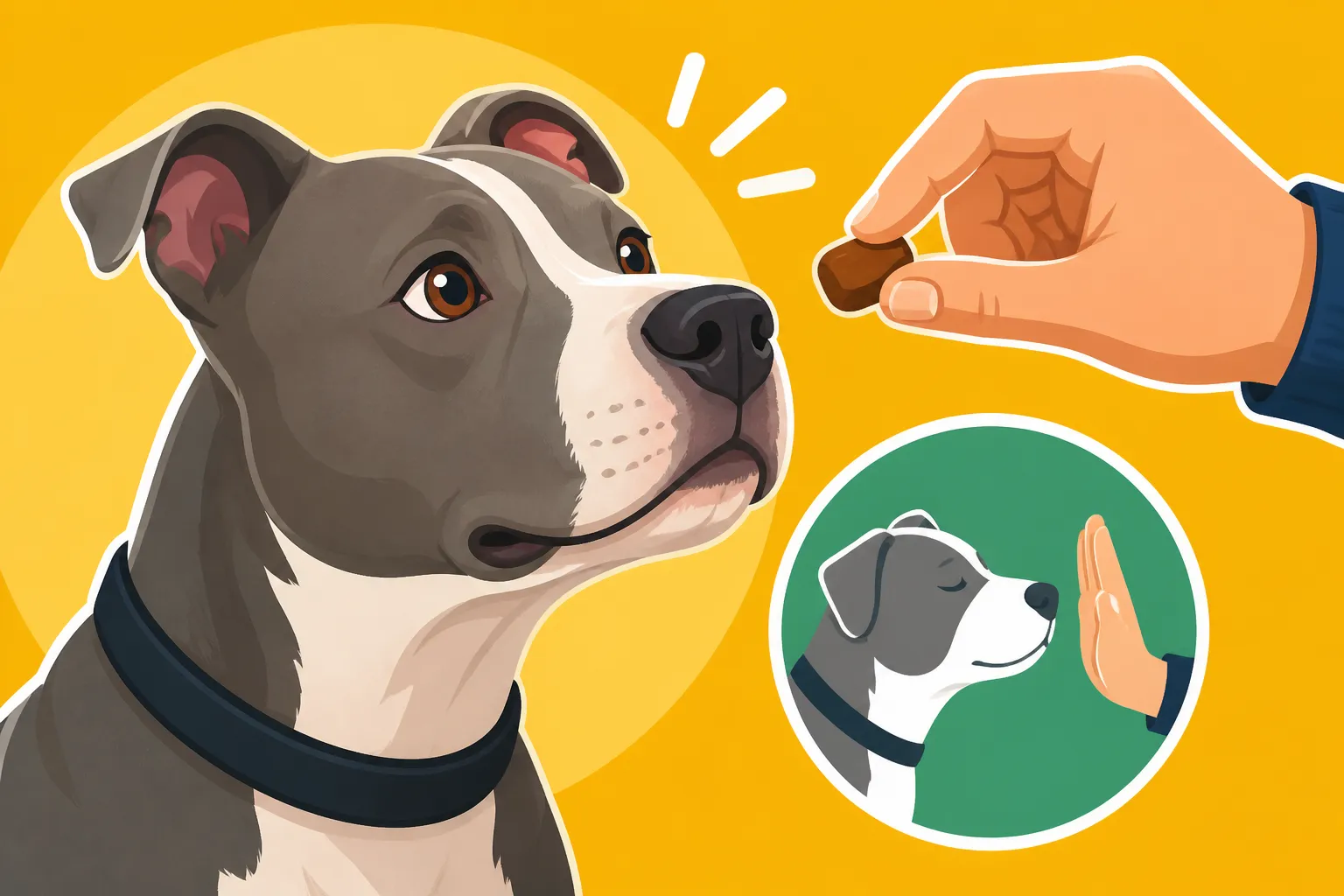
- Offer your fist: Present your closed fist to your Pit Bull at nose level. Your Pit Bull will likely try to paw at it, lick it, or even mouth your hand to get the treat.
- Wait for calm: Ignore all the unwanted behaviors. Keep your fist closed. The moment your Pit Bull's mouth softens, or they pull away slightly, or even just pause with a gentle nose nudge – that's your moment.
- Mark and reward: The instant you feel that gentle interaction (or lack of aggressive grabbing), open your hand just enough for them to delicately take the treat. If you are using a clicker, click the moment of gentleness, then open your hand.
- Repeat, repeat, repeat: Do this multiple times in short sessions (2-5 minutes) throughout the day. The goal is for your Pit Bull to quickly learn that a gentle nose, rather than a hard mouth or paw, is the key to getting the treat.
It’s crucial to be consistent. If you sometimes give in to the grab, you confuse your Pit Bull and undo your hard work. This method helps in Building a Pit Bull's Impulse Control by making them wait for the desired outcome.
Step-by-Step Gentle Treat Training
Once your Pit Bull consistently responds to the closed-hand method with gentleness, you can start to generalize the behavior and introduce more nuanced steps. This progression moves them from understanding "don't grab" to actively performing "take gently."
From Closed Fist to Open Palm
This is where the magic really starts to happen, transitioning from simply not grabbing to a deliberate, gentle take.
- Start with the closed fist (briefly): Begin as before, holding the treat in your closed fist. When your Pit Bull approaches gently and perhaps gives a soft nudge, before they even have a chance to grab, say your chosen cue word, like "gentle" or "softly."
- Open your palm: Immediately, and while they are still being gentle, open your hand fully, presenting the treat on your flat palm. Your goal here is to get them to gently lick or softly take the treat from your open palm.
- Mark and reward: The instant their lips or tongue gently make contact or they softly take the treat, click (if using a clicker) and let them have the treat. If they try to grab, quickly close your hand again. Wait for them to back off, give the "gentle" cue again, and present your open palm. They need to understand that the treat disappears if they are rough.
- Fade the closed fist: As they consistently take treats gently from your open palm, you can start to skip the initial closed-fist step. Just present your open palm with the treat while saying "gentle." If they grab, revert to the closed-fist method for a few repetitions before trying the open palm again. This gradual progression helps them understand the expectation regardless of how the treat is presented.
Remember that patience is key. Your Pit Bull is learning a new way to interact, and it takes time and many repetitions for this to become their default behavior. If you’re struggling, consider looking into a comprehensive program. For those with a new puppy, online resources like the BAXTER & Bella online puppy school offer structured programs that cover basic manners, including gentle treat-taking, from the very beginning. This foundational training helps prevent bad habits from forming.
Consistency and Proofing the Behavior
Consistency across all environments and with all people is vital for this behavior to truly stick. This is often called "proofing" the behavior.
- Vary the environment: Once your Pit Bull is reliably taking treats gently at home, gradually introduce minor distractions. Try a different room, then the backyard, then a quiet part of a park. Each new environment might feel like a new lesson to your dog, so be prepared to go back a step or two if necessary, using your closed fist again before moving to an open palm.
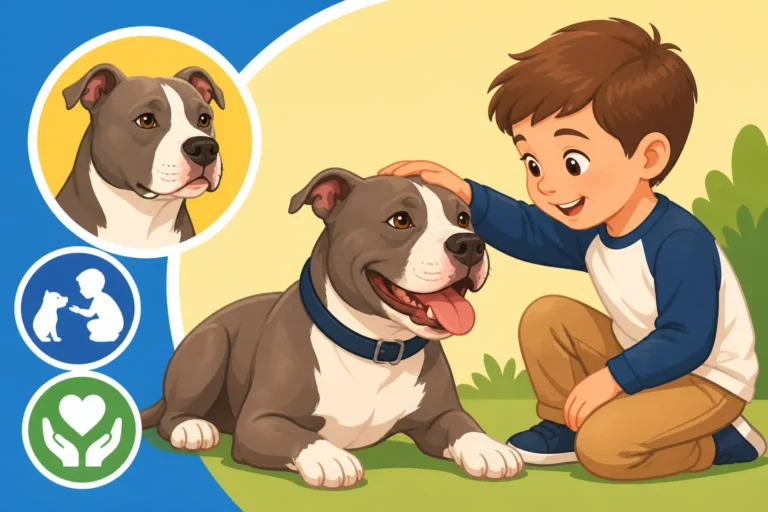
- Involve other family members: Ensure everyone in the household practices this technique. Children, in particular, should be supervised and taught the closed-hand method to protect their fingers and build confidence. Socializing a Pit Bull Around Children emphasizes the importance of consistent, safe interactions.
- Practice with different treats: While you started with high-value treats, practice with their regular kibble or lower-value treats as well. The goal is for them to be gentle regardless of the deliciousness level.
- Use it in real-life scenarios: Integrate "gentle" into everyday interactions. If you're rewarding them for a calm sit or a good recall, remind them to take the treat gently. This reinforces the behavior as a general life skill, not just a parlor trick.
- Be mindful of excitement: Pit Bulls can get very excited, especially during greetings. If your dog tends to get over-the-top when people arrive, practicing calm greetings with gentle treat rewards can help. A Pit Bull That Greets Too Enthusiastically offers more insights into managing high-energy greetings.
By consistently applying these steps, you'll find that your Pit Bull learns to anticipate the "gentle" cue and offers a soft mouth, making treat time a joyful and painless interaction for everyone involved.
| Stage of Training | Handler's Action (Initial) | Dog's Desired Response (Initial) | Goal of Stage | Common Pitfalls to Avoid |
|---|---|---|---|---|
| Stage 1: Closed Fist | Treat in closed fist, presented. | Dog investigates gently (sniff, soft nudge). | Understands "roughness gets nothing." | Opening hand too early; giving in to pawing. |
| Stage 2: Open Palm (Cue) | Say "gentle," then open palm. | Soft mouth/tongue contact with treat. | Associates cue with gentle taking from open hand. | Forgetting the cue; inconsistent closing of hand. |
| Stage 3: Distractions | Open palm in new environments. | Gentle take, ignoring minor distractions. | Generalizes behavior to varied settings. | Moving too fast to high-distraction areas. |
| Stage 4: Other People | Family members offer treat. | Gentle take from any person. | Behavior is consistent regardless of handler. | Lack of consistent method by all handlers. |
Advanced Tips and Troubleshooting
Even with consistent training, you might encounter bumps in the road. Sometimes a Pit Bull's natural exuberance, combined with their powerful build, requires a little extra finesse in your training approach.
What If Your Pit Bull Still Jumps or Nips?
If your Pit Bull is still jumping or nipping, it usually means you're moving too quickly or that they haven't fully grasped the initial concept. Don't get discouraged! This is simply feedback that you need to go back a step.
- Revisit the Closed Fist with Zero Tolerance: Go back to only offering the treat from a completely closed fist. Do not open your hand until you feel absolutely no pressure, pawing, or mouthing. This might mean waiting for several seconds, or even a minute, for them to back off completely and offer a soft nose nudge or simply look away. The moment of stillness, even if momentary, is your opportunity to mark and reward.
- Smaller Treats, Faster Rewards: Ensure your treats are truly tiny. This means your Pit Bull isn't getting a mouthful of food for a clumsy take. Smaller treats allow for faster repetitions and quicker learning.
- Increase Repetitions: Short, frequent training sessions are more effective than long, infrequent ones. Aim for 3-5 sessions a day, each lasting only 2-5 minutes.
- Consider a Trainer: If you're feeling stuck, a professional dog trainer experienced with Pit Bulls can be invaluable. They can observe your interactions and pinpoint exactly where the breakdown in communication is happening. Vetting a Trainer Before Booking a Pit Bull is a crucial step to ensure you find someone who uses positive, ethical methods. Sometimes an outsider's perspective makes all the difference. If your Pit Bull puppy is also prone to Pit Bull Puppy Biting That Draws Blood, seeking professional guidance for bite inhibition is even more critical.
Integrating Gentle Takes into Everyday Life
The goal isn't just for your Pit Bull to take treats gently during a training session, but to do it automatically in every context.
- Use a Release Word: Once your dog is consistently taking treats gently, you can add a release word like "take it" after your "gentle" cue. This reinforces that they must wait for your signal before going for the treat.
- "Say Please" for Everything: Extend the concept of gentleness and impulse control to other areas. Make your Pit Bull "say please" for things they want by performing a sit or a down and waiting calmly. For example, before putting down their food bowl, ask for a sit and wait for a moment of calm. Before opening the door for a walk, ask for a sit. This teaches them that calm, polite behavior gets them what they want. Positive Reinforcement Training With a Pit Bull is the umbrella approach that makes all this possible.
- Redirect Chewing: For a Pit Bull with strong chewing instincts, you might also want to ensure they have appropriate outlets. If they're prone to chewing things they shouldn't, redirecting them to durable chew toys can help manage their mouthiness overall. Chew Toys That Hold Up to a Pit Bull is a great resource for finding appropriate outlets.
- Make it a Game: Turn gentle treat-taking into a fun game. Hide a treat in your hand and play a "find it" game, only releasing the treat when they are gentle. Or practice "leave it" with a treat on the floor, rewarding a gentle take once released. This keeps the training engaging for your smart and active Pit Bull.
- Long-term Patience: Remember, this is a skill that develops over time. Some days will be better than others. Celebrate the small victories and don't get hung up on occasional slips. Your consistent, positive approach will eventually reshape how your Pit Bull interacts with treats, making every reward a joy for both of you.
Disclaimer
This article is for general informational purposes only and does not constitute professional advice. Laws, prices and regulations vary by location and change over time. Consult a qualified professional for guidance on your specific situation.