Year-Round Parasite Cover for a Pit Bull
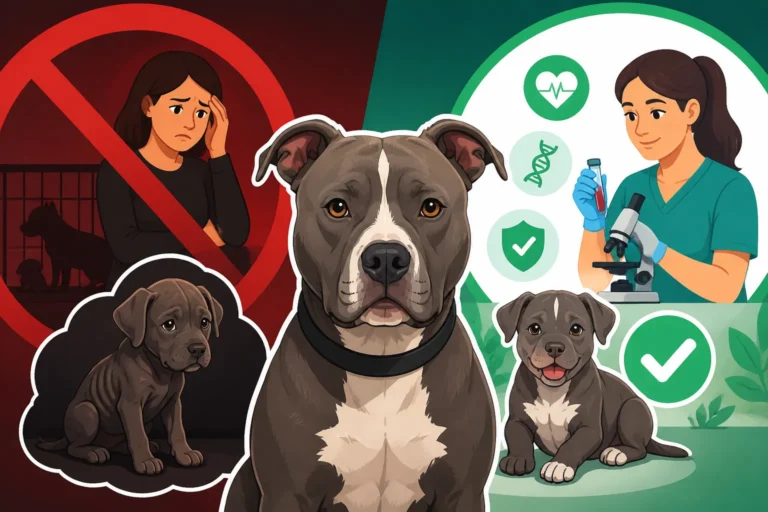
It's a tough reality that no matter how much we dote on our Pit Bulls, these powerful, loving dogs are just as susceptible—if not more so, given their active lifestyles—to the creepy-crawly world of parasites as any other dog. The frustration of dealing with persistent itching, mysterious lethargy, or worse, a life-threatening illness, is something many Pit Bull owners know all too well. This comprehensive guide is here to walk you through everything you need to know about providing effective, year-round parasite protection for your beloved Pit Bull, helping you keep them healthy, happy, and itch-free.
Why Year-Round Parasite Prevention is Non-Negotiable for Pit Bulls
Many folks think parasites are just a seasonal nuisance, something to worry about during the warm summer months. But for a Pit Bull, that couldn't be further from the truth. These tenacious creatures, both internal and external, pose a threat 365 days a year, and ignoring them can lead to serious health consequences, often with expensive treatments down the line.
The Pit Bull's Active Outdoor Lifestyle
Let's be real: Pit Bulls are bundles of energy. They love to run, jump, play fetch, and explore. Whether it's a romp in the local park, a hike on a nature trail, or simply hanging out in your backyard, their active lifestyle inherently increases their exposure to parasites. They sniff around bushes where ticks might be waiting, roll in grass where fleas or worm eggs could lurk, and are out in the open where mosquitoes thrive. If your Pit Bull is one of those dogs with a Pit Bull Weight and Muscle on a Working Frame that keeps them in top shape, they're likely spending a good amount of time outdoors, directly increasing their risk. This constant interaction with the environment means they're always picking up new hitchhikers, even if you can't see them immediately.
Breed-Specific Health Considerations
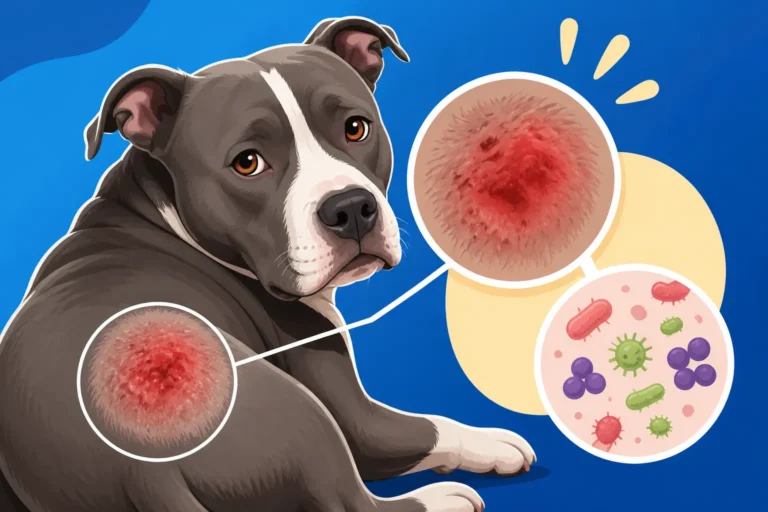
While Pit Bulls are generally robust dogs, they do have certain predispositions that make vigilant parasite control even more important. For instance, many Pit Bulls are prone to skin sensitivities and allergies. A single flea bite can trigger a massive reaction in a dog with Flea Allergy Dermatitis in a Pit Bull, leading to intense itching, hot spots, and secondary bacterial infections that are painful and difficult to clear up. This isn't just about discomfort; it can spiral into chronic skin issues like Pit Bull Skin Allergies and the Atopy Pattern, making their lives miserable. Furthermore, some internal parasites can compromise their immune system, making them more vulnerable to other illnesses or exacerbating existing conditions. Preventing parasites proactively can reduce stress on their bodies and prevent a cascade of other health problems.
The Ever-Present Environmental Threat
It’s easy to think our homes and yards are safe zones, but many parasites are masters of survival. Flea eggs and larvae can live in carpets, bedding, and even cracks in hardwood floors for months, just waiting for the right conditions to hatch and jump onto your unsuspecting dog. Heartworm-carrying mosquitoes can find their way indoors, especially in warmer climates or through open doors and windows. Even seemingly sterile concrete environments like city sidewalks can harbor microscopic worm eggs tracked in by other animals. You don't need to live on a farm or regularly visit deep woods for your Pit Bull to be at risk; the threats are often much closer to home than we realize. This constant environmental presence means there’s no "off-season" for prevention.
Deciphering the Major External Parasites
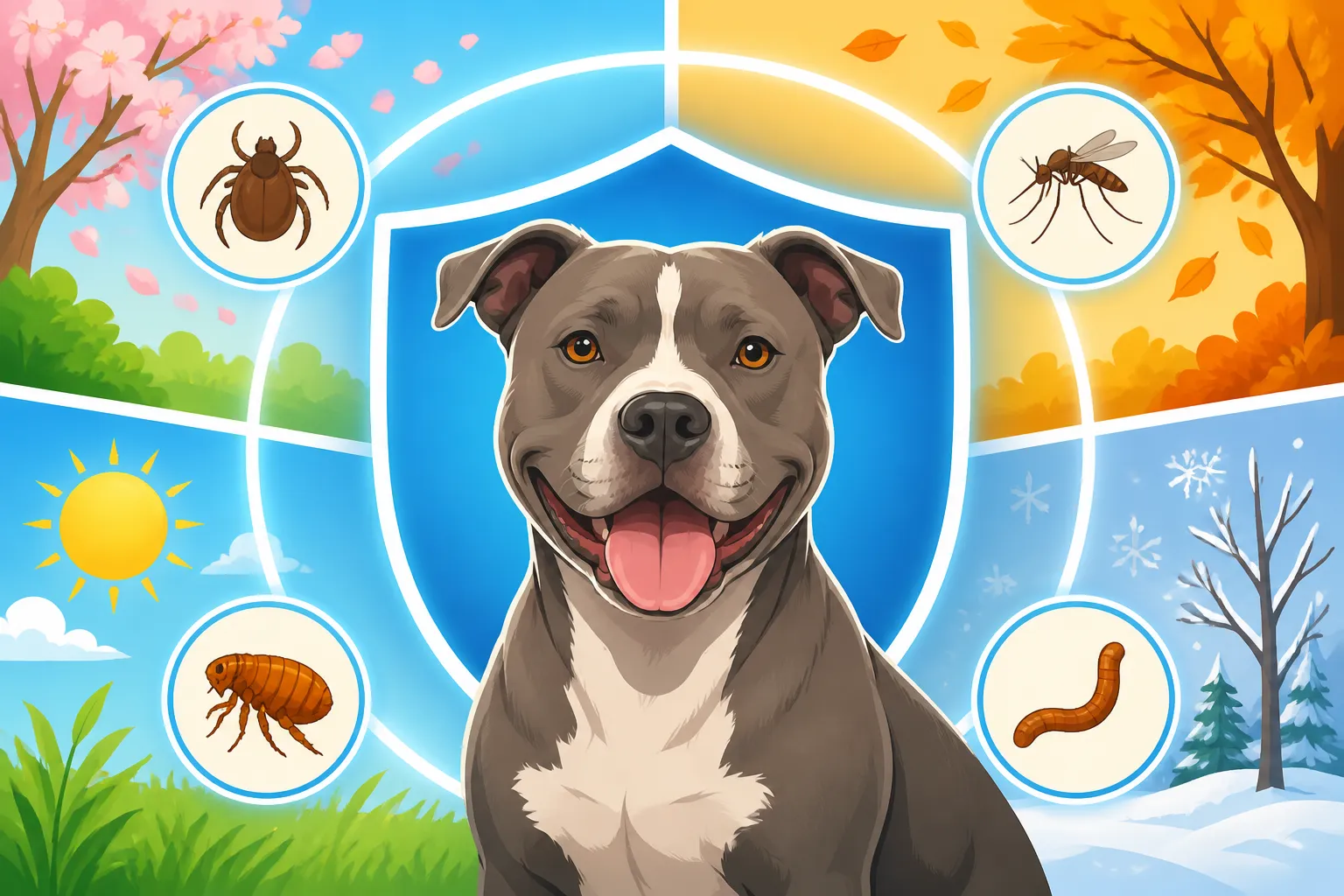
When we talk about external parasites, we're usually focusing on fleas, ticks, and mosquitoes. These aren't just annoying; they're vectors for a host of debilitating diseases that can severely impact your Pit Bull's health.
Fleas: The Persistent Itch-Inducers
Fleas are probably the most common and universally detested external parasite. These tiny, wingless insects thrive in warm, humid environments, but they can survive year-round indoors. They feed on your dog's blood, causing intense itching and discomfort. For a Pit Bull with sensitive skin, even a few fleas can cause an allergic reaction known as flea allergy dermatitis, which can lead to excessive Pit Bull Paw Licking and Chewing, hair loss, skin infections, and general misery. The life cycle of a flea is notoriously tricky; only about 5% of the flea population lives on your dog, while the other 95%—eggs, larvae, and pupae—are in the environment. This means that if you see fleas on your Pit Bull, you're already dealing with a significant environmental infestation in your home and yard. Effective flea control requires not only treating your dog but also addressing the environment, which can be a continuous battle if not consistently managed with year-round prevention.
Ticks: Silent Hitchhikers and Disease Vectors
Ticks are insidious parasites. They don't jump or fly; instead, they "quest," waiting on tall grasses and shrubs for a host to brush by. Once attached, they feed on blood for days, often going unnoticed due to their small size and the way they embed themselves. The real danger with ticks isn't just the blood loss, but the nasty diseases they can transmit. Common tick-borne illnesses include Lyme disease, Ehrlichiosis, Anaplasmosis, and Rocky Mountain Spotted Fever, which can cause symptoms ranging from lameness and fever to severe organ damage and even death. These diseases can be difficult to diagnose and treat, often requiring long courses of antibiotics and ongoing management. Many tick species are active even in colder months, especially if temperatures rise above freezing, proving that the threat isn't just confined to summer. Living in an area with high deer populations, for example, significantly increases your Pit Bull's risk of encountering ticks.
Mosquitoes: Tiny Carriers of Big Trouble
Mosquitoes are more than just bothersome; for your Pit Bull, they are the primary vectors for heartworm disease. These flying insects pick up heartworm larvae from an infected animal and transmit them to other dogs when they bite. Unlike fleas and ticks which attach, mosquitoes bite and fly away, making them harder to actively prevent from touching your dog without continuous medication. Heartworm disease is a severe, progressive condition where parasitic worms grow and live in the heart, lungs, and associated blood vessels. The damage they cause can lead to severe lung disease, heart failure, and other organ damage. The sad truth is that heartworm is almost entirely preventable with year-round medication, but once established, treatment is complex, costly, and carries significant risks. Even indoor dogs are at risk, as mosquitoes easily find their way into homes.
Understanding Internal Parasites and Your Pit Bull
Beyond the visible external pests, a host of internal parasites can wreak havoc on your Pit Bull's digestive system and overall health. These can be even more challenging to detect without regular veterinary check-ups and diagnostic testing.
Heartworm: The Preventable Heartbreaker
We touched on heartworm briefly under mosquitoes, but it bears repeating due to its severity. This parasite is not just an "internal" worm in the gut; it takes up residence in your Pit Bull’s heart and pulmonary arteries. When a mosquito bites an infected dog, it ingests microfilariae (immature heartworms). These microfilariae develop into infective larvae within the mosquito. When that same mosquito bites another dog, it transmits those larvae, which then migrate through the dog's tissues and mature into adult heartworms in the heart and lungs over several months. Symptoms like a mild persistent cough, reluctance to exercise, fatigue after moderate activity, decreased appetite, and weight loss might not appear until the disease is advanced. Treatment is intensive, involves dangerous medications, requires strict cage rest for weeks, and can be incredibly expensive. It's a prime example of why Heartworm Cover Through a Pit Bull's Life is so critical, as prevention is significantly safer and cheaper than treatment.
Intestinal Worms: From Pups to Seniors
Intestinal worms are common in dogs, especially puppies, and can range from mildly irritating to severely debilitating. The most common types include roundworms, hookworms, whipworms, and tapeworms.
- Roundworms: These are often seen in puppies, as they can be transmitted from the mother before birth or through nursing. Adult roundworms in the intestine can cause a pot-bellied appearance, diarrhea, vomiting, poor growth, and a dull coat. In severe cases, they can cause intestinal blockages.
- Hookworms: These tiny, blood-sucking worms attach to the intestinal wall, causing anemia, especially in young puppies. Symptoms include bloody diarrhea, weakness, and weight loss. Hookworm larvae can also penetrate skin, causing irritation.
- Whipworms: These worms live in the large intestine and can cause chronic diarrhea, weight loss, and general poor health. They are often difficult to detect on routine fecal exams because they shed eggs intermittently.
- Tapeworms: Often transmitted by fleas (dogs ingest fleas carrying tapeworm larvae) or by eating infected raw meat or rodents. While less harmful than other worms, they can cause anal itching and, rarely, digestive upset.
Many intestinal worms can be passed through feces, contaminating the environment and putting other pets (and even humans) at risk. This is why regular deworming, especially for puppies as part of their Pit Bull Puppy Vaccination and Parvovirus schedule, and consistent fecal testing are vital.
Protozoa: The Hidden Gut Disruptors
Beyond worms, there are microscopic internal parasites known as protozoa, such as Giardia and Coccidia.
- Giardia: This common intestinal parasite is contracted by ingesting cysts from contaminated water, food, or feces. It can cause chronic diarrhea, gas, abdominal discomfort, and weight loss. Giardia is particularly prevalent in areas with standing water or high dog traffic, like dog parks.
- Coccidia: This protozoan parasite is more common in puppies and young dogs, especially those under stress or in crowded environments. It causes watery diarrhea, often with blood or mucus, dehydration, and a lack of appetite. Coccidia is highly contagious between dogs.
These protozoal infections require specific medications and can be tough to completely eradicate, often necessitating multiple rounds of treatment and thorough environmental cleaning. If your Pit Bull is experiencing unexplained digestive issues, your vet will likely recommend a stool sample test to check for these elusive invaders.
Tailoring a Comprehensive Prevention Strategy
The sheer number of parasites out there might feel overwhelming, but the good news is that there are highly effective, broad-spectrum preventative medications available. The key is to work with your veterinarian to create a year-round strategy tailored specifically for your Pit Bull.
The Spectrum of Preventative Medications
Today's market offers a fantastic range of preventative options, from oral chews to topical solutions.
- Oral Medications: Many popular preventative brands like NexGard, Simparica Trio, Bravecto, and Trifexis come in palatable chewable forms. These typically work systemically, meaning the active ingredients enter your dog's bloodstream. Some offer protection against fleas and ticks, while others are "triple-threats," also covering heartworm and certain intestinal worms. They are often given monthly or every three months.
- Topical Medications: Products like Frontline Plus or Advantage II are applied directly to your Pit Bull's skin, usually between the shoulder blades. They work by spreading over the skin's surface and hair follicles, killing fleas and ticks on contact or after they bite. These are typically applied monthly.
- Combination Products: Many modern preventatives combine different active ingredients to offer broad-spectrum protection in a single dose. For example, some monthly chews protect against fleas, ticks, heartworm, and several types of intestinal worms, simplifying your routine. This comprehensive approach is often the most effective and convenient way to provide year-round cover.
- Injectable Preventatives: Some vets offer injectable heartworm preventatives that last 6 or 12 months. This can be a great option for owners who struggle with remembering monthly doses.
When considering which product is best, your vet will take into account your Pit Bull's age, weight, health status, and lifestyle. They can guide you through the options, explaining potential side effects and ensuring the chosen product is safe and effective for your specific dog.
Geographic and Seasonal Considerations
While the "year-round" message is paramount, the specific parasite pressures your Pit Bull faces can vary significantly based on where you live and even the time of year.
- Climate: In warmer climates (like the southern U.S.), fleas and mosquitoes can be a significant threat virtually all year long. In colder northern regions, their activity might lessen in deep winter, but a mild spell can bring them out. Ticks, especially, can be active whenever temperatures are above freezing.
- Local Risks: Your vet will know which parasites are most prevalent in your specific area. For example, if Lyme disease is common in your state, they might recommend a specific tick preventative that targets the species carrying Lyme, and potentially even the Lyme vaccine, as an added layer of protection. If canine influenza or certain types of intestinal worms are problematic in your local dog park, they'll advise accordingly. This local knowledge is invaluable in tailoring the best plan.
- Travel: If you travel with your Pit Bull, especially to different regions, your prevention plan might need temporary adjustments. Always consult your vet before traveling to ensure your dog is protected against the parasites prevalent in your destination.
It's a dynamic situation, and your vet is your best resource for staying informed about regional parasite threats.
Integrating Environmental Controls
While medications are the cornerstone of parasite prevention, they aren't the whole picture. Environmental control is a crucial component, especially for managing fleas and ticks.
- Regular Cleaning: Vacuuming carpets, washing bedding (your Pit Bull's and yours, if they share the bed!), and cleaning upholstered furniture regularly can help remove flea eggs, larvae, and pupae. Don't forget to immediately empty and dispose of vacuum bags outside your home.
- Yard Maintenance: Keeping your lawn mowed, trimming bushes, and removing leaf litter can reduce habitats for fleas and ticks. Consider creating "buffer zones" of wood chips or gravel between your lawn and wooded areas to deter ticks.
- Protecting Play Areas: If your Pit Bull has a favorite spot in the yard, be extra vigilant there. You might consider pet-safe yard treatments to reduce the flea and tick population, but always read labels carefully and ensure they are indeed safe for pets after application.
- Checking After Outings: After walks in wooded or grassy areas, always do a thorough "tick check" on your Pit Bull. Pay special attention to hidden spots like between the toes, inside the ears, under the collar, and in the armpits or groin. Prompt removal of ticks can prevent disease transmission. This diligent routine complements medicinal prevention, creating a robust defense against these unwelcome guests.
Common Myths and Realities of Parasite Control
Despite widespread information, many misconceptions about parasite prevention persist. Let's debunk some common myths that can put your Pit Bull at risk.
"Indoor Dogs Don't Get Parasites"
This is one of the most dangerous myths out there. While an indoor lifestyle might reduce exposure compared to a dog that spends all day outside, it absolutely does not make your Pit Bull immune to parasites. Mosquitoes, the carriers of heartworm, easily fly indoors. Flea eggs and larvae can be tracked in on shoes or clothing, or brought in by other pets that do go outside. Even a quick trip to the vet's office or a brief potty break in the yard can expose your dog to worm eggs or an opportunistic flea. I've heard countless stories from owners who were shocked when their "indoor only" Pit Bull tested positive for heartworm or suddenly had a flea infestation. Parasites are persistent, and they don't care if your dog has a cozy spot on the couch; they're just looking for a meal or a place to reproduce. Trust me, the risk is real, even for the most pampered indoor Pit Bull.
"Winter Kills All the Parasites"
Another pervasive myth that leaves many dogs vulnerable. While cold weather does reduce the activity of some parasites, it rarely eliminates them entirely. Fleas can survive freezing temperatures by seeking shelter in warm homes, or by entering a dormant pupal stage that can withstand harsh conditions for months. Ticks, particularly deer ticks (which carry Lyme disease), can become active on any day the temperature rises above freezing. Even mosquitoes, while less active, can still emerge during unseasonably warm spells. Furthermore, many intestinal worms and heartworm are more resilient to cold. Relying on winter to clear out parasites is a gamble that can cost your Pit Bull dearly. The smartest approach is continuous protection, regardless of the season, to ensure there are no gaps in coverage.
The Cost vs. Benefit Equation
"Parasite prevention is too expensive," is a common concern I hear. And yes, monthly or quarterly medications do add up. However, when you look at the cost of treating an established parasite infection, prevention suddenly seems like a bargain.
Consider this:
- Heartworm Treatment: This can easily run into thousands of dollars, involving multiple vet visits, diagnostic tests, specialized medications, and weeks of strict cage rest, not to mention the stress and potential health complications for your dog.
- Flea/Tick Infestation Treatment: Clearing a severe flea infestation from your home and dog can involve multiple vet visits, prescription medications, professional pest control services, and countless hours of cleaning, often costing hundreds of dollars. Treating tick-borne diseases like Lyme or Ehrlichiosis can also involve expensive diagnostics and long courses of antibiotics.
- Intestinal Worm Treatment: While often less costly than heartworm, repeated vet visits and deworming treatments still add up, especially if reinfection occurs due to environmental contamination.
When you weigh these potential expenses against the relatively modest cost of preventative medication, it's clear that prevention is not only healthier for your Pit Bull but also far more economical in the long run. Many pet insurance providers, like Healthy Paws, recognize the importance of preventative care and offer plans that can help manage the overall costs of veterinary care, including diagnostics or treatments if prevention fails. Investing in prevention now saves you significant heartache and financial strain later.
| Parasite Type | Common Symptoms in Pit Bulls | Risks to Pit Bulls | Prevention Methods |
|---|---|---|---|
| Fleas | Intense itching, scratching, red bumps, hair loss, skin infections, Pit Bull Paw Licking and Chewing | Flea Allergy Dermatitis, tapeworms (if ingested), anemia (severe cases) | Monthly oral/topical preventatives, environmental control, regular grooming |
| Ticks | Visible parasites, redness/irritation at bite site, lameness, fever, lethargy, loss of appetite | Lyme disease, Ehrlichiosis, Anaplasmosis, Rocky Mountain Spotted Fever | Monthly oral/topical preventatives, avoiding high-risk areas, daily tick checks |
| Mosquitoes | No direct symptoms from bite; associated with heartworm disease | Heartworm disease (damage to heart/lungs, heart failure, death) | Monthly/quarterly oral preventatives or injections |
| Heartworms | Mild cough, decreased exercise tolerance, fatigue, weight loss, difficulty breathing (advanced) | Severe lung disease, heart failure, liver/kidney damage | Monthly/quarterly oral preventatives or injections |
| Intestinal Worms (Round, Hook, Whip, Tape) | Diarrhea, vomiting, pot-bellied appearance, weight loss, dull coat, scooting | Anemia, malabsorption, intestinal blockage, poor growth, zoonotic risk | Regular deworming, fecal exams, good hygiene, flea control (for tapeworms) |
| Protozoa (Giardia, Coccidia) | Chronic diarrhea, gas, abdominal pain, dehydration, weight loss | Malnutrition, dehydration, spread to other animals/humans | Good sanitation, avoiding contaminated water, specific medications |
What Happens When Prevention Isn't Enough
Even with the most diligent preventative measures, sometimes life throws a curveball, and your Pit Bull might still encounter a parasite. The key then becomes early detection and swift action.
Recognizing Symptoms Early
Your Pit Bull can't tell you in words that they're feeling off, so it's up to us, their dedicated owners, to be vigilant and recognize subtle changes. If you notice symptoms like excessive scratching, rubbing their face on the carpet, hair loss, redness on the skin, or visible fleas or ticks, it's a clear sign to act. For internal parasites, the signs can be more ambiguous: a sudden change in appetite or stool quality, unexpected weight loss, a persistent cough, or unusual lethargy (especially after exercise) can all be red flags. If your normally energetic Pit Bull is suddenly quiet or starts to show A Pit Bull That Refuses Food for a Day, it warrants a call to the vet. Don't dismiss these signs as just "a bad day." Early detection of issues like Pit Bull Ear Infections and What Drives Them might even trace back to irritation from external parasites or underlying allergies, making proper diagnosis crucial.
Prompt Veterinary Intervention
As soon as you notice any concerning symptoms, contact your veterinarian. They can perform a thorough examination, which may include fecal tests for intestinal parasites, blood tests for heartworm or tick-borne diseases, or skin scrapings for external parasites. The sooner a diagnosis is made, the more effective and less invasive the treatment is likely to be. For heartworm, for example, early detection can mean the difference between a more manageable treatment protocol and a severe, high-risk one. Similarly, catching a flea infestation early can prevent it from spiraling into a house-wide problem. Your vet is your partner in your Pit Bull's health, and their expertise is invaluable when prevention falls short. Don't hesitate or try to self-diagnose based on internet searches; a professional opinion is always best. Sometimes, issues that appear minor on the surface can be indicators of more serious underlying problems. If your Pit Bull presents with Emergency Signs That Cannot Wait in a Pit Bull, particularly concerning sudden weakness or severe vomiting/diarrhea, immediate veterinary attention is paramount.
Environmental Decontamination
If your Pit Bull is diagnosed with a parasite, particularly fleas or certain intestinal worms, treating just the dog isn't enough. The environment must also be decontaminated to prevent re-infestation.
- Fleas: This means thoroughly cleaning and treating your home. Vacuuming daily, washing all bedding in hot water, and potentially using a veterinary-recommended household flea spray or calling a professional exterminator are often necessary. Remember, the flea life cycle means you'll need to be persistent.
- Intestinal Worms: For parasites like roundworms or hookworms, which lay eggs that survive in the soil, picking up feces immediately and regularly sanitizing areas where your dog defecates can help reduce environmental contamination. Some areas may require specific cleaning protocols to eliminate stubborn cysts or eggs.
- Washing and Sanitizing: Always wash your hands thoroughly after handling an infected dog or cleaning up their waste. For items like leashes, collars, and toys, regular cleaning with pet-safe disinfectants can prevent further spread.
This comprehensive approach—treating the dog and their environment—is the most effective way to break the parasite life cycle and ensure your Pit Bull truly gets free of these pests. Remember, consistent effort and a clear plan are your best weapons against the never-ending battle with parasites. And having a reliable pet insurance plan, such as one from Healthy Paws, can provide immense peace of mind should a complex or costly treatment for a stubborn parasite become necessary.
Disclaimer
This article is intended for informational purposes only and does not constitute medical advice. Always consult with a qualified veterinarian for any health concerns or before making any decisions about your Pit Bull's care or treatment. Individual needs may vary, and a veterinarian can provide the best guidance based on your dog's specific health and circumstances.