Pit Bull Adoption Fees at a City Pound
Bringing a new Pit Bull into your home is an incredibly exciting prospect, filled with visions of loyal companionship and endless cuddles. But let's be real: the practical side can often feel a bit daunting, especially when you start looking at the financial commitment. One of the first questions that pops up is often, "What are the adoption fees, and what exactly do they cover?" It's a valid concern, as these fees can vary wildly from one city pound to another, sometimes leaving prospective adopters feeling confused or even discouraged. This guide is here to unravel the mystery of Pit Bull adoption fees at city pounds, helping you understand the true value behind the cost and what to expect on your journey to bringing your new best friend home.
Understanding What Adoption Fees Truly Cover
It’s easy to look at an adoption fee as just another expense, but in reality, it's a vital contribution that helps local animal shelters continue their invaluable work. These organizations operate on tight budgets, relying heavily on donations, grants, and, yes, adoption fees to provide care for countless animals. When you pay an adoption fee for a Pit Bull at a city pound, you're not just buying a dog; you're supporting an entire system dedicated to saving lives and finding loving homes.
The Comprehensive Veterinary Care Included
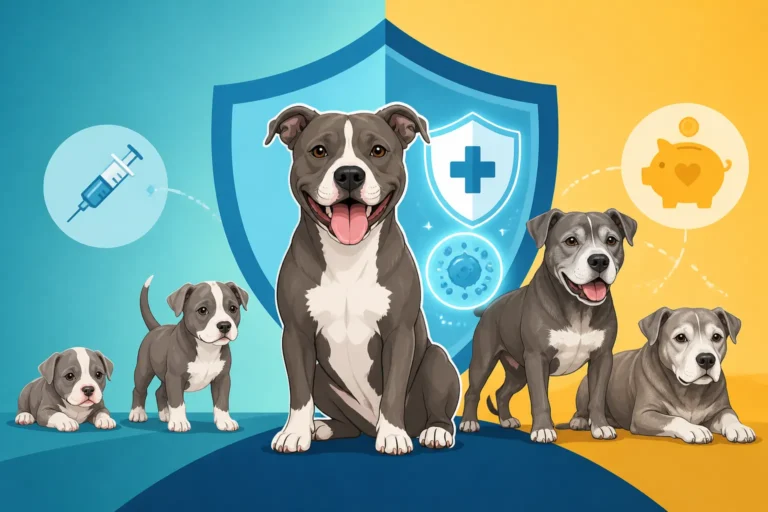
One of the most significant values wrapped up in your adoption fee is the extensive veterinary care your Pit Bull will have received. Imagine taking a new puppy or adult dog to the vet for all these services yourself; the costs would quickly add up, easily surpassing the average adoption fee. Shelters have a responsibility to ensure every animal is healthy and ready for their new life, and this requires thorough medical attention.
For instance, your adopted Pit Bull will almost certainly be spayed or neutered before going home. This crucial procedure not only helps control pet overpopulation but also offers numerous health benefits for your dog, such as reducing the risk of certain cancers and behavioral issues. On the open market, this surgery alone can cost hundreds of dollars, especially for a larger, muscular breed like a Pit Bull. Beyond that, expect a full panel of initial vaccinations, including distemper, parvovirus, adenovirus, and rabies. Puppies might even have received their initial rounds of shots to start them off right. You’ll also find that most shelters will microchip your Pit Bull, a small, permanent form of identification that greatly increases the chances of reunion if your dog ever gets lost. This is a one-time cost that typically includes lifetime registration, a huge peace of mind for any owner. Internal and external parasite treatments, such as deworming and flea/tick prevention, are also standard practice, ensuring your new companion isn't bringing any unwanted guests into your home. In some cases, if a dog arrived with minor injuries or illnesses, the fee might even cover the cost of basic treatments or medications administered during their stay. All of these health checks and treatments significantly reduce your initial vet bills once you bring your Pit Bull home, which is a massive saving that often goes unnoticed when simply looking at the adoption price tag. You can learn more about specific health considerations in our guide on Pit Bull Puppy Vaccination and Parvovirus or Year-Round Parasite Cover for a Pit Bull.
Essential Behavioral Assessment and Training Support
Beyond physical health, a good city pound or shelter also invests in understanding the temperament and behavioral needs of their Pit Bulls. This is particularly important for Pit Bull type dogs, given common misconceptions and the need to ensure a successful placement. They often conduct behavioral assessments to gauge how a dog interacts with people, other dogs, and different environments.
These assessments help shelter staff identify potential challenges and provide valuable insights to prospective adopters. For example, they might discover a Pit Bull that thrives in a calm, quiet home, or one that would excel in an active family setting. Some shelters even initiate basic training, teaching commands like "sit," "stay," or "leash manners." While not every dog will be a Canine Good Citizen upon adoption, these initial steps can make the transition to a new home much smoother. If a Pit Bull has specific behavioral quirks, the shelter may offer counseling or connect you with resources, sometimes even including discounted training classes. This proactive approach helps set both the dog and the adopter up for success, reducing the chances of the dog being returned to the shelter. Understanding Pit Bull Leash Manners and Physical Strength or Muzzle Training Every Pit Bull Should Have can be crucial, and shelters often provide initial guidance.
Factors Influencing Pit Bull Adoption Fees
You might notice a range in adoption fees, even within the same city or across different shelters. Several factors come into play here, from the dog's age and health status to the specific policies of the rescue organization. It's not arbitrary; there's usually a clear rationale behind the pricing.
Age and Desirability of the Pit Bull
Generally, puppies and young adult Pit Bulls tend to have higher adoption fees than senior dogs. This is a common practice across almost all rescue organizations, and it's largely driven by demand. Puppies, with their undeniable cuteness and the appeal of a "blank slate," are often adopted more quickly. The higher fees for puppies help subsidize the care of older, less adoptable dogs, who may spend more time in the shelter and incur higher ongoing costs.
Senior Pit Bulls, or those with special needs, often have significantly reduced or even waived adoption fees. This is a compassionate effort to encourage their adoption, as they often get overlooked despite being wonderful companions. An older Pit Bull might be perfectly house-trained, calmer, and past the destructive puppy phase, making them an ideal fit for many households. The goal is always to find the best possible home for every dog, and adjusting fees is one way shelters try to balance their books while also facilitating adoptions for all animals, regardless of age or popularity. You can also explore our guide on Caring for a Pit Bull in Its Second Decade to understand the unique needs of older dogs.
Shelter Type and Location Differences
The type of organization you're adopting from can also impact the fee. City pounds, often government-funded or partially funded, might have different fee structures compared to private, non-profit rescues. Private rescues, especially smaller ones focused specifically on Pit Bulls, might have higher fees because they rely entirely on donations and adoption income to cover their extensive veterinary bills and operational costs.
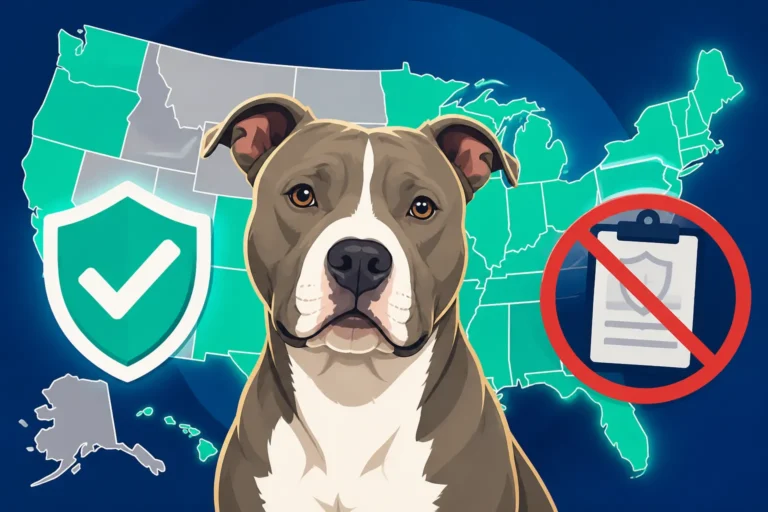
Location also plays a role. A large metropolitan city pound might have a different pricing strategy than a smaller, rural shelter. In areas with high animal intake, fees might be lower to encourage faster adoptions and free up kennel space. Conversely, in areas with higher operational costs or specific community programs, fees might be a bit higher. It's always a good idea to check with several local shelters and rescues if you have the option, as their policies and fees can vary. Some shelters might even have seasonal promotions or "empty the shelter" events where fees are temporarily reduced or waived, particularly for specific types of dogs or during peak intake times.
Here's a general overview of what you might expect for Pit Bull adoption fees at various types of shelters:
| Factor | City Pound/Municipal Shelter | Private Non-Profit Rescue | Breed-Specific Pit Bull Rescue |
|---|---|---|---|
| Typical Fee Range | $50 – $250 | $150 – $400 | $250 – $500+ |
| What's Included | Spay/Neuter, Vaccinations, Microchip, Deworming | Same, often more extensive vetting, behavior assessment | Same, highly detailed health/behavior profiles, post-adoption support |
| Fee Waivers/Discounts | Common for senior dogs, long-term residents, special needs, adoption events | Possible for seniors/special needs, less frequent full waivers | Less common for full waivers, might offer "foster-to-adopt" with reduced fees |
| Funding Source | Government funding, donations, grants | Donations, grants, fundraising, adoption fees | Donations, fundraising, adoption fees |
| Key Differentiator | High volume, focus on quick placement, often first-come-first-served | More personalized matching, may have stricter application process | Deep breed knowledge, extensive support, often higher standards for placement |
Navigating Additional Costs Beyond the Adoption Fee
While the adoption fee covers many initial expenses, it’s crucial to understand that it's just the beginning of your financial commitment. Bringing a Pit Bull home involves a host of other necessary purchases and ongoing care that you’ll need to budget for.
Initial Setup and Supplies
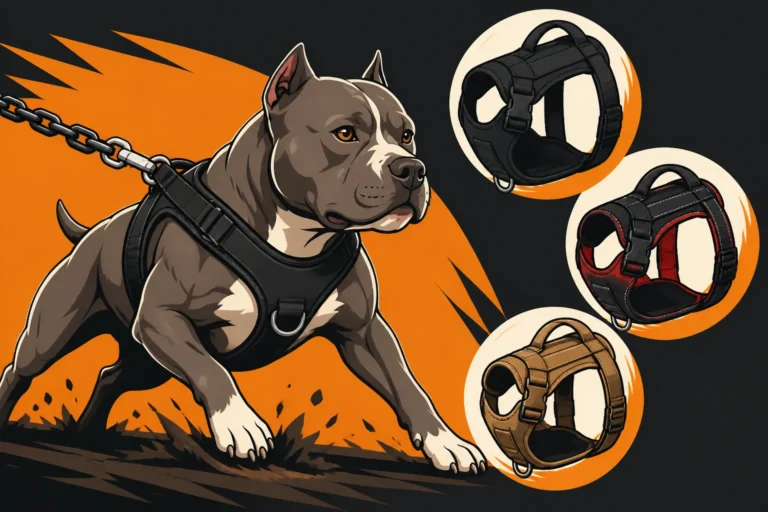
Think about all the things your new Pit Bull will need to settle comfortably into their new home. A sturdy leash and collar are essential, especially for a powerful dog. If you're adopting a strong puller, you might even consider specific harnesses built for a pulling Pit Bull. A comfortable dog bed, ideally one that can withstand enthusiastic nesting or light chewing, is a must-have. You'll need food and water bowls, and a crate is highly recommended for potty training, safety, and providing a den-like space. Chew toys that can stand up to a Pit Bull's strong jaws are also vital to redirect destructive chewing and keep them entertained.
Then there’s the food itself. A high-quality dog food is paramount for your Pit Bull's health. If your Pit Bull has known allergies, you might be looking at a limited ingredient diet, which can sometimes be more expensive. You'll also need a supply of training treats – small, high-value rewards are excellent for positive reinforcement. Don't forget grooming essentials like a brush (even for short coats, they shed!), nail clippers or a grinder, and dog-specific shampoo. For basic supplies, online retailers like Chewy can be a great resource, offering a wide selection and competitive prices. Planning for these immediate needs ensures your Pit Bull's transition is as smooth and stress-free as possible for everyone. You may want to check our guide on The Crate a Pit Bull Cannot Break Out Of for more information.
Ongoing Veterinary Care and Preventatives
Even with the initial vet care provided by the shelter, your Pit Bull will need routine veterinary visits throughout their life. This includes annual check-ups, booster vaccinations, and regular parasite prevention for heartworm, fleas, and ticks. These preventatives are often dosed by weight, so for a muscular Pit Bull, they can represent a noticeable monthly or quarterly expense. Unexpected illnesses or injuries can also arise, and while we hope they don't, it's wise to be prepared.
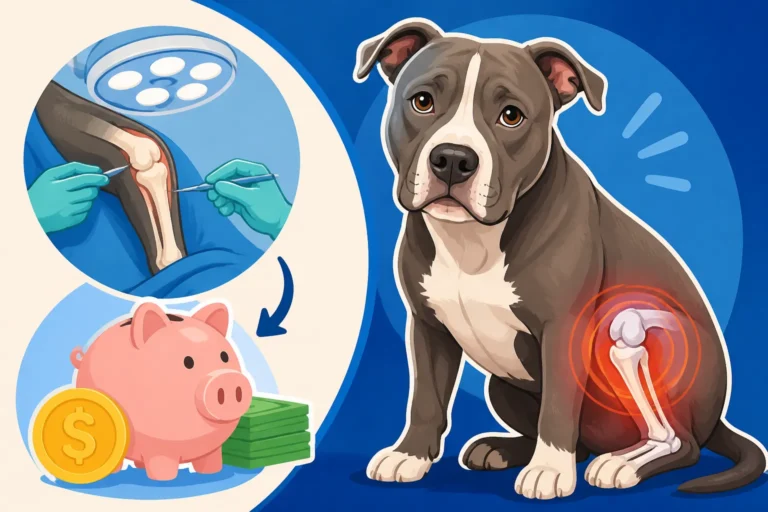
For example, Pit Bulls can be prone to certain conditions like skin allergies or joint issues, which may require ongoing medication or specialized care. A simple ear infection, common in many breeds including Pit Bulls, might require multiple vet visits and medications. This is where pet insurance can be a real lifesaver. Companies like Healthy Paws offer policies that can help cover a significant portion of unexpected veterinary bills, giving you peace of mind and ensuring your Pit Bull receives the best possible care without breaking the bank. While pet insurance has a monthly premium, it can save you thousands in the long run if a major health issue crops up. Learn more about year-round protection in Heartworm Cover Through a Pit Bull's Life.
Making Adoption Affordable and Sustainable
Adopting a Pit Bull is an investment of time, love, and resources. While the upfront costs are important, thinking long-term about affordability and sustainability will help you provide a wonderful life for your new companion.
Exploring Fee Assistance Programs and Promotions
Many city pounds and rescue organizations understand that financial constraints can be a barrier to adoption for otherwise loving homes. Because of this, they often offer various programs to make adoption more accessible. Keep an eye out for "fee-waived" events, often held during periods of high intake or to promote the adoption of specific dogs, like senior Pit Bulls or those who have been waiting longer for their forever homes. These events can drastically reduce or eliminate the adoption fee entirely, focusing solely on finding a good match.
Some shelters also have special programs for veterans, seniors, or first responders, offering reduced fees as a thank you for their service. If you're truly struggling with the adoption fee but are confident you can provide excellent ongoing care, don't hesitate to speak openly with shelter staff. They may be able to suggest flexible payment plans, or refer you to partner organizations that offer financial assistance. The ultimate goal of these shelters is to find responsible, loving homes, and they are often willing to work with serious adopters to achieve that. Checking out Why Pit Bull Adoption Fees Are Often Waived can give you more insight.
Long-Term Budgeting and Resource Utilization
To truly make a Pit Bull a sustainable part of your life, you need a realistic long-term budget. This isn't just about covering the adoption fee, but planning for monthly expenses like food, preventatives, and potentially pet insurance. Consider the cost of food for a powerful, muscular Pit Bull; they'll need quality nutrition. Services like Ollie can provide high-quality, pre-portioned fresh food that supports their health, though this is a premium option. You might also want to factor in potential training classes, especially for a breed like the Pit Bull, where strong leash manners and good public behavior are paramount.
Think about resources within your community. Many areas have low-cost vaccination clinics, community pet food banks, or discounted spay/neuter programs that can help alleviate financial strain. Building a relationship with a veterinarian who understands your budget and can help you prioritize care is also invaluable. Remember, while the initial adoption fee is a one-time cost, the commitment to a Pit Bull spans many years. A Pit Bull can live for twelve to sixteen years, meaning you're looking at a significant long-term commitment. Thoughtful budgeting and utilizing available resources will ensure your Pit Bull enjoys a healthy, happy life without causing undue financial stress for you. Our article on What One Pit Bull Costs From Eight Weeks On offers a comprehensive look at the full financial picture.
Disclaimer
The information provided in this article is for general informational purposes only and does not constitute professional veterinary or financial advice. Always consult with a qualified veterinarian for any health concerns regarding your pet and a financial advisor for personal financial planning. Adoption fees and policies can vary significantly between shelters and change over time. It is always recommended to contact your local city pound or rescue organization directly for the most accurate and up-to-date information regarding their adoption process and fees.