Online Pit Bull Listings That Take Deposits and Vanish
Finding the perfect Pit Bull online, gazing at those soulful eyes or that goofy grin in a photo, feels like fate. It's a moment of pure excitement and anticipation. But that heartwarming experience can quickly turn into a nightmare when you realize the adorable puppy you’ve fallen for simply doesn’t exist, and your hard-earned deposit has vanished with a scammer. This guide is here to shed light on the pervasive issue of online pet scams, helping you identify the red flags, protect your finances, and navigate the journey to bringing a genuine, healthy Pit Bull into your loving home.
The Harsh Reality of Online Puppy Scams
It's a devastating truth that the internet, while a wonderful tool for connection, has also become a breeding ground for scams, particularly in the pet world. People looking for Pit Bulls, eager and full of love, often become targets for unscrupulous individuals who prey on emotions. These aren't just minor inconveniences; they are elaborate schemes designed to extract money, leaving prospective owners heartbroken, financially depleted, and often deeply distrustful. The emotional toll of realizing your dream dog was never real, and that you've been manipulated, can be just as painful as the financial loss. It's a betrayal of trust, and it happens far too often.
How Puppy Scams Operate
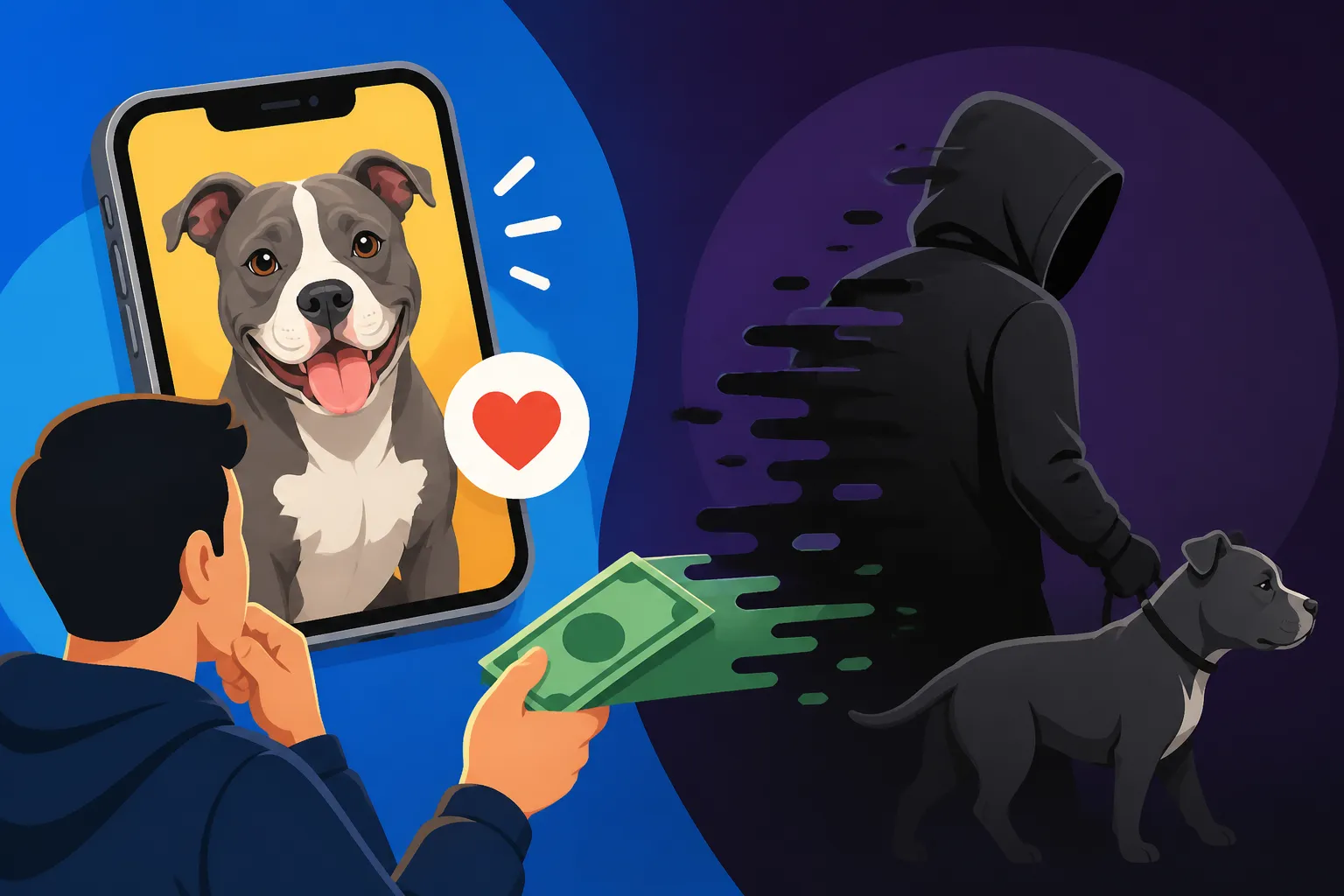
The mechanics of an online puppy scam are often surprisingly consistent, yet incredibly effective. Scammers typically create fake websites or post convincing ads on legitimate classified sites, often showcasing stolen photos of adorable puppies. They might claim to be a breeder or a rescue organization, often using names that sound authentic. Once you express interest, they respond with engaging, albeit sometimes grammatically imperfect, messages that build a sense of rapport and urgency. They’ll usually ask for a deposit to "hold" the puppy, citing high demand or a need to secure the dog. This initial deposit is just the beginning.
After the deposit, a series of increasingly elaborate requests often follow. You might be told that the puppy needs special shipping, a climate-controlled crate, or even unexpected "vet bills" for a sudden, fabricated illness. Each new request comes with a plea for more money, usually through untraceable methods like wire transfers, gift cards, or payment apps not designed for commercial transactions. They might even promise a full refund if you don't proceed, knowing full well you'll never see that money again. The whole operation is designed to keep you emotionally invested, pushing you to pay more until you either run out of funds or finally realize you’ve been duped.
The Allure of "Perfect" Online Listings
Scammers are masters of psychological manipulation, and they know exactly what emotional buttons to push. Their online listings often feature impossibly cute Pit Bull puppies, sometimes with "rare" colors or markings that seem too good to be true. They’ll craft heartwarming stories about the puppy's background, or its urgent need for a home, tapping into your desire to rescue or provide a loving environment. The prices are often slightly lower than what a reputable breeder or rescue would charge, making the offer irresistible, especially when combined with the convenience of "doorstep delivery."
The ease of finding a specific type of dog, like a "blue nose" or "red nose" Pit Bull, without the typical waitlist or travel associated with reputable sources, can be incredibly appealing. Many people, understandably, want to bypass the sometimes rigorous process of finding a ethical breeder or going through extensive rescue applications. Scammers exploit this desire for convenience and instant gratification. They create a fantasy that feels within reach, making it incredibly hard to step back and critically evaluate the situation when you're already emotionally invested in that perfect digital image. It's important to remember that the most trustworthy places often have waiting lists or require thorough vetting precisely because they prioritize the well-being of their dogs and families. If it seems too easy, it’s a major red flag.
Red Flags to Spot in Pit Bull Listings
Navigating the online world for a Pit Bull can feel like walking through a minefield. While most people are genuinely looking for a pet, scammers are always lurking. Learning to identify the subtle and not-so-subtle signs of a fraudulent listing is your best defense. It takes a keen eye and a healthy dose of skepticism, especially when dealing with something as emotionally charged as finding a new family member.
Unrealistic Pricing and Promises
One of the first and most glaring red flags is often the price. If a Pit Bull puppy, especially one advertised with desirable traits like a specific coat color or a champion bloodline, is listed for significantly less than the market average, be incredibly wary. While adoption fees at rescues like your local city pound might be lower, reputable breeders invest heavily in health testing, proper nutrition, and early socialization, which are reflected in their prices. For instance, reputable breeders offering a quality Pit Bull puppy might charge anywhere from $1,000 to $3,000 or more, depending on location, lineage, and the specific breed type (American Pit Bull Terrier, American Staffordshire Terrier, etc.). If you see a purebred Pit Bull puppy listed for a few hundred dollars with "free shipping," it’s almost certainly a scam.
Beyond pricing, pay attention to extravagant promises. Scammers might claim to have "rare" Pit Bulls with exaggerated features or unique colors that don't align with recognized breed standards. They might promise specific temperaments or training levels that are impossible to guarantee in a young puppy. Remember, What a UKC Registered Pit Bull Puppy Costs reflects the care and quality invested by the breeder. If a listing boasts about a puppy being an anomaly or having qualities that seem too extraordinary to be true, it’s usually because they are.
Communication Gaps and Pressure Tactics
The way a seller communicates can reveal a lot about their legitimacy. Be cautious of vague responses, poor grammar, or incoherent sentences, especially if they claim to be a professional breeder. While not everyone is a master wordsmith, consistent communication issues can indicate a scammer who isn't a native English speaker or is simply using a generic script. A legitimate breeder or rescue will be eager to answer your questions thoroughly and patiently. They’ll likely ask you questions too, as they’ll want to ensure their puppies go to good homes.
Watch out for pressure tactics. If a seller insists you send money immediately, claims another buyer is waiting, or offers a "today-only" discount to rush your decision, hit the brakes. Reputable sources want you to make an informed decision and will never pressure you into an impulsive purchase. They also often prefer or even require specific, secure payment methods, or payment in person. If they insist on wire transfers, gift cards (like Amazon or Apple gift cards), or using apps like Zelle or Cash App for large sums, especially without a verifiable business account, these are huge warning signs. These methods are virtually untraceable, making it impossible to recover your money once it's sent.
Lack of Transparency and Verification
This is perhaps the most critical area for spotting a scam. A legitimate breeder or rescue will always welcome, and often require, a visit to their premises. They want you to meet the puppy, its parents (if applicable), and see the environment where the dogs are raised. If a seller offers constant excuses why you can't visit – "the puppies are too young," "we're out of town," "we had a family emergency," "we only do remote sales" – this is a massive red flag. They might even claim to be located far away and offer shipping, which is a common tactic to avoid in-person meetings.
Furthermore, legitimate sellers are transparent about health records, vaccinations, and the puppy's lineage. They should readily provide details about the puppy's health history, vet checks, and any genetic testing done on the parents. If you're buying from a breeder, they should be able to show you The Paperwork a Pit Bull Puppy Should Carry, including registration documents (like UKC for American Pit Bull Terriers) and health clearances. If a listing has A Pit Bull Listing With No Health Testing results, or if they refuse to give you their vet's contact information for verification, walk away. They should also be happy to provide references from previous buyers. Beware of listings with generic, stock photos that seem to have been pulled from the internet, or inconsistent photos that show different dogs or environments. A real breeder will have unique, recent photos and videos of your specific puppy and its parents.
Protecting Yourself and Your Future Pit Bull
Bringing a Pit Bull into your life is a huge commitment, and you want to ensure you start that journey on the right foot, with a healthy, well-socialized companion from a responsible source. Protecting yourself from scams involves being proactive, thorough, and trusting your gut instincts.
Verifying Breeders and Rescues
The absolute best way to protect yourself is to go through well-vetted, reputable channels. Start by researching local Pit Bull rescues and breed-specific organizations. Many have strict application processes precisely to ensure good matches and prevent impulsive decisions. When considering a breeder, look for those registered with organizations like the United Kennel Club (UKC) for American Pit Bull Terriers, or the American Kennel Club (AKC) for American Staffordshire Terriers. These organizations uphold breed standards and often have codes of ethics for their registered breeders. Asking Questions to Ask Before Taking a Pit Bull Home is crucial, covering everything from health to temperament.
Always insist on meeting the puppy, its mother, and seeing where they are raised in person. If an in-person visit isn't possible due to distance, request a live video call where you can see the puppy interacting with its environment and the seller. A legitimate seller will be happy to accommodate this. Ask for documentation like health certificates, vaccination records, and proof of genetic testing. Reputable breeders should have performed health checks on the parents for common Pit Bull ailments like hip and elbow dysplasia, as well as cardiac issues. This contributes to What a Pit Bull Health History Should Cover. Also, a good breeder will be transparent about Meeting a Pit Bull's Parents Before You Commit, allowing you to assess their temperament and condition.
When adopting from a rescue, they should provide you with a comprehensive history of the dog, its known medical conditions, and any behavioral assessments. Many shelters offer reduced Pit Bull Adoption Fees at a City Pound, which often include spay/neuter surgery, vaccinations, and microchipping, making them a transparent and cost-effective option. Reputable groups prioritize transparency and the dog's welfare.
Safe Payment Practices
This cannot be stressed enough: never send money via wire transfer, gift cards, or untraceable payment apps to someone you haven't met in person and thoroughly vetted. These payment methods offer no buyer protection and are a favorite of scammers because once the money is sent, it's gone for good. Legitimate breeders or rescues will typically accept secure payment methods, such as credit card payments (which offer some dispute resolution), PayPal through a business account (again, with some protection), or certified checks. Ideally, for a breeder, a portion might be paid as a deposit, with the remainder paid in cash or via a certified check in person when you pick up your puppy and receive all the necessary paperwork.
Always get a written contract or adoption agreement that details the terms of sale, health guarantees, and what happens if the dog needs to be returned. This is essential, even for a rescue. Make sure this document is signed by both parties. This level of professionalism is a hallmark of Buying a Pit Bull From a Registered Breeder or adopting from a responsible organization. After you've secured your new family member, thinking about future healthcare costs is wise. Companies like Healthy Paws offer robust pet insurance plans that can help cover unexpected vet bills, giving you peace of mind. And for ongoing needs, reliable online retailers like Chewy provide a wide range of quality food and supplies, ensuring your Pit Bull thrives. If you're considering premium food options, brands like Ollie offer fresh, customized meal plans delivered right to your door.
What to Do If You've Been Scammed
If you realize you've fallen victim to an online puppy scam, the first thing to do is not blame yourself. These scammers are sophisticated and manipulative. Immediate action, though, is crucial.
- Contact Your Bank or Payment Provider Immediately: If you used a credit card or a bank transfer, contact your bank as soon as possible to report the fraudulent transaction. They might be able to reverse the charge or put a hold on the funds, though success depends heavily on the payment method and how quickly you act.
- Report to Law Enforcement: File a report with your local police department. While local police might have limited jurisdiction if the scammer is out of state or country, having an official report is important.
- File a Complaint with Federal Agencies: Report the scam to the Federal Trade Commission (FTC) at ReportFraud.ftc.gov. You should also file a complaint with the Internet Crime Complaint Center (IC3) at ic3.gov, which is a partnership between the FBI and the National White Collar Crime Center. If the scam involved the postal service, report it to the U.S. Postal Inspection Service.
- Inform the Platform: If you found the scam listing on a classified website, social media, or another online platform, report the seller and the listing to that platform's administrators. This helps prevent others from falling victim.
- Gather All Documentation: Keep all emails, text messages, transaction records, screenshots of the listing, and any other communication you had with the scammer. This evidence will be vital for any investigation.
The emotional aftermath can be tough. Give yourself time to process the disappointment and frustration. Learn from the experience, and when you're ready, restart your search for a Pit Bull by prioritizing in-person verification and reputable sources. The right Pit Bull is out there, waiting for you to find them safely and ethically.
Quick Guide to Identifying Pit Bull Scams
Here’s a handy table summarizing key differences between a legitimate Pit Bull listing and a scam to help you stay sharp:
| Feature | Legitimate Breeder / Rescue | Online Scam Listing |
|---|---|---|
| Price | Reflects investment in health, care, and breeding standards ($1000-$3000+ for breeders; adoption fees for rescues) | Unusually low for a specific breed/type, or high for "rare" features |
| Communication Quality | Clear, informative, good grammar, asks you questions | Vague, poor grammar, generic responses, one-sided |
| Visit/Video Call | Encourages/requires in-person visits; offers live video calls if remote | Makes excuses to prevent visits; refuses video calls or shows blurry/stolen footage |
| Health Documentation | Provides vet records, vaccination history, parent health clearances, genetic test results | Offers no documentation, or provides generic/fake papers; won't share vet contact |
| Payment Methods | Accepts secure methods (credit card, PayPal business, certified check, cash in person) | Insists on untraceable methods (wire transfers, gift cards, Zelle/Cash App to personal accounts) |
| Urgency/Pressure | Allows time for decision, provides clear timelines | Pressures for immediate payment, "today-only deals," claims other buyers waiting |
| Contract/Agreement | Provides a written contract detailing terms, guarantees, responsibilities | No formal contract, or a very vague one |
| Photos/Videos | Unique, high-quality, shows specific puppy and environment, updated frequently | Stock photos, blurry, inconsistent images, often stolen from other sites |
| Location Transparency | Clearly states physical location, welcomes local pickups | Claims to be far away, offers "shipping only," gives vague addresses |
| References | Happy to provide references from previous clients/adopters | Offers no references or provides fake/unverifiable ones |
Disclaimer
The information provided in this article is for general informational purposes only and is not intended as legal, financial, or veterinary advice. Always consult with a qualified professional for specific guidance related to your situation. We strive to provide accurate information, but cannot guarantee its completeness or applicability to every individual circumstance.