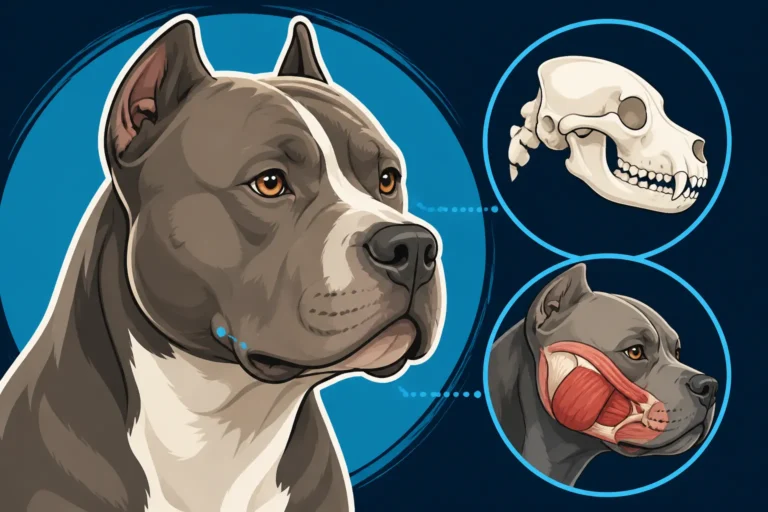
Questions to Ask Before Taking a Pit Bull Home
Bringing a new dog into your home is always a big decision, but when that dog is identified as a Pit Bull type, the stakes often feel a little higher. There's so much misinformation out there, and so many unique challenges that come with loving these incredible dogs, from landlord restrictions to outdated stereotypes. It's completely normal to feel a mix of excitement and apprehension. This guide is here to equip you with the crucial questions you need to ask yourself, shelters, or breeders, ensuring you're fully prepared for the commitment and joy of welcoming a Pit Bull into your life.
Understanding the True Nature of the "Pit Bull" Label
One of the biggest hurdles and most important understandings for any potential Pit Bull owner is recognizing that "Pit Bull" isn't a single breed, but rather a catch-all term for a group of dogs with similar physical characteristics. This can lead to a lot of confusion and misidentification, both in shelters and in public perception. Getting a clear picture of what you're actually taking on is the first step in responsible ownership.
What "Pit Bull" Really Means
When someone says "Pit Bull," they could be referring to an American Pit Bull Terrier (recognized by the United Kennel Club), an American Staffordshire Terrier (recognized by the American Kennel Club), or even a Staffordshire Bull Terrier. Sometimes, the term is loosely applied to any dog with a blocky head, muscular build, and short coat, regardless of its actual genetic makeup. This ambiguity means that two dogs labeled "Pit Bulls" might have very different temperaments, health predispositions, and genetic backgrounds. Understanding this nuance is vital because it shifts the focus from a broad, often stereotyped label to the individual dog in front of you. Why Pit Bull Is a Type and Not a Breed can offer more insight into this complex classification.
It's important to remember that registries and kennel clubs define breeds with specific standards, but public perception often overrides these distinctions. The dog you're considering might be a purebred American Pit Bull Terrier from a reputable breeder, or a mix from a shelter that simply looks like a Pit Bull. This isn't just semantics; it impacts how others view your dog, how certain institutions (like insurance companies or landlords) classify them, and even how you approach their care and training. Don't let a generic label overshadow the uniqueness of the dog.
Researching the Specific Dog's Background
Because of the broad "Pit Bull" label, it's absolutely paramount to delve into the individual dog's history, as much as possible. If you're adopting from a shelter or rescue, ask every question you can about where the dog came from, how it was found, and what its known history entails. Was it a stray? Was it surrendered by a family? Did it come from a multi-dog home? Every piece of information, no matter how small, helps paint a picture of its past experiences and potential personality traits. A dog with a known history of living happily with cats, for instance, will be a different prospect than one whose history is completely unknown when it comes to Pit Bulls Living With Other Dogs.
If you're considering a puppy from a breeder, ask about the temperament of both parent dogs. What are their personalities like? Are they friendly, outgoing, calm, or high-energy? A good breeder will be transparent and proud to discuss the lineage and genetic predispositions of their puppies. They should be able to provide details on the parents' health clearances, their titles in conformation or performance sports, and their general demeanor. This information is invaluable for predicting what kind of adult dog your puppy might become, helping you set realistic expectations for their temperament and potential needs. What a Pit Bull Breeder Should Have Done outlines key health tests.
Essential Health and Medical Inquiries
Bringing a new dog home means taking on responsibility for their health, and Pit Bulls, like all breeds, have certain predispositions. Knowing what to ask about their medical history and understanding common health concerns can save you stress, surprise bills, and heartbreak down the line.
Known Health Issues and Vet History
Pit Bulls are generally robust dogs, but they are prone to certain health conditions that prospective owners should be aware of. Skin allergies are incredibly common, often presenting as itching, redness, and recurring ear infections. It’s disheartening to watch a dog constantly scratch or chew at themselves. So, you'll want to ask if the dog has a history of skin issues, environmental allergies, or food sensitivities. Has it been on specific medications for allergies? Pit Bull Skin Allergies and the Atopy Pattern can be a recurring concern. Another common issue is hip dysplasia, a condition where the hip joint doesn't form correctly. This can lead to arthritis and pain, sometimes showing up as early as one or two years of age. Pit Bull Hip Dysplasia Showing at One to Two Years is a serious consideration.
Beyond breed-specific concerns, you must inquire about the dog's general veterinary history. Has the dog been seen by a vet regularly? Are they up-to-date on vaccinations like distemper, parvovirus, and rabies? What about deworming and flea/tick prevention? For dogs from shelters, they often come with their initial vaccinations and deworming, but knowing the exact schedule and due dates for boosters is critical. Ask for any available medical records or contact information for their previous vet, if applicable. This transparency is key to continuing their care seamlessly and avoiding gaps in preventive treatments. Products found on sites like Chewy can help you stay on top of regular preventative care, but you need to know what's already been done.
Spay/Neuter Status and Timing
The spay or neuter status of a Pit Bull, especially a puppy, is a significant question with implications for both behavior and long-term health. If adopting an adult dog, chances are they will already be spayed or neutered as part of the adoption agreement. However, if you are getting a younger dog or a puppy, discussing the timing of this procedure is crucial. There's ongoing debate among veterinarians and researchers about the optimal age for spaying and neutering, particularly for larger, more muscular breeds like Pit Bulls, due to potential impacts on joint development and growth plate closure. When to Neuter a Pit Bull Without Costing Joints addresses this in detail.
For female Pit Bulls, spaying eliminates the risk of uterine infections (pyometra) and greatly reduces the risk of mammary cancer. For males, neutering can reduce the risk of testicular cancer and some prostate issues. Beyond health, it can also influence certain behaviors, such as roaming, marking, and some forms of aggression. Ask what the current recommendations are based on the individual dog's age and breed type, and be prepared to discuss these options with your own veterinarian. Make sure you understand the shelter's or breeder's policy on spay/neuter, especially if they have an agreement for puppies to be altered at a later date.
Behavior, Training, and Socialization Considerations
Pit Bulls are incredibly intelligent and eager-to-please, but they are also powerful dogs with a strong drive. Understanding their behavioral background and potential training needs is paramount to a harmonious household and a well-adjusted dog.
Socialization History and Dog-to-Dog Interactions
A Pit Bull's socialization history, especially with other dogs, is a non-negotiable question. You need to know how the dog interacts with other canines, both familiar and unfamiliar, and of various sizes. Have they lived with other dogs successfully? Do they show appropriate play behaviors? Are they dog-selective, meaning they might tolerate some dogs but not others, or are they truly dog-friendly? This is particularly vital if you already have other pets in your home. Socializing a Pit Bull Puppy Thoroughly is essential from a young age, but adult dogs also benefit from careful, positive introductions.
Don't just take a verbal assurance; if possible, ask for a "meet and greet" with your existing dog or observe their interactions with other dogs in a controlled environment. Also, inquire about their behavior around children, strangers, and different environments (e.g., car rides, busy streets, quiet parks). A dog's reaction to novel situations tells you a lot about their confidence and adaptability. If they have a history of resource guarding or reactivity towards other dogs or people, you need to be fully prepared for the commitment of managing and training those behaviors, which might include working with a professional trainer.
Training Level and House Manners
Bringing home a dog with good foundational training can make the transition much smoother, but it's equally important to know where they stand if training is needed. Ask about basic commands: Does the dog know "sit," "stay," "come," and "down"? Are they leash trained, or do they pull like a freight train? Pit Bull Leash Manners and Physical Strength can be a real challenge if not addressed. Understanding their current training level will help you anticipate the amount of work required from day one. Many adult Pit Bulls in shelters might have had inconsistent training or none at all, making patience and positive reinforcement key.
Beyond formal commands, inquire about house manners. Is the dog house-trained? Do they chew inappropriately? Pit Bulls, especially as puppies and adolescents, can be enthusiastic chewers, and if not given appropriate outlets, they might direct that energy towards furniture or shoes. Pit Bull Chewing and Destructive Behavior is common but manageable. What is their crate training history? A dog that is comfortable and settled in a crate can be a huge asset for house training, managing chewing, and providing a safe space. A good quality, chew-proof crate found on a site like Chewy will be an essential purchase. Knowing these details upfront allows you to prepare your home and your routine to set your new companion up for success.
Lifestyle, Environment, and Long-Term Commitment
Taking on a Pit Bull means accepting their unique needs and challenges, and critically, how they fit into your specific lifestyle and living situation. This is where honest self-assessment comes into play.
Energy Levels and Exercise Requirements
Pit Bulls are athletic, powerful dogs, and they need appropriate outlets for their energy. Don't let their stocky build fool you; they aren't content to be couch potatoes all day. Ask about the dog's typical energy level. Are they a go-all-day dynamo, or more of a moderate-energy companion? How much exercise do they currently receive? A dog that is accustomed to two long walks and a vigorous play session daily will likely be frustrated if suddenly reduced to short leashed potty breaks. Pit Bull Exercise for a Powerful Athletic Dog isn't just about physical health; it's crucial for mental well-being too.
Be realistic about your own ability to meet these needs. Do you have the time and physical capacity for daily walks, runs, hikes, or active play sessions? Can you commit to providing mental enrichment through puzzle toys, training, or scent work? Under-exercised Pit Bulls can become bored, destructive, or develop behavioral issues. Consider how you will provide exercise during inclement weather or if you're ever unable to walk them yourself. Having a plan for consistent, engaging activity will contribute significantly to a happy and well-behaved Pit Bull.
Housing Restrictions and Insurance Implications
This is often the most frustrating and challenging aspect of Pit Bull ownership. Despite their loving nature, many apartment complexes, rental homes, and even homeowners insurance policies have breed-specific restrictions that target Pit Bulls. It is absolutely imperative that you confirm your housing situation allows for a Pit Bull before you bring one home. Do not assume; ask for written confirmation from your landlord or HOA. Where Pit Bull Legislation Still Applies is a critical read. Some cities and states also have breed-specific legislation that can affect ownership.
Beyond housing, many homeowners insurance companies either outright refuse to cover homes with Pit Bulls or charge significantly higher premiums. This is not just a minor inconvenience; it can leave you financially vulnerable in the event of an incident. Ask your current insurance provider about their breed restrictions or, if switching, seek out companies known for being breed-neutral. Getting Home Insurance With a Pit Bull can be tough, but not impossible. Similarly, if you rent, you'll need to confirm Finding a Rental That Takes a Pit Bull and possibly budget for higher pet deposits or pet rent. You should also look into Pit Bull Pet Insurance and Breed Exclusions to help cover potential veterinary costs down the line. Navigating these restrictions can be a huge headache, but it’s a necessary step to ensure you and your dog have a secure and legal living situation.
Key Questions to Ask Before Adopting a Pit Bull
| Category | Key Questions to Ask |
|---|---|
| Identity & History | Is this dog a specific breed (APBT, AmStaff, Staffie) or a mix? What is the dog's known history (stray, surrender, breeder)? What are the temperaments of the parents (if puppy)? |
| Health & Medical | What is the dog's vaccination and deworming status? Has the dog had any known health issues (e.g., skin allergies, joint problems)? Has the dog been spayed/neutered? If not, what is the recommendation for timing? Can I see vet records? |
| Behavior & Training | How does the dog interact with other dogs, cats, and children? What is its level of house training, leash training, and basic obedience? Does it have any known behavioral challenges (e.g., chewing, guarding, anxiety)? How does it respond to strangers? What is its crate training history? |
| Lifestyle & Housing | What is the dog's typical energy level and daily exercise requirement? Can my lifestyle accommodate these needs? Does my landlord/HOA allow Pit Bull type dogs? Will my homeowners/renters insurance cover this breed? How will I provide mental enrichment? |
| Long-Term Fit | Am I prepared for the potential public perception and breed stigma? Am I committed to ongoing training and socialization throughout the dog's life? Have I considered the long-term financial commitment for food, vet care, and potential specialized training or medical needs? |
Bringing a Pit Bull type dog into your life is a deeply rewarding experience, filled with loyalty, love, and endless cuddles. But it’s also a journey that requires careful consideration, honest self-assessment, and thorough preparation. By asking these crucial questions and understanding the answers, you're not just readying your home; you're building the foundation for a lifetime of happiness with a dog who deserves nothing less than your absolute best.
Disclaimer
This article is for general informational purposes only and does not constitute professional advice. Laws, prices and regulations vary by location and change over time. Consult a qualified professional for guidance on your specific situation.