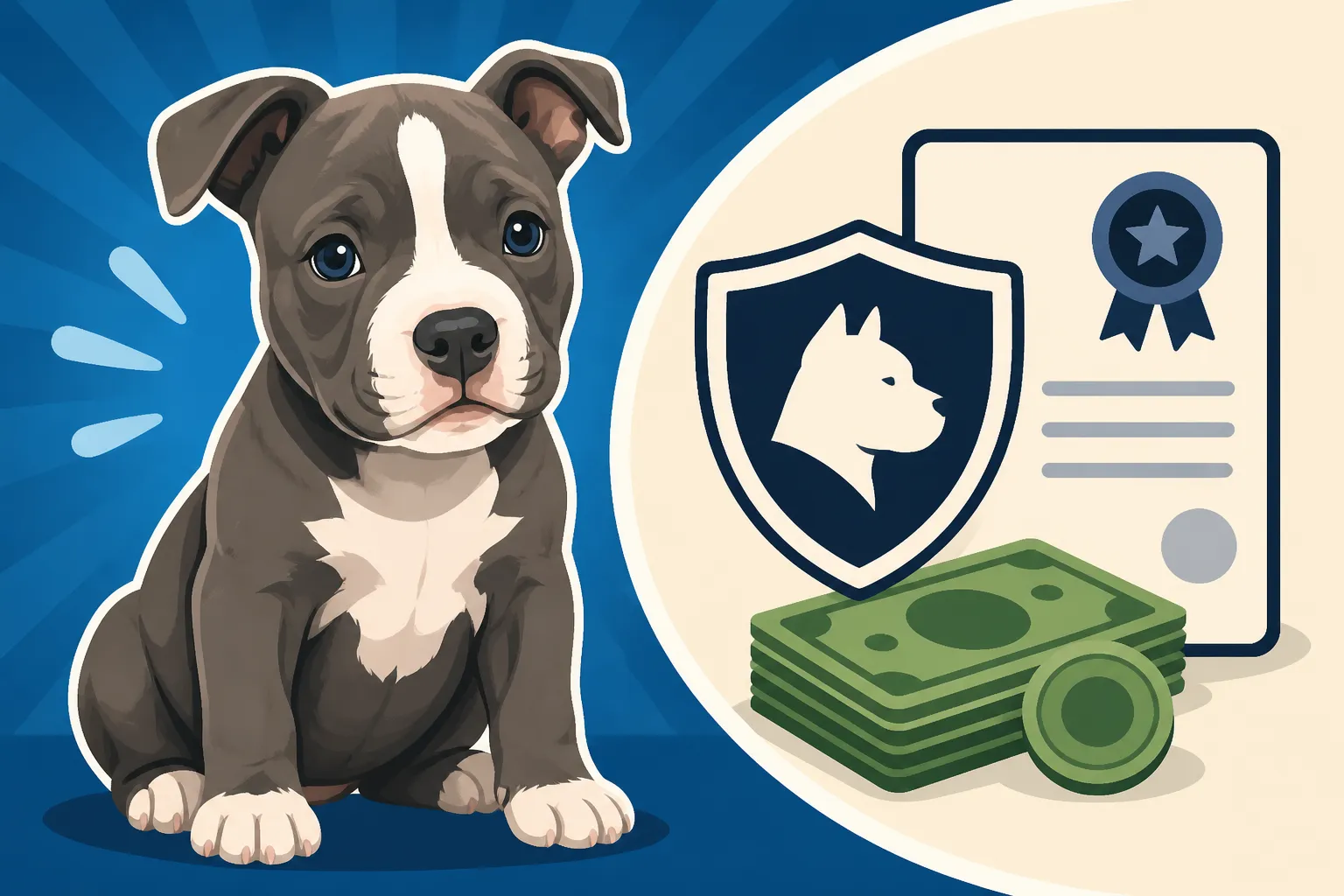
What a UKC Registered Pit Bull Puppy Costs
Bringing home a new puppy is such an exciting time, filled with dreams of cuddles, playtime, and a loyal companion. But for those looking specifically for a UKC Registered Pit Bull puppy, there's often an immediate question that pops up, usually accompanied by a bit of sticker shock: "What's this going to cost me?" It's a completely fair question, and the truth is, the price tag on the puppy itself is just the beginning. This guide will help you understand not only the initial outlay for a well-bred, UKC-registered Pit Bull but also the significant financial commitment that comes with responsible ownership.
Understanding UKC Registration and Its Impact on Price
When you see "UKC Registered" attached to a Pit Bull puppy, it signifies a certain lineage and adherence to the breed standard as recognized by the United Kennel Club. This isn't just fancy paperwork; it tells you that the breeder has taken steps to preserve the characteristics of the American Pit Bull Terrier, a distinct breed recognized by the UKC since 1898. This registration often comes with a higher initial price tag than an unregistered or mixed-breed Pit Bull, and for good reason.
The Role of the United Kennel Club
The UKC is the second-oldest all-breed registry in the United States, and for the American Pit Bull Terrier (APBT), it's the primary registry. Unlike some other registries, the UKC focuses on the "Total Dog" concept, valuing conformation, performance, and temperament. A UKC registration means a puppy's parents (and typically many generations before them) are recognized APBTs within the UKC system. This recognition confirms the dog's pedigree and helps responsible breeders track genetic lines for health and temperament.
When you're looking at a UKC registered puppy, you're investing in a dog whose background is verifiable. This often means the breeder is dedicated to maintaining the breed's integrity, which usually translates to more effort and expense on their part in breeding, raising, and caring for the litter. This dedication is ultimately reflected in the puppy's price. You're paying for the assurance of knowing what kind of dog you're bringing home, both in terms of physical traits and potential temperament.
What UKC Registration Signifies for Quality
The simple act of being UKC registered doesn't automatically guarantee a perfect puppy, but it does mean a breeder is part of a system that encourages responsible practices. It suggests that they are striving to produce dogs that fit the breed standard, which includes temperament and health predispositions. For instance, reputable breeders will often perform health screenings on their breeding stock for common Pit Bull ailments like hip and elbow dysplasia, cardiac issues, and certain genetic conditions.
This due diligence adds to the cost of breeding, but it significantly reduces the likelihood of future health problems for your puppy, potentially saving you thousands in vet bills down the line. A breeder presenting a UKC registered puppy should also be able to provide you with the puppy's pedigree, health clearances for the parents, and possibly even proof of titles in conformation or performance events. This transparency is a hallmark of a responsible breeder and is part of what you're paying for when you invest in a registered puppy. It moves you away from the uncertainty of backyard breeders or puppy mills, where health and lineage are often unknown, and potential issues could manifest later in your dog's life.
Factors Influencing a UKC Registered Pit Bull Puppy's Price
The cost of a UKC Registered American Pit Bull Terrier puppy can vary quite a bit, typically ranging anywhere from $1,500 to $4,000, and sometimes even higher for puppies from exceptionally well-known or titled lines. This range isn't arbitrary; it's influenced by several key factors that reflect the breeder's investment and the puppy's potential.
Lineage and Pedigree
Just like in human families, a dog's "family tree" or lineage can significantly impact its value. Puppies from parents with extensive show records, championship titles in conformation (like Best in Show) or performance events (like agility, obedience, or weight pull), or those descended from historically significant bloodlines will command a higher price. These dogs are considered to have proven their worth in terms of embodying the breed standard, temperament, and genetic health.
For example, a puppy whose parents are both UKC Grand Champions, with clear health certifications for generations, might be at the higher end of the price spectrum. This isn't just about bragging rights; it's about the decades of careful breeding, selection, and health screening that went into producing such a line. Breeders invest considerable time, money, and expertise into developing and maintaining these lines, traveling to shows, participating in trials, and performing extensive health checks. If you're looking for a future show dog, a working dog, or simply a pet with the best possible genetic foundation, you can expect to pay more for a puppy from such a distinguished background.
Breeder Reputation and Practices
A breeder's reputation is built on their commitment to their dogs, the breed, and the puppy buyers they work with. Reputable breeders invest heavily in their breeding program, and these costs naturally factor into the puppy price. This includes:
- Health Testing: As mentioned earlier, comprehensive health testing for conditions common in Pit Bulls, such as hip and elbow dysplasia, cardiac issues, and inherited eye diseases, is crucial. These tests, often done by specialists or through organizations like the Orthopedic Foundation for Animals (OFA) or PennHIP, are expensive but vital for producing healthy puppies. Reputable breeders will share these results transparently. For a deeper dive, consider reading about What Testing a Pit Bull Breeder Should Have Done.
- Optimal Care for Parents and Puppies: This means providing high-quality nutrition, regular veterinary care, a clean and stimulating environment for the puppies, and early socialization. Puppies from responsible breeders are often raised in a home environment, exposed to various sights, sounds, and people, which helps them develop into well-adjusted adults.
- Guarantees and Support: Many reputable breeders offer health guarantees, lifetime support, and take back dogs at any point if the owner can no longer keep them. This ongoing commitment is part of the value you're receiving.
A breeder who cuts corners on any of these aspects might offer a lower price, but it often comes with hidden costs down the line in terms of potential health or behavioral problems. It's truly a "you get what you pay for" situation in the world of purebred dogs.
Location and Demand
The geographic location can also play a role, as prices can vary by state or region due to local demand, cost of living, and breeder density. For instance, a puppy from a breeder in a highly populated area with strong demand might be more expensive than one from a more rural area. Additionally, certain "trends" in color or features, like "blue nose" or "red nose" Pit Bulls, can sometimes inflate prices, though a truly responsible breeder focuses on health and temperament above superficial traits. Always be wary of breeders who market solely on color, as this can often indicate a lack of focus on more critical aspects of breeding.
Beyond the Purchase Price: The True Costs of Pit Bull Ownership
While the initial cost of a UKC Registered Pit Bull puppy might seem substantial, it's truly only the tip of the iceberg when it comes to responsible dog ownership. Many first-time owners are caught off guard by the ongoing expenses, which can easily add up to thousands of dollars each year over a Pit Bull's lifespan.
Initial Setup and Puppy Care Expenses
Once you bring your new puppy home, a whole new set of expenses kicks in almost immediately. Think about it: this little furball needs everything!
- Veterinary Care: For a puppy, this means a series of vaccinations, deworming, and initial health check-ups. Missing these early steps can lead to serious health issues. A comprehensive guide on Pit Bull Puppy Vaccination and Parvovirus can help you understand this crucial period. You'll also need to budget for spaying or neutering, which is a significant expense, typically ranging from $200-$500, depending on your vet and location. Considering the long-term health benefits, especially regarding certain cancers and behavioral issues, it's a worthwhile investment. You might want to research Whether Early Neutering Harms Pit Bull Joints to make an informed decision on timing.
- Supplies: A sturdy crate, appropriate for a growing Pit Bull, is essential for house training and safety. Quality food and water bowls, a comfortable bed (that can withstand chewing!), a leash and collar, ID tags, and an array of durable chew toys are all necessary. Chewy is a great resource for finding a wide variety of these supplies, often with good bulk discounts. Don't forget grooming tools like a brush, nail clippers, and puppy-friendly shampoo.
- Food: High-quality puppy food is crucial for healthy development. Pit Bulls are muscular dogs, and their growth requires proper nutrition. Brands like Ollie offer fresh, human-grade food options that can be beneficial, though they come at a premium. Expect to spend $40-$80 a month, or more for premium options, on food alone as your puppy grows. For more on what your growing pup needs, check out Feeding a Pit Bull Puppy to Fifty Pounds.
Here's a quick look at estimated initial costs for the first month:
| Item | Estimated Cost Range | Notes |
|---|---|---|
| UKC Registered Puppy | $1,500 – $4,000 | Varies based on lineage, breeder, and demand |
| Initial Vet Visits | $200 – $500 | Exams, vaccinations, deworming, microchip |
| Spay/Neuter | $200 – $500 | Varies by clinic and gender, often done at 6-12 months |
| Crate | $80 – $200 | Large, sturdy, chew-proof |
| Bed | $50 – $150 | Durable, washable |
| Food (1st month) | $40 – $80 | High-quality puppy formula |
| Bowls | $20 – $50 | Stainless steel or ceramic recommended |
| Collar, Leash, ID Tag | $30 – $70 | Durable, adjustable |
| Chew Toys | $50 – $100 | Pit Bulls are strong chewers, need robust toys |
| Grooming Supplies | $30 – $70 | Brush, nail clippers, shampoo |
| Total Initial Outlay | $2,200 – $5,720+ | This doesn't include unexpected vet emergencies or advanced training |
As you can see, the initial purchase price is just one part of The First Month Cost of a Pit Bull.
Ongoing Annual Expenses
Beyond the initial puppy phase, the costs continue throughout your Pit Bull's life, and these are the ones that really add up over a decade or more.
- Food: As an adult, your Pit Bull will still require high-quality food, potentially a specialized formula if they develop allergies or other health conditions. Monthly food bills can range from $50-$100+, depending on brand, size, and activity level.
- Routine Vet Care: Annual check-ups, booster vaccinations, and parasite prevention (heartworm, flea, and tick medications) are non-negotiable for keeping your Pit Bull healthy. Expect to spend $300-$600 annually on these preventative measures.
- Pet Insurance: This is where many owners wish they had invested earlier. Pit Bulls, like all breeds, can be prone to certain health issues such as allergies, hip dysplasia, and cruciate ligament tears. A good pet insurance policy can save you thousands if a major illness or accident occurs. Companies like Healthy Paws offer comprehensive coverage that can soften the blow of unexpected veterinary emergencies. Be sure to investigate Pit Bull Pet Insurance and Breed Exclusions carefully before committing.
- Training and Enrichment: Pit Bulls are intelligent and powerful dogs who benefit greatly from ongoing training and mental enrichment. Group classes, private sessions, or even advanced sports can cost hundreds of dollars annually. For more on this, consider Pit Bull Training and Certification Costs. Don't forget puzzle toys, dog park fees, or occasional dog walker/daycare expenses if you work long hours.
- Miscellaneous: This category covers everything from replacing worn-out beds and toys to occasional grooming, travel costs if you take your dog on vacation, and emergency savings.
When you look at What One Pit Bull Costs From Eight Weeks On, it quickly becomes clear that budgeting for these ongoing expenses is just as critical as saving for the initial purchase. A responsible Pit Bull owner is one who is prepared for the long haul, financially and emotionally.
Navigating the Market and Avoiding Scams
Finding a UKC Registered Pit Bull puppy requires diligence and a critical eye. Unfortunately, where there's demand, there are always unscrupulous individuals looking to make a quick buck, often at the expense of animal welfare.
Red Flags to Watch For
It's vital to be able to identify signs of a bad breeder or a potential scam. A low price for a "UKC registered" puppy can sometimes be the first red flag. If a price seems too good to be true, it almost certainly is. Here are other indicators to be wary of:
- No Health Testing: If a breeder cannot provide proof of health clearances for the puppy's parents (OFA, PennHIP, cardiac screenings, etc.), walk away. This is non-negotiable for responsible breeding. The value of a UKC pedigree is diminished if genetic health isn't prioritized.
- No Paperwork or Pedigree: While the puppy is young, the breeder should be able to provide the registration papers for the parents and, once applicable, the puppy's individual registration application. They should also be able to show you the puppy's pedigree. Be suspicious if they make excuses about "missing papers" or offer a significantly lower price for an "unregistered" puppy from registered parents.
- Puppy Mills or Backyard Breeders: These operations often prioritize profit over health and welfare. Signs include multiple breeds being bred, puppies kept in unsanitary conditions, unwillingness to let you visit the premises, parents who seem shy or unhealthy, and a lack of knowledge about the breed. Avoid breeders who push you to buy sight unseen or demand deposits without a clear contract.
- Over-Emphasis on Color: While a "blue nose" or "red nose" Pit Bull can be striking, responsible breeders never prioritize color over health, temperament, and adherence to the breed standard. Be wary of anyone charging exorbitant prices solely based on a specific coat color, as this often indicates a lack of focus on more important breeding goals.
- Lack of Support or Guarantees: A good breeder will offer a health guarantee for their puppies and be a resource for you throughout your dog's life. If they seem uninterested in staying in touch or don't offer any guarantee, it's a major warning sign.
- Online Listings Without Proper Vetting: Be extremely cautious of listings on general classified websites. Many scams involve pictures of cute puppies but no actual dogs, or puppies raised in extremely poor conditions. Always verify the breeder's credentials and insist on visiting the puppies in person. The information found in The Paperwork a Pit Bull Puppy Should Carry can help you be better prepared.
Finding a Reputable Breeder
To find a reputable UKC Registered Pit Bull puppy, you'll need to do your homework. Start by researching the UKC website for a list of registered kennels or affiliated clubs. Attend local dog shows or performance events where APBTs compete; this is a great way to meet breeders in person and see their dogs in action.
When you contact a breeder, expect them to ask you just as many questions as you ask them. They want to ensure their puppies go to responsible, loving homes. Be prepared to discuss your living situation, your experience with dogs, and your understanding of the Pit Bull breed. A good breeder is an invaluable resource, offering support and guidance for the lifetime of your dog. They are investing in the future of the breed, and you are becoming a part of that legacy.
Disclaimer
This article is intended for informational purposes only and does not constitute professional veterinary or financial advice. Always consult with a qualified veterinarian for any health concerns regarding your pet and a financial advisor for personal financial planning. Costs provided are estimates and can vary significantly based on location, specific services, and individual circumstances.