What Blue Nose and Red Nose Mean on a Pit Bull
Blue nose and red nose descriptors in Pit Bull dogs explain specific color variations and genetic traits rather than distinct breeds.
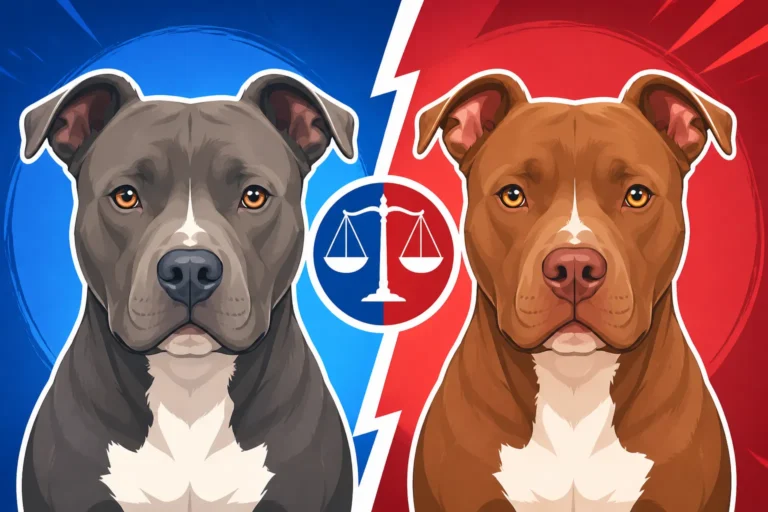
Blue nose and red nose descriptors in Pit Bull dogs explain specific color variations and genetic traits rather than distinct breeds.
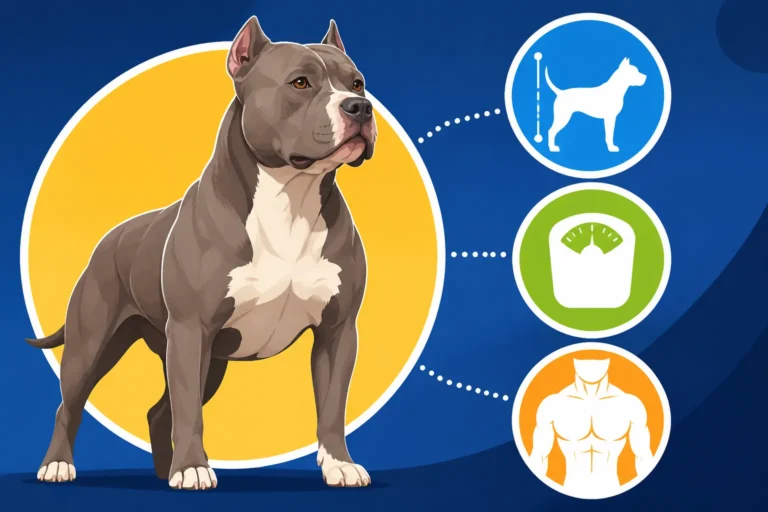
Pit Bull height, weight, and build vary because the label covers three distinct dog breeds with different sizes.

Pit Bull temperament test pass rates compared to other breeds using objective American Temperament Test Society data.

Pit Bull ATTS testing measures stability in controlled settings but fails to predict future behavior or daily temperament.

The historical origin of the Pit Bull nanny dog myth explains why this dangerous narrative resonates with owners.
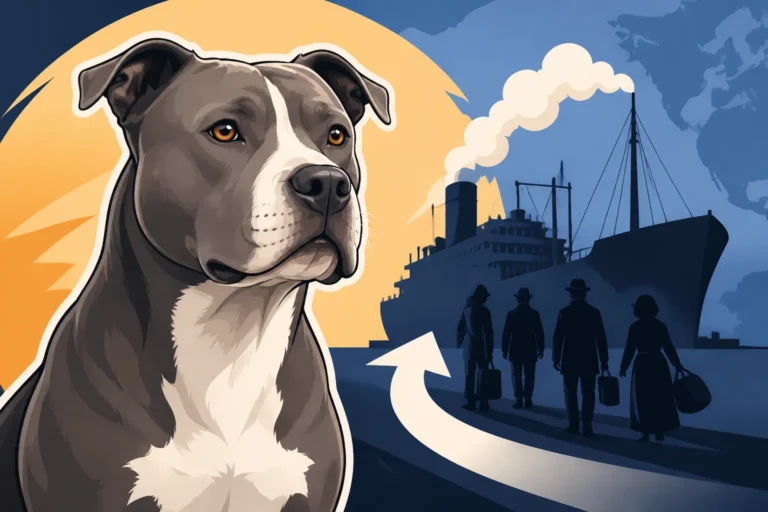
The historical journey of Pit Bull type dogs from Great Britain to America and their English Bulldog ancestors.
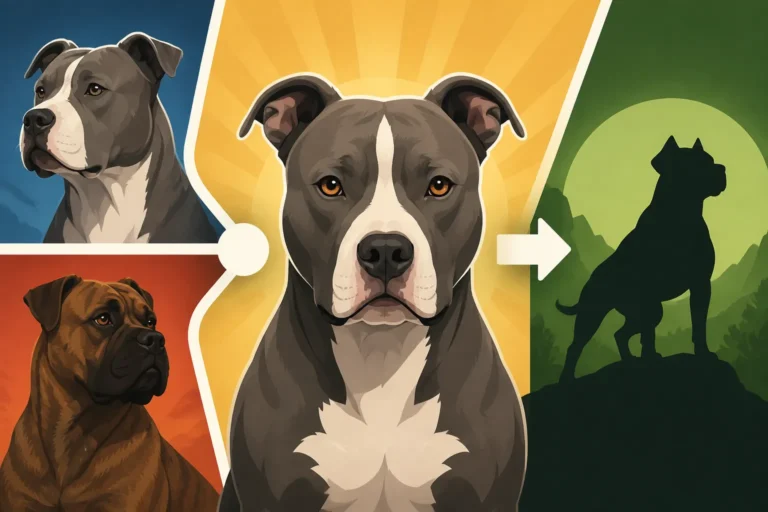
Pit Bull cross origins stem from historical blood sports combining Old English Bulldogs and terriers for specific tasks.
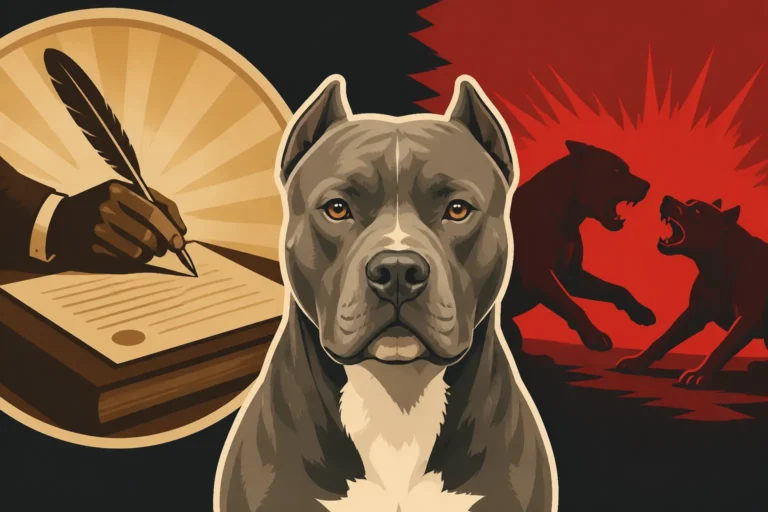
The Cruelty to Animals Act of 1835 unintentionally shaped the modern Pit Bull by banning bull and bear baiting.

Pit Bull ancestry from bull and terrier crosses combined bulldog strength with terrier speed for 18th and 19th century blood sports.

The Pit Bull label causes shelter dogs to face longer stays due to visual identification and public perception.