The Pit Bull’s Bull and Terrier Ancestors
It can be incredibly confusing to understand the true origins of the dogs we affectionately call "Pit Bulls" today, especially with so much misinformation floating around. Many people hear snippets about their past and form strong opinions without truly knowing the historical context. This guide aims to clear up that fog, diving deep into the fascinating, albeit sometimes challenging, history of the bull and terrier ancestors that ultimately shaped the powerful, loyal, and complex dogs we cherish in our homes.
Understanding the "Bull and Terrier" Blends
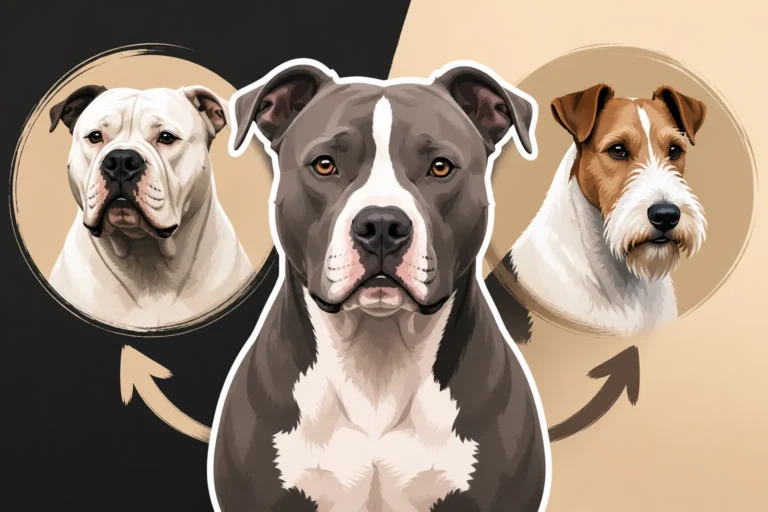
When we talk about the "Pit Bull" as a type of dog, we're really discussing a collection of breeds with a shared ancestry, fundamentally rooted in the "bull and terrier" crosses of past centuries. It wasn't a single, clean breeding program designed in a lab, but rather a gradual evolution driven by specific human needs and, unfortunately, brutal pastimes. Understanding this blending is key to appreciating the physical and temperamental traits that define these dogs today. Many folks assume a single, monolithic origin, but the truth is far more nuanced, reflecting a rich tapestry of canine history.
The Need for Strength and Agility
Imagine a world before modern veterinary medicine, before advanced protective gear, where certain "sports" involved animals. The original purpose of these bull and terrier crosses was quite specific and demanding. They needed the brute strength and tenacity of the old Bulldogs, dogs bred for centuries to bait bulls and bears – a task requiring immense physical power, a low center of gravity, and an unyielding grip. But they also required the quickness, intelligence, and "gameness" (a term referring to an unwavering determination to complete a task) of terriers, dogs originally bred to go to ground and hunt vermin. Farmers and working-class people sought a dog that could excel at both, creating a canine athlete unlike any other. They weren't looking for a pretty face; they were looking for unparalleled function.
The fusion of these traits wasn't just about combining two different skill sets; it was about creating a super-dog for a very specialized, dangerous role. Think of it as engineering a canine with the power of a heavyweight boxer and the agility of a lightweight wrestler. This combination meant a dog that could hold its own, not just with larger, stronger animals, but also with quick, elusive prey. This dual need shaped their physical form and their mental fortitude, laying the groundwork for the future breeds that would emerge. The Bull and Terrier Origin of the Pit Bull delves deeper into these specific historical roles.
The Early Purpose: A Gruesome Past
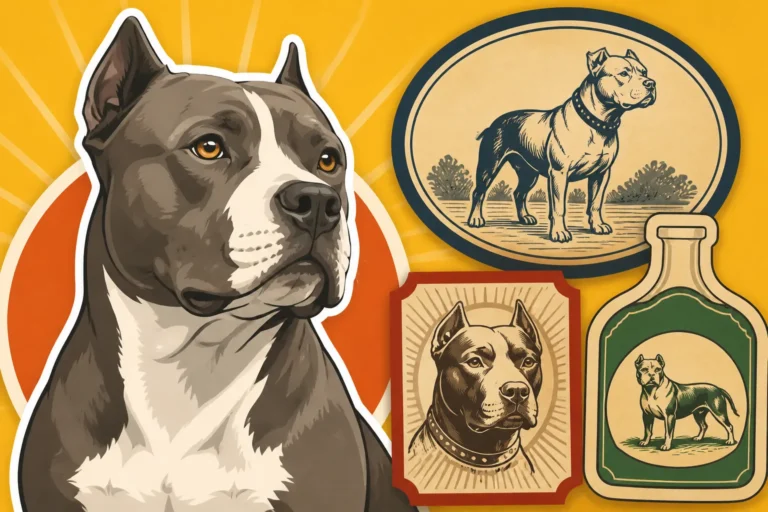
It's impossible to discuss the ancestry of Pit Bulls without acknowledging their less-than-savory origins. The creation of the bull and terrier types was directly tied to the blood sports of 18th and 19th century Britain. After bull-baiting was outlawed in 1835, many turned to dog-fighting, which required a different set of physical attributes. Bulldogs, while powerful, were often too slow and bulky for the quick, confined spaces of a fighting pit. Terriers, while agile and game, lacked the sheer power and bite strength needed for dog-on-dog combat.
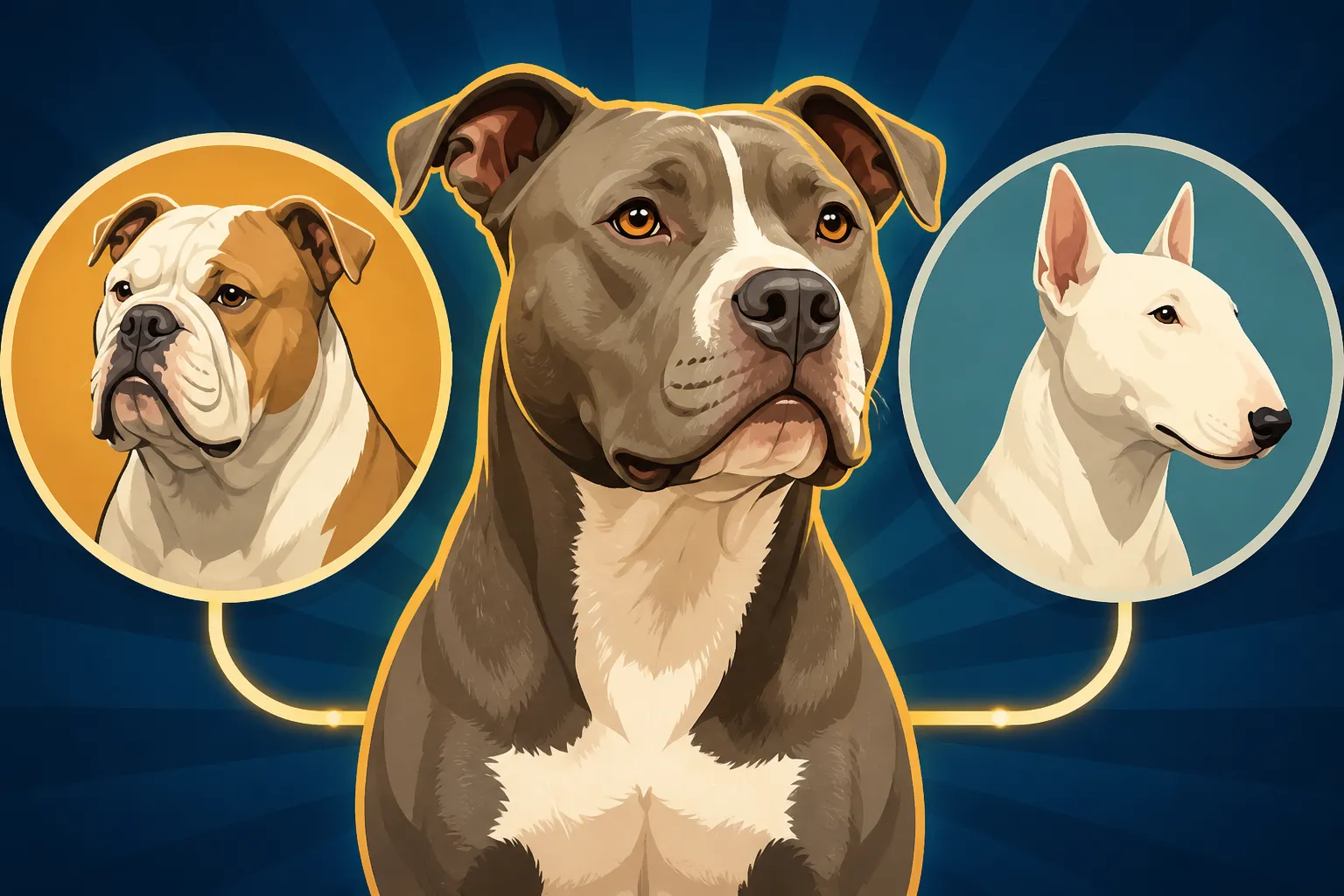
The solution was to cross them, creating a dog that retained the Bulldog's raw power and tenacity but gained the terrier's speed, agility, and relentless drive. These dogs were bred for endurance, strength, and a high pain tolerance, all traits that made them formidable in the pit. It's a dark chapter in canine history, but ignoring it prevents us from truly understanding the deeply ingrained characteristics that still manifest in their descendants today. Recognizing this past allows us to appreciate the transformation these dogs have made and the efforts of responsible owners to guide their strong instincts towards positive outlets. You can read more about this period in The 1835 Act That Shaped the Pit Bull and How Baiting Bans Created the Pit Bull.
Not Just One Breed, But a Type
It's crucial to understand that "Pit Bull" is not a single breed in the same way a Labrador Retriever or a German Shepherd is. Instead, it's a general term used to describe a type of dog that shares similar physical characteristics and ancestry, primarily derived from those original bull and terrier crosses. Over time, as these dogs were brought to America by immigrants, different lines were developed for various purposes, leading to the creation of distinct breeds.
Today, when people say "Pit Bull," they are typically referring to several breeds, including the American Pit Bull Terrier (recognized by the United Kennel Club, or UKC), the American Staffordshire Terrier (recognized by the American Kennel Club, or AKC), and often the Staffordshire Bull Terrier (also AKC recognized). Sometimes, even the American Bulldog or the newer American Bully breeds are included in this broad categorization. Each of these breeds has its own specific standard, but they all carry the genetic blueprint of those bull and terrier ancestors. This shared heritage explains why they look and often behave similarly, even though they are distinct breeds with different histories of formal recognition. This complex family tree is why we say Why Pit Bull Is a Type and Not a Breed.
The Bulldog Ancestry: Power and Tenacity
To truly grasp the essence of the Pit Bull, we must look at the "bull" half of their heritage: the Old English Bulldog. These weren't the squat, wrinkly bulldogs we see today as companion animals. The original Bulldogs were formidable creatures, bred for a gruesome "sport" that required immense courage, pain tolerance, and physical strength. Their legacy is etched into the very musculature and temperament of modern Pit Bull types.
From Bull-Baiting to Companion?
The Bulldogs of yesteryear were purpose-bred for bull-baiting, a barbaric spectacle where a dog would grapple with a tethered bull. This demanded a specific build: a powerful, stocky body, a large head with strong jaws, and an unyielding grip. They were selected for their ability to grab hold of a bull's nose or throat and not let go, often for extended periods, despite being gored or tossed. This incredible tenacity, often referred to as "gameness," was paramount.
When these cruel sports were outlawed, the original Bulldogs faced a crossroads. Some were repurposed, crossbred to create the fighting dogs mentioned earlier. Others were selectively bred over generations to become the more docile, companionable Bulldogs we recognize today, their extreme physical traits softened, and their aggressive tendencies minimized. The journey from a bull-baiting dog to a beloved family pet is a testament to selective breeding and the adaptability of canine genetics, yet the core genetic memory of their ancestors still contributes to the power and determination seen in Pit Bulls.
What the Old Bulldogs Brought
The physical contributions of the Old English Bulldog to the Pit Bull type are undeniable. We see it in the broad, powerful head, the strong, well-developed jaws, and the muscular, compact body. These dogs were built for power and resilience. Their bite force, their low center of gravity, and their incredible pain tolerance all stemmed from their bulldog lineage. They also brought a certain emotional robustness – a stoicism that allowed them to endure immense pressure without crumbling.
Think about the impressive musculature of a well-conditioned Pit Bull today. That foundational power, that dense bone structure, and the strength behind their movements can be traced back directly to those formidable Bulldogs. When a Pit Bull engages in a vigorous game of tug-of-war, that powerful grip and unwavering focus are echoes of their bulldog ancestors. While modern Pit Bulls are far removed from those days, the genetic blueprint for power, strength, and an almost unbelievable determination remains. For durable chew toys that can stand up to this kind of power, owners often look to places like Chewy for sturdy options that last.
The Physical Traits That Endure
Even after generations of selective breeding away from blood sports, certain physical traits inherited from the Bulldog remain prominent in Pit Bull types. The large, blocky head, the powerful neck, the broad chest, and the well-sprung ribs all speak to a heritage of strength and resilience. The strong jaws, capable of delivering a formidable bite, are another clear indicator. While the contemporary Bulldog has been bred to be far more docile, the ancestral traits passed to the Pit Bull type reflect that original, powerful archetype.
These enduring traits also manifest in their robust health and stamina. Pit Bulls are often known for their incredible athleticism and ability to sustain intense physical activity. Their dense bone structure and musculature make them formidable athletes, whether they're excelling in dog sports like agility, dock diving, or simply enjoying a long hike with their human companions. When you see a Pit Bull with a powerful, confident stance, you're witnessing the echoes of generations of Bulldogs who stood their ground. We explore the jaw structure in more detail in Pit Bull Head Shape and Jaw Structure.
The Terrier Influence: Drive and Intelligence
Now, let's turn our attention to the "terrier" component of the Pit Bull's ancestry. If the Bulldog brought the brawn, the terrier brought the brains, the speed, and the relentless drive. These smaller, feisty dogs were a crucial ingredient in creating the versatile and tenacious canine athletes we know today.
Earthdogs and Their Hunting Prowess
Terriers, as their name suggests (from the Latin "terra" for earth), were originally bred to go to ground, digging and pursuing vermin like rats, badgers, and foxes in their dens. This required incredible courage, tenacity, and intelligence, often working independently in dark, confined spaces. They needed to be quick-witted, agile, and possess an indomitable spirit, often facing dangerous prey alone.
The terriers that contributed to the Pit Bull lineage were not necessarily the small, delicate show terriers we might envision today, but rather sturdy, working dogs bred for their grit and effectiveness. Their ability to strategize, to find and dispatch prey, and their unwavering focus on a task were invaluable traits that breeders sought to combine with the Bulldog's raw power. This "earthdog" heritage endowed the nascent bull and terrier types with an intelligent, problem-solving drive that complemented the Bulldog's brute force perfectly.
Infusing Agility and Game-Ness
The infusion of terrier blood brought a significant boost in agility, speed, and overall athleticism. Bulldogs, while powerful, could be somewhat cumbersome. Terriers, by contrast, were nimble, quick, and highly reactive. This combination resulted in a dog that could move quickly, change direction rapidly, and react with lightning speed – all essential qualities for the rigorous demands of dog fighting, which required not just strength but also evasiveness and tactical movement.
Furthermore, the terrier's intense "game-ness" became a defining characteristic. This isn't just about aggression; it's about an unwavering commitment to a task, a refusal to give up. This trait, while unfortunately exploited in their past, is what makes modern Pit Bulls so incredibly persistent and dedicated in positive endeavors today, whether it's learning a complex trick, excelling in dog sports, or simply refusing to give up on getting that squeaky toy from under the couch. This relentless drive is a hallmark of their terrier heritage. For engaging puzzle toys that challenge that terrier intelligence and drive, Chewy offers a wide range that can keep these smart dogs occupied.
The Evolution of the Working Terrier
The working terriers of old were diverse, and many different types contributed to the eventual Pit Bull lineage. From early English fighting terriers to the Irish and Scottish varieties, each brought its own strengths to the genetic melting pot. These dogs were not bred for uniform appearance but for consistent performance in their working roles. Their intelligence, their problem-solving skills, and their innate drive to hunt and engage were highly valued.
Over time, as selective breeding continued, the traits for fighting became more pronounced in the bull and terrier crosses, consolidating the specific physical and mental characteristics that would eventually lead to the American Pit Bull Terrier and other related breeds. The evolution of these working terriers into the formidable bull and terrier types is a story of deliberate breeding for specific, albeit often grim, purposes, highlighting the profound impact of human selection on canine development.
The Journey to America and Beyond
The story of the Pit Bull's ancestors isn't confined to the British Isles. Their journey across the Atlantic marked a new chapter, where these resilient dogs began to carve out a different, often more varied, role in American society. This migration and subsequent development further solidified their distinct characteristics. How Pit Bull Type Dogs Reached America offers a deeper dive into this historical movement.
Immigrants, Farmers, and Versatile Dogs
As European immigrants, particularly those from Ireland and England, made their way to America in the 19th century, they brought their working dogs with them. These bull and terrier types were not just companions; they were integral members of the family and vital assets on farms and in burgeoning industrial towns. They were true "utility dogs," valued for their versatility.
On the American frontier, these dogs weren't just for fighting, although that dark history persisted in some areas. They were invaluable for pest control, protecting livestock, hunting wild game, and serving as loyal guardians for families. Their strength and agility made them excellent catch dogs for semi-wild hogs and cattle, while their intelligence and determination made them superb farmhands. This shift in purpose allowed for a broader selection of traits to be valued, moving beyond just fighting prowess to include trainability, protectiveness, and adaptability. This versatility helped them embed themselves deeply into the fabric of American working life.
Developing Distinct Lines
Once in America, the bull and terrier types continued to evolve. Without the strict registry controls we know today, breeding was often localized, with different communities and individuals focusing on traits best suited for their specific needs. This led to the development of distinct regional "strains" or "lines" of these dogs. Some lines might have been favored for their incredible strength, others for their keen hunting instincts, and still others for their more tractable temperaments suitable for family life.
It was out of this period of diverse breeding that the formal recognition of separate breeds began to emerge. The United Kennel Club (UKC) was one of the first to recognize the American Pit Bull Terrier, distinguishing it from the earlier English Bulldogs. Later, the American Kennel Club (AKC) recognized a similar type, the American Staffordshire Terrier, focusing more on conformation and a generalized "family dog" temperament. This divergence in recognition highlights the ongoing evolution and differentiation within the broader "Pit Bull type." The American Pit Bull Terrier and the UKC and The AmStaff as the AKC Recognizes It provide further details on this differentiation.
The Legacy in Modern Pit Bulls
The legacy of these bull and terrier ancestors is unmistakably present in modern Pit Bulls. From their incredible athletic ability to their powerful jaws, their unwavering loyalty, and their sometimes misunderstood tenacity, every trait carries a whisper of their past. Today, responsible breeders and owners strive to channel these inherited characteristics into positive outlets.
Many Pit Bulls excel in various dog sports such as obedience, agility, weight pull, and even search and rescue. Their intelligence and drive make them highly trainable, though their strength means Pit Bull Leash Manners and Physical Strength are crucial. Their courage, once directed at bulls or other dogs, is now lauded in their roles as therapy dogs, service animals, and beloved family companions. Understanding this rich, complex history is not about glorifying a violent past, but about recognizing the incredible resilience and potential of these dogs, and ensuring they are given every opportunity to thrive in a world that often misjudges them.
Separating Myth from Reality in Ancestry
With a history as complex and debated as that of the Pit Bull, it's inevitable that myths and misunderstandings abound. As responsible owners and advocates, it's our job to cut through the noise, using historical fact and modern understanding to paint a clear picture of these amazing dogs.
Dispelling the "Nanny Dog" Narrative
One of the most persistent and, frankly, dangerous myths surrounding Pit Bulls is the "nanny dog" narrative. This myth suggests that Pit Bulls were historically bred specifically to care for children and are inherently gentle and safe with them. While many individual Pit Bulls are indeed wonderful with children – as are many dogs of all breeds – the idea that they were bred to be "nanny dogs" is entirely false and unsupported by historical evidence.
The original bull and terrier crosses were bred for combat, for tenacity, and for a powerful bite. While they often lived as family dogs and were considered loyal, no historical record indicates a specific breeding program or widespread role for them as designated childminders. This myth, while perhaps well-intentioned to counter negative stereotypes, can lead to a false sense of security and irresponsible supervision. No dog, regardless of breed, should ever be left unsupervised with children. It's vital to Why the Pit Bull Nanny Dog Story Is a Myth and instead promote responsible interaction and supervision.
Focusing on Responsible Ownership Today
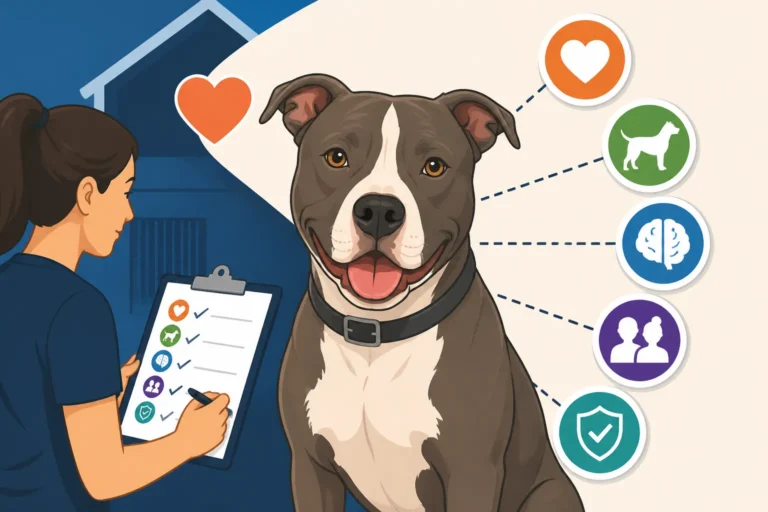
Instead of clinging to historical myths, our focus as Pit Bull owners and enthusiasts must be on responsible ownership, informed by a realistic understanding of their ancestry and inherent traits. This means recognizing their strength, their drive, and their potential for dog selectivity, not as flaws, but as characteristics that require careful management, consistent training, and thorough socialization.
Responsible ownership involves:
- Training: Investing time in consistent, positive reinforcement training from puppyhood.
- Socialization: Carefully exposing them to various people, places, and appropriate other dogs in a controlled manner.
- Exercise: Providing adequate physical and mental stimulation to channel their energy and drive positively. Chewy offers a plethora of interactive toys and training tools to help with this.
- Management: Using leashes, crates, and secure fencing to prevent incidents and ensure safety.
- Education: Advocating for the breed by being a knowledgeable, responsible owner who can dispel myths with facts.
By understanding their bull and terrier ancestors, we can better appreciate the strengths and challenges of Pit Bulls today. It empowers us to be the best possible guardians for these magnificent animals, ensuring they live happy, healthy lives and continue to win hearts, one loving home at a time. What a Beginner Needs Before a Pit Bull offers practical advice for new owners.
Here's a quick comparison of the ancestral traits:
| Trait | Bulldog Influence | Terrier Influence | Result in Pit Bull Type |
|---|---|---|---|
| Physicality | Broad chest, powerful jaws, stocky build | Agile, lean, quick movement | Muscular, athletic, durable |
| Temperament | Tenacity, courage, high pain tolerance | Game-ness, intelligence, drive | Loyal, determined, strong-willed |
| Purpose | Bull/bear baiting | Vermin hunting, earthdog work | Versatile working dog, companion |
| Energy Level | Steady, powerful bursts | High, persistent | High stamina, eager for activity |
| Focus | Unyielding grip | Problem-solving, pursuit | Intense focus, strong prey drive |
Disclaimer
This article is for general informational purposes only and does not constitute professional advice. Laws, prices and regulations vary by location and change over time. Consult a qualified professional for guidance on your specific situation.