Judging a Pit Bull’s Last Year Honestly
Senior Pit Bull quality assessment helps owners recognize physical decline, behavioral shifts, and arthritis during the final year.

Senior Pit Bull quality assessment helps owners recognize physical decline, behavioral shifts, and arthritis during the final year.
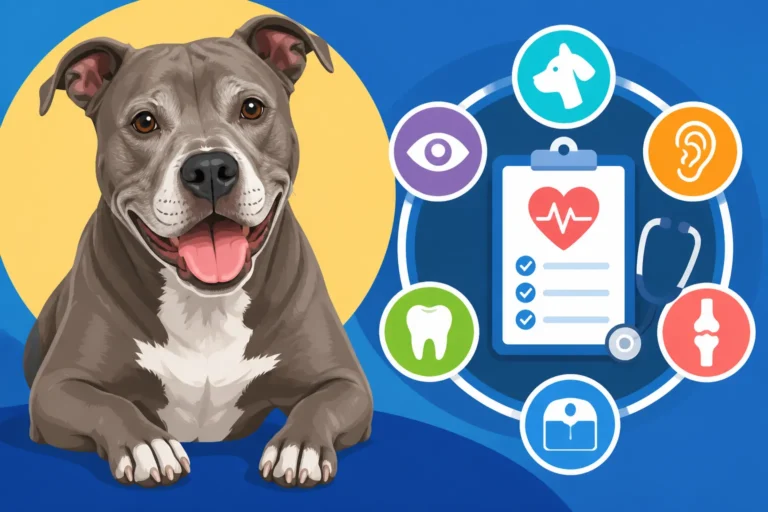
Ten-year-old Pit Bull health checks and veterinary visit frequency explain early detection for senior dog age-related diseases.
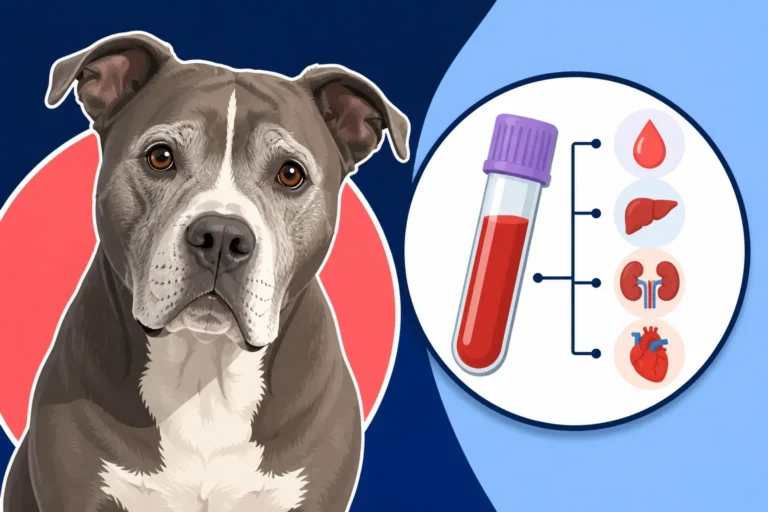
Senior Pit Bull bloodwork reveals early signs of kidney disease, thyroid failure, and other age-related health issues through cell counts.
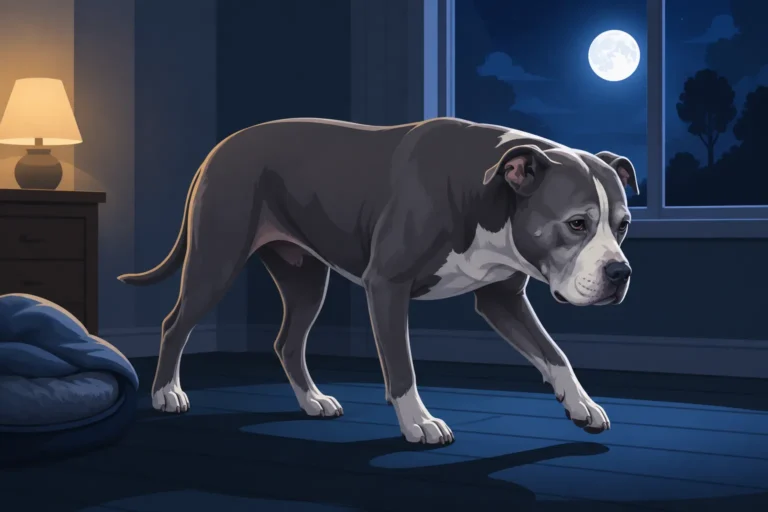
Senior Pit Bull nighttime pacing stems from cognitive decline, chronic pain, or anxiety, requiring veterinary care for relief.

Age-related sight and hearing loss in Pit Bulls explained with practical strategies for managing sensory decline safely.
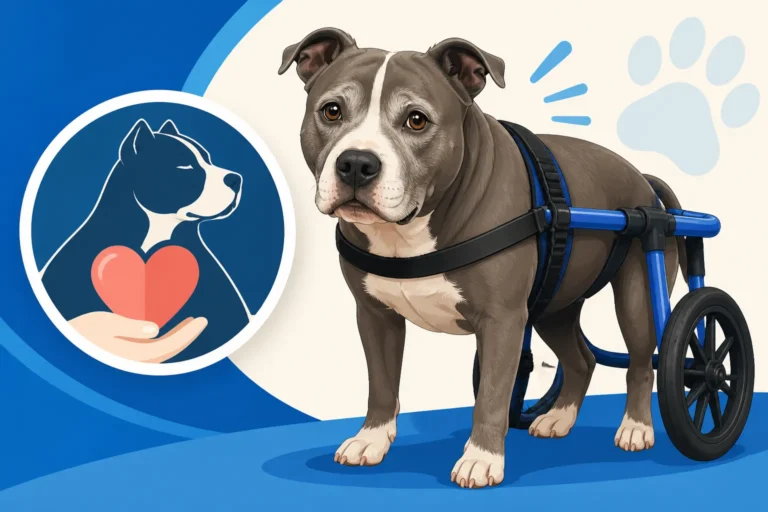
Senior Pit Bull mobility aids, such as support harnesses and slings, help aging dogs manage arthritis pain and joint stiffness.
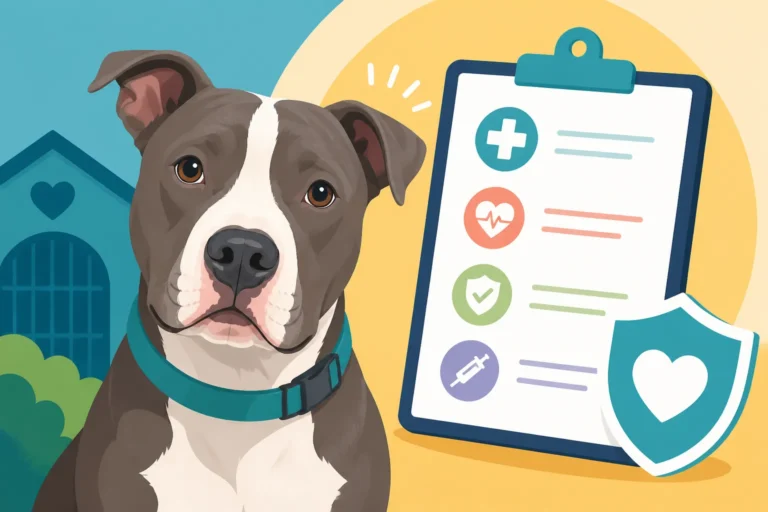
Shelter pit bull health records usually include core vaccinations, deworming treatments, spay certificates, and microchip details.

Pit Bull hip and thyroid screening results explained, detailing OFA grades and PennHIP joint laxity testing methods.

Dog DNA test labs analyze genetic markers to calculate breed probabilities, but they cannot settle pit bull identification questions.
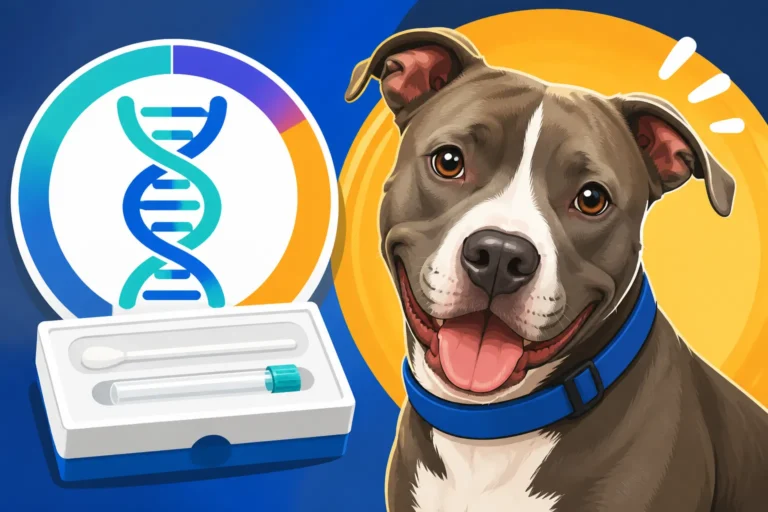
Rescue Pit Bull DNA tests reveal true genetic heritage, health predispositions, and specific breed mixes for better care.