Health Records a Shelter Pit Bull Comes With
Bringing a new Pit Bull home from a shelter is such an exciting, heartwarming experience. You’ve opened your heart and home to a deserving dog, ready for a fresh start. But let's be real, that initial joy can quickly be mixed with a healthy dose of anxiety, especially when you start wondering about their past health. Many new owners stress over the unknown: What medical history does this sweet face truly have? What health records should I expect from the shelter? This guide is here to cut through that uncertainty, helping you understand what health documentation a shelter Pit Bull usually comes with, what you might need to dig for, and how to proactively ensure your new companion thrives.
The Realities of Shelter Health Records: Managing Expectations
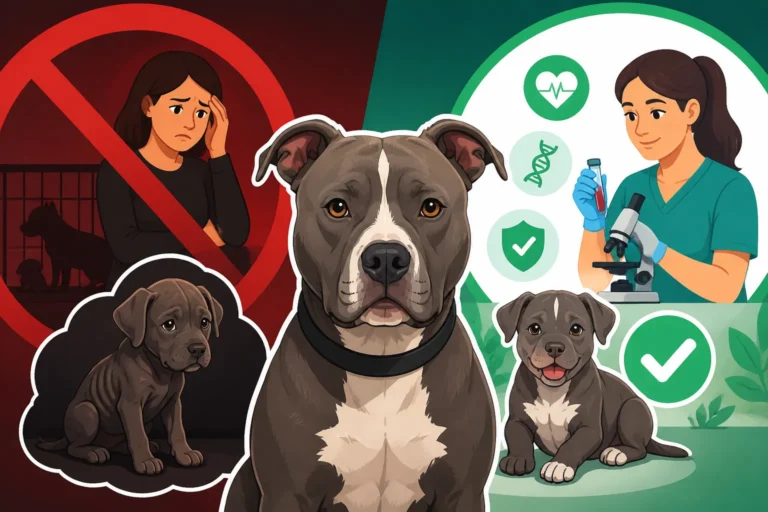
When you adopt a Pit Bull, or any dog for that matter, from a shelter, it’s rarely like receiving a meticulously organized binder of veterinary records dating back to puppyhood. This isn't usually due to negligence on the shelter's part, but rather the very nature of rescue. Most shelter dogs come from unknown circumstances, making a complete health history a rarity.
What Shelters Usually Provide
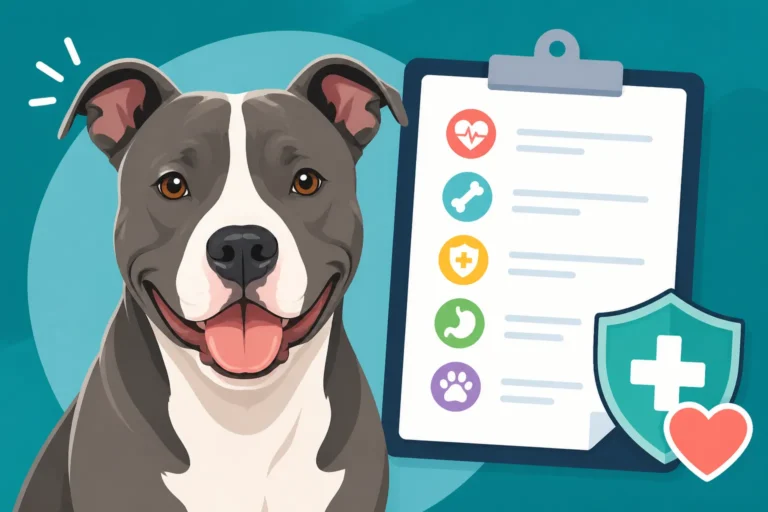
Most reputable shelters do an incredible job with the resources they have, ensuring every dog receives a basic level of care before adoption. This means you can generally expect a few key pieces of information upon taking your Pit Bull home:
- Proof of Core Vaccinations: You'll almost certainly get a record indicating when your Pit Bull received their core vaccinations, such as distemper, adenovirus, parvovirus, and parainfluenza (often combined as DHPP or DAPP). Rabies vaccination is usually a given, especially if it's legally required for adoption in your area. These records will list the date administered and when the next boosters are due. If you're adopting a young pup, understanding their Pit Bull Puppy Vaccination and Parvovirus schedule is crucial for preventing serious illnesses.
- Deworming and Parasite Treatment: Shelters routinely deworm all incoming animals and provide initial treatment for fleas, ticks, and other external parasites. You should receive a record of these treatments, including the product used and the date. This helps you continue their Year-Round Parasite Cover for a Pit Bull without interruption.
- Spay/Neuter Certificate: Almost all adopted shelter animals are spayed or neutered prior to going home. You'll receive documentation confirming the procedure date, performed by a licensed veterinarian.
- Microchip Details: Your Pit Bull will likely be microchipped, and you'll be given the microchip number and instructions on how to register it in your name. This is a vital step for their safety.
- Basic Health Check Notes: There might be a general health assessment form indicating if the dog had any obvious medical issues while at the shelter, such as kennel cough, ear infections, or minor skin irritations, and how these were treated.
This foundational information is critical, but it's important to understand that it usually represents the start of their recorded history, not a comprehensive overview of their entire life.
The Gaps in Information and Why They Exist
It’s tough, right? You want to know everything about your new furry family member, especially their past health, but often the paper trail is frustratingly short. There are very good reasons for these gaps:
- Stray Animals: A significant portion of shelter dogs are strays, meaning their history is entirely unknown. Shelters have no way of knowing their age, previous medical conditions, or even if they've ever seen a vet before.
- Owner Surrenders with Limited Information: While some owners provide detailed records when surrendering a pet, many do not. They might provide a vaccine tag or a rough estimate of age, but often lack official vet paperwork. Life circumstances can be complicated, and health records are not always the priority during a stressful surrender.
- Transfers from Other Facilities: Some shelters receive dogs from other overstretched facilities or natural disaster areas. While transfer paperwork might exist, it often focuses on immediate needs and basic identification, not a lifelong medical log.
- Focus on Immediate Health: Shelters prioritize getting animals healthy enough for adoption. Their resources are typically stretched, meaning they focus on addressing acute issues and preventative care, rather than comprehensive diagnostics for every potential long-term condition for which there is no immediate symptom.
These gaps are a normal part of the rescue journey, and it's something every shelter adopter faces. It doesn't mean your Pit Bull is inherently unhealthy, but it does mean you'll need to be proactive in building their future health narrative.
Key Health Information You Should Aim to Get
Even with the inherent limitations of shelter records, there are specific pieces of information that are especially helpful. Knowing what to ask for, and what to focus on with your own vet, can make a huge difference in establishing a healthy foundation for your new Pit Bull.
Immediate Medical Treatments Provided by the Shelter
Beyond the standard vaccinations and spay/neuter, pay close attention to any other medical interventions the shelter performed. This could be crucial for understanding ongoing needs or potential underlying issues.
- Acute Issue Treatments: Did your Pit Bull have kennel cough, an upper respiratory infection, or an ear infection while at the shelter? What medications were prescribed, and for how long? Knowing these details can help your vet understand if certain conditions are recurring or if a full course of treatment was completed. For example, if your Pit Bull had a patch of hair loss or skin irritation, was it definitively diagnosed as Demodex Mange in a Pit Bull Puppy or treated symptomatically?
- Dental Care: While full dental cleanings are rare in shelters due to cost and recovery time, some might note significant dental issues or extractions if they were necessary for the dog's comfort or health. Any notes on existing dental disease can guide your preventative care to avoid serious Pit Bull Dental Disease and Hard Chewing down the line.
- Wound Care: If your Pit Bull arrived with injuries, ask about the nature of the wound, the treatment given, and the healing process. This can inform you about potential scarring or sensitive areas.
This information, while sometimes brief, gives you a snapshot of any immediate health challenges your dog faced just prior to adoption.
Available Diagnostic Test Results
Some shelters, especially larger ones or those with more funding, may perform basic diagnostic tests beyond a visual exam. These results are incredibly valuable.
- Heartworm Test Results: This is a non-negotiable. Always ensure your Pit Bull has been tested for heartworm disease. If they tested positive, the shelter should provide documentation of the treatment plan, or at least disclose it fully. If negative, you'll know you can continue with prevention immediately.
- Fecal Exam Results: These tests check for intestinal parasites. Knowing if your dog had hookworms, roundworms, or giardia can help you understand if follow-up deworming is needed, especially if the initial treatments didn't completely clear the parasites.
- Preliminary Blood Work: For older dogs, or those showing signs of illness, a shelter might run a basic blood panel. This could reveal important information about kidney or liver function, or indicate conditions like Hypothyroidism and a Thinning Pit Bull Coat. If any The Bloodwork an Old Pit Bull Should Have was performed, get a copy!
Even limited diagnostic results provide a more concrete starting point for your vet than simply an assumption.
Behavior Assessments and Observations (Related to Health)
While not strictly medical, a shelter's behavioral notes can sometimes offer clues about physical health or discomfort. For instance, a dog noted as "reluctant to jump" or "sensitive to being touched on the back" might be hinting at an underlying orthopedic issue. Similarly, a dog described as "lethargic" could have been battling an illness that required treatment.
It’s always worth asking about the dog's observed behavior in the shelter environment, especially concerning:
- Mobility: Did they move freely? Any limping or stiffness?
- Pain Signals: Did they react negatively to being handled in certain areas?
- Appetite and Thirst: Were there any unusual eating or drinking habits?
- Energy Levels: Were they consistently active, or more subdued?
This qualitative data, combined with any medical records, paints a more complete picture of your Pit Bull's overall well-being.
Proactive Steps for Your New Pit Bull's Health
Even if your new Pit Bull comes with a minimal health history, you are now their advocate. The most important step you can take is to establish a strong relationship with a veterinarian who understands the breed and its unique needs.
Scheduling Your First Vet Visit
This is perhaps the most crucial "first step" you'll take with your newly adopted Pit Bull. Schedule a comprehensive vet check-up within the first few days to a week of bringing them home. Don't wait!
- Choose the Right Vet: Find a vet who is not only knowledgeable but also comfortable and experienced with Pit Bulls. They'll understand the breed’s powerful build, common health predispositions like Pit Bull Skin Allergies and the Atopy Pattern, and specific training or behavioral considerations. Checking out a guide on Finding a Vet Comfortable With Pit Bulls can be invaluable.
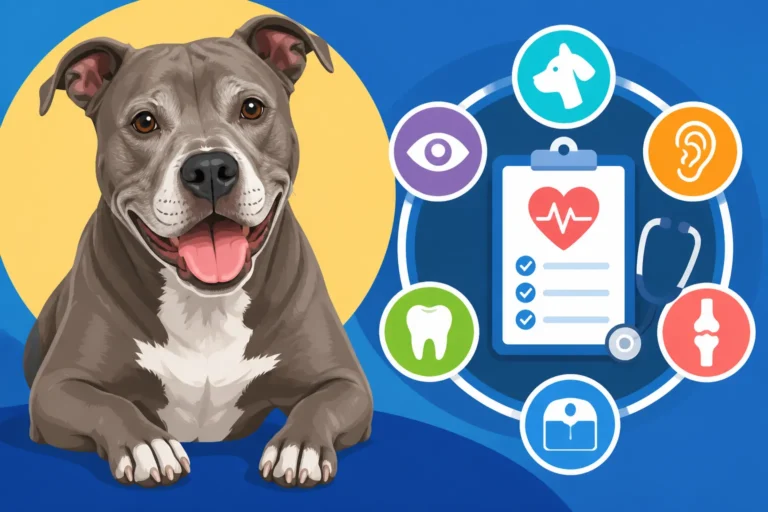
- The Initial Exam: Your vet will perform a thorough physical examination, going over everything from nose to tail. They’ll check their teeth, ears, eyes, coat, skin, listen to their heart and lungs, and palpate their abdomen and joints. This provides a crucial baseline.
- Discuss Shelter Records: Bring all the documentation you received from the shelter. Your vet will review these records, confirm vaccine status, and suggest any additional diagnostics or preventative care based on their initial exam and your Pit Bull's estimated age. This might include further deworming, a different flea/tick preventative, or booster shots if the timing is right.
Discussing Potential Breed-Specific Concerns
Even without a detailed personal history, your vet can discuss common health concerns seen in Pit Bulls. This empowers you to be vigilant and proactive.
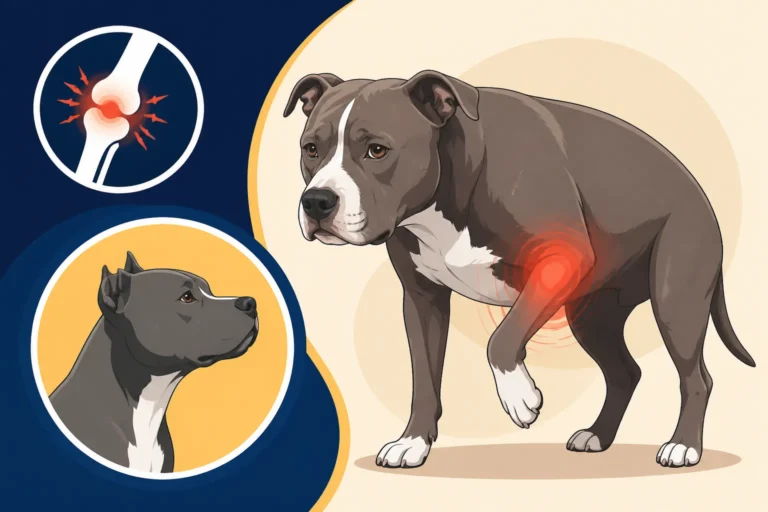
- Orthopedic Issues: Pit Bulls are prone to certain joint problems, such as Pit Bull Hip Dysplasia Showing at One to Two Years and cruciate ligament tears. Your vet can show you what signs to watch for and discuss preventative measures like proper exercise and joint supplements.
- Allergies and Skin Conditions: Many Pit Bulls struggle with environmental or food allergies, leading to skin irritation, itching, and ear infections. Your vet can outline initial steps for managing these, such as special diets or topical treatments, even before formal allergy testing.
- Cardiac Health: Some Pit Bulls can be predisposed to certain heart conditions, like aortic stenosis. Your vet will listen carefully to their heart during the exam, and if any murmurs are detected, they might recommend further investigation into Heart Disease in a Pit Bull.
- Weight Management: Given their muscular build, it can be tricky to tell if a Pit Bull is at an ideal weight or if they are carrying too much fat. Pit Bull Obesity and Joint Strain is a real concern, and your vet can help you assess their body condition score and recommend a feeding plan to keep them lean and healthy.
Knowing what common breed-specific issues to look out for allows you to catch problems early, which often leads to more effective and less costly treatment.
Considering Pet Insurance from the Start
This is where a little foresight can save a lot of heartache (and money) down the road. With an unknown health history, pet insurance becomes an even more valuable tool. Companies like Healthy Paws offer comprehensive plans that can cover accidents, illnesses, emergencies, and even some genetic conditions, providing a financial safety net.
- Why Early Enrollment Matters: The golden rule of pet insurance is to enroll before any health issues arise. Most policies have a waiting period, and conditions diagnosed before or during that period are often considered "pre-existing" and excluded from coverage. Getting your Pit Bull insured soon after adoption can help ensure future, unexpected issues are covered.
- Peace of Mind: Knowing you have pet insurance means you can make medical decisions based on what’s best for your Pit Bull, rather than solely on your budget. This is particularly comforting when you don't have a complete health history and might face unforeseen medical expenses. Thinking about What to Set Aside for a Pit Bull Each Year definitely makes you consider insurance.
- Understanding Exclusions: Be sure to read the policy details carefully. While many insurers, including Healthy Paws, have become more accommodating, some might have breed-specific exclusions or limitations that you need to be aware of. Learn more about Pit Bull Pet Insurance and Breed Exclusions to make an informed choice. Pet insurance can be a game-changer for managing long-term care, especially when you're starting with a blank slate regarding their past.
Building a Comprehensive Health History
From the moment your Pit Bull enters your home, you begin creating their health story. This is your chance to build that meticulous record you wished you'd received.
- Health Journal: Start a simple notebook or a digital document dedicated to your Pit Bull's health. Record every vet visit, medication administered (date, dosage, reason), any changes in diet, new supplements, behavioral shifts, or unusual symptoms. Note when they started and stopped. This detailed journal will become their What a Pit Bull Health History Should Cover.
- Keep All Records: File away all veterinary invoices, lab results, and medication labels. Ask your vet's office for copies of all visit summaries. This collection of documents, along with your journal, will be invaluable to any future vet, or even to potential boarding facilities or pet sitters.
- Monitor and Observe: Pay close attention to your Pit Bull daily. Are they eating normally? Drinking enough water? Are their bowel movements regular? Is their energy level consistent? Noticing subtle changes can alert you to potential issues early on. For example, if you notice an increase in paw licking or scratching, it could be an early sign of allergies.
By consistently documenting their health journey, you turn the "unknown past" into a well-documented present and future.
Navigating Future Health Challenges Without a Past
It’s completely normal to feel a bit overwhelmed or anxious about potential health problems when you don't know your Pit Bull's history. But remember, you’re doing everything right by being proactive and engaged.
Addressing Unforeseen Issues
No matter how thorough you are, health issues can arise unexpectedly in any dog, regardless of their known history. The key is how you respond.
- Work Closely with Your Vet: If your Pit Bull develops a new symptom or illness, your vet is your most important partner. Be open about the lack of historical information. They will rely on their examination, current diagnostic tests (blood work, imaging, etc.), and your observations to formulate a diagnosis and treatment plan. This might mean more diagnostic tests upfront to rule things out, but it's part of the process when the past is a mystery.
- Trust Your Instincts: You know your dog best. If something feels "off," don't hesitate to contact your vet. Early intervention can make a huge difference, especially with Emergency Signs That Cannot Wait in a Pit Bull like sudden lethargy or vomiting.
- Financial Preparedness: This is where pet insurance, like a plan from Healthy Paws, can really shine, helping you manage the costs of unexpected illnesses or injuries. Even without insurance, having an emergency fund for your pet is a smart move.
The Value of DNA Testing
While a DNA test won't give you a detailed health history of your individual dog, it can provide valuable insights into their breed makeup and potential genetic predispositions.
- Breed Identification: Many shelter Pit Bulls are actually mixes of American Pit Bull Terriers, American Staffordshire Terriers, and other bully breeds. A DNA test, such as The DNA Panel Worth Running on a Rescue Pit Bull, can reveal their precise ancestry. Knowing the predominant breeds in their genetic makeup can inform you and your vet about common health issues associated with those breeds.
- Genetic Health Predispositions: Beyond breed identification, many DNA tests screen for genetic markers linked to specific health conditions. For example, some Pit Bull types might carry genes for certain neurological conditions or heart issues. While a positive marker doesn't guarantee your dog will develop the condition, it allows you and your vet to be more vigilant for symptoms and potentially implement preventative strategies.
This can be a fascinating and informative step in understanding your Pit Bull's unique genetic blueprint.
Preparing for Senior Years
As your adopted Pit Bull transitions from adulthood into their senior years, their unknown early history often becomes less significant. The focus shifts entirely to managing age-related health challenges, which are common to almost all dogs.
- Regular Senior Check-ups: Your vet will likely recommend more frequent check-ups, perhaps every six months, to catch age-related issues early. These visits typically include comprehensive blood work and urinalysis to monitor organ function. Understanding How Often a Ten Year Bull Needs Checking is vital.
- Managing Chronic Conditions: Older Pit Bulls, like other large breed dogs, may develop arthritis, cognitive dysfunction, or other chronic conditions. These will be managed with medication, diet changes, and supportive care, regardless of whether they had these issues as a puppy.
- Adjusting Care: As they age, their diet, exercise routine, and home environment may need adjustments to keep them comfortable and mobile.
Ultimately, your dedication to providing ongoing preventative and responsive care will define your Pit Bull's health journey, far more than any gaps in their early records. You are writing their future, and that’s a beautiful thing.
| Category of Record | What Shelters Typically Provide | What You Ideally Want (and May Need to Create) |
|---|---|---|
| Vaccinations | Rabies, DHPP (Distemper, Parvo, etc.) dates. | Exact vaccine manufacturer, batch numbers, next due dates, previous vaccine history. |
| Parasite Control | Deworming dates, flea/tick treatment dates. | Specific products used, Heartworm test results, regular fecal exam results, history of any severe infestations. |
| Spay/Neuter | Certificate of procedure, date. | Record of any complications, exact age at procedure, prior heat cycles if female. |
| Microchip | Number, registration details. | Confirmation of registration transfer, previous owner information (if available). |
| General Health Notes | Any immediate issues treated (e.g., kennel cough, ear infection), medications given. | Detailed vet notes from prior owners (rare), full diagnostic panel results, history of injuries/illnesses. |
| Behavioral Notes | General observations in shelter environment. | Specific behavioral triggers, anxiety levels, interactions with other dogs/people, reactions to vet handling. |
| Dietary History | Often "unknown" or general kibble type. | Specific food brands, allergies to certain ingredients, history of digestive upset. |
Disclaimer
The information provided in this article is for educational purposes only and is not a substitute for professional veterinary advice. Always consult with a qualified veterinarian for any health concerns or before making any decisions related to your Pit Bull's medical care.