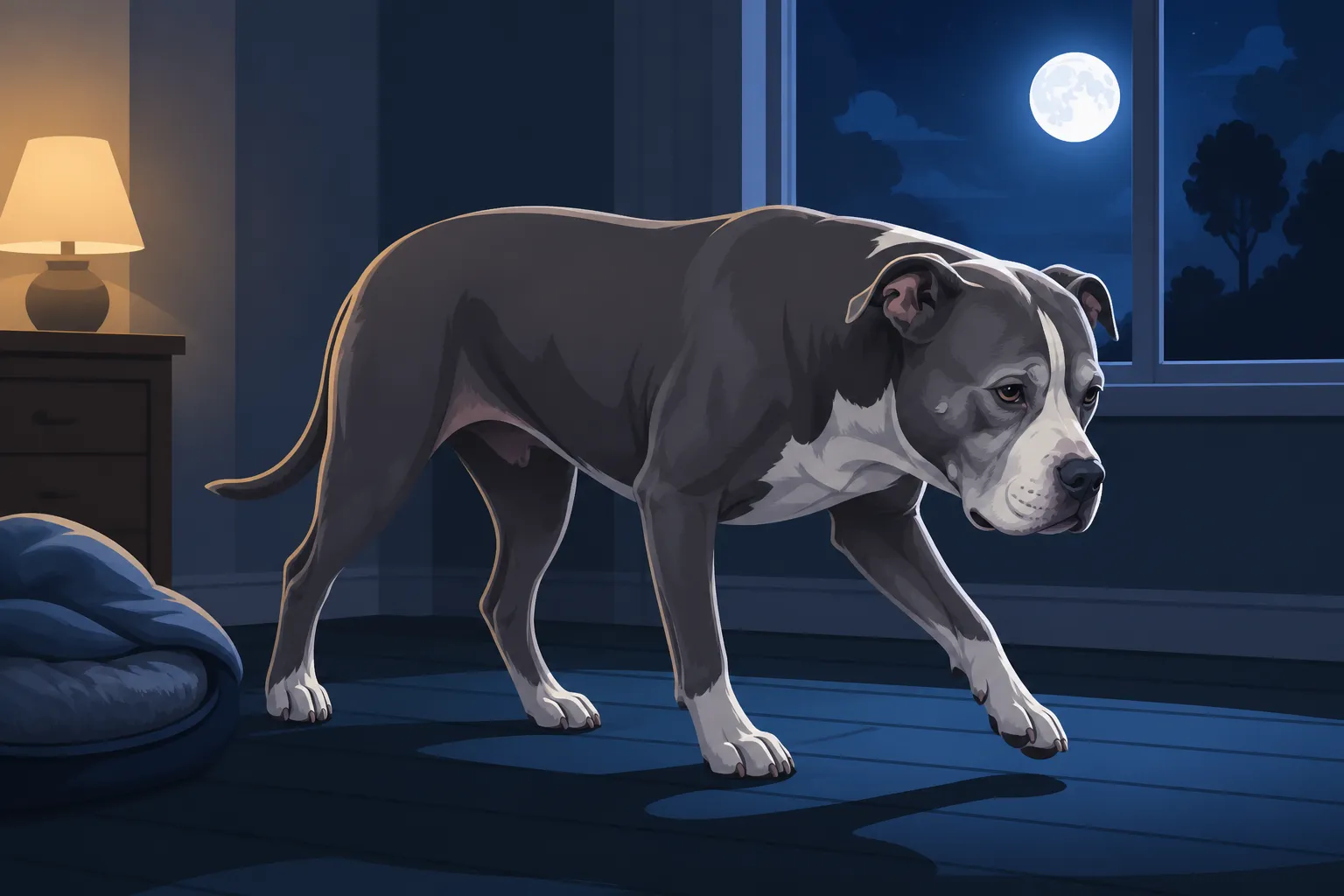
A Pit Bull Pacing at Night in Old Age
It's truly heartbreaking to watch your beloved senior Pit Bull wander aimlessly, pace through the house, or seem restless all night long when all you want is for them to be comfortable and at peace in their golden years. This guide is here to shed light on why your older Pit Bull might be pacing at night, help you understand the common underlying causes, and provide practical steps you can take with your vet to bring them some much-needed comfort and improve their quality of sleep.
Understanding Why Senior Pit Bulls Pace at Night
When your older Pit Bull starts pacing at night, it’s rarely just a quirk of old age; it’s almost always a sign that something is causing them discomfort or confusion. Just like us, as dogs get older, their bodies and minds change, and these changes can manifest in disruptive behaviors, especially during the quiet hours of the night. It's a distress signal, and understanding the potential causes is the first step toward finding a solution.
Age-Related Cognitive Decline
One of the most common reasons a senior dog, including a Pit Bull, might start pacing and showing restlessness at night is Canine Cognitive Dysfunction Syndrome (CCDS), often likened to Alzheimer's in humans. It's a neurological condition that affects memory, learning, and comprehension. Your dog might seem confused, disoriented, or simply "lost" even in familiar surroundings. This confusion can lead to anxiety, especially as natural light fades and the house becomes darker and quieter, removing familiar visual cues. They might forget where their bed is, or feel an inexplicable urge to wander. You might notice other signs during the day too, such as staring blankly at walls, having accidents inside, or a change in their interaction with family members. For more on this, you might find our guide on A Pit Bull Confused in Rooms It Knows helpful.
Chronic Pain and Discomfort
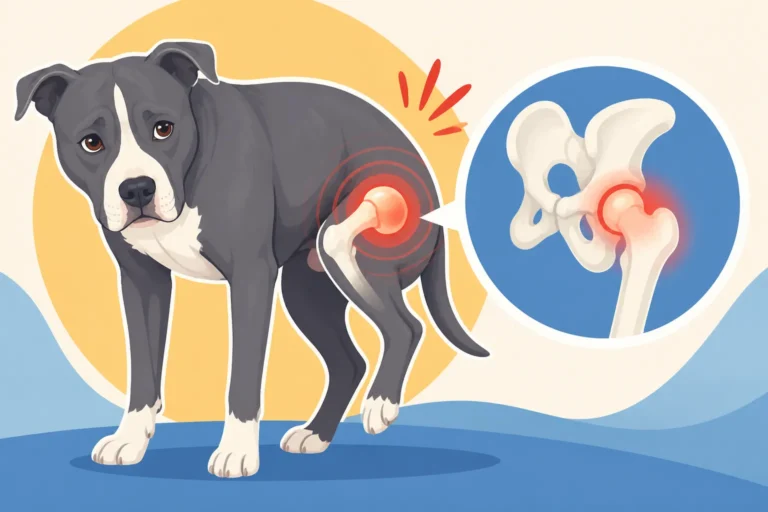
Imagine trying to get comfortable in bed when every joint aches, or a persistent dull pain throbs somewhere in your body. This is a reality for many older Pit Bulls. Arthritis is incredibly common in senior dogs, especially in a muscular, athletic breed like a Pit Bull, whose joints have taken a lot of impact over the years. Conditions like Pit Bull Hip Dysplasia Showing at One to Two Years can worsen significantly with age, leading to significant chronic pain. This pain can make it difficult for them to lie down comfortably, find a good resting position, or stay asleep once they do. They might pace because they’re trying to “walk off” the discomfort, or they might be looking for a spot that offers some relief, constantly shifting and unable to settle. Other sources of pain, like dental disease, could also be at play. Pit Bull Dental Disease and Hard Chewing can become severe and cause significant discomfort that impacts sleep.
Anxiety and Stress Triggers
Just like people, dogs can develop anxiety, and this can become more pronounced as they age. Changes in routine, new sounds, or even the subtle shifts in their environment that you might not even notice can trigger anxiety in a senior Pit Bull. If their vision or hearing is starting to fade, as discussed in An Old Pit Bull Losing Sight and Hearing, they might feel more vulnerable and anxious, especially in the dark. This heightened state of alert or worry can lead to pacing, whining, or seeking constant reassurance from you. Sometimes, a lack of mental or physical stimulation during the day can also contribute to nighttime restlessness, as they haven't expended enough energy.
Investigating the Root Cause with Your Veterinarian
When your senior Pit Bull starts pacing at night, your immediate next step should always be a visit to your veterinarian. This isn't just about getting a diagnosis; it's about giving your dog the best chance at comfort and a better quality of life. Don't assume it's "just old age" and resign yourself to sleepless nights; many age-related issues are manageable with proper veterinary care.
Comprehensive Veterinary Examination
Your vet will start with a thorough physical examination, assessing your Pit Bull's overall health, mobility, and any obvious signs of pain or discomfort. They'll likely pay close attention to their joints, spine, and general demeanor. This initial check-up is crucial for ruling out acute issues that could be causing sudden restlessness. Be prepared to discuss your dog's complete medical history, changes in behavior (both day and night), appetite, thirst, and bathroom habits. The more information you can provide, the better picture your vet will have to work with. This is also a good opportunity for The Bloodwork an Old Pit Bull Should Have to be run, looking for underlying systemic issues that might not be immediately obvious.
Diagnostic Testing and Imaging
To pinpoint the exact cause of your Pit Bull's nighttime pacing, your vet may recommend a series of diagnostic tests. These could include blood work to check organ function (kidneys, liver, thyroid), urine analysis, and potentially X-rays to assess joint health for arthritis or other orthopedic issues. If cognitive decline is suspected, they might perform neurological assessments or even suggest a referral to a veterinary neurologist. Imaging like MRI or CT scans might be considered in more complex cases to look for brain tumors or other neurological conditions, though these are typically pursued after initial investigations. It's during these times of comprehensive diagnostics that many owners realize the value of pet insurance. Having a plan from a provider like Healthy Paws can significantly ease the financial burden of these essential tests, allowing you to focus on your Pit Bull's well-being without added stress about the cost.
| Potential Cause | Common Symptoms | Diagnostic Approach | Example Treatments/Management |
|---|---|---|---|
| Canine Cognitive Dysfunction (CCDS) | Pacing, disorientation, staring, house-soiling, altered sleep-wake cycles, decreased interaction, anxiety, loss of learned behaviors. More noticeable at night or in unfamiliar situations. | Clinical signs, ruling out other conditions, neurological assessment. | Selegiline (Anipryl), prescription diets (e.g., Purina Pro Plan Veterinary Diets NeuroCare), antioxidants, Omega-3 fatty acids, enriched environment, consistent routine. |
| Arthritis/Chronic Pain | Reluctance to move, stiffness, limping, difficulty standing up, sensitivity to touch, restlessness, struggling to find a comfortable position, favoring limbs. Pain may worsen with changes in weather. | Physical exam, palpation of joints, X-rays, possibly joint fluid analysis. | NSAIDs (e.g., Carprofen, Galliprant), joint supplements (Joint Support for a Heavily Muscled Pit Bull), physical therapy, acupuncture, weight management, comfortable bedding, ramp/stair assistance. |
| Anxiety | Pacing, whining, panting, trembling, destructive behavior, seeking attention, drooling, vocalizing. Can be triggered by separation, loud noises, or environmental changes. May exacerbate other conditions. | Behavioral history, observation, ruling out medical causes. | Anti-anxiety medication (e.g., Trazodone, Fluoxetine), pheromones (Adaptil), thunder shirts, desensitization/counter-conditioning, consistent routine, secure den space. |
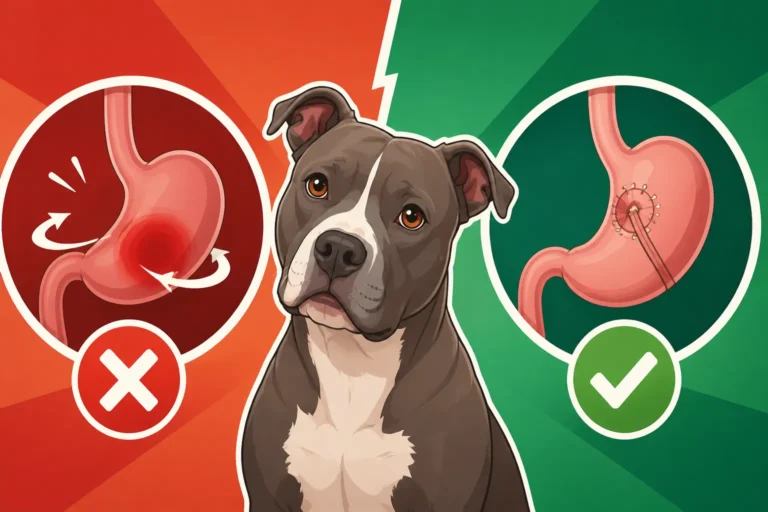
| Other Medical Conditions | Thyroid Issues: Weight changes, coat issues, lethargy, skin problems. Kidney/Liver Disease: Increased thirst/urination, lethargy, vomiting. Heart Disease: Coughing, fatigue, decreased exercise tolerance. Bloat: Distended abdomen, retching (less likely to be chronic pacing cause). | Blood tests, urine tests, ultrasound, ECG. | Specific treatment for the underlying condition (e.g., thyroid medication, diet changes, heart medications). Emergency surgery for conditions like Why a Pit Bull Chest Raises Bloat Risk if confirmed. |
| Vision/Hearing Loss | Bumping into objects, startled easily, difficulty locating toys/food, reduced responsiveness to commands, anxiety in new environments. | Ophthalmic exam, otoscopic exam, behavioral observation. | Clear pathways, consistent furniture placement, audible cues, increased supervision, good lighting. |
Discussing Treatment Options
Once a diagnosis is made, your vet will work with you to develop a treatment plan tailored to your Pit Bull's specific needs. For CCDS, this might involve medications to slow cognitive decline, dietary supplements rich in antioxidants, or specific prescription diets designed to support brain health. For arthritis or pain, non-steroidal anti-inflammatory drugs (NSAIDs), joint supplements, physical therapy, or even alternative therapies like acupuncture can offer significant relief. Anti-anxiety medications or behavioral modification techniques might be recommended if anxiety is a primary factor. Understanding all your options can feel overwhelming, but a robust pet insurance policy from a company like Healthy Paws can provide peace of mind, knowing that a substantial portion of these ongoing treatments could be covered.
Strategies for Comfort and Management
Even with a formal diagnosis and treatment plan, there are many things you can do at home to help manage your senior Pit Bull's nighttime pacing and make them more comfortable. These strategies focus on creating a supportive environment and consistent routine that minimizes stress and maximizes their chances of restful sleep.
Optimizing Their Sleep Environment
Think about what makes a bedroom comfortable for you and apply it to your dog. For a senior Pit Bull, a truly comfortable bed is paramount, especially if they are suffering from Arthritis in a Pit Bull at Seven. Orthopedic beds provide excellent joint support and can significantly reduce pressure points, making it easier for them to lie down and stay comfortable throughout the night. Consider placing their bed in a quiet, draft-free area where they feel secure. If they're experiencing vision or hearing loss, keeping their sleeping area consistent and easily accessible is crucial. A nightlight can help with disorientation for dogs with poor vision, allowing them to navigate familiar rooms without bumping into things. For some Pit Bulls, a crate that they see as a safe den can be incredibly soothing, provided they are crate-trained and view it positively.
Establishing a Consistent Routine
Dogs thrive on routine, and senior dogs, especially those with cognitive decline or anxiety, depend on it even more. Try to establish a consistent schedule for feeding, potty breaks, walks, and bedtime. An evening walk earlier in the evening can help them expend some energy and have a final potty break, reducing the urge to pace due to a full bladder or pent-up energy. Avoid stimulating activities close to bedtime. Wind-down rituals, like a gentle massage or quiet cuddle time, can signal that it's time to relax. A predictable routine provides a sense of security and can reduce anxiety, which often contributes to nighttime restlessness. When you're actively Caring for a Pit Bull in Its Second Decade, consistency becomes your best friend.
Dietary Adjustments and Supplements
Your vet might recommend specific dietary changes or supplements to support your senior Pit Bull's health and reduce pacing. For dogs with CCDS, diets enriched with medium-chain triglycerides (MCTs), antioxidants, and Omega-3 fatty acids can support brain function. Brands like Purina Pro Plan Veterinary Diets NeuroCare are formulated specifically for cognitive support. For Joint Support for a Heavily Muscled Pit Bull, supplements like glucosamine, chondroitin, and MSM can help maintain cartilage health and reduce inflammation. Always discuss any dietary changes or new supplements with your vet to ensure they are appropriate and won't interact negatively with existing medications.
Caring for a Pacing Senior Pit Bull Long-Term
Living with a senior Pit Bull who paces at night can be exhausting for both of you, but with ongoing care, patience, and a proactive approach, you can significantly improve their quality of life. Remember, this is a journey, and adjustments will likely be needed along the way.
Regular Veterinary Check-ups
Even after an initial diagnosis and treatment plan, regular veterinary check-ups are paramount. How Often a Ten Year Old Pit Bull Needs Checking will vary, but typically twice a year is recommended for senior dogs. These visits allow your vet to monitor the effectiveness of current treatments, make adjustments as needed, and catch any new health issues early. As your Pit Bull ages, their needs will evolve, and proactive care can prevent minor issues from becoming major problems. Maintaining consistent veterinary care also ensures you're always providing the best possible support, especially if your Healthy Paws pet insurance plan requires regular vet visits to remain active for certain conditions.
Mental and Physical Enrichment
While your senior Pit Bull might not be as active as they once were, mental and appropriate physical stimulation are still incredibly important. Gentle, shorter walks throughout the day can help maintain muscle tone and provide mental stimulation through sniffing new scents. Puzzle toys, KONGs stuffed with treats, and short, positive training sessions can keep their minds engaged. Scent work, even simple "find the treat" games indoors, can be a wonderful way to provide enrichment without putting stress on their joints. The goal is to keep their minds sharp and bodies moving gently, which can contribute to better sleep at night.
Patience and Empathy
Perhaps the most important aspect of long-term care is your boundless patience and empathy. Your Pit Bull isn't pacing at night to annoy you; they are likely distressed, confused, or in pain. It's a challenging time, but understanding that their behavior stems from age-related changes can help you respond with compassion rather than frustration. Providing a calm, reassuring presence, especially when they are restless, can make a world of difference to their emotional well-being. It's tough to witness your once vibrant dog decline, but your unwavering support is the greatest gift you can give them during this tender stage of their life.
Disclaimer
The information provided in this article is for general informational purposes only and is not a substitute for professional veterinary advice. Always consult with a qualified veterinarian regarding any medical concerns or before making any decisions about your pet's health or treatment.