Judging a Pit Bull’s Last Year Honestly
It's incredibly tough to watch our beloved Pit Bulls slow down as they age. Every creak, every slower step, every moment of confusion tugs at our heartstrings, and the hardest part is often figuring out when those signs mean more than just "getting old"—when they point to a significant decline in their quality of life. This guide is here to walk you through how to honestly and compassionately assess your senior Pit Bull's final year, helping you recognize the subtle changes that indicate they might be struggling more than they let on.
Recognizing the Subtle Shifts in an Aging Pit Bull
As our strong, resilient Pit Bulls enter their golden years, the changes can be so gradual that it's easy to dismiss them as just part of aging. But truly understanding their last year means paying close attention to these subtle shifts, both physical and behavioral, which often speak volumes about their internal state. It's not about looking for a sudden dramatic collapse, but rather a pattern of small, accumulating changes that indicate a broader decline in their overall well-being.
Physical Changes That Signal Decline
One of the first places we often notice changes is in their physical capabilities. A Pit Bull's powerful, muscular build can sometimes mask underlying issues, making it even harder to pinpoint when things are really going downhill. For instance, you might notice they’re not jumping into the car with the same enthusiasm, or they might hesitate before tackling a set of stairs. These aren't just minor inconveniences; they can be tell-tale signs of discomfort.
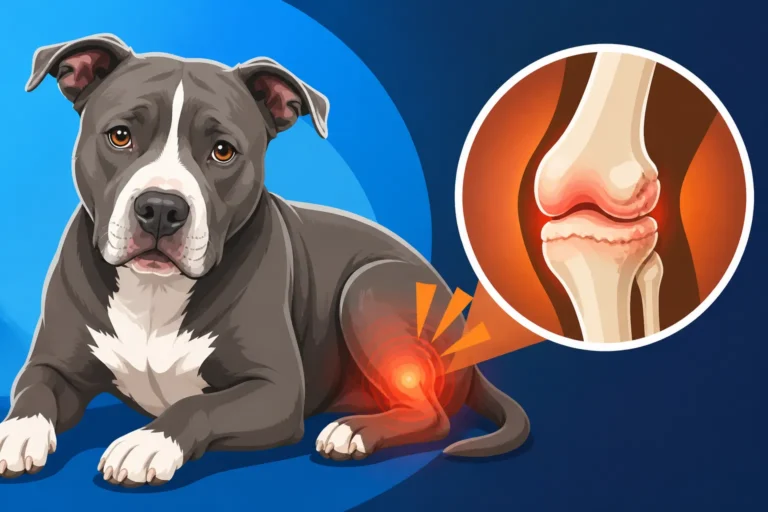
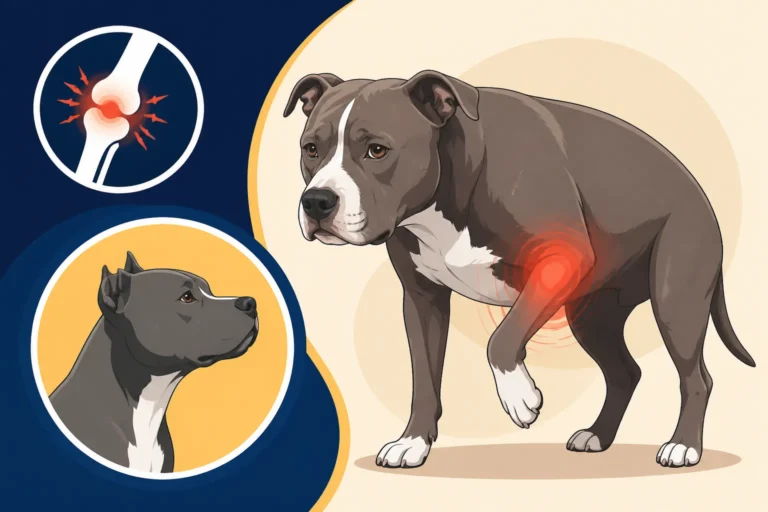
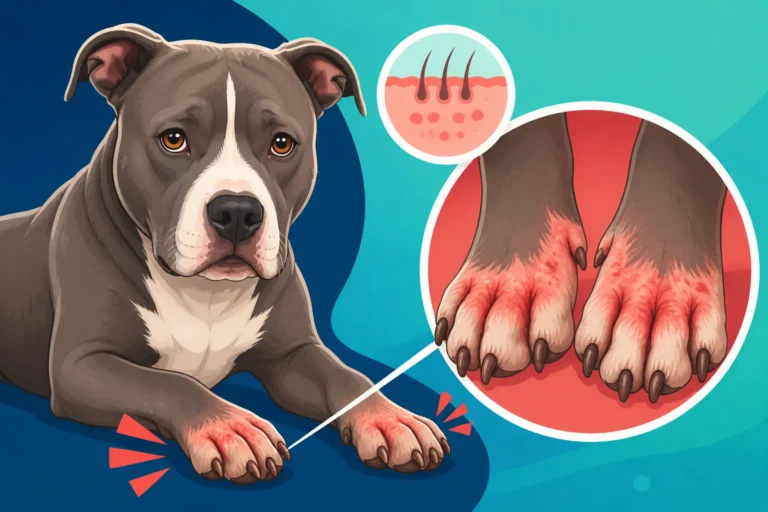
Perhaps you’ve started to see a shift in their gait, a slight stiffness after they’ve been resting, or a subtle lameness that comes and goes. This can often point to conditions like Arthritis in a Pit Bull at Seven, a common issue in larger, active breeds. Their joints simply don't have the same shock absorption they once did, leading to chronic pain that can be difficult for them to express directly. You might also observe changes in their weight. While a Pit Bull's natural athleticism can make them appear robust, a sudden or gradual weight loss could signal underlying health problems, even if their muscle mass initially hides it. Conversely, if they're moving less but eating the same, they could gain weight, which further exacerbates joint issues. Learning to assess Pit Bull Obesity and How to Spot It Under Muscle is crucial to understanding their true physical state. Beyond mobility, look for other physical markers: changes in coat quality, increased shedding, skin irritation that doesn't seem to clear up, or even changes in their breath or dental health, which can indicate pain they've been stoically enduring.
Behavioral Indicators of Reduced Quality of Life
Beyond the physical, behavior is a huge window into a Pit Bull’s mental and emotional state. A Pit Bull, known for its zest for life and unwavering loyalty, might start to show a decline in their usual joyful demeanor. Maybe they’re sleeping a lot more than they used to, or they’re not greeting you at the door with the same frantic tail wags. This isn't just a sign of being a "lazy senior"; it can be an indicator that they simply don't have the energy or comfort to engage as they once did.
You might notice a disinterest in their favorite toys or a reluctance to go for their cherished walks. While a little slowdown is normal, a consistent pattern of withdrawing from activities they once loved is a significant red flag. Social interactions can also change dramatically. A previously friendly Pit Bull might become more irritable with other pets or even family members, simply because they're in pain or feeling vulnerable. They might seek more solitude, preferring to rest alone rather than be in the thick of family activity. Cognitive decline can also manifest as behavioral changes, leading to confusion, disorientation, or increased anxiety. For instance, you might notice A Pit Bull Confused in Rooms It Knows, bumping into furniture, or getting stuck in corners. Some older Pit Bulls might even start A Pit Bull Pacing at Night in Old Age, a sign of discomfort, anxiety, or cognitive dysfunction that disrupts their sleep cycles and overall peace. These behavioral shifts are often the hardest for owners to accept, as they represent a loss of the vibrant personality we’ve cherished for so long.
Assessing Pain and Discomfort Objectively
One of the greatest challenges in caring for an aging Pit Bull is assessing their pain. These dogs are incredibly tough and often hide their discomfort, making it difficult to know just how much they're suffering. It's a testament to their stoic nature, but it places a significant burden on us as owners to read between the lines and advocate for their well-being.
The Challenge of Pit Bull Stoicism
Pit Bulls are renowned for their high pain tolerance and their tendency to push through discomfort. This trait, while admirable, can be incredibly misleading when trying to gauge their quality of life. They might continue to wag their tail or even attempt to play, all while experiencing significant pain. This stoicism means you can't always rely on obvious vocalizations or dramatic limping. Instead, you need to become a detective, looking for more subtle cues.
For example, a Pit Bull with underlying Pit Bull Hip Dysplasia Showing at One to Two Years might simply move slower, or struggle to get up from a lying position, rather than yelp in pain. You might see a slight shift in their posture, a tense back, or a reluctance to stretch. Excessive panting, especially when at rest or in cooler temperatures, can be a sign of pain or stress. They might lick a particular joint or area repeatedly, not necessarily because of an itch, but because of a deep ache. A change in appetite or difficulty chewing could signal Pit Bull Dental Disease and Hard Chewing, a common and often painful issue in older dogs that frequently goes unnoticed. Pay close attention to their eyes; sometimes a subtle squint, a dullness, or even avoidance of eye contact can signal discomfort. The key is to look for deviations from their normal behavior, even minor ones. If your typically bouncy Pit Bull now walks around puddles instead of splashing through them, it could be a sign that their joints are too sore for playful leaps.
Tools and Checklists for Quality of Life Evaluation
Given their stoicism, relying solely on your gut feeling might not be enough. This is where objective tools and consistent monitoring become invaluable. One of the most widely used methods is Dr. Alice Villalobos' HHHHHMM Quality of Life Scale. This scale encourages you to rate your dog’s status in seven key areas on a scale of 0 to 10 (with 10 being excellent). It provides a structured way to think about their well-being:
| Category | Description | Score (0-10) |
|---|---|---|
| Hurt | Is their pain adequately controlled? Can they breathe comfortably? | |
| Hunger | Are they eating enough? Can they eat on their own? | |
| Hydration | Are they drinking and staying hydrated? | |
| Hygiene | Are they clean? Can they avoid lying in their own waste? Are they having bedsores? | |
| Happiness | Do they still enjoy things? Do they show interest in family? Are they depressed, anxious, or bored? | |
| Mobility | Can they get up and move around with minimal assistance? Do they fall? | |
| More Good Days | Are the good days outweighing the bad days? |
Using a tool like this helps you track progress (or decline) over time and provides concrete data to discuss with your veterinarian. It's also incredibly helpful to keep a journal. Jot down notes about their appetite, mobility, any perceived pain, and overall mood each day. This kind of diligent tracking can reveal patterns you might otherwise miss in the blur of day-to-day life. When you notice a string of "bad days" starting to outnumber the "good days," it’s a strong indicator that their quality of life is genuinely suffering.
Don't hesitate to seek a second opinion from another vet if you feel uncertain. Sometimes, a fresh pair of eyes can offer new insights or suggest different palliative approaches. Discussing these changes with your vet is paramount, and it's a conversation that can feel overwhelming, especially when medical bills are adding up. This is where having pet insurance like Healthy Paws can truly alleviate some of the stress. Knowing that you can explore various pain management options, diagnostics, or comfort care without immediate financial strain allows you to focus purely on your Pit Bull's well-being and make decisions based on their needs, not your wallet. They can help cover things from specialized arthritis medication to physical therapy that might provide more comfortable Pit Bull Mobility Aids in Old Age.
Making Difficult Decisions and Supporting Your Pit Bull
As much as we wish our Pit Bulls could live forever, there comes a point where we, as their devoted caregivers, must face the heartbreaking reality that their time is drawing to a close. This period is often filled with immense emotional turmoil, balancing hope with the stark truth of their declining health.
When Medical Intervention Reaches Its Limits
It's natural to want to do everything possible for our furry family members, especially a breed as cherished as the Pit Bull. We invest in medications, special diets, supplements, and even physical therapy, always clinging to the hope that a new treatment will turn the tide. However, there comes a poignant moment when even the most advanced medical interventions no longer genuinely improve your Pit Bull's quality of life. The treatments might become too invasive, causing more stress and discomfort than the underlying condition itself. For example, managing conditions like Congestive Heart Failure in an Older Pit Bull can involve multiple medications, frequent vet visits, and significant dietary restrictions that might begin to outweigh the benefits if they drastically reduce your dog's happiness and peace.
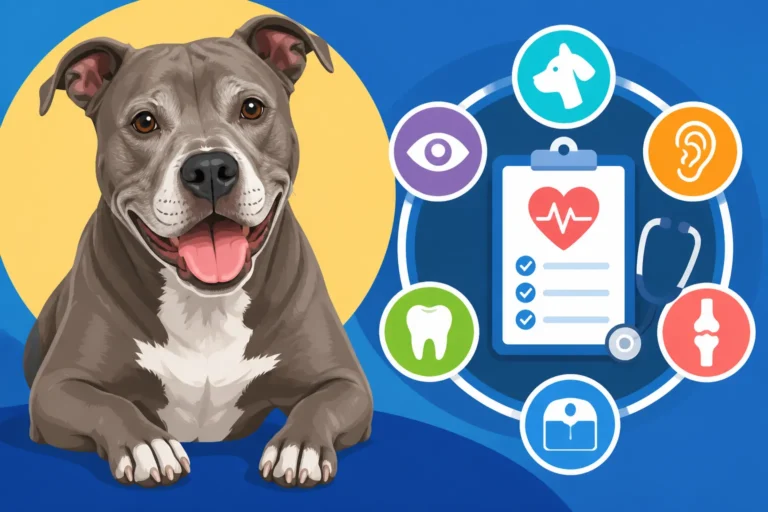
This is often the point where we need to shift our focus from "curing" to "comforting." It's an incredibly difficult mental and emotional leap. The guilt can be immense, making you question if you're giving up too soon. But truly, it's about recognizing the limitations and understanding that prolonging life at the expense of dignity and comfort is not a kindness. Your veterinarian is a crucial partner in these conversations. They can help you interpret lab results, discuss the effectiveness of current treatments, and assess the broader impact of any medical plan on your Pit Bull's daily well-being. Regular bloodwork, such as The Bloodwork an Old Pit Bull Should Have, can provide objective data about organ function and help inform these tough decisions. The ultimate goal transitions from adding years to their life to adding life to their remaining days, ensuring they spend them in as much peace and joy as possible.
Providing Comfort and Dignity in Their Final Months/Weeks
Once you've accepted that medical intervention has reached its natural limits, the focus shifts entirely to providing an environment of ultimate comfort, love, and dignity. This stage, though heartbreaking, is a profound opportunity to cherish every remaining moment and ensure your Pit Bull feels safe and loved. Caring for a Pit Bull in Its Second Decade means adapting your home and routine to their changing needs.
Pain management becomes paramount. Work closely with your vet to create a robust pain management plan. This might involve oral medications, anti-inflammatory drugs, or even complementary therapies like acupuncture. Ensuring they are as comfortable as possible will make a world of difference. Soft, orthopedic bedding is a must. Many older Pit Bulls struggle with getting up and down, so a supportive bed can alleviate pressure on aching joints. Make sure their food and water bowls are easily accessible, perhaps elevated so they don't have to bend down too far. Managing incontinence with absorbent pads or doggy diapers can help maintain hygiene and dignity, preventing them from lying in their own waste. While it's vital to maintain some routine for their emotional security, be flexible and don't push them to do things they’re no longer capable of enjoying. Gentle grooming, like soft brushing, can be a comforting ritual that strengthens your bond and helps you check for skin issues like bedsores. Creating a peaceful, quiet space where they can retreat when overwhelmed is also important, especially if your home is usually bustling. The goal is to maximize their comfort and minimize stress. Every gentle touch, every reassuring word, every effort you make to keep them comfortable is a profound act of love, ensuring that Keeping an Old Pit Bull Comfortable at the End is your absolute priority.
The Emotional Toll on Owners
Let's be honest, loving a Pit Bull means loving deeply and experiencing an equally deep grief when their time comes. This isn't just about the practicalities of end-of-life care; it's about navigating an emotional landscape filled with sadness, guilt, and profound loss.
Grief and Anticipatory Loss
The process of watching your beloved Pit Bull decline is often accompanied by what's known as anticipatory grief. You start mourning their loss long before they're actually gone. Every sign of aging, every loss of function, becomes a painful reminder of the inevitable. This period is emotionally exhausting because you're simultaneously trying to care for them, make impossible decisions, and process the impending void they will leave behind. The unique bond with a Pit Bull—often formed in the face of societal misconceptions—can make this grief even more intense. We've often had to defend their character, advocate for their acceptance, and educate others, which can forge an unbreakable connection.
The frustration of seeing their once-vibrant spirit dim, or their powerful body weaken, can be incredibly painful. You might feel immense guilt, wondering if you could have done more, if you waited too long, or if you're making the right choices. These feelings are normal and valid. It’s also common to feel isolated, as not everyone understands the depth of the bond we share with our animals, especially a breed that often carries an unfair stigma. Facing The Hardest Call a Pit Bull Owner Makes is a burden that no one should bear alone, and the emotional weight can be crushing. Allow yourself to feel these emotions, as they are a testament to the incredible love you share.
Seeking Support and Healing
You don't have to navigate this journey alone. Seeking support is not a sign of weakness; it's a testament to the depth of your love and the intensity of your grief. Reach out to friends and family who understand your bond with your Pit Bull. Sharing stories and memories can be incredibly cathartic. There are also numerous pet loss hotlines and online communities where you can connect with others who are going through similar experiences. Organizations like The Association for Pet Loss and Bereavement offer resources and support groups that can provide a safe space to process your feelings without judgment.
Allowing yourself to grieve is a crucial part of the healing process. Don't let anyone diminish your loss. Your Pit Bull was a cherished member of your family, and their passing is a significant event. Practice self-compassion during this difficult time. Take care of your own physical and emotional needs, just as you would for your dog. Remember the incredible life you gave your Pit Bull, the joy you shared, and the unconditional love that flowed between you. Your honesty and compassion in judging their last year, however painful, is the ultimate act of kindness and love you can offer them.
Disclaimer
This guide offers general information and advice based on widely accepted veterinary practices and animal behavior understanding. It is not a substitute for professional veterinary medical advice, diagnosis, or treatment. Always seek the advice of your veterinarian or other qualified animal health provider with any questions you may have regarding a medical condition or the health and welfare of your Pit Bull.