Pit Bull Mobility Aids in Old Age
It's heartbreaking to watch our once energetic Pit Bulls start to slow down, struggling with simple movements they used to accomplish with ease. The familiar joy of watching them bound up stairs or leap onto the couch can turn into a daily worry, as stiffness, pain, and weakness creep into their stride. This guide is here to walk you through understanding these age-related mobility challenges and exploring the many aids and adjustments available to help your beloved senior Pit Bull stay as comfortable and active as possible in their golden years.
Understanding the Challenges of Aging Pit Bull Mobility
As our Pit Bulls age, just like us, their bodies begin to feel the wear and tear of a life lived fully. What might start as a little stiffness after a long nap can gradually progress to more significant mobility challenges, making even daily routines difficult. It’s tough to see, but understanding these changes is the first step toward helping them.
Common Ailments Affecting Senior Pit Bulls
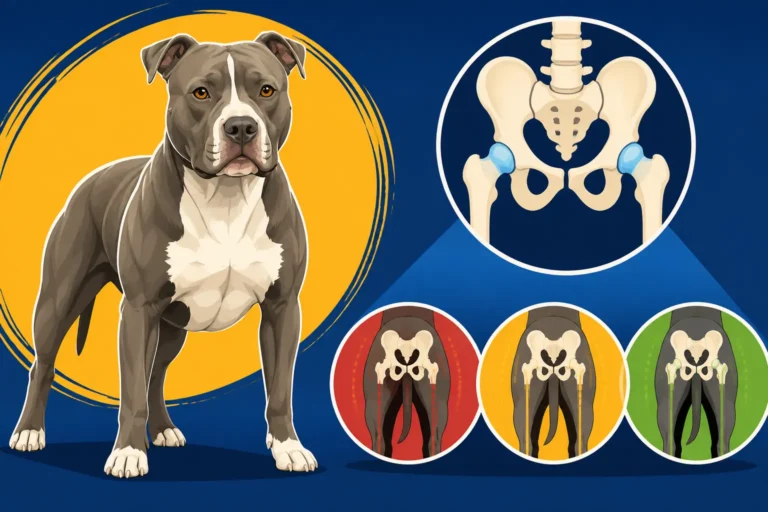
Pit Bulls, with their powerful, athletic builds, are often prone to certain musculoskeletal issues that can become more pronounced as they get older. One of the most common culprits is arthritis, or osteoarthritis, which is essentially the breakdown of cartilage in the joints, leading to pain, inflammation, and reduced range of motion. It can affect any joint, but you’ll often see it in their hips, knees, elbows, and spine. For a breed that often starts with predispositions like Pit Bull Hip Dysplasia Showing at One to Two Years, this condition can significantly worsen with age, turning a mild limp into a pronounced difficulty in walking.
Beyond arthritis, conditions like intervertebral disc disease (IVDD) can sometimes emerge, affecting the discs cushioning the spine and causing nerve pain or even paralysis. While less common than joint issues, it's something to be aware of. Ligament injuries, particularly cruciate ligament tears, which are often associated with active, muscular breeds, can also resurface or manifest in older dogs due to degenerative changes or accumulated stress, leading to significant lameness. It's a sad reality that while they look robust, the very strength and musculature we admire in our Pit Bulls can sometimes mask these underlying issues until they become quite advanced.
Recognizing the Signs Your Pit Bull Needs Help
It can be hard to tell when a dog is in pain because they're so good at hiding it. Many Pit Bull owners might first notice subtle changes in their senior dog's behavior rather than obvious limping. Perhaps they’re more reluctant to jump into the car, or they hesitate before tackling a flight of stairs they once bounded up. Maybe they’re sleeping more, seem a bit grumpier, or are less interested in their favorite games. These are often early indicators of discomfort.
More overt signs include a noticeable stiffness, particularly after resting or in the morning. You might observe a change in their gait, where they seem to shuffle, drag their paws, or walk with a hunched back. Some dogs might show difficulty rising from a lying position, struggling to push themselves up. Pacing at night, circling excessively, or an inability to settle comfortably can also point to underlying pain or discomfort, prompting you to consider if this is related to A Pit Bull Pacing at Night in Old Age. It's crucial to pay attention to these cues. If you suspect your Pit Bull is starting to slow down, a conversation with your vet is definitely in order to explore options for their comfort and mobility.
Essential Mobility Aids for Senior Pit Bulls
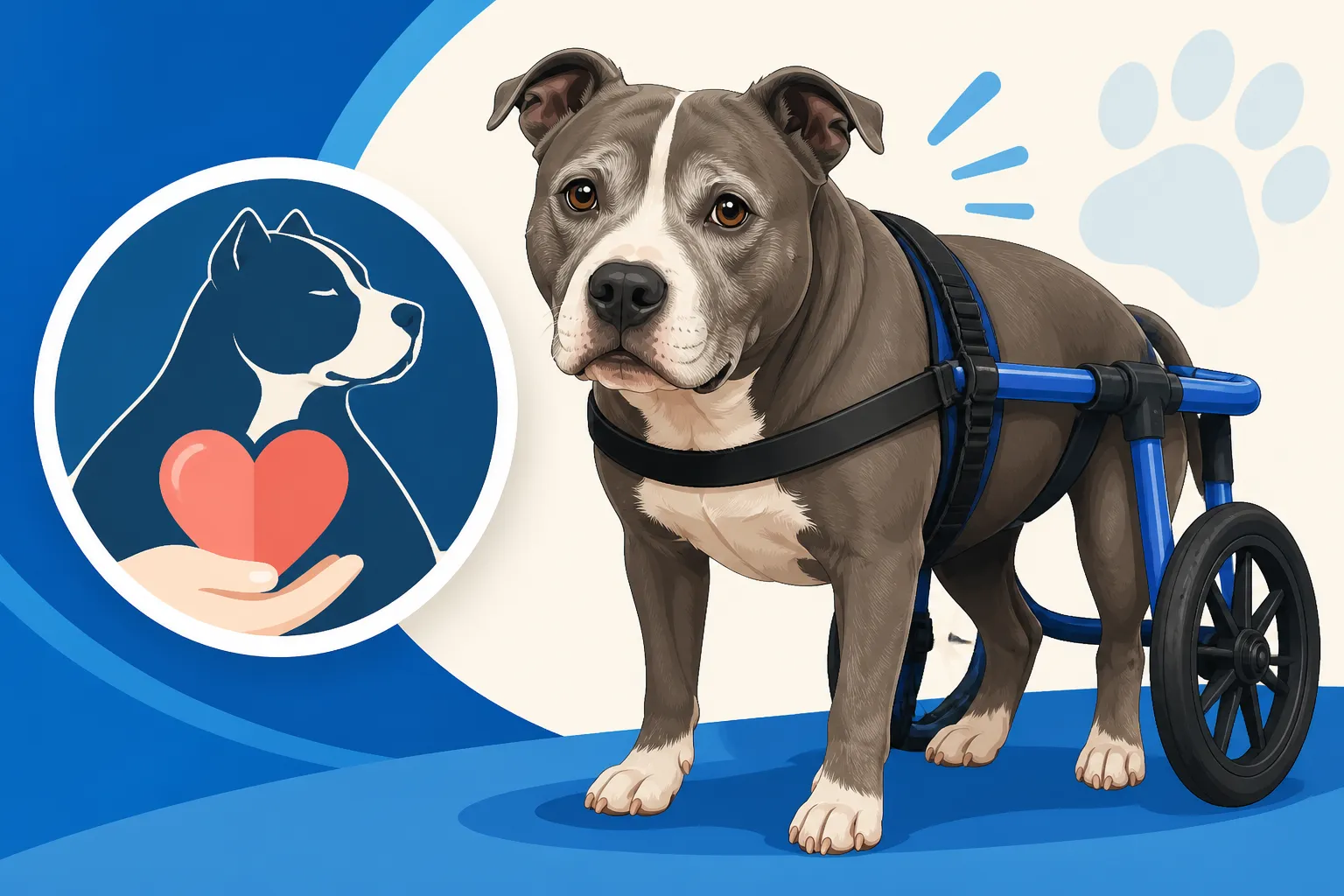
Once you and your vet have identified that your Pit Bull needs some extra help getting around, a whole world of practical mobility aids opens up. These tools aren't about "giving up" on your dog; they're about empowering them to continue enjoying life with greater ease and less pain.
Support Harnesses and Slings
Imagine trying to walk when your legs feel wobbly or painful. A well-designed support harness or sling can be an absolute game-changer for senior Pit Bulls, especially those with weakness in their hindquarters or general instability. These aids are designed to help you lift and support your dog’s weight, taking pressure off their aching joints. There are several types: rear-only slings, which are fantastic for dogs with hind leg weakness due to conditions like severe Arthritis in a Pit Bull at Seven or degenerative myelopathy; front-only harnesses, useful for issues like elbow dysplasia or general front-end instability; and full-body harnesses, which offer comprehensive support for dogs with generalized weakness or difficulty rising.
Brands like Help 'Em Up Harness or GingerLead offer durable and comfortable options specifically designed to fit a dog’s anatomy, including the robust build of a Pit Bull. When choosing one, look for strong, padded straps that won't chafe and are easy for you to put on and take off. Learning how to use these tools properly, by supporting your dog's weight rather than just lifting them, can make a huge difference in their confidence and your back! It allows you to help them get up from a nap, navigate a few stairs, or even just get outside for a potty break without undue strain on either of you.
Orthopedic Beds and Ramps
Comfort during rest is just as important as support during movement for an aging Pit Bull. A traditional dog bed might not cut it anymore for stiff joints. Orthopedic beds, often made with memory foam, are specifically designed to cradle your dog’s body, distributing their weight evenly and relieving pressure points. This can significantly reduce morning stiffness and improve the quality of their sleep, which in turn helps their overall well-being. Look for beds with high-density foam that won’t flatten out quickly, and consider one with a washable cover for easy cleaning. Brands like Big Barker or Casper Dog Bed are popular choices known for their durability and support.
Ramps and steps are another essential aid, particularly for larger, heavier breeds like Pit Bulls who can injure themselves, or exacerbate existing conditions like Pit Bull Joint and Ligament Injuries, by repeatedly jumping. Investing in a sturdy ramp for your car or SUV can save your dog's joints from the impact of jumping in and out. Similarly, indoor ramps or pet stairs can give them easy access to their favorite couch or your bed, allowing them to continue enjoying those cherished cuddle spots without pain or struggle. When selecting ramps, ensure they have a non-slip surface and are wide and stable enough for your Pit Bull to use confidently. The idea is to eliminate situations where they have to strain or jump.
Specialized Footwear and Paw Protection
Slippery floors are a major hazard for senior dogs, especially those with arthritis or neurological conditions that affect their balance and coordination. Imagine trying to walk on ice when your legs are already weak! Specialized footwear, such as anti-slip socks or boots with rubberized soles, can provide much-needed traction on hardwood, tile, or laminate floors. These can prevent dangerous slips and falls that could lead to further injury or loss of confidence. Even if your Pit Bull isn't keen on wearing "shoes" at first, consistent positive reinforcement can help them adjust.
Beyond indoor traction, paw protection can be beneficial for walks. If your senior Pit Bull is dragging their paws slightly due to weakness, boots can prevent scrapes and sores on their paw pads. For dogs with general instability, the added grip can make outdoor walks safer and more enjoyable, particularly on uneven terrain or wet surfaces. It's about giving them back some stability and confidence in every step they take.
Lifestyle Adjustments and Environmental Modifications
Beyond specific gadgets and gear, adapting your Pit Bull's daily routine and living space can dramatically improve their quality of life as they age. Small changes can have a huge impact on their comfort and mobility.
Home Modifications for Easier Movement
Your home, which was once a playground for your young Pit Bull, can become a challenging obstacle course for a senior dog with mobility issues. The good news is that many simple, inexpensive modifications can make a world of difference. Start by laying down non-slip rugs or runners on slick floor surfaces, especially in high-traffic areas and pathways leading to food and water bowls. This provides essential traction and prevents painful slips. Clear pathways of clutter, ensuring there’s enough room for your Pit Bull to navigate without bumping into furniture, which can throw them off balance.
If stairs are becoming a challenge, consider using baby gates to restrict access to certain levels, or assist them with their support harness. For dogs with neck or back pain, elevating food and water bowls can make mealtime much more comfortable, preventing them from having to bend down excessively. You can find adjustable feeders at most pet supply stores or even use sturdy risers. These thoughtful adjustments show your Pit Bull that you understand their struggles and are working to make their world easier, contributing significantly to their overall Caring for a Pit Bull in Its Second Decade.
Exercise and Rehabilitation for Joint Health
It might seem counterintuitive to talk about exercise for a dog with mobility issues, but appropriate, low-impact physical activity is crucial for maintaining muscle mass, flexibility, and joint health in senior Pit Bulls. Regular, gentle walks on soft surfaces like grass can help keep their joints lubricated and muscles strong without putting excessive strain on them. Avoid long, strenuous hikes or high-impact activities that could worsen existing conditions. Instead, focus on shorter, more frequent outings.
Hydrotherapy, which involves exercises in a warm pool or on an underwater treadmill, is an excellent option for older dogs. The buoyancy of the water reduces pressure on the joints while still allowing for a full range of motion, helping to build strength and improve cardiovascular health. Many veterinary rehabilitation centers offer these services. Physical therapy, guided by a certified canine rehabilitation therapist, can also provide tailored exercises, stretches, and massage techniques to address specific weaknesses or pain points. These structured programs are vital for dogs recovering from injuries or managing chronic conditions, helping them to maintain or even regain some functional mobility. Remember, consistency is key to Getting a Pit Bull Back Into Condition safely and effectively.
Nutritional Support and Supplementation
What goes into your Pit Bull’s bowl plays a huge role in their joint health and overall mobility. Maintaining a healthy weight is paramount; every extra pound puts added stress on already compromised joints. If your Pit Bull is carrying too much weight, a conversation with your vet about a controlled weight loss plan is essential, especially given How Weight Multiplies the Load on Pit Bull Joints. You might be surprised at how much even a few pounds can improve their comfort. Look for senior-specific dog foods that are often lower in calories and may contain joint-supporting ingredients.
Beyond diet, targeted supplements can provide valuable support for joint health. Common ingredients include glucosamine and chondroitin, which help maintain cartilage, and Omega-3 fatty acids (like EPA and DHA found in fish oil), known for their anti-inflammatory properties. MSM (methylsulfonylmethane) is another supplement often used for joint pain and inflammation. While supplements aren't a magic bullet, they can work synergistically with diet and exercise to reduce discomfort and improve mobility. Always consult your vet before adding any new supplements to your Pit Bull's regimen, as they can recommend the best products and dosages, ensuring you're providing Joint Support for a Heavily Muscled Pit Bull that actually makes a difference.
The Role of Veterinary Care and Financial Planning
Navigating the senior years with a Pit Bull who has mobility challenges requires a strong partnership with your veterinarian and some thoughtful financial planning. These aren't just one-off considerations but ongoing commitments to their well-being.
Regular Vet Check-ups and Pain Management
Consistent veterinary care becomes even more critical as your Pit Bull ages and develops mobility issues. Regular check-ups, ideally every six months, allow your vet to monitor their condition, adjust pain management strategies, and catch any new issues early. These visits might include detailed physical examinations, gait analysis, and sometimes diagnostic imaging like X-rays to assess joint health. Discussing The Bloodwork an Old Pit Bull Should Have with your vet can provide insight into their overall organ function, ensuring any medications are safely metabolized.
Pain management for senior dogs is multi-faceted. Your vet might prescribe Non-Steroidal Anti-Inflammatory Drugs (NSAIDs) like Rimadyl, Galliprant, or Metacam to reduce pain and inflammation. For more severe pain or when NSAIDs aren't enough, other medications like Gabapentin or Amantadine might be added. Don't be afraid to discuss your Pit Bull's quality of life and any concerns about side effects. There are also alternative therapies gaining popularity, such as acupuncture, therapeutic laser treatments, and even stem cell therapy in some cases, which can offer additional relief and improve mobility. The goal is always to keep them as comfortable and pain-free as possible, ensuring they have the best quality of life for their Pit Bull Lifespan Across Twelve to Sixteen Years.
Planning for the Costs of Senior Care
Let's be real, providing comprehensive care for a senior Pit Bull with mobility challenges can become quite expensive. From specialized diets and joint supplements to multiple vet visits, pain medications, physical therapy sessions, and all those wonderful mobility aids, the costs can add up quickly. It's a significant financial commitment, and it's something every Pit Bull owner should prepare for as their beloved companion enters their golden years.
This is where pet insurance can be a real lifesaver, especially if you enrolled your Pit Bull when they were younger and before these conditions became "pre-existing." Companies like Healthy Paws offer policies that can help cover a substantial portion of accident and illness costs, which often include diagnostic tests, medications, and even rehabilitation therapies for conditions like arthritis or disc disease. While specific coverage varies by plan and deductible, having that financial safety net can alleviate a lot of stress and allow you to make decisions based on what’s best for your dog, rather than solely on your wallet. Even if you don't have insurance, setting aside a dedicated "senior pet fund" can provide peace of mind and ensure you're ready for the inevitable expenses of keeping your aging Pit Bull comfortable and mobile. Remember to consider How Often a Ten Year Old Pit Bull Needs Checking and the associated costs.
| Mobility Aid Category | Purpose & Benefit | Key Considerations |
|---|---|---|
| Support Harnesses/Slings | Assists with standing, walking, going up stairs/ramps; reduces strain on dog's joints and owner's back. | Proper fit is crucial; choose full-body, rear-only, or front-only based on need; look for padding & adjustability. |
| Orthopedic Beds | Provides pressure relief and support for aching joints; improves sleep quality; reduces morning stiffness. | High-density memory foam is best; washable cover; appropriate size for your Pit Bull's weight. |
| Ramps & Steps | Enables easy access to furniture, beds, and vehicles; prevents jumping impact which can worsen joint pain. | Non-slip surface; stable construction; appropriate incline and width for safe use. |
| Anti-Slip Footwear | Increases traction on slippery indoor surfaces (hardwood, tile); prevents falls; protects paw pads. | Comfortable fit; durable, non-slip sole; may require positive reinforcement for dog to accept. |
| Elevated Food/Water Bowls | Reduces strain on neck and back during mealtime; can aid digestion. | Adjustable height options are best; stable base to prevent tipping; easy to clean. |
| Non-Slip Rugs/Runners | Provides continuous traction on slick floors; prevents slips and boosts confidence. | Secure backing to prevent bunching; cover main walking paths; regular cleaning. |
Disclaimer
The information provided in this article is for general informational purposes only and is not a substitute for professional veterinary advice. Always consult with a qualified veterinarian for any health concerns or before making any decisions related to your Pit Bull's care and treatment.