How Often a Ten Year Old Pit Bull Needs Checking
Watching your beloved Pit Bull cross that 10-year mark is a bittersweet milestone. On one hand, you’re so incredibly grateful for every moment, but on the other, you start to worry a little more about their health. It’s completely natural to wonder, "How often should I really be taking my older Pit Bull to the vet now?" This can be a huge source of anxiety for many dedicated owners, especially when you're used to those once-a-year check-ups for a younger, seemingly indestructible dog. This guide is here to shed light on exactly what changes for a senior Pit Bull, why more frequent vet visits become essential, and what you can expect from these crucial appointments to ensure your furry family member stays as happy and comfortable as possible in their golden years.
Understanding the Senior Pit Bull
When your Pit Bull hits double digits, they're officially entering their senior years. Just like us, as dogs age, their bodies start to change, becoming more susceptible to certain conditions and generally needing a bit more TLC. It's not a dramatic overnight transformation, but a gradual shift that calls for a proactive approach to their healthcare. Ignoring these changes can lead to missed opportunities for early intervention, which is truly key to maintaining their quality of life.
Defining "Senior" in Pit Bulls
For many larger breeds, "senior" status often kicks in around 7 or 8 years old. For a robust, athletic breed type like the Pit Bull, with a typical lifespan of Pit Bull Lifespan Across Twelve to Sixteen Years, 10 years old firmly places them in their golden years. At this stage, their metabolism might slow down, their joints might not be as springy, and their immune system could be less efficient. This isn't a sign they're "breaking down," but rather that their body's reserves aren't what they once were, making them more vulnerable to the silent creep of age-related illnesses. Think of it as transitioning from an all-terrain vehicle to a classic car – still magnificent, but needing more regular maintenance and a gentler touch.
Common Age-Related Changes
You might start noticing subtle differences in your 10-year-old Pit Bull. Perhaps they're not as eager for those long runs they once loved, or they take a little longer to get up after a nap. Their coat might thin slightly or show some graying around the muzzle. Common physical changes include decreased vision or hearing, a reduction in muscle mass (even if their weight stays the same), and a general decrease in energy levels. Mentally, you might observe A Pit Bull Confused in Rooms It Knows, or perhaps they sleep more deeply and are less responsive to stimuli. Internally, organ function, like kidneys, liver, and heart, can begin to decline, often without obvious external signs until the condition is quite advanced. This is why our vigilance and regular vet input become so paramount.
The Importance of Early Detection
The biggest reason to shift to more frequent vet checks for a senior Pit Bull is the power of early detection. Many age-related diseases, such as kidney disease, thyroid issues, heart conditions, and even certain cancers, develop slowly and often don't present noticeable symptoms until they've progressed significantly. Catching these problems in their nascent stages means more treatment options, less aggressive interventions, and a better prognosis for your dog. For instance, diagnosing Pit Bull Heart and Thyroid Conditions early can allow for dietary changes, supplements, or medication that can dramatically slow progression and extend a comfortable life. Without those regular check-ups and diagnostic tests, you're relying on visible symptoms, which often means you're already playing catch-up.
Recommended Vet Visit Frequency for a Ten-Year-Old Pit Bull
The answer to how often your ten-year-old Pit Bull needs checking isn't a rigid one-size-fits-all, but there's a widely accepted baseline that most veterinary professionals recommend. From there, it's about tailoring the schedule to your individual dog's health profile, existing conditions, and even their lifestyle.
The General Rule of Thumb: Biannual Checks
For most healthy senior dogs, including Pit Bulls, the general recommendation from veterinarians is to transition from annual check-ups to biannual (every six months) visits. This might seem like a lot, especially if your dog has always been robust, but it’s critical. Why twice a year? Because a dog ages much faster than a human. Six months for a dog is equivalent to several years for us. A lot can change in that time, and biannual checks provide a crucial window to monitor those subtle shifts. This frequency allows your vet to catch early signs of conditions like arthritis, dental disease, or even organ dysfunction, long before they become painfully obvious or advanced. This proactive approach truly buys your dog more comfortable, quality time.
Factors Influencing Frequency
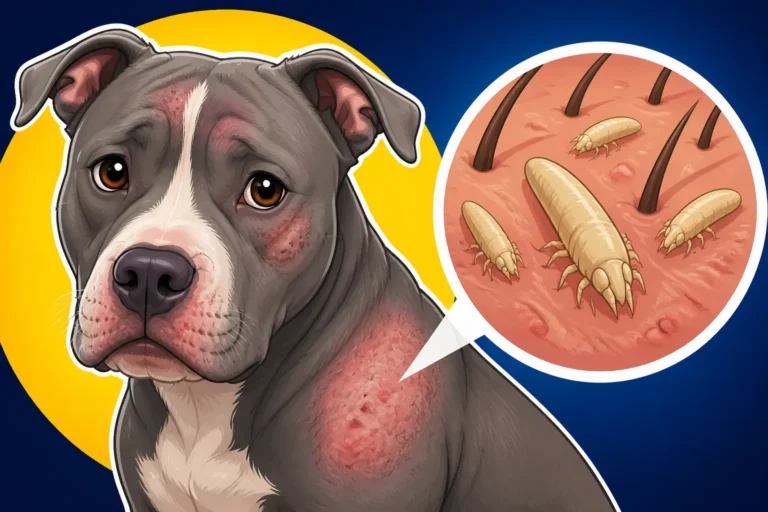
While biannual checks are the standard, certain factors might necessitate even more frequent visits. If your Pit Bull has a chronic condition, such as Pit Bull Skin Allergies and the Atopy Pattern, diabetes, kidney disease, or a history of Cancers That Show Up in an Older Pit Bull, your vet might recommend quarterly check-ups, or even more often depending on the stability of the condition. Dogs on long-term medications, especially those that can affect organ function, will need regular blood work to monitor their health. Your vet might suggest specialized visits to monitor these conditions closely. For example, if your Pit Bull developed Arthritis in a Pit Bull at Seven, you might have specific appointments focused on pain management and mobility, alongside the general senior wellness exams. The goal is always to stay ahead of potential problems, rather than reacting to crises.
Building a Partnership with Your Vet
Your veterinarian is your most valuable partner in navigating your Pit Bull's senior years. Don't be afraid to have an open conversation about their health, your concerns, and the recommended check-up schedule. They know your dog's medical history best and can advise on a personalized plan. If cost is a concern, many clinics offer wellness plans for seniors that can help spread the expense, and having pet insurance, such as a policy from Healthy Paws, can be a lifesaver when unexpected senior health issues arise. Discussing your dog's lifestyle – how active they still are, any new behaviors, changes in appetite or thirst – will help your vet make the most informed recommendations. This collaborative approach ensures your Pit Bull receives tailored care, maximizing their comfort and well-being.
What Happens During a Senior Check-Up
A senior check-up for your 10-year-old Pit Bull is much more comprehensive than the annual vaccinations and quick listen-and-feel of their younger years. These appointments are designed to provide a holistic view of your dog's health, focusing on early detection and management of age-related issues.
The Comprehensive Physical Exam
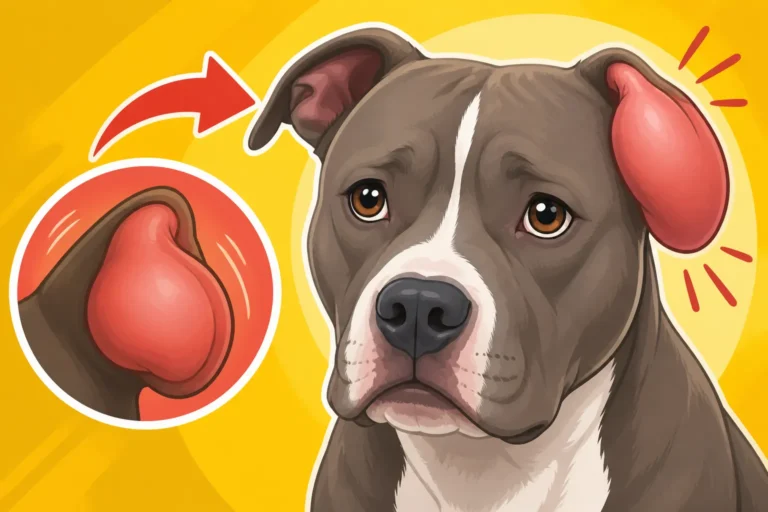
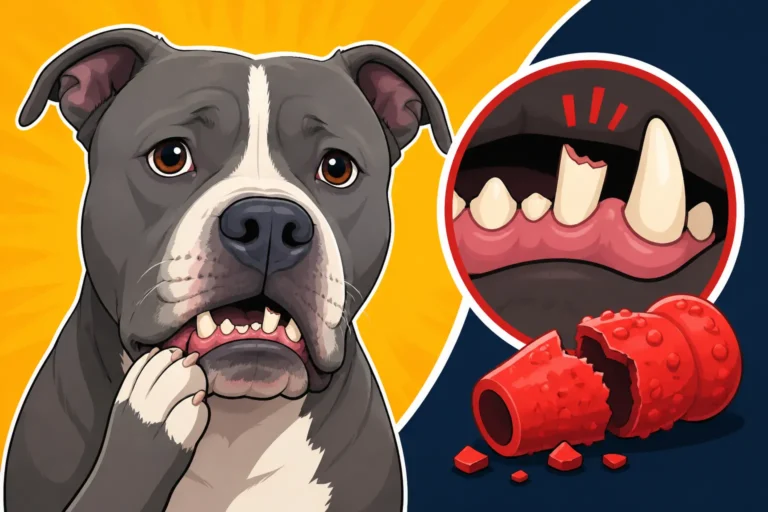
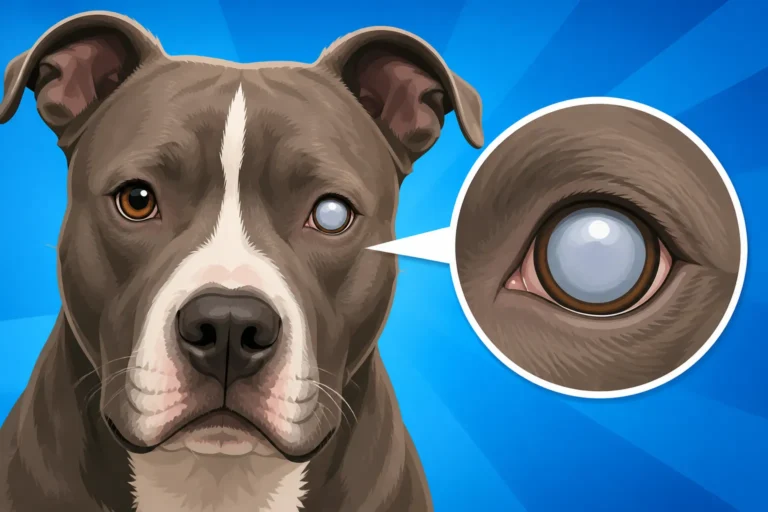
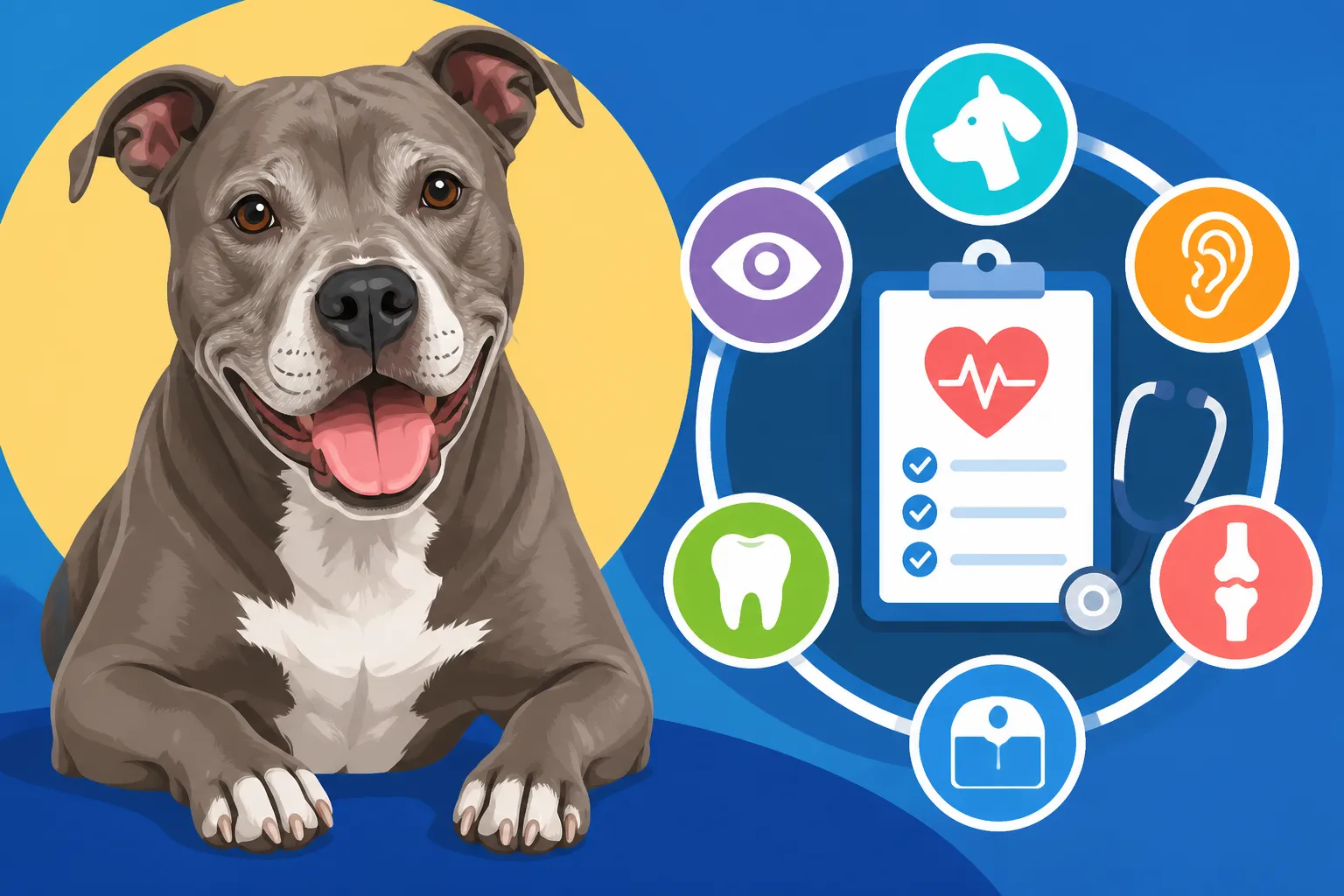
During a senior physical exam, your vet will go through a very thorough head-to-tail assessment. This isn't just a quick once-over; they'll meticulously check everything. They'll examine their eyes for Pit Bull Cataracts and Eye Problems, listen intently to their heart and lungs for any murmurs or abnormal sounds like those associated with Heart Disease in a Pit Bull, and carefully palpate their abdomen for any unusual lumps or organ enlargement. Their teeth and gums will get a close inspection, as Pit Bull Dental Disease and Hard Chewing can cause significant pain and lead to other health issues if left untreated. Your vet will also pay special attention to your dog's joints and mobility, checking for signs of stiffness, pain, or decreased range of motion that could indicate conditions like arthritis. This detailed examination often reveals subtle changes that might otherwise go unnoticed.
Essential Diagnostic Screenings
Beyond the physical exam, diagnostic screenings become paramount for senior Pit Bulls. Regular bloodwork, typically including a complete blood count (CBC) and a biochemistry panel, provides a snapshot of their internal organ function. The CBC can detect anemia or infection, while the biochemistry panel gives insights into kidney function, liver enzymes, blood sugar, and electrolyte balance. A urinalysis is also crucial, as it can reveal early signs of kidney disease, urinary tract infections, or even diabetes, often before any symptoms appear. Your vet may also recommend a thyroid panel, especially if you've noticed changes in weight despite consistent eating, or a thinning coat, which can be signs of Hypothyroidism and a Thinning Pit Bull Coat. These tests, like those often covered by a comprehensive pet insurance plan from Healthy Paws, are foundational to catching internal problems before they become crises. This proactive screening is where we truly catch things early and make a difference.
Pain Management and Mobility Assessment
One of the most common issues in senior Pit Bulls is the onset of arthritis and other joint discomfort. These powerful, muscular dogs have put a lot of stress on their bodies over the years. Your vet will carefully assess your Pit Bull's gait, observe how they sit and lie down, and check for any tenderness or reduced flexibility in their joints. They might recommend joint supplements, anti-inflammatory medications, or even physical therapy to improve comfort and mobility. Don't underestimate the impact of subtle pain; a dog won't always cry out, but changes in behavior, reluctance to play, or difficulty climbing stairs can all be indicators. Addressing Pit Bull Arthritis After the Age of Seven early can significantly improve their quality of life. Furthermore, managing their weight becomes crucial as extra pounds multiply the load on aging joints, making How Weight Multiplies the Load on Pit Bull Joints a serious consideration.
| Common Senior Pit Bull Health Concerns | Signs to Watch For | Typical Vet Actions |
|---|---|---|
| Arthritis/Joint Pain | Stiffness, limping, reluctance to jump/climb, difficulty getting up/down, decreased activity. | Physical exam, pain assessment, X-rays, joint supplements, anti-inflammatories, weight management advice, Pit Bull Mobility Aids in Old Age. |
| Dental Disease | Bad breath, red/swollen gums, visible tartar, difficulty eating, pawing at mouth. | Dental exam, cleaning under anesthesia, extractions if needed, home dental care recommendations. |
| Kidney Disease | Increased thirst, increased urination, decreased appetite, lethargy, weight loss, vomiting. | Blood tests (The Bloodwork an Old Pit Bull Should Have), urinalysis, dietary changes, fluid therapy. |
| Heart Disease | Coughing (especially at night/rest), easily tired, difficulty breathing, decreased exercise tolerance. | Stethoscope exam (listening for murmurs), X-rays, echocardiogram, medication, dietary adjustments. |
| Thyroid Disease (Hypothyroidism) | Weight gain despite no diet change, lethargy, hair loss (especially on flanks), dry/dull coat, cold intolerance. | Blood tests (thyroid panel), medication (thyroid hormone replacement). |
| Cancer | New lumps/bumps (anywhere), unexplained weight loss, loss of appetite, lethargy, persistent limping, non-healing sores. | Physical exam, fine needle aspirate (FNA) of lumps, imaging (X-rays, ultrasound), biopsy. |
| Cognitive Dysfunction | Disorientation (A Pit Bull Confused in Rooms It Knows), altered sleep-wake cycles, house-soiling, decreased interaction. | Behavioral history, rule out other medical causes, diet change, supplements, medication. |
Beyond Routine Visits: Spotting Warning Signs
Even with a diligent biannual schedule, you, as their primary caregiver, are on the front lines of your Pit Bull's health. You see them every day, know their quirks, and are best positioned to notice subtle changes that might indicate a problem between vet appointments. Being observant and knowing what to look for can truly make a difference.
Behavioral and Appetite Changes
Any deviation from your Pit Bull's normal behavior should raise a flag. Is your usually enthusiastic eater suddenly turning up their nose at mealtime, or are they A Pit Bull That Refuses Food for a Day? Are they drinking significantly more water than usual, or having accidents indoors despite being house-trained? A sudden increase or decrease in thirst can be a sign of diabetes or kidney issues. Lethargy, a lack of interest in walks or games, increased irritability, or excessive panting when at rest are all subtle cues that something might be amiss. Even something like A Pit Bull Pacing at Night in Old Age can be a symptom of pain or cognitive decline. These aren't always emergencies, but they warrant a call to your vet to discuss.
Physical Symptoms Requiring Immediate Attention
Some physical symptoms require more urgent veterinary attention. Any new lumps or bumps should be checked out promptly, as some Which Tumors Turn Up Most on a Pit Bull can grow quickly or be aggressive. While not all lumps are cancerous, getting a fine needle aspirate (FNA) is a quick and non-invasive way to get answers. Persistent limping, especially if it's severe or accompanied by swelling, needs immediate assessment, as it could indicate a serious injury or worsening arthritis. Difficulty breathing, persistent coughing, vomiting or diarrhea that lasts more than 24 hours, or any signs of severe pain are also red flags. Don't hesitate to reach out to your vet if you notice these things, even if your next routine check-up is still months away. Swift action can often prevent a minor issue from escalating into a life-threatening emergency.
Maintaining a Detailed Health Journal
One of the most powerful tools you have as a senior Pit Bull owner is a detailed health journal. This doesn't have to be fancy; a simple notebook or a dedicated app on your phone will do. Jot down dates of any unusual observations: changes in appetite, water intake, bathroom habits, activity levels, or new lumps you find while Pit Bull Skin Checks During Weekly Grooming. Note when medications are given and any perceived effects. This journal becomes invaluable when you speak to your vet, providing objective data that helps them connect the dots. You might think you'll remember everything, but when you're worried about your dog, details can get fuzzy. Having this record means you can give your vet precise information, helping them make an accurate diagnosis and tailor treatment plans, whether it's for a recurring issue or a new concern that might warrant a claim with a pet insurance provider like Healthy Paws. It also helps you track the progression of chronic conditions, informing you when adjustments to care or medication might be needed.
Disclaimer
This article is for general informational purposes only and does not constitute professional advice. Laws, prices and regulations vary by location and change over time. Consult a qualified professional for guidance on your specific situation.