How Tall a Pit Bull Type Dog Stands
It can be incredibly confusing when you're trying to understand the physical characteristics of a "Pit Bull," because what most people call a "Pit Bull" isn't actually a single breed, but rather a group of related breeds with varying standards. This often leaves owners wondering what the typical height of their beloved canine companion should be. This guide will help clarify the common height ranges you can expect for the primary breeds typically identified as Pit Bulls, and delve into the factors that influence their stature.
Understanding "Pit Bull Type Dog" and Its Implications for Height
When we talk about "Pit Bull type dogs," we're really encompassing several distinct breeds, each with its own specific breed standard regarding height, weight, and overall conformation. The confusion often stems from the public's blanket use of the term "Pit Bull" to describe any dog with a blocky head and a muscular build. However, understanding the nuances between these breeds is crucial for appreciating their individual characteristics, including how tall they typically stand.
Why "Pit Bull" Isn't a Single Breed
The term "Pit Bull" is an umbrella term, not a registered breed name itself. It most commonly refers to the American Pit Bull Terrier (APBT), the American Staffordshire Terrier (AmStaff), and sometimes the Staffordshire Bull Terrier (Staffie). Occasionally, the American Bully is also included in this general categorization, though it's a newer breed with its own distinct trajectory. Each of these breeds has evolved with slightly different purposes and standards, which directly impacts their average size. Knowing which specific breed (or mix of breeds) your dog aligns with can give you a much clearer idea of what its mature height should be. It's not uncommon for a dog to be visually identified as a Pit Bull, but a DNA test reveals a complex mix, which means its size might not conform strictly to any one breed standard. You can learn more about this in Why Pit Bull Is a Type and Not a Breed.
How Breed Standards Define Height
For each recognized breed, there's a written standard that describes the ideal characteristics, including height. These standards are developed by breed clubs, like the United Kennel Club (UKC) for the American Pit Bull Terrier or the American Kennel Club (AKC) for the American Staffordshire Terrier. While they provide guidelines, it's important to remember that not every individual dog will fall perfectly within these ranges. There's always a natural variation, even within purebred lines. These standards help breeders select for specific traits and ensure the health and consistency of the breed, giving prospective owners a benchmark for what to expect.
Typical Height Ranges for Key Pit Bull Type Breeds
Let's break down the general height expectations for the primary breeds commonly grouped under the "Pit Bull" umbrella. Keep in mind these are averages, and individual dogs can certainly be a bit taller or shorter.
American Pit Bull Terrier (APBT)
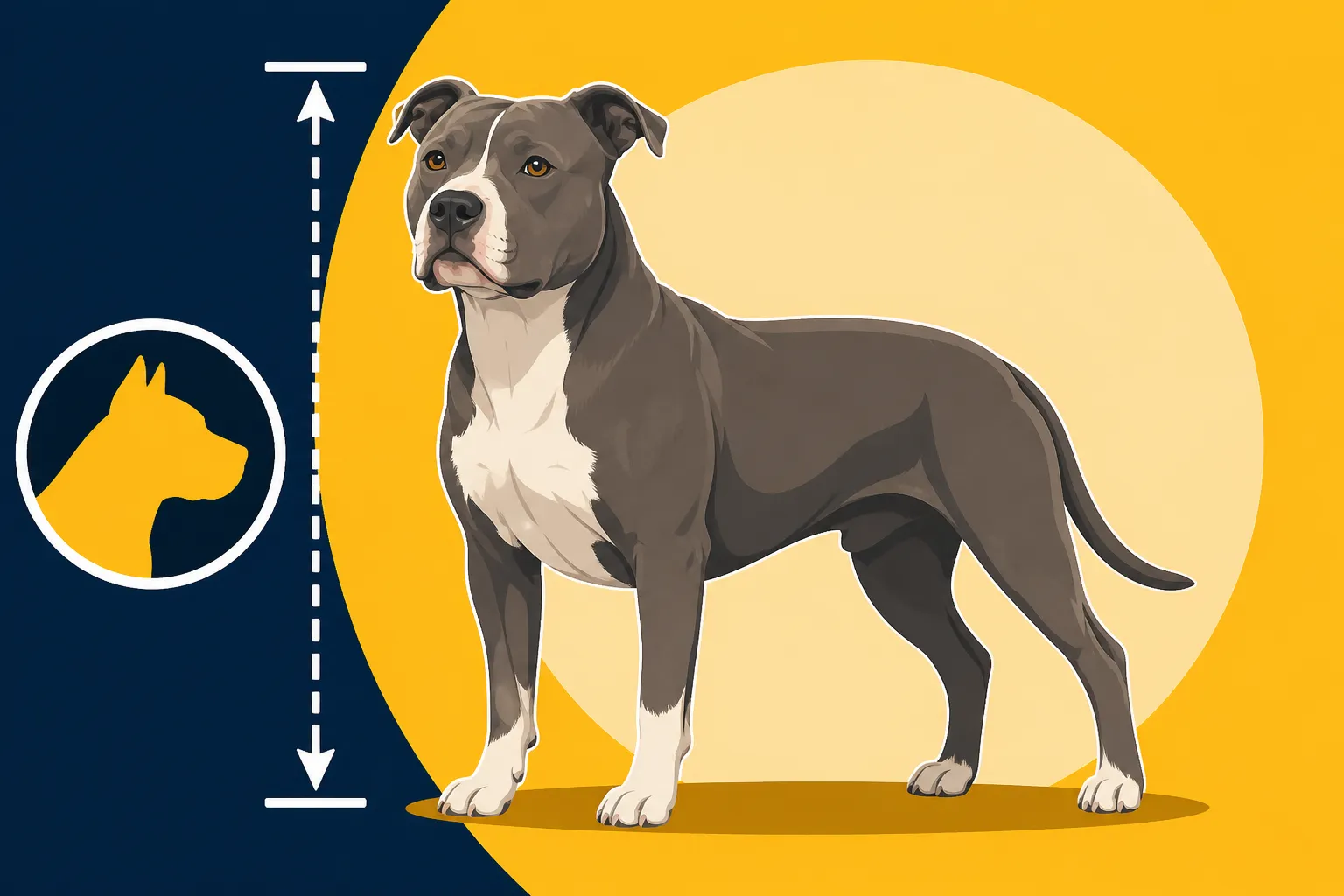
The American Pit Bull Terrier, recognized by the United Kennel Club (UKC), is often considered the original "Pit Bull." Their standard emphasizes a balance of strength, agility, and grace. Typically, male APBTs stand between 18 to 21 inches at the shoulder, while females are usually a bit smaller, ranging from 17 to 20 inches. This height, combined with their muscular build, makes them appear substantial but not overly large. They are built for power and athleticism, not immense stature. Understanding their physical definition helps us grasp The American Pit Bull Terrier as the UKC Defines It.
When considering an APBT, their height contributes to their overall athletic profile. A well-bred APBT should possess proportional height and length, giving them a square or slightly longer-than-tall appearance. This physical balance is key to their functionality and how they move. Their height also plays a role in how they interact with their environment, from jumping fences to comfortably navigating stairs.
American Staffordshire Terrier (AmStaff)
The American Staffordshire Terrier is recognized by the American Kennel Club (AKC). While sharing common ancestry with the APBT, the AmStaff standard often favors a slightly more massive, stockier build. Male AmStaffs typically stand about 17 to 19 inches at the shoulder, with females generally falling between 16 to 18 inches. You'll notice this range is a little more compact than the APBT, often with more bone and substance for their height. For more on their specific characteristics, see The AmStaff as the AKC Recognizes It.
Despite being slightly shorter on average than an APBT, the AmStaff can appear equally or even more imposing due to its broader chest and denser musculature. Their robust frame means they often weigh more per inch of height compared to a lankier dog. This compact power is a hallmark of the AmStaff breed, giving them a powerful, confident presence.
Staffordshire Bull Terrier (Staffie)
The Staffordshire Bull Terrier, often simply called a "Staffie," is the smallest of the three main "Pit Bull type" dogs. Originating from England, they were bred for their courage and tenacity in a smaller package. Their height typically ranges from 14 to 16 inches at the shoulder for both males and females. Don't let their smaller stature fool you; Staffies are incredibly strong, muscular, and notoriously robust for their size. To delve into their origins, read The Staffordshire Bull Terrier and Its English Origin.
A Staffie's height makes them incredibly agile and compact, perfect for families who might prefer a smaller but still very capable and active companion. They are often described as "big dogs in a small package" due to their impressive strength and presence. Their lower center of gravity also contributes to their signature powerful stance and athletic prowess.
Comparison Table of Pit Bull Type Dog Heights
To help visualize the differences, here's a quick comparison of the typical height ranges for these breeds:
| Breed Type | Typical Male Height (at shoulder) | Typical Female Height (at shoulder) | Key Characteristics |
|---|---|---|---|
| American Pit Bull Terrier | 18-21 inches | 17-20 inches | Athletic, balanced, powerful, agile |
| American Staffordshire Terrier | 17-19 inches | 16-18 inches | Stockier, more massive bone, compact power |
| Staffordshire Bull Terrier | 14-16 inches | 14-16 inches | Compact, robust, courageous, "big dog in small package" |
Factors Influencing a Pit Bull Type Dog's Height
While breed standards give us a good benchmark, several other factors can influence how tall an individual Pit Bull type dog will actually grow. Genetics and nutrition play significant roles, as do the age and overall health of the dog.
Genetics and Lineage
Just like in humans, genetics are the primary determinant of a dog's adult height. A puppy inherits its potential height from its parents. If both parents are on the taller side of their breed's standard, their offspring are more likely to be taller. Conversely, if the parents are smaller, the puppies will likely follow suit. This is why a reputable breeder will be transparent about the size of the parent dogs and their lineage, as it offers insight into the potential adult size of the puppies.
It's also important to consider the "quality" of the lineage. Some lines might be bred for specific working traits that favor a particular size, while others might prioritize conformation to show standards. These subtle genetic differences within a breed can lead to variations in height, even among dogs of the same breed. When adopting from a shelter, it can be harder to know the lineage, but observing the parent dogs if they are available can give you some clues.
Nutrition and Growth
Proper nutrition during puppyhood is absolutely critical for healthy growth and reaching a dog's full genetic potential for height. Puppies need a balanced diet with appropriate levels of protein, fats, vitamins, and minerals to support rapid bone and muscle development. Overfeeding, especially with diets too high in calcium or phosphorus, can actually be detrimental to bone growth in large, fast-growing breeds, leading to developmental orthopedic issues. Conversely, underfeeding can stunt growth, preventing a dog from reaching its full adult height.
Many high-quality puppy foods, including those you can find on sites like Chewy, are formulated specifically for large breed puppies to ensure they grow at a healthy, steady pace. It’s a common misconception that feeding a "large breed" formula makes them bigger; rather, it's designed to promote controlled growth to protect their developing joints. Ensuring your Pit Bull puppy receives consistent, appropriate nutrition is one of the best ways to support its healthy development. You want to avoid Why a Growing Pit Bull Should Not Jump Hard until their growth plates close.
Age and Growth Plates
Dogs don't reach their full adult height overnight. Pit Bull type dogs, being medium to large breeds, generally continue to grow in height until around 12 to 18 months of age, though their musculature can continue to fill out for another year or two after that. The growth plates, which are areas of cartilage at the ends of long bones, are responsible for linear growth. Once these growth plates close, typically between 12 and 18 months, the dog stops growing taller.
During this critical growth period, it's important to protect developing joints. Excessive jumping, hard impact activities, or intense, repetitive exercise can damage open growth plates, potentially leading to orthopedic problems and impacting final height. Knowing The Age a Pit Bull Finishes Growing can help owners adjust exercise routines to safeguard their dog's long-term joint health.
Practical Considerations for Height in Your Home and Life
A dog's height isn't just a number; it has real-world implications for daily life, from choosing the right equipment to navigating your home environment. Thinking about these practicalities beforehand can make for a smoother experience for both you and your Pit Bull.
Choosing the Right Gear
The height of your Pit Bull type dog will directly influence the type and size of equipment you need. For instance, a taller dog might benefit from raised food and water bowls, which can be more comfortable for them to eat and drink from without stooping excessively. You can find a variety of adjustable elevated feeders on Chewy that can accommodate different heights as your dog grows. This is especially relevant for Bowl Height for a Broad Chested Pit Bull.
Furthermore, harnesses and collars need to fit correctly for comfort and safety. A dog's height, combined with their broad chest, means standard harnesses might not always be the best fit. You'll want to look for harnesses designed for deep-chested breeds that provide ample room without chafing. This is key for Harness Fit Across a Broad Pit Bull Chest. Crates are another major consideration; a tall dog needs a crate that allows them to stand up and turn around comfortably without hitting their head. Make sure to measure your dog's height when standing and add a few inches for headroom.
Navigating Your Home and Environment
A Pit Bull type dog's height can impact how they interact with your home. Taller dogs might more easily reach countertops, posing a "counter-surfing" challenge. This means you'll need to be extra vigilant about keeping food and tempting items out of reach. Their reach can also affect what plants they can access or what items they might accidentally knock over.
Outdoor considerations are also important. While a 6-foot fence is generally recommended for most active dogs, a particularly tall and athletic Pit Bull might test its boundaries more readily. Consider the height of your car's cargo area or SUV trunk if your dog will be regularly traveling, ensuring they can comfortably get in and out or use a ramp if needed. Even simple things like the height of your bed, if your dog sleeps with you, can be a factor, sometimes necessitating steps or a ramp for easy access, especially as they age.
Public Perception and Breed Stereotypes
It’s an unfortunate reality that breed stereotypes often influence public perception, and a dog's size can play a role in this. A taller, more substantially built Pit Bull type dog might, for better or worse, attract more attention or concern from strangers than a smaller one, regardless of its actual temperament. This isn't fair, but it's a reality many Pit Bull owners face. As owners, we often feel the need to ensure our dogs are perceived as well-behaved and non-threatening, and a dog's stature can sometimes amplify initial impressions.
This is why consistent training and socialization are paramount, ensuring your dog's impeccable manners speak louder than any visual prejudice. Teaching a Pit Bull to walk politely on a leash, greet people calmly, and respond to commands confidently can help to mitigate negative perceptions. This extra effort in Training a Pit Bull to a Higher Standard Than Other Dogs is a crucial part of responsible ownership.
Maintaining Optimal Health Throughout Their Stature
A Pit Bull type dog's height, combined with its muscular build, means that maintaining optimal health is key to ensuring a long, comfortable life. Their robust frames and powerful bodies require attention to diet, exercise, and overall wellness to prevent common ailments.
Diet for a Muscular Frame
Feeding a Pit Bull to maintain a lean, muscular frame is vital for their joint health and overall longevity. It's not just about how tall they are, but how much weight that height is supporting. A healthy Pit Bull should have a visible tuck-up and you should be able to easily feel, but not see, their ribs. Overfeeding, even with healthy food, can quickly lead to excess weight, which puts undue strain on joints, especially the hips and elbows. This is a common concern as discussed in Pit Bull Obesity and Joint Strain.
Many dog food brands available on platforms like Chewy offer formulations specifically designed for active adult dogs, focusing on appropriate protein-to-fat ratios to support muscle maintenance without promoting excessive weight gain. Monitoring calorie intake and weighing out meals rather than eyeballing portions is a simple yet effective way to manage their weight. Regular body condition scoring, feeling their frame, is much more accurate than relying solely on the number on the scale for a densely muscled dog.
Exercise Tailored to Their Build
Pit Bull type dogs are athletic and powerful, and their height means they cover ground efficiently. They need regular, vigorous exercise to maintain their muscle tone, mental well-being, and a healthy weight. This isn't just a leisurely stroll around the block; it's about providing activities that engage their strength and stamina, whether that's long walks, fetch, or structured training sessions. For insights into their needs, consider Pit Bull Exercise for a Powerful Athletic Dog.
However, "vigorous" doesn't mean "reckless." Especially in younger dogs whose growth plates are still open, high-impact activities like excessive jumping or agility obstacles should be approached with caution to prevent injury. Even in adults, proper warm-ups and cool-downs before intense exercise can help protect their joints. Swimming is a fantastic low-impact exercise option for Pit Bulls, engaging their muscles without stressing their joints.
Joint Health Considerations
Due to their powerful build and genetic predispositions in some lines, Pit Bull type dogs can be prone to certain joint conditions, such as hip and elbow dysplasia. While these conditions aren't directly caused by height, a taller or larger dog may experience more pronounced symptoms or faster progression if they are genetically predisposed. This is why discussions around Pit Bull Hip Dysplasia Showing at One to Two Years are so common.
Supporting joint health through diet, maintaining a lean body condition, and considering joint supplements later in life can be beneficial. Many owners start their Pit Bulls on glucosamine and chondroitin supplements as they approach middle age, which can be easily sourced from pet supply retailers like Chewy. Regular veterinary check-ups are also crucial for monitoring joint health and addressing any issues early on, ensuring your tall, powerful companion enjoys a comfortable and active life for many years.
Disclaimer
This article is for general informational purposes only and does not constitute professional advice. Laws, prices and regulations vary by location and change over time. Consult a qualified professional for guidance on your specific situation.