Pit Bull Type Dogs on American Farms
It’s a common frustration to hear the history of Pit Bull type dogs often reduced to overly simplistic or even negative stereotypes, completely overlooking the rich and diverse roles they’ve played throughout American history. Many people assume they were solely bred for fighting, which, while an unfortunate part of their past, overshadows their invaluable contributions as working dogs. This guide aims to shine a light on the often-forgotten, yet crucial, presence of Pit Bull type dogs on American farms, exploring their history, their inherent traits that made them indispensable, and how their legacy continues to shape our understanding of these remarkable animals.
The Historical Roots of Pit Bull Type Dogs on American Farms
Long before they became entangled in urban myths and controversy, Pit Bull type dogs were practical, hardworking animals integral to agricultural life across America. Their ancestors arrived on these shores with immigrants seeking new lives and brought their dogs with them, dogs valued for their tenacity, strength, and unwavering loyalty. These weren't fancy show dogs; they were functional animals vital to the daily grind of farm life.
From Europe to American Soil: Early Arrivals
The roots of the Pit Bull type dogs in America stretch back to the 19th century, when various bull-and-terrier crosses made their way over from England, Ireland, and Scotland. These dogs were the result of crossing Old English Bulldogs, known for their powerful jaws and courageous spirit, with terriers, celebrated for their quickness and keen prey drive. While some of these dogs were indeed used in the brutal "pit sports" of the era – a dark chapter that sadly cast a long shadow – many more were working animals. They were brought by working-class immigrants who needed dogs that could earn their keep, whether guarding property or assisting with livestock. They were adaptable and hardy, able to cope with the challenges of early American farmsteads, and their presence quickly became a common sight in rural communities.
Their Role Beyond the "Pit": Diverse Farm Tasks
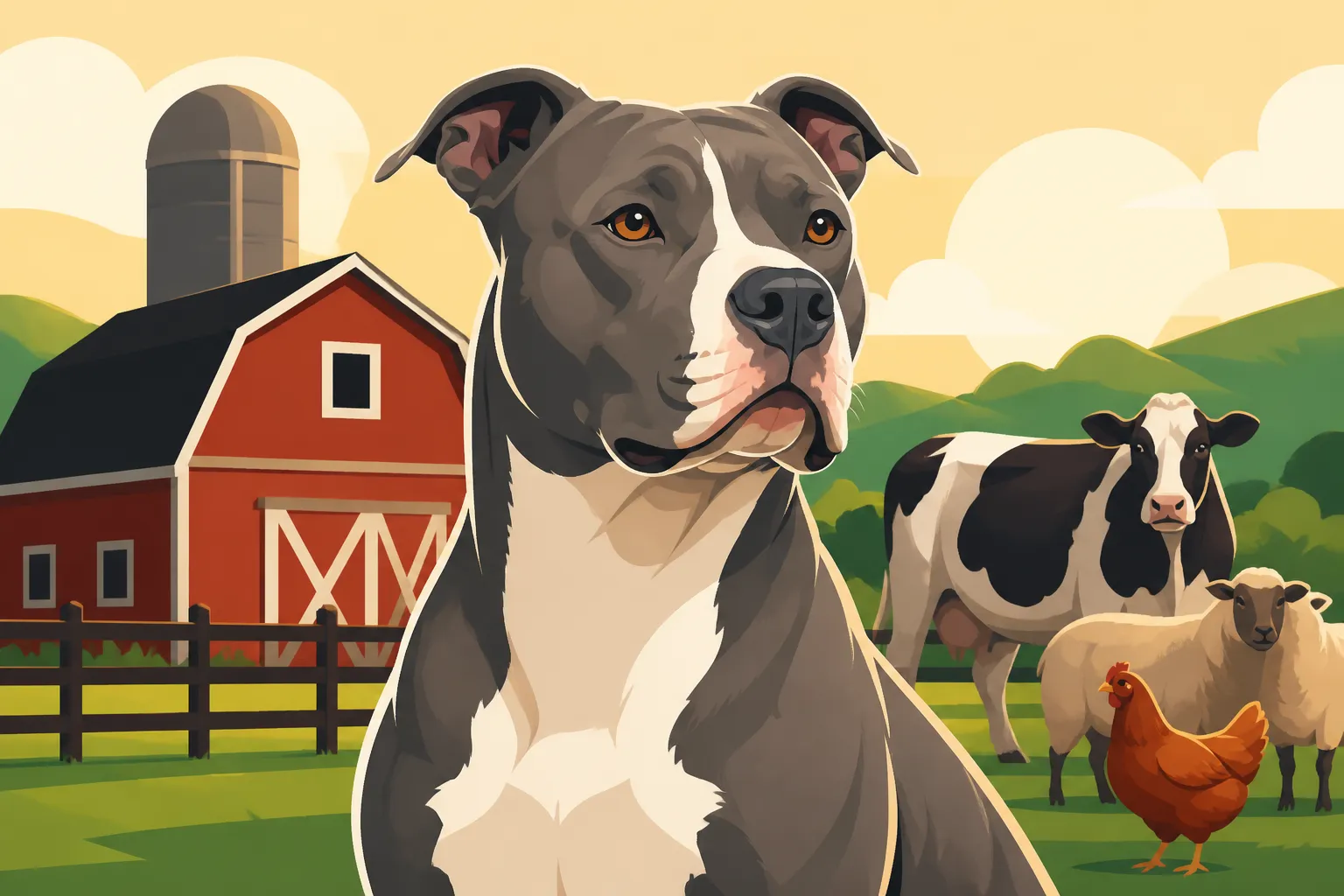
On American farms, Pit Bull type dogs were far more than just guard dogs. Their intelligence, strength, and incredible drive made them versatile partners for farmers facing a myriad of tasks. They were excellent at herding, using their low center of gravity and assertive nature to manage cattle and hogs. Unlike some herding breeds that nip at heels, these dogs often relied on their sheer presence and physical deterrence to guide stubborn livestock. Farmers also relied on them for pest control, where their terrier ancestry shone brightly. They were formidable ratters and could clear barns of vermin that threatened grain stores and spread disease, a critical role in an era without modern pest management. Their protective instincts were also invaluable for guarding chickens, sheep, and other smaller animals from predators like coyotes, foxes, and stray dogs. They were alert and brave, often putting themselves between the farm's livelihood and potential threats. For anyone researching their ancestry, understanding The Bull and Terrier Origin of the Pit Bull is key to appreciating this history.
The All-Around Farm Hand: Adaptability and Drive
What truly set these dogs apart was their remarkable adaptability and relentless drive. A good farm dog needed to be a jack-of-all-trades, capable of switching from one task to another without hesitation. One moment, they might be helping move a herd of cattle, and the next, they'd be quietly guarding the children playing in the yard. Their robust build, combined with their sharp minds, meant they could handle the physical demands of farm work while also understanding complex commands. This wasn't just about brute strength; it was about intelligent application of that strength, combined with an eagerness to please their human companions. They often worked alongside horses and other farm animals, requiring a steady temperament and the ability to distinguish between a threat and a friend. These dogs were quite literally partners in sustaining the farm, deeply embedded in the rhythm of rural life and contributing to its very survival.
Temperament and Traits That Made Them Farm Assets
The traits that make Pit Bull type dogs such cherished family companions today are, in many ways, the very same ones that made them indispensable on American farms. Their strong personalities, combined with their physical prowess, were perfectly suited for the demands of rural living. They weren't just muscle; they were intelligent, loyal, and incredibly resilient.
Guardianship and Loyalty: Protecting the Homestead
One of the most vital roles a Pit Bull type dog played on a farm was that of a guardian. A farmer's home, livestock, and family were their most precious assets, and these dogs provided a powerful layer of protection. They possessed an innate territorial instinct, keenly aware of their property lines and quick to alert their owners to anything out of place. This wasn't necessarily aggressive behavior; it was a deep-seated vigilance. They were watchful, courageous, and utterly devoted to their families. If a stranger approached, their imposing presence and deep bark were usually enough to deter any ill intentions. Yet, once properly introduced and accepted by the family, their loyalty was boundless. They formed incredibly strong bonds, becoming trusted protectors for children and vulnerable livestock alike. This protective instinct is a testament to Pit Bull Temperament and What Testing Shows, which often highlights their stable nature when properly bred and socialized.
Intelligence and Trainability: Beyond the Brawn
It's easy to look at a Pit Bull type dog's muscular physique and focus solely on their strength, but their intelligence and eagerness to learn were just as crucial on the farm. Farmers didn't have time for unruly, untrainable dogs; every animal needed to pull its weight. These dogs were quick studies, capable of understanding and executing complex commands. Their desire to please their owners, combined with a high food or toy drive, made them highly trainable. Whether it was learning to stay within property boundaries, to herd specific animals, or to leave certain areas undisturbed, they absorbed lessons readily. This trainability meant they could adapt to the specific needs of each farm, often without the formal training methods we see today. They learned by observation, by repetition, and through the strong working partnership they developed with their human counterparts. This made them ideal for tasks like search and detection work, even if it was just finding a lost calf, showing their aptitude, as discussed in Pit Bull Type Dogs in Search and Detection Work.
Resilient and Resourceful: Thriving in Hardship
Life on an early American farm was tough, not just for people but for animals too. Dogs needed to be hardy, able to withstand harsh weather, minor injuries, and long hours of work. Pit Bull type dogs fit this bill perfectly. Their short, dense coats provided some protection, and their strong, athletic builds meant they were less prone to the kind of delicate injuries that might sideline other breeds. They were also incredibly resourceful. Many farm dogs lived a more independent life than modern pets, often needing to find their own food, chase off small game, or navigate challenging terrain. This fostered a resilient spirit and a strong problem-solving ability. Their inherent grit, combined with their physical robustness, allowed them to endure and thrive in environments where only the toughest could survive, making them excellent companions for hardworking farmers. For insights into maintaining this robust physique, Pit Bull Weight and Muscle on a Working Frame offers valuable information.
Shifting Roles: From Working Dog to Family Companion
As America transitioned from a predominantly agrarian society to an industrial one, the roles of many working dogs began to change. The need for an all-around farm hand diminished, but the qualities that made Pit Bull type dogs so beloved didn't disappear. Instead, they adapted, moving from the fields to the family home, though not without facing new challenges and misconceptions.
Industrialization and the Decline of Traditional Farm Work
The late 19th and early 20th centuries brought significant changes to American agriculture. Mechanization reduced the need for animal labor, and rural populations began to shift towards urban centers. As farms became larger and more specialized, or as families moved to cities, the demand for versatile farm dogs lessened. While some Pit Bull type dogs continued to work on remaining farms, many found themselves in new environments. They transitioned into roles as beloved family pets in growing suburbs and cities, their inherent loyalty and affectionate nature making them wonderful companions. This period also saw the rise of dog shows and breed clubs, where some lines were refined for conformation, further moving them away from their traditional working roles. However, the legacy of their working past, particularly their strength and determination, continued to define them, sometimes for better, sometimes for worse, leading to misunderstandings, especially regarding the myth of the "nanny dog," which is detailed in What the Pit Bull Nanny Dog Story Rests On.
The Enduring Spirit: Modern Pit Bull Type Dogs in Rural Life
Even today, in more rural and semi-rural areas, Pit Bull type dogs continue to embody the spirit of their working ancestors. While they might not be herding cattle daily, their energy, intelligence, and protective instincts are still highly valued. Many owners in country settings appreciate their natural aptitude for guarding property and their enthusiasm for outdoor activities. They thrive with space to run, explore, and engage their minds. Whether it's accompanying an owner on a long walk through the woods, supervising children playing in a large yard, or simply enjoying the peace of a quiet homestead, modern Pit Bull type dogs still fit beautifully into a rural lifestyle. Their need for exercise and mental stimulation, as covered in Pit Bull Exercise for a Powerful Athletic Dog, makes them excellent companions for active individuals or families who can provide them with an outlet for their boundless energy.
Dispelling Misconceptions: Understanding Their True History
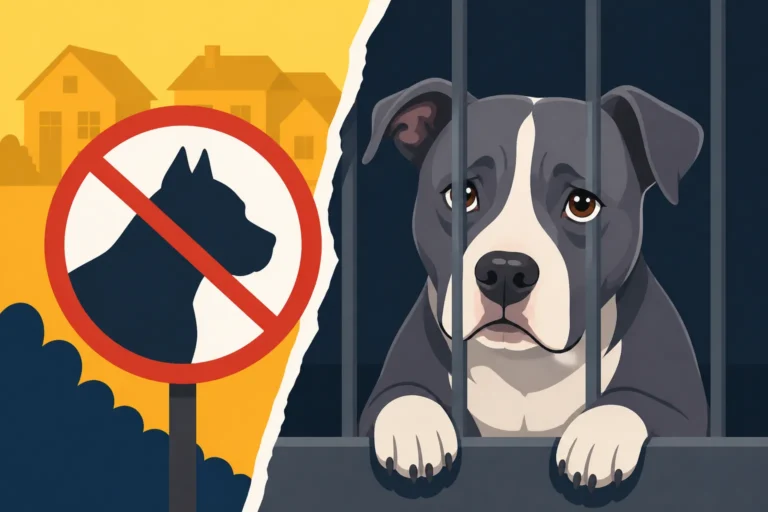
One of the greatest challenges facing Pit Bull type dogs today is the enduring cloud of misconceptions surrounding their temperament and history. The sensationalized stories and breed-specific legislation often ignore their long, positive history as valued working animals and devoted family members. Understanding their role on American farms is crucial to dispelling these myths. It highlights their adaptability, loyalty, and intelligence – traits that are often overlooked in favor of negative stereotypes. By recognizing their past as hardworking farm dogs, we can appreciate the full spectrum of their capabilities and temperaments, moving beyond fear and misinformation. It’s about recognizing that a dog’s history is complex and multifaceted, and that a small, unfortunate part of their past shouldn't overshadow generations of positive contributions.
Supporting a Pit Bull Type Dog in a Modern Rural Setting
Bringing a Pit Bull type dog into any home, especially a rural one, comes with responsibilities. While they thrive in environments with space and opportunity for activity, it's essential to understand their specific needs to ensure they live a happy, healthy, and well-adjusted life. Their active nature and powerful build require thoughtful care, from exercise to nutrition.
Providing Appropriate Exercise and Engagement
A Pit Bull type dog, even a beloved family pet, still carries the drive and stamina of its working ancestors. They are not content to be couch potatoes, especially in a rural setting where sights and smells can trigger their natural curiosity and energy. Regular, vigorous exercise is paramount. This isn't just a quick walk around the block; it means opportunities to run, chase, and explore. Long hikes on trails, supervised off-leash play in secure areas, or even structured activities like flirt pole work can be excellent outlets. Many enjoy playing fetch or tug-of-war, and their intelligence means they also benefit greatly from mental stimulation through training sessions or puzzle toys. For active owners, learning about The Daily Exercise a Pit Bull Actually Needs can help set realistic expectations and ensure your dog gets enough physical activity. Remember that while a large yard is great, it doesn't replace structured exercise and interaction.
Nutrition for an Active Lifestyle
An active Pit Bull type dog, whether on a farm or in a spacious rural home, burns a significant amount of calories and needs a diet that supports their muscular build and energy levels. High-quality dog food with appropriate protein and fat content is crucial. It’s not just about quantity, but quality. For busy farm owners, ordering bulk supplies like specialized treats for training or durable toys that stand up to strong jaws from places like Chewy can be a lifesaver, ensuring you always have what you need on hand. Carefully measuring portions according to their activity level, age, and body condition is important to prevent both obesity and undernourishment. You'll often find that quality food brands, readily available on platforms like Chewy, are formulated to support the nutritional needs of active, muscular dogs. Sometimes, supplements like omega fatty acids can also benefit their skin and coat, especially if they spend a lot of time outdoors. You can read more about balancing their diet in Feeding a Pit Bull to Keep Muscle Without Fat.
Health Considerations for a Farm Dog
Living in a rural environment can expose dogs to different health challenges than those faced by urban pets. Protecting your Pit Bull type dog from parasites like fleas, ticks, and heartworm is especially important when they are frequently outdoors or in contact with other animals. Regular veterinary check-ups are non-negotiable, and discussing regional parasite risks with your vet is vital. Given their athletic build, they can be prone to joint issues later in life, so being mindful of activities that put excessive strain on their joints, especially during puppyhood, is important. Pit Bull Joint and Ligament Injuries is a topic every active Pit Bull owner should understand. For their powerful jaws, ensuring they have appropriate chew toys is important for dental health, but avoid those that are too hard and could crack teeth; more on this can be found in Pit Bull Dental Care Around Hard Chewing. And for those essential health supplies, from flea and tick preventatives to joint supplements, online stores such as Chewy offer a convenient way to keep your dog well-stocked, saving you trips to town. Keeping an eye on their paws for cuts or abrasions from rough terrain is also crucial, as is making sure they have adequate shelter from extreme weather conditions, whether hot or cold.
Here’s a look at some historical tasks and the traits that made Pit Bull type dogs suitable:
| Historical Farm Task | Key Pit Bull Type Traits | Modern Relevance (for active pets) |
|---|---|---|
| Pest Control | High prey drive, tenacity, quickness | Scent work, agility, chasing toys |
| Herding Livestock | Strength, assertiveness, intelligence | Obedience training, impulse control, leadership |
| Property Guarding | Loyalty, territoriality, courage | Alertness, protective of family, good watchdogs |
| Farm Companion | Adaptability, devotion, robust health | Family pet, active companion, resilient |
| Cart Pulling | Strength, endurance, willing nature | Urban mushing, weight pull (supervised), long hikes |
Training for the Rural Pit Bull
Training is crucial for any Pit Bull type dog, but especially so for those living in rural areas where they might encounter livestock, wildlife, or more expansive spaces. Strong recall is absolutely essential, as is solid leash manners, even if they spend a lot of time off-leash on your own property. Their physical strength means that if they do pull on the leash, it can be a real challenge for a handler, highlighting why Pit Bull Leash Manners and Physical Strength is a topic to master early. Consistent positive reinforcement training not only ensures good behavior but also provides vital mental stimulation, channeling their intelligence and drive into productive activities. Early and ongoing socialization with various sights, sounds, and appropriate interactions with other animals is also key to ensuring a well-adjusted dog. This creates a balanced dog that is confident and responsive, whether they're encountering new people on a hiking trail or the neighbor's cows.
Disclaimer
This article is for general informational purposes only and does not constitute professional advice. Laws, prices and regulations vary by location and change over time. Consult a qualified professional for guidance on your specific situation.