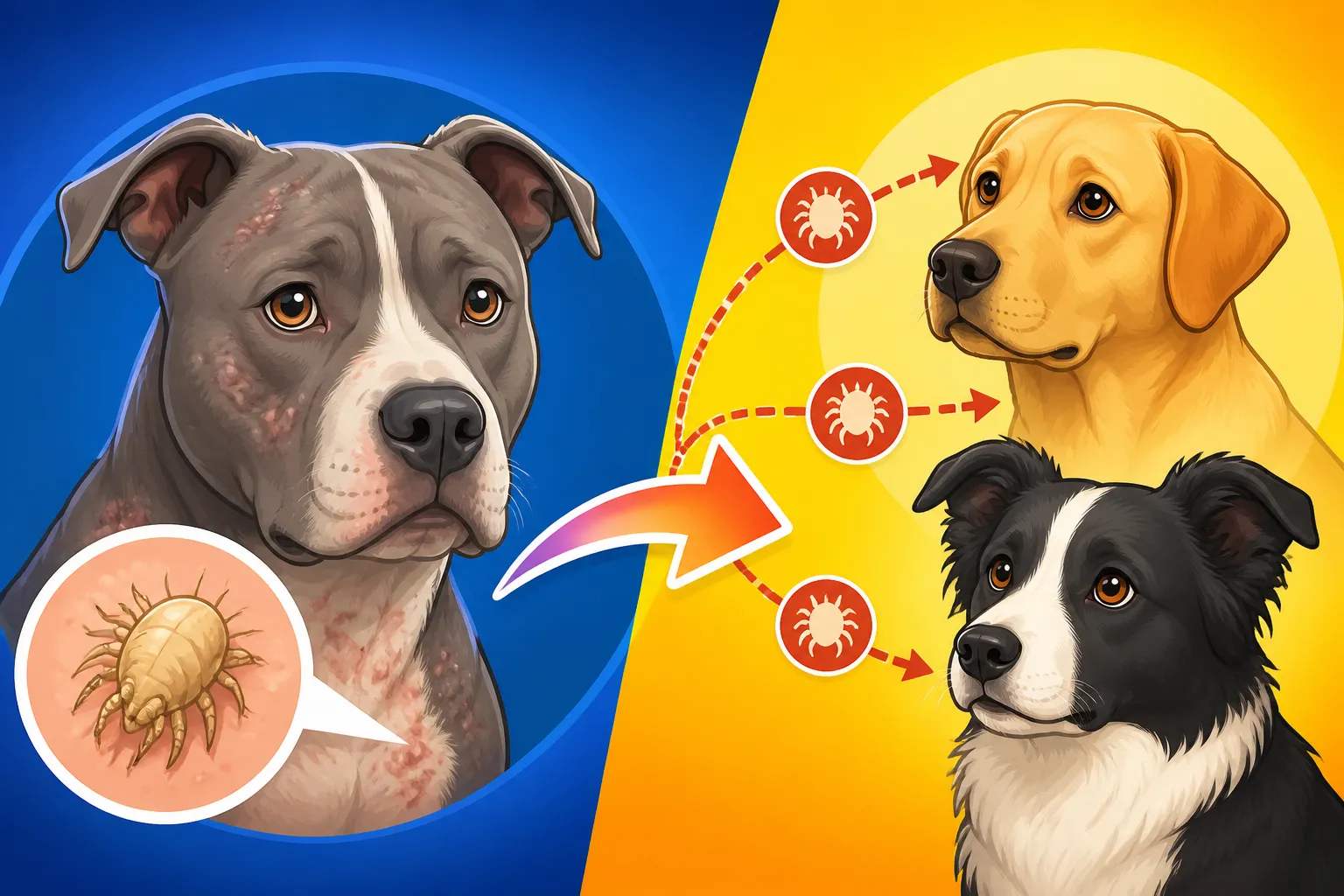
Whether Pit Bull Demodex Spreads to Other Dogs
Finding out your beloved Pit Bull has Demodex mange can be incredibly stressful, and one of the first worries that often pops into our heads, especially if we have other furry family members, is "Oh no, will this spread?" It's a completely natural concern when dealing with a skin condition caused by mites. This guide is here to put your mind at ease and explain the realities of Demodex transmission, helping you understand how to manage it in a multi-dog household.
Understanding Demodex Mange in Pit Bulls
Demodex mange, often simply called "demodectic mange" or "red mange," is a skin condition that can manifest in our canine companions. It's unique in how it operates compared to other more visibly contagious skin issues, which is why there's often so much confusion around it.
What Exactly is Demodex?
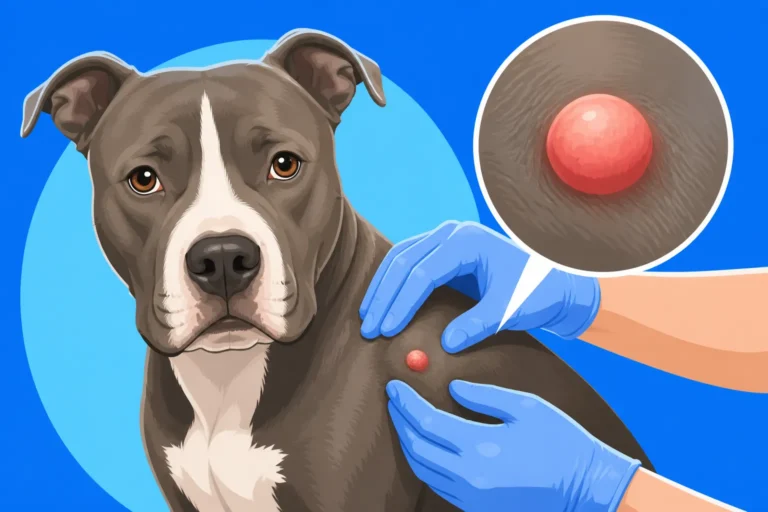
Let's break down what Demodex is first. We're talking about microscopic mites, specifically Demodex canis, that actually live on and in the hair follicles of almost every dog, including Pit Bulls, and even us humans! They're normal residents of the skin microbiome. The problem isn't their presence, but their overpopulation. When a dog's immune system is compromised or immature, these mites can multiply uncontrollably, leading to skin irritation, hair loss, and secondary infections. It's often categorized into localized (small patches) or generalized (widespread) forms. You might notice areas of thinning hair, redness, scaling, or crusting, particularly around the face, eyes, and paws. For a young Pit Bull puppy, you might see these Demodex patches on a Pit Bull face.
The immune system plays a huge role here. In a healthy dog, the immune system keeps the Demodex mite population in check, much like it does with many other microorganisms. But if that balance is thrown off, for example in a very young puppy whose immune system isn't fully developed, or an adult dog with an underlying health issue or significant stress, the mites seize the opportunity to proliferate. It's this internal battle, not an external infestation, that truly defines demodectic mange.
Why Pit Bulls are Often Affected
It’s true that certain breeds, and Pit Bull-type dogs are among them, seem to have a higher genetic predisposition to developing generalized demodectic mange. This isn't because they're inherently "unclean" or more susceptible to picking up mites from the environment; it's often linked to their genetic makeup and immune system responses. Some lines may carry a genetic susceptibility that affects how their immune system controls the Demodex mites. This means that even with the best care, some Pit Bulls might be more prone to an outbreak, especially when they are puppies or young adults whose immune systems are still maturing or facing stress.
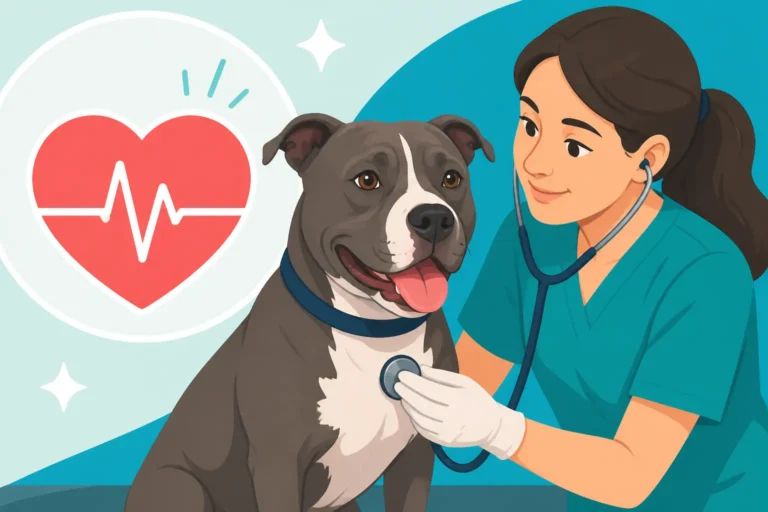
This doesn't mean every Pit Bull will get it, not by a long shot. But if you have a Pit Bull and you start seeing signs like hair loss or skin irritation, it's wise to have your vet check for demodectic mange. They'll typically perform skin scrapings that confirm Pit Bull mange by looking for the mites under a microscope. Understanding this genetic component helps us grasp why it can sometimes seem like certain breeds "catch" it more, when in reality, it's an internal immune response issue.
Is Demodex Contagious to Other Dogs?
This is the big question, and it's where a lot of worry can be alleviated. The short answer, for most practical purposes, is no, demodectic mange is generally not contagious to other dogs in a typical household setting.
The Truth About Transmission
Unlike fleas or certain types of highly contagious mites, Demodex mites are typically transferred from a mother dog to her puppies during the very first few days of nursing. This is a normal, natural process. Puppies need these mites to establish their normal skin flora. An adult dog with a healthy immune system already has Demodex mites living on them in small numbers, and their immune system is perfectly capable of keeping any additional mites they might encounter (which are generally not transmitted by casual contact anyway) in check.
So, if one of your Pit Bulls develops demodectic mange, it’s not usually a sign that your other dogs are at risk of "catching" it in the same way they might catch a cold or fleas. The condition arises from an individual dog's compromised immune system, allowing its own resident Demodex mites to overgrow, rather than picking up new mites from an infected companion. You don't need to separate your dogs or sterilize your home environment beyond regular cleaning. The key factor is the host's immune system, not external transmission.
Distinguishing Demodex from Sarcoptic Mange
This distinction is absolutely critical because there's another type of mange that is highly contagious, and it's easy for owners to confuse the two. We're talking about sarcoptic mange, also known as "scabies." While Demodex mites live naturally on dogs and only cause problems when they overpopulate, sarcoptic mites (Sarcoptes scabiei) are parasites that burrow into the skin and cause intense, relentless itching and irritation.
Sarcoptic mange is extremely contagious and can spread rapidly among dogs, and even to humans (though it's usually a transient irritation for us). If you have a dog with intense, sudden, and widespread itching, especially if it seems to be affecting other pets or even family members, your vet will want to rule out sarcoptic mange first. The diagnosis involves different tests, though skin scrapings are often used for both. So, while Demodex doesn't spread, if you suspect mange, it's vital to let your vet determine whether it's Sarcoptic Mange Against Demodex in a Pit Bull or the more common demodectic form. This clarification is essential for appropriate treatment and to prevent unnecessary worry or isolation of your affected dog.
Managing a Pit Bull with Demodex in a Multi-Dog Home
Even though Demodex isn't contagious, having a dog with any significant health issue, especially one that affects their skin and comfort, impacts the whole household. It’s about creating an environment where your affected Pit Bull can heal and thrive, while also ensuring all your dogs maintain good health.
Reducing Stress and Supporting Immunity
Stress, whether physical or emotional, can indeed put a strain on a dog's immune system. Think about it: a new dog, a move, loud noises, or even significant changes in routine can cause stress. If your Pit Bull is already predisposed to Demodex, managing stress becomes even more important. This means providing a consistent routine, a safe and quiet space to retreat, regular exercise (but not over-exertion), and plenty of positive reinforcement. For instance, if you have a bustling household, ensuring your Pit Bull has a comfortable, quiet crate that they view as their sanctuary can make a world of difference.
Good nutrition is another cornerstone of a strong immune system. Feeding a high-quality, balanced diet provides the essential nutrients needed for overall health, including skin and coat integrity. Sometimes, your vet might recommend specific supplements, such as omega-3 fatty acids, to support skin health, especially if your Pit Bull has a sensitive stomach or other underlying issues. Just like with humans, a happy, healthy dog is generally a more resilient dog, better equipped to keep those Demodex mites in check.
Monitoring Other Dogs for Signs
While you don't need to panic about contagion, it's always good practice to keep a watchful eye on all your dogs, regardless of whether one has Demodex. Pay attention to any new or unusual skin changes, scratching, or hair loss on your other dogs. Remember, every dog has Demodex mites; the issue is an immune system unable to control them. If another dog in your household were to develop Demodex, it would likely be due to their own individual immune system compromise, not because they "caught" it from your affected Pit Bull.
This monitoring isn't about fear of transmission, but rather about proactive health management for all your pets. Early detection of any health issue, Demodex or otherwise, always leads to better outcomes. Maintain regular vet checkups for all your dogs, ensure they're on a year-round parasite cover for a Pit Bull, and don't hesitate to bring up any new concerns with your veterinarian.
Prevention and Long-Term Care for Demodex
Dealing with Demodex mange can be a long road, but with consistent care and a proactive approach, many Pit Bulls recover fully. The focus shifts from merely treating the symptoms to strengthening the dog's overall health and preventing future flare-ups.
Genetic Screening and Responsible Breeding
Given the genetic component associated with generalized demodectic mange in breeds like Pit Bulls, responsible breeding practices are incredibly important. Reputable breeders will often screen their breeding stock and avoid breeding dogs that have had generalized demodectic mange or have produced affected puppies. This helps reduce the incidence of the condition in future generations. If you're considering getting a Pit Bull puppy, asking about the health history of the parents and whether any Demodex has appeared in previous litters is a crucial step. A good breeder should be transparent and open about What Testing a Pit Bull Breeder Should Have Done.
This isn't to say that if your Pit Bull developed Demodex, their breeder was necessarily irresponsible; sometimes, these things just happen. But supporting breeders who prioritize health and genetic screening contributes to a healthier future for the breed as a whole. It's about minimizing the risk factors we can control.
Nutritional Support and Parasite Prevention
A balanced, high-quality diet forms the foundation of a strong immune system, which is your Pit Bull’s best defense against Demodex mite overgrowth. Look for foods with good sources of protein, healthy fats (like omega-3s for skin and coat health), and essential vitamins and minerals. Sometimes, a vet might recommend a specific diet, especially if there are concurrent issues like food allergies behind Pit Bull itching.
Beyond diet, consistent parasite prevention is key. While oral or topical parasiticides are primarily aimed at fleas, ticks, and intestinal worms, some newer medications used for year-round parasite control for a Pit Bull also effectively treat and prevent Demodex. Your veterinarian can recommend the best long-term solution, which often includes a monthly chewable or topical treatment. Products like Bravecto, NexGard, and Simparica are commonly prescribed and have shown great efficacy against Demodex mites, often leading to a quicker and more complete resolution of the condition.
It’s also wise to consider pet insurance from a provider like Healthy Paws. While it doesn't prevent Demodex, having coverage can significantly ease the financial burden of unexpected veterinary visits, diagnostics, and long-term medication needed for managing conditions like generalized demodectic mange or other Pit Bull Skin Allergies and the Atopy Pattern. Being prepared for potential health challenges means you can focus on what's best for your dog without added stress about the cost.
Environmental Management and Hygiene
While Demodex isn't spread from the environment, maintaining a clean living space is always beneficial for your dog's overall health and to minimize other potential irritants. Regular cleaning of bedding, washing toys, and general house cleanliness can reduce allergens and other factors that might contribute to skin issues or stress. If your Pit Bull is undergoing treatment, keeping their environment clean helps prevent secondary bacterial or yeast infections from taking hold in compromised skin.
For dogs prone to skin issues, simple measures like wiping a Pit Bull down after grass walks, especially during allergy season, or using specific medicated baths for a Pit Bull with Atopy as prescribed by your vet, can help manage their skin health. These aren't direct Demodex treatments, but they contribute to a healthier skin barrier and overall well-being, which supports the immune system's ability to keep Demodex in check.
Comparative Table: Demodectic vs. Sarcoptic Mange
| Feature | Demodectic Mange (Demodex) | Sarcoptic Mange (Scabies) |
|---|---|---|
| Causative Mite | Demodex canis | Sarcoptes scabiei |
| Contagion | Not typically contagious to other dogs/humans | Highly contagious to other dogs, can infect humans temporarily |
| Mite Location | Hair follicles and sebaceous glands | Burrows into the skin |
| Symptoms | Hair loss (often patchy), redness, scaling, secondary infection; usually non-itchy initially, can become itchy with infection | Intense, relentless itching, redness, scabs, crusting, self-trauma; often affects ears, elbows, hocks, abdomen |
| Onset | Often in puppies/young dogs (immunocompromise) or older dogs with underlying issues | Can affect dogs of any age, usually acute onset |
| Diagnosis | Deep skin scrapings (mites found) | Superficial skin scrapings (mites hard to find), sometimes response to treatment is diagnostic |
| Treatment | Specific parasiticides (oral/topical), often long-term; addressing underlying immune issues | Specific parasiticides (oral/topical), environmental treatment may be less crucial but still good practice |
| Prognosis | Good with consistent treatment and addressing underlying cause | Good with consistent treatment |
Final Thoughts on Demodex in Multi-Dog Homes
It’s completely understandable to worry when one of your dogs, especially your strong and stoic Pit Bull, faces a health challenge like Demodex mange. The good news is that you don’t typically have to worry about it spreading to your other dogs. Focus your energy on supporting the affected Pit Bull's immune system, adhering to their treatment plan, and maintaining a healthy, low-stress environment for all your pets. With consistent care and veterinary guidance, your Pit Bull can make a full recovery, and your multi-dog household can continue to thrive together.
Disclaimer
This article is intended for informational purposes only and does not constitute veterinary advice. Always consult with a qualified veterinarian for any health concerns or before making any decisions related to your pet's care.