Skin Scrapings That Confirm Pit Bull Mange
That persistent itching and the sight of your beloved Pit Bull relentlessly scratching, chewing their paws, or developing angry red patches on their skin can be incredibly distressing. You know something’s wrong, but trying to pinpoint the exact cause amidst all the possibilities – allergies, infections, or parasites – feels like a never-ending detective mission. This guide is here to walk you through one of the most crucial diagnostic tools for one common culprit: mange, and how a simple skin scraping can finally give you the answers you need to get your furry friend relief.
Understanding Mange in Pit Bulls and Why a Skin Scraping Matters
When your Pit Bull starts showing signs of skin irritation, it's easy to jump to conclusions, or worse, feel utterly helpless. The strength and resilience of these dogs sometimes makes us forget how sensitive their skin can be, and how quickly an issue can escalate. Mange is a prime example of a skin condition that, if left undiagnosed and untreated, can cause immense discomfort and lead to secondary problems.
The Frustration of an Itchy Pit Bull
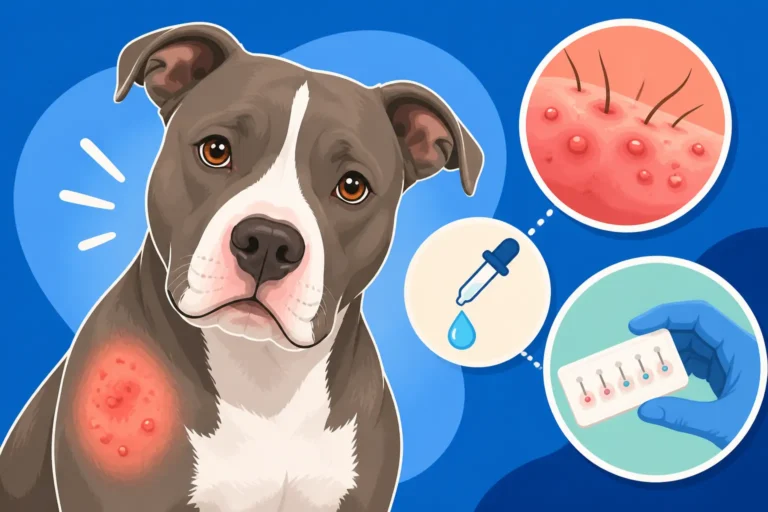
The scene is probably all too familiar: your Pit Bull constantly scratches behind their ears, rubs their face on the carpet, or chews so intently at their paws that you worry they’ll break the skin. You might notice thinning hair, small bumps, or patches of redness, especially around the elbows, hocks, and belly. It's heartbreaking to watch them suffer, and the constant itching can even disrupt their sleep and yours. Many owners initially assume it's just allergies, perhaps seasonal irritation or a reaction to something new in their food, especially since Pit Bulls are prone to conditions like Pit Bull Skin Allergies and the Atopy Pattern. You try different shampoos, switch foods, or even give them over-the-counter itch relief, only to find the problem persists or returns with a vengeance.
This cycle of trying remedies without a definitive diagnosis can be incredibly frustrating and expensive. Without knowing precisely what you're fighting, you're essentially shooting in the dark. That's where a proper veterinary examination, including specific diagnostic tests like a skin scraping, becomes absolutely indispensable. It's the moment you can stop guessing and start treating effectively, targeting the actual microscopic invaders that are making your Pit Bull miserable.
Demodectic Mange Versus Sarcoptic Mange
When we talk about "mange," it’s not just one thing; there are two primary types caused by different mites that affect dogs, and they behave very differently. Knowing which one you're dealing with is critical for proper treatment.
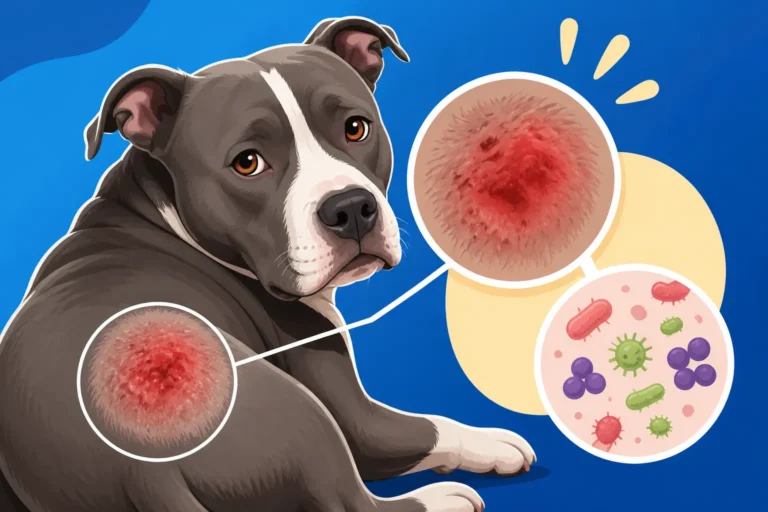
Demodectic Mange (Red Mange) is caused by Demodex canis mites. These mites are actually a normal part of your dog's skin microbiome, living harmlessly in their hair follicles. Most dogs have them and never develop symptoms. However, in Pit Bulls with compromised or underdeveloped immune systems (especially puppies or adolescents), or those with underlying health issues, these mites can multiply uncontrollably, leading to hair loss, redness, and sometimes secondary skin infections. This type of mange is generally not considered contagious to other animals or humans, as it requires a specific immune susceptibility for the mites to overgrow. You might notice localized patches, often around the face or front legs, or it can become generalized, affecting larger areas of the body. If you suspect this is the case, it's worth exploring Demodex Mange in a Pit Bull.
Sarcoptic Mange (Scabies), on the other hand, is caused by Sarcoptes scabiei mites. These are the troublemakers. Unlike Demodex, Sarcoptes mites burrow into the superficial layers of the skin, causing incredibly intense itching, redness, crusting, and severe hair loss. This type of mange is highly contagious to other dogs, and even to humans (though it usually resolves on its own in people, as the mites can't complete their lifecycle on us). The itching with Sarcoptic mange is typically far more severe than with Demodex, often leading to obsessive Pit Bull Paw Licking and Chewing or constant scratching, sometimes so much so that they injure themselves. Distinguishing between these two can be tricky based on symptoms alone, which is why a skin scraping is so important. Often, a vet might even perform a "pinnal-pedal reflex" test – rubbing the edge of your Pit Bull's ear and seeing if they reflexively scratch with their hind leg, a classic sign of sarcoptic mange. This is also a good read on Sarcoptic Mange Against Demodex in a Pit Bull.
The Skin Scraping Procedure: What to Expect at the Vet
Getting a clear diagnosis is the first and most crucial step towards relief for your Pit Bull. While the idea of a "skin scraping" might sound a bit intimidating, it’s a relatively quick, minimally invasive, and often definitive procedure performed right in your vet’s office.
Preparing for the Visit and Initial Examination
When you notice your Pit Bull is itchy, red, or losing hair, the best thing you can do is schedule a vet appointment promptly. Before the visit, try to resist the urge to bathe your dog with medicated shampoos or apply strong topical treatments, as this can sometimes wash away or disturb the mites, making them harder to find during the scraping. Jot down any details you've observed: when the itching started, where it's worst, if it seems to be spreading, and any previous treatments you've tried. This information is invaluable to your veterinarian.
Upon arrival, your vet will perform a thorough physical examination, paying close attention to your Pit Bull's skin and coat. They’ll look for common signs like excessive scratching, crusts, scales, redness, pustules, and areas of hair loss. They'll also assess for any secondary bacterial or yeast infections, which often go hand-in-hand with mange due to the skin barrier being compromised. The distribution of lesions can give clues; for example, irritation in the Pit Bull Skin Fold and Belly Irritation areas might point to one type of issue, while extreme itchiness on the ear edges suggests another. Based on their findings and your history, the vet will determine if a skin scraping is the most appropriate next step, or if other diagnostics like allergy tests or fungal cultures are also warranted. This thorough approach is why having good pet insurance, like a plan from Healthy Paws, can be incredibly helpful for covering these initial diagnostic costs.
The Scraping Process Step-by-Step
The skin scraping itself is a relatively straightforward procedure. Here's generally what happens:
- Site Selection: Your vet will identify areas of skin that show typical lesions – usually where there's hair loss, scaling, or redness. They might select several spots to increase the chance of finding mites.
- Preparation: The hair over the selected area might be clipped short to ensure good contact with the skin. Then, a drop of mineral oil will be placed on the skin and on a dull scalpel blade. The mineral oil helps to collect the mites as they are scraped from the skin, preventing them from falling off the blade and onto the floor.
- The Scraping: For Demodex mites, which live deep within the hair follicles, the vet will gently but firmly pinch the skin to extrude the mites from the follicles. Then, they will scrape the skin with the dull scalpel blade in the direction of hair growth until capillary bleeding (tiny pinpricks of blood) is seen. This depth is necessary because Demodex mites reside deep within the hair follicles. For Sarcoptes mites, which are more superficial but notoriously elusive, the scraping might be less deep, focusing on crusted or very itchy areas, particularly the ear margins, elbows, and hocks. It's important to stress that the blade is dull; this isn't meant to cut or seriously injure your dog, just to collect superficial skin cells.
- Collection: The material collected on the blade, suspended in the mineral oil, is then transferred to a microscope slide.
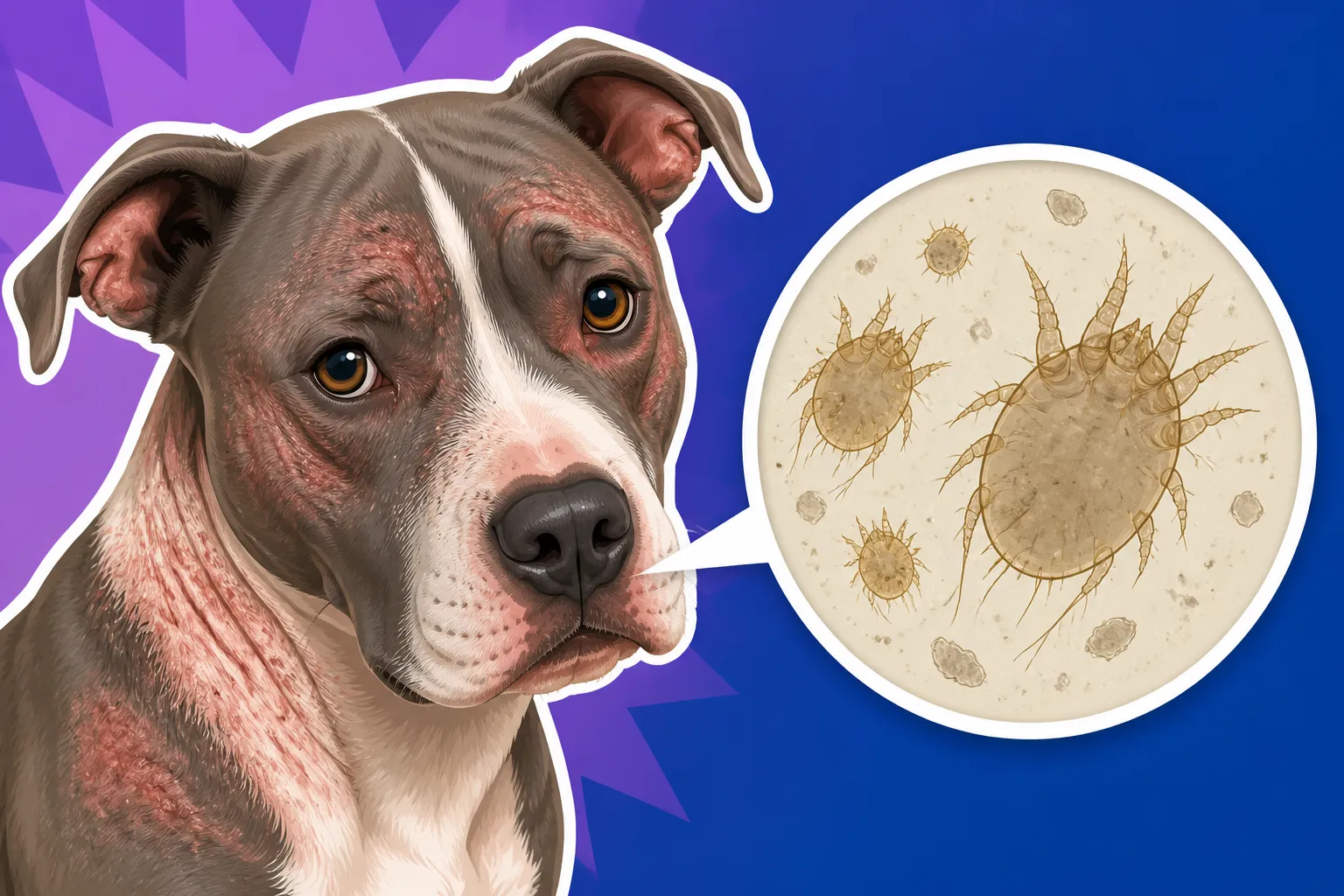
- Microscopic Examination: The slide is examined under a microscope, usually right there in the clinic. The vet will be looking for the characteristic shapes of Demodex mites (cigar-shaped) or Sarcoptes mites (round with short legs). They'll also look for mite eggs or larvae.
While the procedure can be a little uncomfortable for your Pit Bull, especially the pinching involved for deep scrapings, it’s rarely painful enough to require sedation. Most dogs tolerate it very well, often with just a little distraction and reassurance from their owner.
Microscopic Examination and Immediate Results
One of the great advantages of a skin scraping is that the results are often immediate. Your vet can prepare the slide and examine it under the microscope while you wait, sometimes even showing you the mites if you're curious enough to peek!
What the Vet is Looking For:
- Demodex Mites: These are relatively easy to find when present, especially during deep scrapings. They are distinct, elongated, cigar-shaped mites with eight short legs clustered near the head. Finding even a few can confirm Demodectic mange.
- Sarcoptes Mites: These are the tricksters. They are smaller, rounder, and much harder to find because they burrow deep and are often few in number on the skin surface. It's not uncommon for a dog with classic Sarcoptic mange symptoms to have one or even several negative skin scrapings. This doesn't necessarily rule out Sarcoptes; it just means the mites weren't caught in the sample.
If mites are identified, you'll have a clear diagnosis, and your vet can immediately discuss a treatment plan. However, a negative scraping doesn't always mean your Pit Bull is in the clear. If Sarcoptic mange is strongly suspected based on clinical signs (intense itch, contagious nature, distribution of lesions), your vet might recommend an "empirical treatment" – essentially, treating for Sarcoptic mange even without seeing the mites, because the treatment is relatively safe and effective, and relief from symptoms will often confirm the diagnosis retrospectively. The journey to figuring out Telling Demodex From an Allergy in a Pit Bull can sometimes involve multiple tests or trial treatments, which is why having reliable pet insurance can be a huge relief, helping manage the costs of ongoing diagnostics.
Interpreting the Results and Moving Forward with Treatment
Once you have the results from the skin scraping, whether positive or negative, you'll be able to move forward with a targeted plan to help your Pit Bull find relief. This stage is about understanding the diagnosis and committing to the treatment protocol.
Positive Diagnosis and Treatment Planning
If your Pit Bull's skin scraping reveals Demodex mites, the good news is that it's a very treatable condition. Treatment typically involves oral medications, often in the isoxazoline class (like Bravecto, NexGard, or Simparica), which are highly effective at killing the mites. In some cases, medicated dips or shampoos might be prescribed, particularly for generalized cases or those with secondary infections. A crucial aspect of treating Demodectic mange is the need for follow-up skin scrapings. Your vet will usually schedule these every few weeks or months until two consecutive scrapings come back completely clear of mites. This ensures that the treatment has fully eradicated the infestation, rather than just reducing the mite population to below symptomatic levels. For particularly stubborn or generalized cases, your vet might also explore potential underlying immune issues that allowed the mites to proliferate, as discussed in Whether Pit Bull Demodex Means a Weak Immune System.
For Sarcoptic mange, treatment is also highly effective with modern medications, again often involving oral isoxazolines or topical spot-on treatments. The key difference here is the contagious nature of Sarcoptes mites. If your Pit Bull is diagnosed with Sarcoptic mange, all other dogs (and sometimes cats) in the household, and any dogs your Pit Bull has been in close contact with, should be treated simultaneously, even if they aren't showing symptoms. You'll also need to thoroughly clean and decontaminate your home environment, washing bedding, collars, and frequently vacuuming to remove any mites that may have fallen off. Adhering strictly to the treatment schedule is vital to break the mite lifecycle and prevent reinfection. While managing the costs of treatment, including medications and follow-up visits, having comprehensive pet insurance from a provider like Healthy Paws can significantly ease the financial burden of Pit Bull Allergy Treatment as a Recurring Bill and other health issues.
When Skin Scrapings Are Negative But Mange Is Still Suspected
It's a frustrating scenario: your Pit Bull is still incredibly itchy, showing all the classic signs, but the skin scraping came back negative. This is a common occurrence, particularly with Sarcoptic mange. As mentioned, Sarcoptes mites are notoriously difficult to find on a scraping because they burrow deep and are present in low numbers.
In such cases, your vet might recommend a therapeutic trial or empirical treatment. This means they'll prescribe medication specifically for Sarcoptic mange, even without a positive microscopic identification. If your Pit Bull shows significant improvement within 1-2 weeks of starting the treatment, it strongly suggests that Sarcoptic mange was indeed the culprit. This approach is often chosen because the medications for Sarcoptes are effective, safe, and less invasive than other diagnostic options like skin biopsies, which are usually reserved for very complex cases. Other differentials might also be considered, such as severe flea allergy dermatitis, environmental allergies (atopy), or food allergies, but the intense, often sudden onset itchiness of Sarcoptic mange usually guides the vet to this empirical treatment first. If your Pit Bull continues to suffer from issues like Pit Bull Hot Spots and Secondary Infection, even after suspected mange treatment, further investigation into allergies might be needed.
Long-Term Management and Preventing Recurrence
For Demodectic mange, successful long-term management often involves understanding the underlying cause. In puppies and young dogs, localized Demodex often resolves on its own or with initial treatment as their immune system matures. For generalized Demodex in adult Pit Bulls, your vet might recommend further diagnostics to check for underlying health conditions (like thyroid issues, Cushing’s disease, or certain cancers) that could be suppressing the immune system and allowing the mites to flourish. Regular preventative parasite control is also key.
For Sarcoptic mange, once successfully treated, recurrence is usually due to re-exposure to infected animals or incomplete environmental decontamination. Consistent year-round parasite prevention, which often covers Sarcoptes mites, is essential to prevent future infestations. Maintaining overall skin health through appropriate diet, regular grooming, and Medicated Baths for a Pit Bull With Atopy can also help bolster your Pit Bull’s natural defenses. Healthy Paws pet insurance is an excellent resource for planning for these ongoing health management costs, as consistent care is often the best prevention for many conditions that affect our strong but sensitive Pit Bulls.
| Mange Type | Causing Mite | Key Characteristics | Diagnosis via Skin Scraping | Treatment Approach |
|---|---|---|---|---|
| Demodectic | Demodex canis | Not usually contagious, localized or generalized, often immune-related, non-itchy to moderately itchy, starts in hair follicles | Deep skin scraping (skin squeezed to extrude mites from follicles), mites are cigar-shaped and relatively easy to find when present | Oral medications (e.g., isoxazolines), dips, medicated shampoos; follow-up scrapings until clear |
| Sarcoptic | Sarcoptes scabiei | Highly contagious, intensely itchy, often starts on ears/elbows/hocks, burrows into superficial skin; "pinnal-pedal reflex" often positive | Superficial skin scraping (often difficult to find mites, false negatives common due to low numbers) | Oral medications (e.g., isoxazolines), topical spot-ons; treat all exposed animals; environmental cleaning; empirical treatment common |
Taking your Pit Bull for a skin scraping can feel like another step in a long, confusing process when they're suffering from skin issues. But remember, this simple diagnostic tool is often the turning point, providing clarity and allowing you to start effective treatment. With patience, persistence, and your vet's guidance, you can get your Pit Bull back to being comfortable, happy, and itch-free.
Disclaimer
The information provided in this guide is for general educational purposes only and should not be considered a substitute for professional veterinary advice. Always consult with a qualified veterinarian for any health concerns or before making any decisions related to your Pit Bull's care.