Cerebellar Ataxia in an American Staffordshire Terrier
Watching your beloved American Staffordshire Terrier stumble, lose their balance, or develop an uncoordinated gait can be incredibly distressing. It's heartbreaking to see their vibrant energy diminish, knowing something isn't quite right. This guide aims to shed light on cerebellar ataxia in AmStaffs, a neurological condition that specifically affects this wonderful breed, helping you understand its signs, diagnosis, and how you can best support your furry family member.
Understanding Cerebellar Ataxia in American Staffordshire Terriers
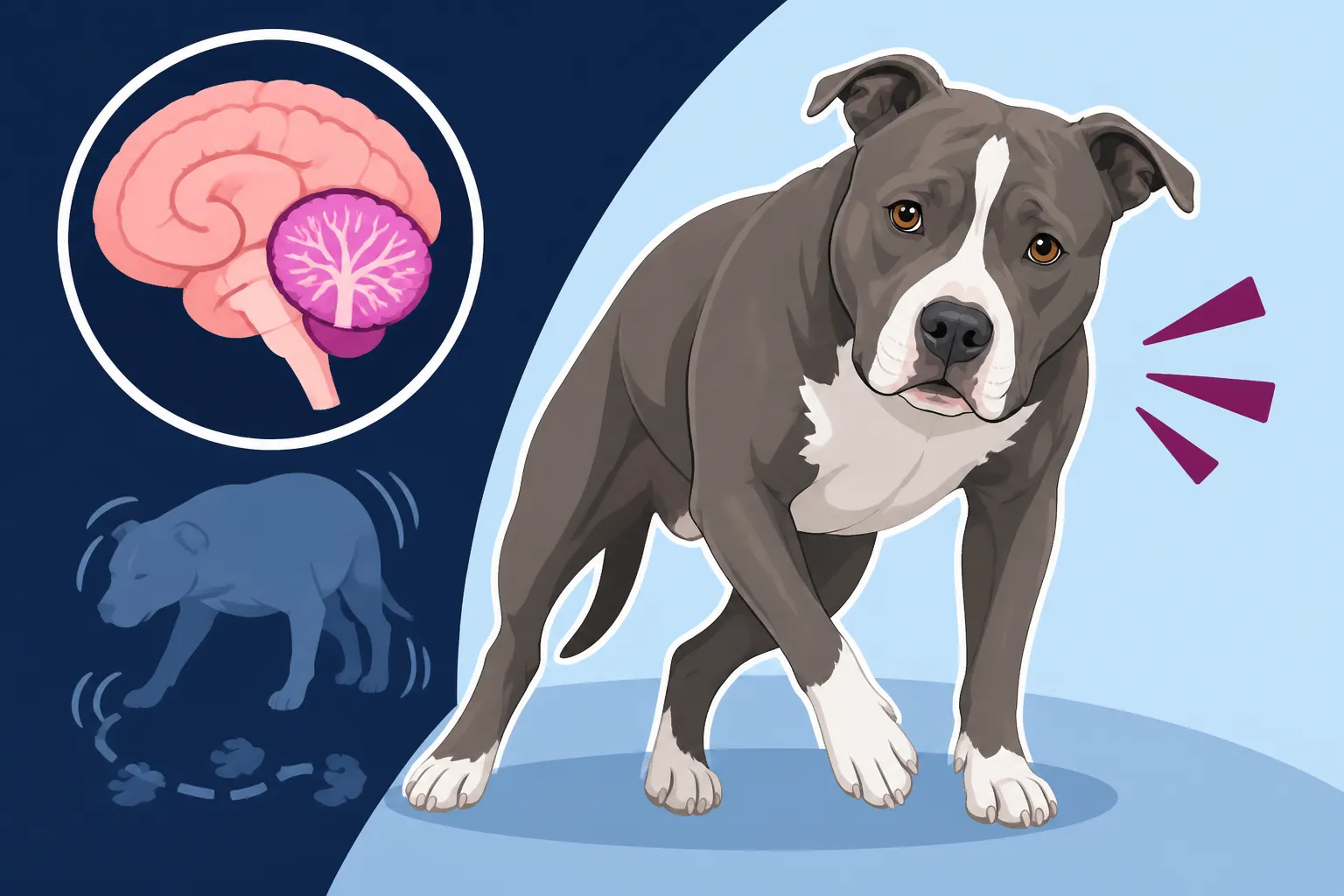
Cerebellar ataxia is a term that strikes fear into the hearts of many dog owners, especially those with American Staffordshire Terriers. It's a progressive neurological disorder that specifically impacts the cerebellum, the part of the brain responsible for coordinating voluntary movements, balance, and fine-tuning motor skills. When the cerebellum isn't functioning correctly, the results are often dramatic and deeply affecting for the dog and their family.
What is Cerebellar Ataxia?
Ataxia itself simply means "lack of coordination," and when it's cerebellar ataxia, it points directly to issues with the cerebellum. Imagine trying to walk a straight line after spinning around vigorously – that's a bit like what a dog with ataxia experiences, but constantly. Their brain sends signals to their muscles, but those signals aren't being properly modulated or coordinated, leading to clumsy, exaggerated, and often unstable movements. It's not a weakness in the muscles themselves, but a miscommunication in the brain that prevents smooth, precise action. For an active, powerful breed like the AmStaff, this loss of coordination can be particularly devastating, affecting everything from a simple walk to eating their dinner.
Why AmStaffs are Prone to This Condition
Sadly, American Staffordshire Terriers have a genetic predisposition to a specific type of cerebellar ataxia, often linked to a mutation in the NCL-A gene (Neuronal Ceroid Lipofuscinosis Type A). This particular form is known as NCL-A ataxia, and it's inherited in an autosomal recessive pattern. This means that a dog must inherit two copies of the defective gene (one from each parent) to develop the disease. If they inherit only one copy, they are considered a "carrier" and won't show symptoms, but they can pass the gene on to their offspring. The tragic part is that carriers look perfectly healthy, making it a silent threat in breeding lines if proper genetic testing isn't done. The onset of symptoms can vary, but for NCL-A, it typically manifests in early to middle adulthood, usually between 3 and 5 years of age, though some forms can appear earlier in puppyhood or later in life. This genetic link is why responsible breeders focus so heavily on understanding a dog's lineage and genetic health. For more on this, you might find our guide on What Testing a Pit Bull Breeder Should Have Done helpful.
Differentiating Ataxia from Other Neurological Issues
When your AmStaff starts showing coordination problems, it’s natural to feel a mix of fear and confusion. It's important to remember that ataxia is a symptom, not a diagnosis in itself, and it can stem from various causes beyond cerebellar issues. For instance, sometimes a dog might seem ataxic due to severe pain from an orthopedic issue, like a serious Pit Bull Hip Dysplasia Showing at One to Two Years or a Cruciate Ligament Tears in a Muscular Pit Bull. Inner ear infections, which can cause severe dizziness and loss of balance, can also mimic ataxia. Then there are other neurological conditions that might present with similar symptoms, such as spinal cord compression, brain tumors, strokes, or even certain toxins. This is why a thorough veterinary examination, including a detailed neurological assessment, is absolutely critical. A vet will look for specific signs that point to the cerebellum, like intention tremors (shaking that gets worse as the dog tries to perform a task), dysmetria (over- or under-shooting movements), and truncal sway, which help distinguish cerebellar ataxia from other conditions that cause wobbliness or weakness.
Recognizing the Signs and Early Onset
Identifying cerebellar ataxia can be challenging, especially in its early stages. Many owners might initially dismiss subtle signs as clumsiness or just an "off day" for their usually energetic AmStaff. However, knowing what to look for can make a significant difference in seeking timely veterinary attention and getting a diagnosis.
Common Symptoms and Their Progression
The signs of cerebellar ataxia can vary in severity and progression, but they generally revolve around a lack of coordination and balance. One of the most common early indicators is a "goose-stepping" or high-stepping gait, especially in the front legs, where your dog might lift their paws higher than necessary. You might notice them swaying excessively when standing still, or taking wide, uncoordinated steps, as if they are constantly trying to catch their balance. Head tremors, particularly when they are trying to focus on something or eat from a bowl, are another classic sign. Their eyes might dart rapidly side-to-side (nystagmus), and they might struggle with depth perception, misjudging steps or bumping into furniture. As the condition progresses, these symptoms become more pronounced, leading to difficulty navigating stairs, jumping onto furniture, or even maintaining balance while eating or drinking. It becomes heartbreakingly clear that their once-fluid movements are now a struggle.
| Symptom Category | Early Signs | Progressive Signs |
|---|---|---|
| Gait & Movement | High-stepping gait, slight swaying, clumsy steps | Severe uncoordination, staggering, frequent falls, inability to walk straight |
| Balance | Mild loss of balance, leaning, wide stance | Significant truncal sway, unable to stand still, falling over easily |
| Head & Eye | Subtle head tremors (especially with focus) | Pronounced head bobbing, intention tremors, rapid eye movements (nystagmus) |
| Coordination | Misjudging distances, bumping into objects | Difficulty eating/drinking, overshooting targets, struggle with stairs |
| Behavioral Changes | Mild disorientation, frustration | Increased anxiety, reluctance to move, dependence on owner |
When Symptoms Typically Appear
For the NCL-A form of cerebellar ataxia common in American Staffordshire Terriers, symptoms most often begin to surface in young to middle adulthood, typically between three and five years of age. This can be particularly heartbreaking because it's usually when your AmStaff is in the prime of their life, full of vigor and personality. Imagine your strong, athletic dog, who once loved long hikes or vigorous games of fetch, suddenly struggling to even walk a straight line across the living room floor. Early onset forms, linked to other genetic mutations, can appear in puppies as young as 3-5 months, presenting as a failure to thrive developmentally in coordination. On the other end, some late-onset forms might not show until much later, when a dog is approaching their senior years. The variability makes it tricky, but the key is to pay close attention to any changes in your dog's movement, no matter how subtle they seem at first.
The Impact on Your Dog's Daily Life
The progression of cerebellar ataxia significantly impacts every aspect of an AmStaff's daily existence. What was once effortless becomes a monumental task. Eating and drinking can become messy and frustrating as they struggle with head tremors and coordination, often overshooting the bowl or knocking it over. Playing fetch, a quintessential joy for many Pit Bulls, becomes impossible. Navigating stairs can become a dangerous endeavor, leading to falls and potential injury. Even simple acts like getting up from a lying position or turning around can require immense effort and concentration.
This physical struggle often takes a toll mentally too. Dogs are incredibly adaptable, but the inability to perform basic functions can lead to frustration, anxiety, and a noticeable decrease in their overall quality of life. Owners often report their once-independent dogs becoming more clingy, hesitant, or even withdrawn. It’s a constant battle, and as their human, seeing them struggle through these basic movements can be agonizing. This is where creating a safe, supportive environment becomes paramount to help manage their comfort and dignity.
Diagnosing Cerebellar Ataxia and Genetic Testing
Getting a definitive diagnosis for cerebellar ataxia can be a journey, often requiring a combination of clinical observation, neurological exams, and advanced diagnostic tools. For American Staffordshire Terriers, genetic testing plays an especially critical role.
The Veterinary Diagnostic Process
When you first bring your AmStaff to the vet with concerns about incoordination, the diagnostic process will typically begin with a comprehensive physical and neurological examination. Your veterinarian will carefully observe your dog's gait, reflexes, balance, and proprioception (their awareness of their body in space). They'll look for specific signs like nystagmus, intention tremors, and a characteristic hypermetria (exaggerated movements) in their limbs. Blood tests and urinalysis will often be performed to rule out other systemic conditions that could cause similar symptoms, such as metabolic disorders, infections, or exposure to toxins.
To get a clearer picture of the brain itself, your vet might recommend advanced imaging like an MRI (Magnetic Resonance Imaging) of the brain. While an MRI won't directly diagnose cerebellar ataxia, it can help rule out other structural abnormalities like tumors, inflammation, or hydrocephalus, which could also cause neurological signs. In some cases, a spinal tap (cerebrospinal fluid analysis) might be performed to check for inflammation or infection. The goal of this thorough workup is to systematically eliminate other potential causes until cerebellar ataxia remains the most likely explanation. For severe cases that affect a Pit Bull's overall health, it's worth considering options like those offered by Healthy Paws, which provide comprehensive pet insurance plans that cover diagnostics and treatments, potentially easing the financial burden of extensive testing.
The Crucial NCL-A DNA Test
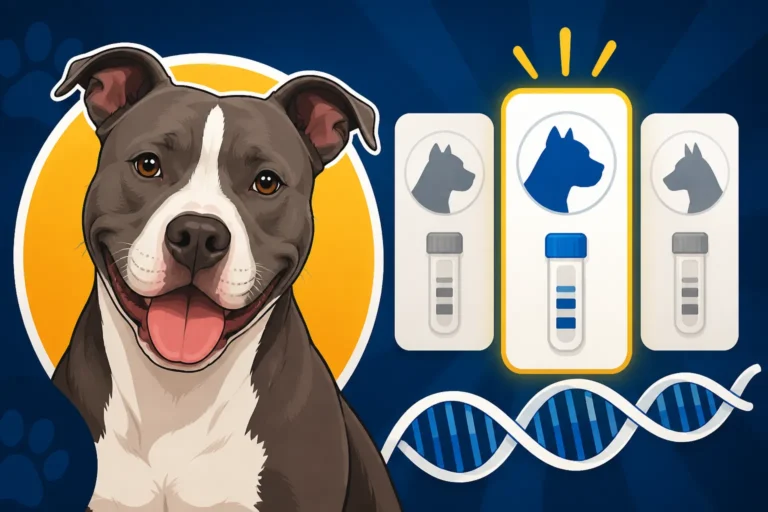
Given the genetic predisposition in American Staffordshire Terriers, the single most definitive diagnostic tool for NCL-A cerebellar ataxia is a DNA test. This test specifically looks for the gene mutation responsible for Neuronal Ceroid Lipofuscinosis Type A. It's a simple, non-invasive test, usually performed with a cheek swab or blood sample, which can be sent to a specialized veterinary genetics laboratory. The beauty of the NCL-A DNA test is its ability to identify not only affected dogs but also carriers. This is immensely important for breeding programs but also for confirming a diagnosis in a symptomatic dog. A positive test result for two copies of the affected gene confirms the NCL-A form of cerebellar ataxia. If your vet suspects this specific type of ataxia, requesting this test is a crucial step towards understanding your dog's condition and future. You can learn more about this specific test in our article The NCL-A DNA Test for a Pit Bull Line.
Interpreting Test Results and Breeder Responsibilities
Once you receive the NCL-A DNA test results, they will typically fall into one of three categories:
- Clear: The dog does not have the gene mutation and cannot pass it on to offspring.
- Carrier: The dog carries one copy of the gene mutation but will not develop the disease itself. However, they can pass the gene to their puppies. For more on this, check out What a Carrier Ataxia Result Means for a Pit Bull.
- Affected: The dog has two copies of the gene mutation and will develop or has developed NCL-A cerebellar ataxia.
These results carry significant implications, especially for breeders. Reputable American Staffordshire Terrier breeders have a strong ethical responsibility to test all breeding stock for the NCL-A mutation. Breeding two carriers together has a 25% chance of producing affected puppies, a 50% chance of producing carriers, and a 25% chance of producing clear puppies. By only breeding clear dogs, or carefully breeding a clear dog with a carrier (then testing all offspring to ensure only clear pups are kept for breeding), breeders can work to eliminate this devastating disease from their lines. If you're considering a puppy, always ask for proof of NCL-A DNA testing for both parents. This proactive approach helps safeguard the health of future generations of AmStaffs. It's part of ensuring a comprehensive What a Pit Bull Health History Should Cover for any puppy you bring home.
Managing and Living with Cerebellar Ataxia
Living with a dog diagnosed with cerebellar ataxia presents a unique set of challenges, as there is currently no cure for the condition. The focus shifts entirely to supportive care, managing symptoms, and ensuring the highest possible quality of life for your beloved AmStaff. This often means adapting your home and routines to meet their evolving needs.
Support and Comfort Measures
Creating a safe and accommodating environment is paramount for an AmStaff with cerebellar ataxia. Since they struggle with balance and coordination, your home needs to be free of hazards. Think about covering slippery floors with rugs or carpet runners to provide better traction. Block off stairs or provide ramps to prevent dangerous falls. Raised food and water bowls can make eating and drinking less strenuous, reducing head tremors and spillage. Mobility aids, such as harnesses with handles that you can use to steady them, or even special wheelchairs for dogs (often called "dog carts"), can offer crucial support as the disease progresses, allowing them to retain some independence. Physical therapy, which might include gentle range-of-motion exercises, massage, and controlled walking on different surfaces, can help maintain muscle mass and flexibility, slowing the progression of muscle atrophy. Regular vet check-ups are also crucial to monitor their overall health and address any secondary issues that arise. Organizations like Healthy Paws can often provide coverage for physical therapy and specialized equipment if the plan was in place before the diagnosis, highlighting the value of early pet insurance.
Current Treatment Options and Research
Unfortunately, for most forms of cerebellar ataxia, including NCL-A in American Staffordshire Terriers, there is currently no cure. The disease is progressive, meaning it will likely worsen over time. Treatment primarily revolves around symptomatic and supportive care. Medications might be used to address secondary issues, such as anxiety that arises from their frustration or unsteadiness, or to manage muscle spasms if they occur. Anti-inflammatory drugs may be considered if there's any suspected inflammatory component, though this is less common for genetic ataxias.
The good news is that research into neurological disorders, including genetic ataxias, is ongoing. Scientists are exploring gene therapies, stem cell treatments, and other innovative approaches that might, in the future, offer hope for these conditions. Staying in touch with your veterinary neurologist or specialty clinic can keep you informed about any new developments or clinical trials that might become available. While these options are not mainstream treatments yet, the dedication of researchers offers a glimmer of hope for future generations of dogs.
Prognosis and Quality of Life
The prognosis for an American Staffordshire Terrier with cerebellar ataxia varies depending on the specific type of ataxia and the individual dog's response to supportive care. Generally, because NCL-A is a progressive disease, symptoms will worsen over time. The rate of progression can be slow and gradual for some dogs, allowing them several years of a relatively good quality of life with proper management. For others, the decline might be more rapid. The most crucial factor becomes maintaining their quality of life. This involves a continuous assessment of their comfort, their ability to perform basic functions, and their overall happiness.
As the disease progresses, difficult decisions inevitably arise. When a dog can no longer eat or drink independently, is constantly falling, or is experiencing significant distress, it may be time to consider what is best for them. This is perhaps The Hardest Call a Pit Bull Owner Makes, a decision fraught with emotion but often made out of deep love and compassion. Until that point, providing a safe, comfortable, and loving environment, along with regular veterinary support, can ensure your AmStaff enjoys their remaining time with dignity. Our guide on Caring for a Pit Bull in Its Second Decade also offers valuable insights into supportive care for aging or ailing dogs, which can be adapted for dogs with chronic conditions like ataxia.
Disclaimer
The information provided in this article is for educational and informational purposes only and does not constitute medical advice. Always consult with a qualified veterinarian or veterinary specialist for any health concerns or before making any decisions about your pet's health or treatment.