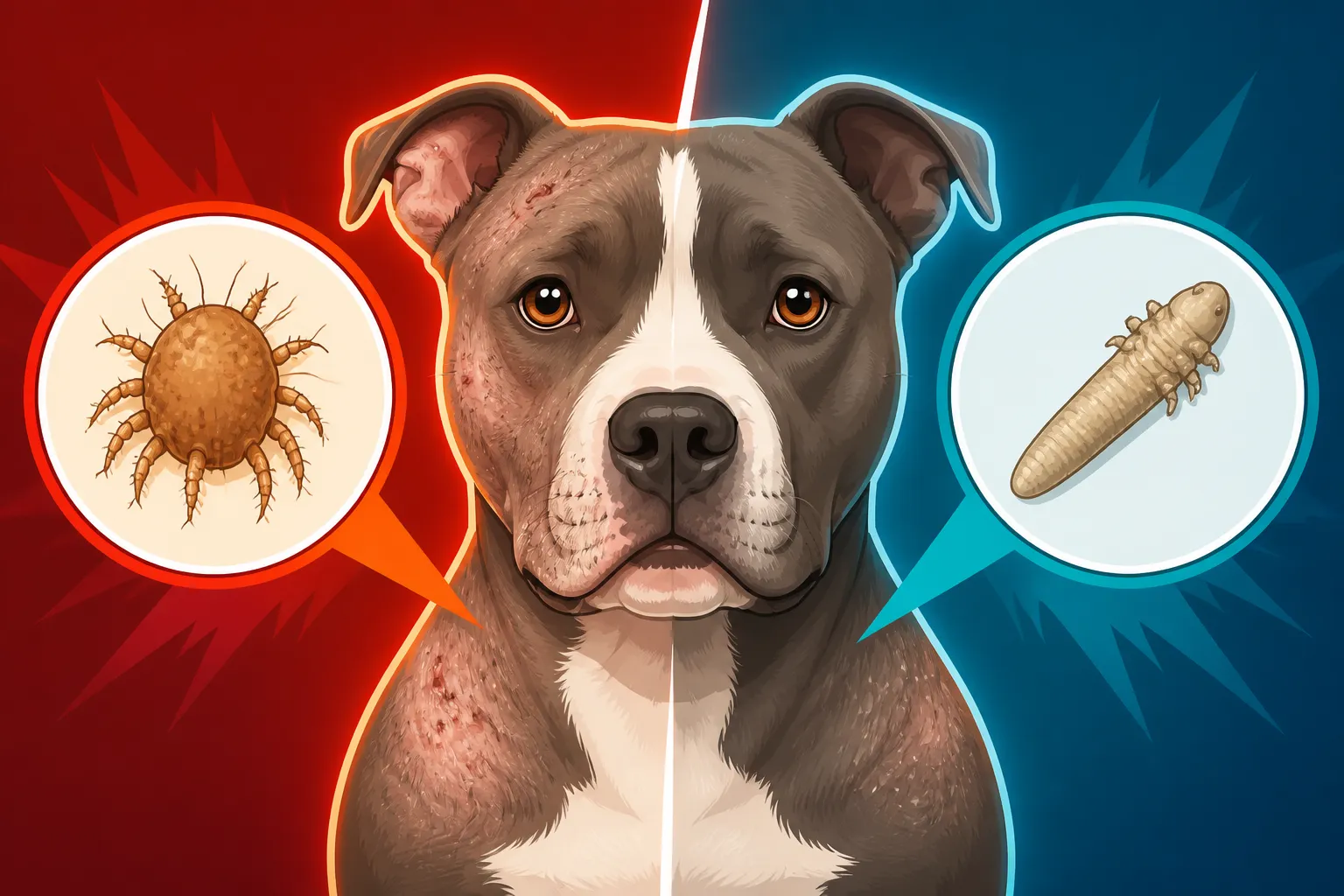
Sarcoptic Mange Against Demodex in a Pit Bull
It’s a truly distressing sight to see your beloved Pit Bull relentlessly scratching, chewing, and just generally miserable due to a skin condition. As Pit Bull owners, we often face unique challenges with their powerful builds and sometimes sensitive skin. Among the myriad of skin issues, mange can be particularly confusing and frustrating because it comes in different forms, each with its own quirks and treatment paths. This guide will walk you through the critical distinctions between two common types of mange – sarcoptic and demodectic – helping you understand what your furry friend might be battling and why getting the right diagnosis is paramount.
Understanding Mange in Pit Bulls
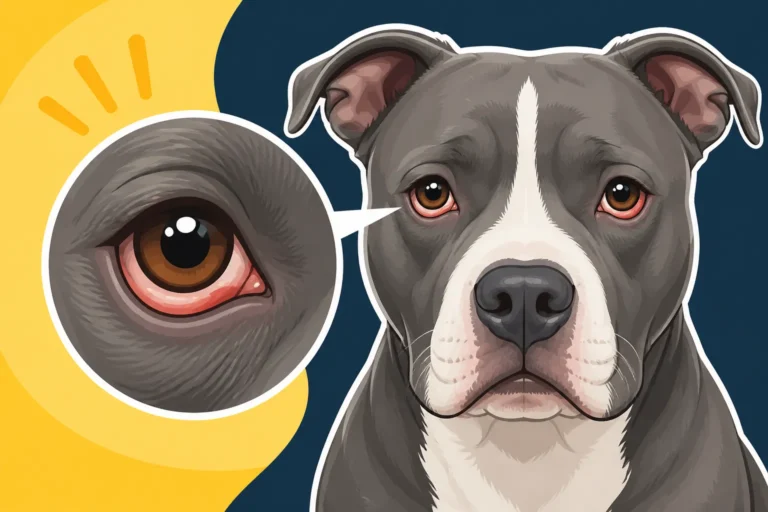
When your Pit Bull starts developing skin problems, whether it's incessant itching, hair loss, or redness, mange is often one of the first things that comes to mind for many owners. The sheer distress your dog experiences is heartbreaking, and the mystery of what's causing it can be truly anxiety-inducing. But what exactly is mange, and why do Pit Bulls sometimes seem to be prone to these particular skin woes?
What is Mange Anyway?
At its core, mange is a skin disease caused by microscopic mites living on or under the skin. It’s not just one single condition, but rather a blanket term for several different types, each brought on by a different kind of mite. These tiny parasites cause irritation, inflammation, and can lead to hair loss, scabs, and secondary infections if left untreated. Think of it like an invisible invasion that turns your dog's skin into an itchy, irritated battleground. It's not always obvious, especially in the early stages, which type of mite is causing the trouble, and that's where the confusion often begins for us as owners.
Why Pit Bulls Seem Prone to Skin Issues
Pit Bulls, with their short, sleek coats and often sensitive skin, can unfortunately be more susceptible to various dermatological problems, including different forms of mange. While no dog breed is entirely immune, the genetics and skin characteristics of many Pit Bull types can predispose them to certain irritations. For instance, some lines might have immune systems that struggle to keep mite populations in check, or they might react more intensely to allergens, which can sometimes be confused with or complicate a mange diagnosis. It's a frustrating reality for many of us, as we strive to provide the best care for these robust yet sometimes delicate dogs. Understanding these underlying predispositions helps us be more vigilant and proactive when any skin changes appear. If your Pit Bull is constantly scratching its feet, it might not just be mange; it could be something like Pit Bull Paw Licking and Chewing or even Pit Bull Skin Allergies and the Atopy Pattern.
Sarcoptic Mange: The Scabies Mite
When a Pit Bull starts itching so intensely that it seems to forget everything else, sarcoptic mange is often a prime suspect. This type of mange is infamous for its ferocity and how quickly it can turn a happy dog into a tormented one. It’s caused by the Sarcoptes scabiei mite, a particularly nasty little critter that burrows into the skin, causing extreme irritation.
Recognizing the Itch of Sarcoptic Mange
The hallmark sign of sarcoptic mange is its utterly relentless, mind-numbing itch. Imagine having an itch so intense it keeps you from sleeping, eating, or even focusing on your favorite activities. That's what a Pit Bull with sarcoptic mange experiences. This itch often starts very suddenly and is disproportionate to the visible lesions. You might see small, red bumps, scabs, and crusts, often developing on the ear flaps, elbows, hocks, and belly. As the condition progresses, constant scratching, licking, and chewing lead to secondary skin infections, further hair loss, and thickened, darkened skin. It’s a vicious cycle where the itch drives more self-trauma, making the skin even more damaged. A Pit Bull rubbing its face on the carpet might be exhibiting early signs of this intense irritation, a behavior also seen in some allergic reactions, which can make initial differentiation tricky.
How Sarcoptic Mange Spreads
One of the most alarming aspects of sarcoptic mange is its highly contagious nature. These mites are like tiny ninjas, jumping from one host to another with ease. They spread readily between dogs through direct contact, making dog parks, boarding facilities, or even shared bedding a potential breeding ground for transmission. If you have multiple dogs, or if your Pit Bull frequently interacts with other canines, the risk of spread is significant. What many owners don't realize is that these mites can also temporarily infest humans, causing an itchy rash (though they can't complete their life cycle on us). This means anyone in close contact with an infected Pit Bull needs to be vigilant about their own skin. Thorough cleaning of all bedding, collars, and toys is essential to break the cycle and prevent reinfection.
Diagnosing and Treating Sarcoptic Mange
Diagnosing sarcoptic mange can sometimes be tricky because the mites are often present in very low numbers and can be difficult to find on standard skin scrapings. Vets typically perform a superficial skin scraping, looking for the mites under a microscope. However, a negative scrape doesn't always rule it out. Often, if the symptoms are highly suggestive, vets will initiate a "therapeutic trial," treating for sarcoptic mange to see if the symptoms resolve. This can be frustrating for owners who want a definitive answer, but it's a practical approach to a challenging diagnosis.
Treatment usually involves specific medications that target the mites. These can include oral medications (like Isoxazolines, such as Simparica or Bravecto), injectable treatments, or topical solutions. The exact protocol will depend on your vet's assessment and your dog's overall health. It's crucial to treat all in-contact animals, even if they're not showing symptoms, and to thoroughly clean and disinfect the environment. The good news is that with proper treatment, Pit Bulls usually respond well, and the intense itching subsides relatively quickly. When facing such unexpected vet bills, having pet insurance, like a comprehensive plan from Healthy Paws, can provide immense peace of mind, allowing you to focus on your Pit Bull's recovery rather than the financial strain.
Demodectic Mange: The Follicle Mite
In stark contrast to its sarcoptic cousin, demodectic mange presents a very different picture. While still a mite-induced skin condition, the underlying cause, symptoms, and treatment approach for demodex are quite distinct. This form of mange is caused by Demodex canis mites, which are naturally occurring residents on the skin of most dogs, including Pit Bulls. It only becomes a problem when their numbers explode.
Spotting the Hair Loss of Demodectic Mange
Unlike the intense, sudden itch of sarcoptic mange, demodectic mange often manifests primarily as hair loss, known as alopecia. This hair loss typically appears in patchy, circular patterns, often starting around the eyes, mouth, and on the forelegs and paws. It might look like small, bald spots initially. The itching associated with demodectic mange is usually much less severe, or even absent, in the early stages, especially with localized forms. You might notice your Pit Bull developing red, scaly skin within these bald patches, and if secondary bacterial infections set in, the skin can become greasy, smelly, and significantly itchier. This condition can be particularly unsettling when you see Demodex patches on a Pit Bull face, giving them an almost moth-eaten appearance.
The Immune System Connection
Here's the critical difference: demodectic mange is not contagious. These mites are already living on your Pit Bull's skin in small, harmless numbers. Problems arise when a dog's immune system is compromised or immature, allowing the mite population to grow unchecked. In puppies, localized demodectic mange is quite common, often linked to their developing immune systems, and frequently resolves on its own without extensive treatment. This is often referred to as Demodectic Mange in a Pit Bull Puppy.
However, in adult Pit Bulls, generalized demodectic mange (where the patches are more widespread) can be a red flag. It often signals an underlying issue that's suppressing the immune system, such as a serious illness, stress, or certain medications. This is why when an adult Pit Bull develops generalized demodex, vets often conduct thorough investigations to rule out other health problems. The question of Whether Pit Bull Demodex Means a Weak Immune System is a valid one that often leads to further diagnostic work.
Diagnosing and Treating Demodectic Mange
Diagnosing demodectic mange is typically more straightforward than sarcoptic mange. Since Demodex mites live deep within the hair follicles, your vet will perform a "deep skin scraping." This involves gently squeezing the skin and then scraping until a tiny amount of capillary blood appears, ensuring they collect mites from deep within the follicle. The sample is then examined under a microscope, and if Demodex mites are found in significant numbers, the diagnosis is confirmed.
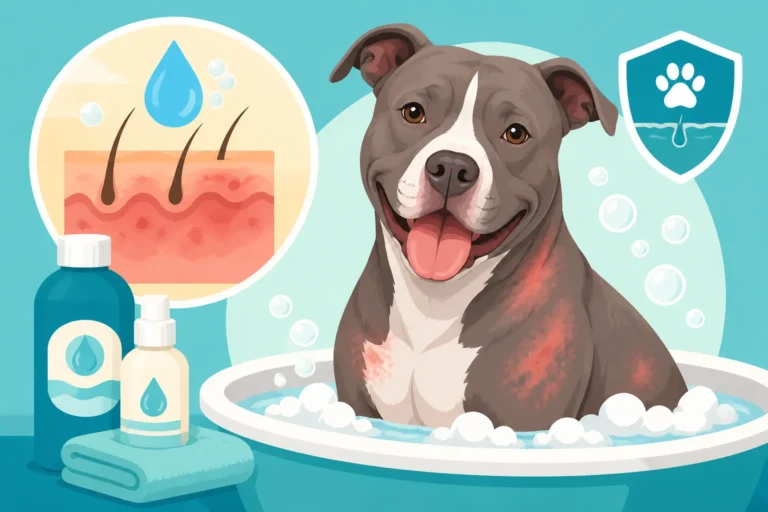
Treatment for demodectic mange varies depending on whether it's localized or generalized. Localized cases in puppies might only require topical treatments or sometimes resolve naturally. For generalized cases, especially in adults, more aggressive treatment is needed. This often involves systemic medications, such as Isoxazolines (like Bravecto, NexGard, or Credelio), which are highly effective at killing the mites. Medicated baths can also be part of the regimen to soothe the skin and address secondary infections. Medicated Baths for a Pit Bull With Atopy can be beneficial here, even if the primary issue isn't atopy. Treatment can be prolonged, sometimes lasting several months, and requires follow-up skin scrapings to ensure the mites are completely eradicated. For chronic conditions like generalized demodex, especially if it requires repeated vet visits and medications, pet insurance like Healthy Paws can be a lifesaver, covering a significant portion of the ongoing costs.
Key Differences and Why They Matter
Navigating skin issues with your Pit Bull can feel like detective work, but knowing the distinct characteristics of sarcoptic versus demodectic mange is like having a crucial set of clues. Understanding these differences isn't just academic; it directly impacts how quickly your dog gets relief, how you manage your household, and what prognosis to expect.
Comparing the Symptoms and Itch Factor
The most glaring difference between these two conditions is the intensity of the itch. Sarcoptic mange, caused by those burrowing Sarcoptes scabiei mites, is notorious for an extreme, sudden, and relentless itch. Your Pit Bull will be scratching, biting, and rubbing almost constantly, often to the point of self-mutilation. The visible skin lesions might seem minor initially – small red bumps or crusts – but the discomfort is overwhelming. Conversely, demodectic mange, stemming from the Demodex canis mite that lives in hair follicles, primarily causes hair loss. This hair loss often appears as distinct, patchy, or circular bald spots, particularly around the face, eyes, and limbs. The itch in these cases is usually mild or entirely absent in localized forms, only becoming significant if secondary bacterial infections take hold. So, if your Pit Bull is tearing its skin apart from itching, think sarcoptic; if it's got bald patches without much itch, lean toward demodex. This distinction is vital for a quick and accurate initial assessment.
Contagion and Household Risk
This is another huge differentiator. Sarcoptic mange is highly contagious. Those tiny mites are more than happy to jump from dog to dog, and even temporarily to humans, causing an itchy rash. This means if one dog in your multi-pet household is diagnosed with sarcoptic mange, all other pets (and potentially family members) are at risk and often require preventive or concurrent treatment. Strict environmental decontamination, like washing all bedding and toys in hot water, is also crucial.
Demodectic mange, however, is generally not contagious. The Demodex mites are natural inhabitants of your dog's skin flora. A dog develops demodectic mange because its immune system isn't keeping the mite population in check, not because it "caught" them from another animal. You can safely cuddle a dog with demodectic mange without fear of catching it or transmitting it to your other healthy pets. This difference drastically changes how you approach management within a multi-pet home and reduces the stress about isolating your affected Pit Bull. When dealing with the stress of a sick pet, the last thing you want to worry about is if you'll also catch it!
Treatment Approaches and Prognosis
Because the mites and the underlying mechanisms are so different, the treatment strategies for each type of mange also vary significantly. For sarcoptic mange, the goal is rapid mite eradication to stop the intense itching. Treatment is typically swift, often involving oral medications (like Isoxazolines) or injectables, and usually lasts a few weeks. The prognosis is generally excellent with complete recovery. The costs, however, can add up, making a pet insurance plan from Healthy Paws a wise investment for unexpected incidents.
For demodectic mange, especially generalized forms, treatment can be a longer, more involved process. The focus is not just on killing the mites but also on addressing any underlying immune system issues, particularly in adult dogs. Treatment often involves longer courses of oral medications, possibly medicated shampoos, and requires repeat deep skin scrapings to confirm all mites are gone. Prognosis for localized demodex is generally good, often with spontaneous resolution in puppies. Generalized demodex, particularly in adults, can be more challenging and may require ongoing management, but many dogs still respond well. Understanding that one is a sprint and the other a marathon helps owners manage expectations and commitment to treatment. Without proper diagnosis, you might be treating for one condition when your dog actually has another, leading to prolonged suffering and wasted effort, as discussed in Telling Demodex From an Allergy in a Pit Bull.
| Feature | Sarcoptic Mange (Sarcoptes scabiei) | Demodectic Mange (Demodex canis) |
|---|---|---|
| Primary Symptom | Intense, sudden, relentless itching | Patchy hair loss (alopecia), mild or no itch |
| Onset | Often sudden and severe | Gradual, typically starting with hair loss |
| Common Locations | Ear flaps, elbows, hocks, belly, chest | Around eyes, mouth, forelegs, paws, trunk |
| Contagious? | Yes, highly contagious to other dogs & can temporarily affect humans | No, generally not contagious |
| Mite Location | Burrows superficially under the skin | Lives deep within hair follicles |
| Diagnosis | Superficial skin scrape (often difficult to find mites, therapeutic trial common) | Deep skin scrape (mites usually easier to find) |
| Immune System Link | Not directly linked to immune suppression | Strongly linked to compromised/immature immune system |
| Treatment Duration | Weeks | Weeks to months, may require ongoing management |
| Prognosis | Excellent with proper treatment | Good for localized, more guarded for generalized in adults |
| Environmental Clean-up | Crucial | Not usually necessary |
Disclaimer
The information provided in this article is intended for general knowledge and informational purposes only, and does not constitute medical advice. Always consult with a qualified veterinarian for any health concerns or before making any decisions related to your Pit Bull's health and treatment.