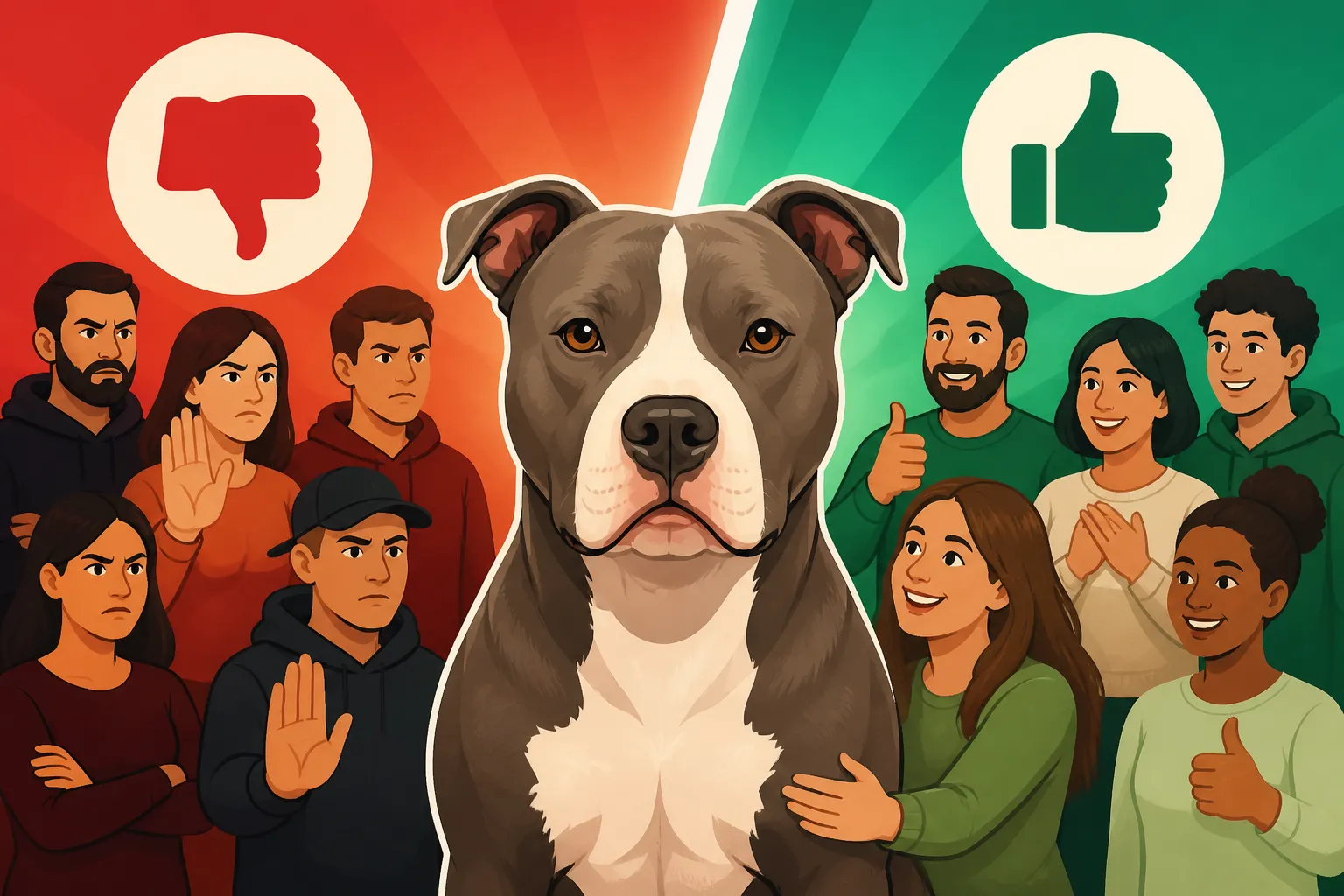
Whether Public Opinion Has Moved on Pit Bulls
For years, Pit Bulls have been unfairly saddled with a deeply negative public image, often based on misinformation and sensationalism rather than reality. This pervasive stereotype has caused immense frustration for countless loving owners and has had real-world consequences for these dogs in housing, insurance, and even adoption rates. This guide aims to thoroughly explore whether public opinion on Pit Bulls has truly shifted, examining the historical roots of the bias, the forces working to change it, and what still needs to be done.
The Shadow of Past Perceptions and Media Narratives
It’s no secret that Pit Bulls have endured a public relations nightmare for decades. The perception of them as inherently dangerous, aggressive, and unpredictable animals became deeply ingrained in the public consciousness, often overshadowing their true nature. This wasn't a spontaneous phenomenon; it was a narrative carefully constructed and amplified by specific historical events and media portrayals.
The Dog Fighting Legacy and its Impact
One of the most damaging associations for Pit Bulls comes directly from their historical use in dog fighting. While these dogs were originally bred for tasks like bull-baiting and later, ratting and even farm work, a dark chapter in their history involved illegal fighting pits. This cruel activity, driven by human greed, unfortunately became the defining characteristic for many in the public eye. When raids uncovered fighting operations, the media often focused intensely on the breed, cementing the idea that these dogs were inherently violent creatures, rather than recognizing them as victims of abuse. It's a heavy burden for an entire group of dogs to carry, stemming from the actions of a few inhumane individuals. The dogs themselves, far from being eager combatants, were often gentle and eager to please with their human handlers outside the pit – a nuance lost in the sensationalized reports.
Media Sensationalism and Breed-Specific Scare Tactics
Beyond dog fighting, media sensationalism played a massive role in painting Pit Bulls as dangerous. Headlines often screamed about "Pit Bull attacks," even when the dog involved wasn't actually a Pit Bull or when the circumstances of the incident were complex and involved human negligence or provocation. This created a climate of fear, where the simple mention of the name "Pit Bull" conjured images of aggression. Movies and television shows, too, sometimes leaned into these stereotypes, casting Pit Bulls as intimidating guard dogs or villains, rather than showcasing their often loving and loyal personalities. This constant barrage of negative messaging, often devoid of context or accurate breed identification, meant that public opinion became firmly entrenched in fear and misunderstanding. It's a classic case of bad news traveling fast and sticking hard, making it incredibly difficult for the truth to catch up. For a deeper look at this, you might find Pit Bulls in Culture and Public Perception insightful.
Tides of Change: Advocacy, Education, and Personal Experience
Despite the uphill battle, there's been a noticeable, if sometimes slow, shift in public opinion regarding Pit Bulls. This change hasn't happened by accident; it's the result of tireless advocacy, dedicated educational efforts, and, most powerfully, the everyday experiences people have with well-loved, well-behaved Pit Bulls.
The Power of Personal Encounters
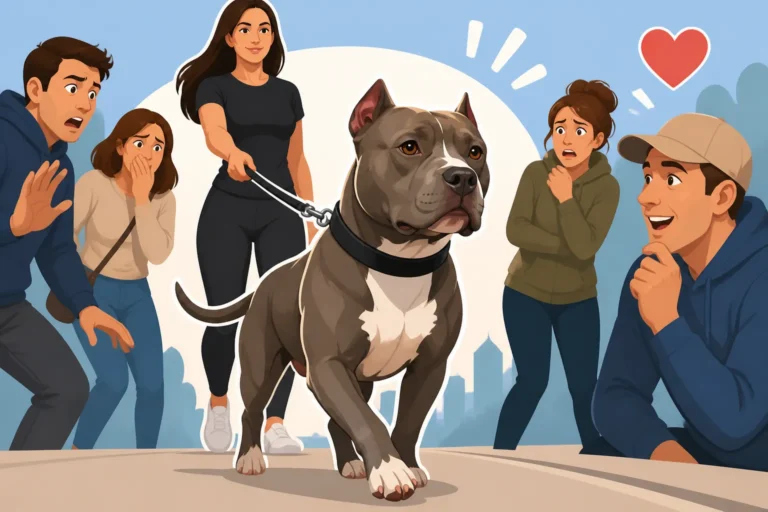
Nothing changes a person's mind quite like direct experience. Many people who once held negative views about Pit Bulls have had their opinions completely transformed after meeting one in person. Whether it’s a friend’s goofy, slobbery companion, a calm therapy dog, or a playful neighbor's pet, these real-life encounters shatter preconceived notions. They reveal the affectionate, intelligent, and often incredibly patient dogs that Pit Bulls truly are. I've heard countless stories of people initially wary of my own Pit Bull, only to be won over by his wiggly butt and eager licks. These moments of connection are invaluable. When someone sees a Pit Bull curled up with a child, or gently playing with a smaller dog, it directly contradicts the sensationalized images they've seen in the news. This personal, anecdotal evidence is a powerful force in reshaping broader public sentiment.
Advocacy and Rescue Efforts Working to Rebrand
The dedication of Pit Bull advocacy groups and rescue organizations has been instrumental in this shift. Groups like the ASPCA, Best Friends Animal Society, and countless local rescues have poured immense resources into educating the public, debunking myths, and promoting responsible ownership. They actively work to place Pit Bulls in loving homes, showcasing their adoptability and their wonderful temperaments. Many shelters, recognizing the unfair stigma, have even started using more breed-neutral language or focusing on individual dog personalities rather than labeling them with a broad "Pit Bull" type. This strategic rebranding, combined with public outreach campaigns, highlights the positive attributes of these dogs and challenges the stereotypes head-on. They provide resources, support, and a collective voice for a group of dogs that desperately needs it. To understand more about the wider changes, see How Public Opinion on Pit Bulls Has Shifted.
Responsible Ownership's Impact as Ambassadors
Ultimately, the most impactful ambassadors for Pit Bulls are their owners. Every time a Pit Bull owner walks their well-behaved dog on a leash, enrolls them in training classes, or simply lets them greet a stranger politely, they are actively changing perceptions. Responsible ownership includes proper socialization, consistent training, and ensuring the dog is a good neighbor. When a Pit Bull is seen as a valued, well-mannered member of the community, it chips away at the negative image. Owners who understand that their dog represents an entire type, and who commit to high standards of care and training, are doing invaluable work. This includes managing their energy with appropriate tools, which can be found easily on platforms like Chewy, offering everything from durable harnesses to engaging puzzle toys. This commitment to being a responsible owner is perhaps the most powerful tool in turning the tide of public opinion.
Navigating the Present: Persistent Challenges and Glimmers of Hope
While there's certainly progress, the battle for full acceptance of Pit Bulls is far from over. Owners still face significant hurdles, but there are also tangible signs that the landscape is evolving. It's a mixed bag of persistent challenges and hopeful advancements.
Lingering Stereotypes and Breed-Specific Legislation
One of the biggest frustrations for Pit Bull owners is the continued existence of breed-specific legislation (BSL) and other discriminatory policies. Despite growing evidence that BSL is ineffective at improving public safety and unfairly targets specific breeds, some cities and counties still have outright bans or severe restrictions on Pit Bulls. These laws force families to move, surrender beloved pets, or live under constant scrutiny. Similarly, many insurance companies continue to deny coverage or charge exorbitant rates to homeowners with Pit Bulls, even if the dog has a perfect temperament and no history of issues. This directly impacts families trying to secure housing or insurance, creating immense stress. The lingering stereotypes make it easy for these discriminatory practices to continue, demonstrating that public opinion, while shifting, still has a long way to go in certain sectors. Understanding Where Pit Bull Legislation Still Applies can be critical for current or prospective owners.
Measuring Progress: What Statistics and Policies Tell Us
Despite the hurdles, there are clear indicators that public opinion is moving in a more positive direction. More states are passing laws that prohibit breed discrimination by insurance companies. Public housing authorities and even some airlines are beginning to revise their restrictive policies. Perhaps most tellingly, the euthanasia rates for Pit Bull type dogs in shelters have seen declines in many areas, and adoption rates have improved. This suggests that more people are willing to open their homes and hearts to these dogs. Furthermore, many animal welfare organizations have formally come out against BSL, advocating for breed-neutral laws that focus on individual dog behavior and responsible ownership, rather than targeting a specific appearance. These policy shifts are often a lagging indicator of public opinion, meaning that the underlying sentiment has likely already moved.
To illustrate the shift, consider the general sentiment:
| Aspect | Past Public Opinion (Pre-2000s) | Current Trends in Public Opinion (Post-2010s) |
|---|---|---|
| Primary Emotion | Fear, apprehension, suspicion | Curiosity, empathy, cautious acceptance |
| Source of Info | Sensationalized news reports, anecdotal "bad dog" stories | Social media, rescue organizations, personal encounters, educational campaigns |
| Desire for Ownership | Low, seen as high-risk, dangerous | Increasing, recognized for loyalty, athleticism, and companionship |
| Policy Stance | Support for breed bans, restrictions | Growing opposition to BSL, advocacy for breed-neutral laws |
| Breed Recognition | Single, distinct breed, inherently aggressive | A type of dog, individual personalities vary widely |
These changes don't mean the fight is over, but they offer significant hope and validate the efforts of countless Pit Bull advocates and owners.
Empowering Owners: Being a Pit Bull Ambassador
As a Pit Bull owner, you hold a unique and powerful position. You are an ambassador for your dog's type, and your actions, positive or negative, contribute directly to the ongoing narrative. Embracing this role can make a profound difference in how your dog, and others like them, are perceived.
Training and Socialization as Tools for Positive Perception
One of the most effective ways to combat negative stereotypes is through impeccable training and thoughtful socialization. A well-behaved Pit Bull is the strongest argument against prejudice. Investing time in basic obedience, ensuring your dog has a solid recall, walks politely on a leash, and greets strangers calmly can turn potential critics into admirers. Training is not just about control; it's about building a strong bond and clear communication with your dog, helping them navigate the world confidently and appropriately. Platforms like Chewy offer a fantastic array of training resources, from books and online courses to positive reinforcement tools like clickers and high-value training treats. Teaching your Pit Bull good manners also involves consistent socialization – exposing them to various sights, sounds, people, and appropriate dog interactions from a young age. This helps them become well-adjusted individuals who are less likely to react negatively to new situations. For more on this, check out Training a Pit Bull to a Higher Standard Than Other Dogs.
Strategic Public Interactions: Showcasing the Breed's True Nature
Every public outing with your Pit Bull is an opportunity to change minds. Be mindful of your dog's body language and your surroundings. If your dog is prone to pulling on the leash, consider a front-clip harness or a head halter to maintain better control, making walks more pleasant for both of you and presenting a calmer image to others. Be prepared for questions or even negative comments, and try to respond with patience and information rather than defensiveness. A simple, "He's actually a real sweetheart, just very enthusiastic!" can go a long way. Consider pursuing a Canine Good Citizen (CGC) title; it demonstrates your dog's good manners and your commitment to responsible ownership, and it can be a fantastic way to showcase their capabilities. For some, getting certified as a therapy dog, if appropriate for your Pit Bull's temperament, allows them to bring joy to hospitals or nursing homes, directly countering negative images. Remember, you are your dog's voice and their most powerful advocate in public spaces. This deliberate effort to demonstrate their true nature is vital in continuing the positive shift in public perception.
Disclaimer
This article is for general informational purposes only and does not constitute professional advice. Laws, prices and regulations vary by location and change over time. Consult a qualified professional for guidance on your specific situation.