What Happens When You Walk a Pit Bull in Public
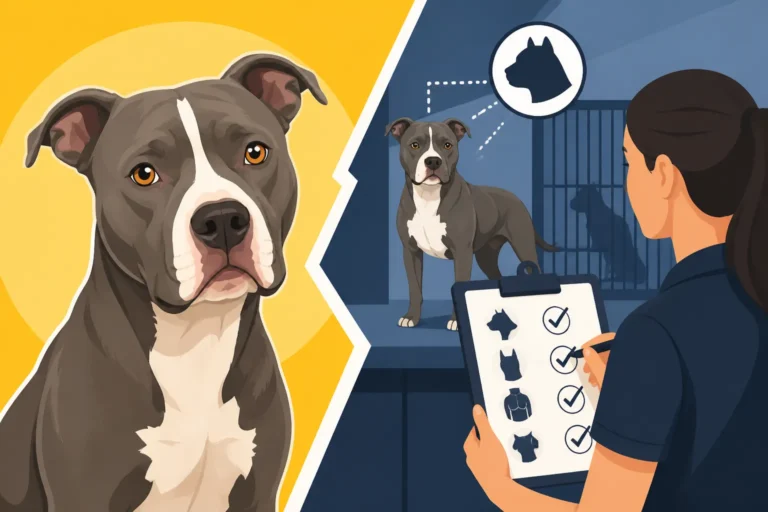
Walking a Pit Bull in public can feel like navigating a minefield of assumptions and misunderstandings. Many Pit Bull owners experience a mix of admiration for their well-behaved companions and frustrating, sometimes outright negative, reactions from strangers. This guide is here to help you understand the common scenarios you might encounter, how to prepare your Pit Bull, and how to confidently and responsibly handle these interactions, ensuring both your dog's safety and your peace of mind.
Understanding the Public Perception of Pit Bulls
Let's be real, the moment you step out with your Pit Bull, you're not just walking your dog; you're also representing a breed type that carries a heavy burden of public opinion. People often have preconceived notions, shaped by media headlines, breed-specific legislation, or simply word-of-mouth, that can make your otherwise lovely stroll a bit more complicated. It's a frustrating reality for dedicated owners, but understanding this backdrop is the first step in navigating public spaces successfully.
The Spectrum of Reactions You Might Face
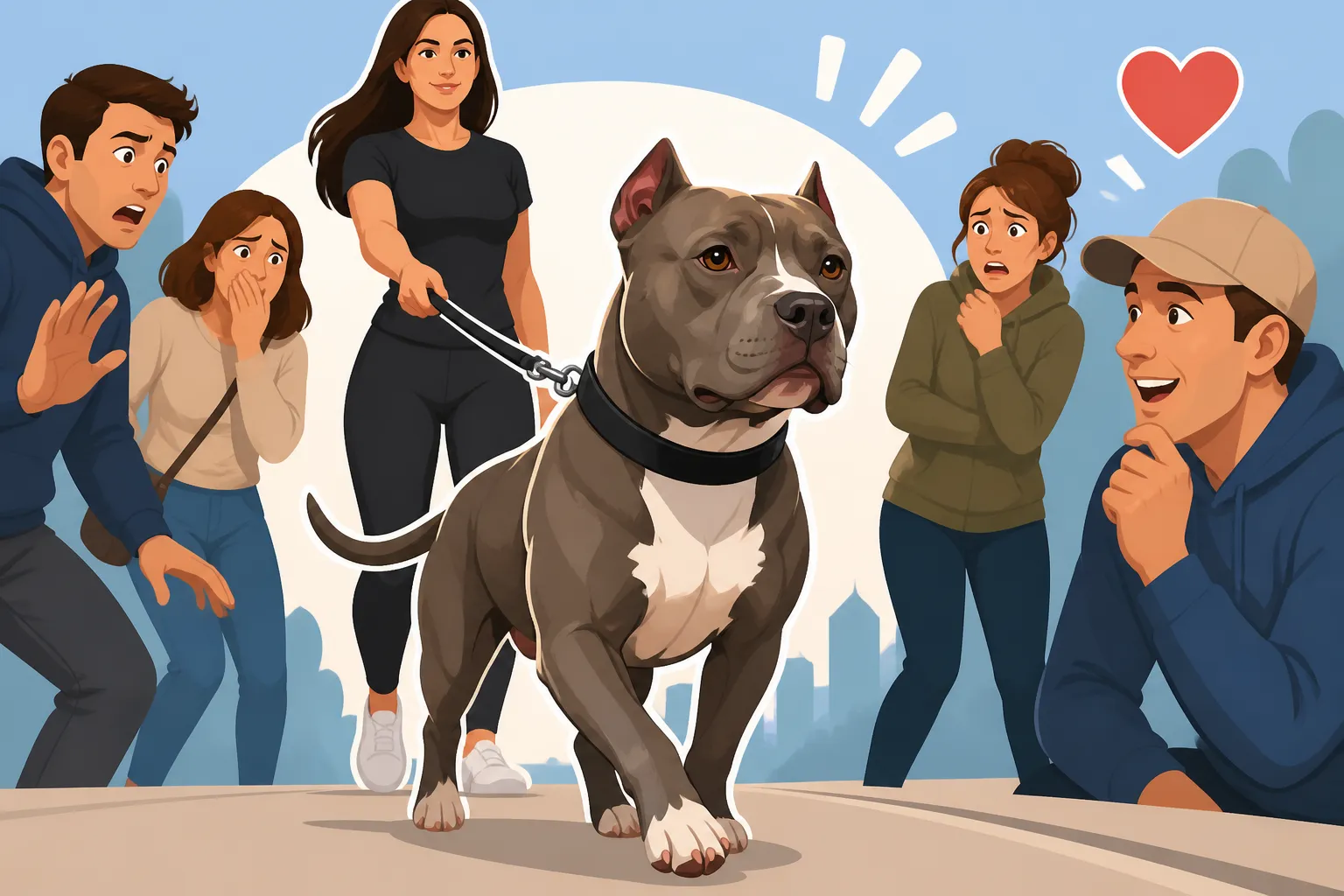
You'll quickly learn that public reactions to your Pit Bull fall into a pretty wide spectrum. On one end, you have the admirers – people who recognize the breed's loyal, affectionate nature and might even stop to say hello and praise your dog. These are the folks who understand what a wonderful companion a well-raised Pit Bull can be. They might share stories of their own "Pibbles" or simply offer a kind word. It's truly heartwarming when this happens, reinforcing all the love and effort you put into your dog.
However, on the other end, you'll inevitably encounter those who react with fear, suspicion, or even outright hostility. This can manifest as people crossing the street, pulling their children close, making pointed comments, or shooting nervous glances your way. It's disheartening when your sweet dog is seen as a threat, and it can sometimes feel like you're constantly on the defensive. What many people don't realize is that these reactions, though rooted in fear, are often based on misconceptions rather than actual experience with a well-socialized Pit Bull. It's a tough pill to swallow, but these reactions are rarely personal, even though they feel very much that way.
The Impact of Breed-Specific Legislation and Media
The sad truth is that much of the negative perception surrounding Pit Bulls stems from breed-specific legislation (BSL) and often sensationalized media portrayals. News stories tend to highlight incidents involving "Pit Bulls" without often delving into the individual circumstances, history of the dog, or the owner's responsibility. This creates a widespread, often unfair, narrative that paints all dogs of this type with the same broad brush. Many communities have regulations that restrict or ban Pit Bulls, which further solidifies the idea in the public consciousness that these dogs are inherently dangerous.
For us owners, this means we often carry an extra burden of proof. We're not just ensuring our dog is well-behaved; we're also implicitly advocating for the entire breed every time we step outside. It's a lot to ask of a dog walk, but it's the reality many of us face. Being aware of these societal pressures can help you understand why some people react the way they do, even if it doesn't make their reactions any easier to deal with.
Proactive Management and Training for Public Outings
Given the societal context, simply having a "good dog" isn't always enough when you own a Pit Bull. You need to aim for an exceptional dog, especially in public. Proactive management and thorough training become your best friends, equipping your Pit Bull with the skills to navigate public spaces politely and safely, and giving you the confidence to handle any situation that arises. It's about setting your dog up for success and minimizing potential issues.
Mastering Leash Manners and Impulse Control
One of the most crucial aspects of public walks is impeccable leash manners. A Pit Bull that pulls, strains, or lunges on the leash, regardless of how friendly their intentions might be, reinforces negative stereotypes about their strength and potential lack of control. This is why Pit Bull Leash Manners and Physical Strength is so vital to master. Start early, be consistent, and use positive reinforcement. Reward loose-leash walking heavily with high-value treats. You want your dog to understand that walking nicely beside you is far more rewarding than dragging you down the street.
Impulse control is equally important. This means teaching your Pit Bull to "leave it" when encountering tempting distractions like discarded food, squirrels, or even other dogs. You want them to look to you for direction and permission, rather than reacting instinctively. Practice "watch me" commands to get their attention quickly, and teach a solid "stay" or "wait" that can be used before crossing streets or entering busy areas. Products from Chewy, like durable training leads and easy-to-grab training treats, can be incredibly helpful for these sessions. Remember, a Pit Bull with excellent leash manners sends a clear message to passersby: this dog is under control and well-managed.
The Importance of Muzzle Training
While it might seem counterintuitive to put a muzzle on your dog to improve public perception, muzzle training is actually a powerful tool for responsible Pit Bull ownership. It’s not an admission of aggression; it’s a sign of proactive safety and good citizenship. Muzzle training, as discussed in Muzzle Training Every Pit Bull Should Have, means familiarizing your dog with wearing a comfortable, well-fitting basket muzzle in a positive way, associating it with good things like treats and walks.
A properly conditioned muzzle can:
- Prevent accidental nips: Even the friendliest dog can nip if startled or in pain.
- Prevent scavenging: If your dog tends to eat things off the ground.
- Provide peace of mind: For you, and for people who might otherwise be fearful.
- Aid in emergency situations: If your dog is injured, a muzzle can prevent bites to veterinary staff.
By proactively muzzle training, you are demonstrating the highest level of responsibility. People seeing a muzzled dog might still be wary, but they often also recognize the owner’s commitment to safety, which can defuse tension. It's about proving you're doing everything you can to be a good neighbor and a responsible pet parent. When choosing a muzzle, ensure it allows your dog to pant, drink water, and take treats comfortably – many excellent options are available from retailers like Chewy.
Socialization and Public Engagement
Beyond basic obedience, thoughtful socialization is key. This isn't just about letting your dog play with other dogs; it's about exposing them to a wide variety of sights, sounds, people, and environments in a positive and controlled manner. Socializing a Pit Bull Around Strangers helps them learn that most new experiences are safe and not to be feared or reacted to aggressively. Take your Pit Bull to different parks, coffee shop patios, pet-friendly stores (if allowed), and busy sidewalks.
Teach your dog how to politely greet strangers (if they're interested and the person is receptive) without jumping or being overly boisterous. A "four on the floor" rule for greetings is a good standard. Enroll in a basic obedience class, or even better, work towards a Canine Good Citizen (CGC) certification. Canine Good Citizen and Why It Matters for a Pit Bull is a fantastic benchmark, proving your dog's reliability and good manners under various public conditions. It's a tangible demonstration of your Pit Bull's excellent temperament and training.
Dealing with Uncomfortable Public Encounters
No matter how well-trained your Pit Bull is, you'll eventually encounter situations that are less than ideal. People might make rude comments, or an off-leash dog might approach. Handling these moments calmly and confidently is vital, not just for your sanity, but for reinforcing your Pit Bull's positive public image.
Responding to Negative Comments and Fearful Reactions
It's tough when someone crosses the street or makes a snide remark about your Pit Bull. Your first instinct might be to get defensive or angry, but often, that doesn't help the situation. Instead, try to remain calm and composed. A simple, polite "He's very friendly, but we understand if you need your space" can go a long way. Sometimes, a quiet, confident walk is the best response. Your dog's calm demeanor speaks volumes.
If someone asks a question, use it as an opportunity to educate gently. "She's actually a wonderful, sweet dog. We work hard on her training" can sometimes open a small door to changing perceptions. Don't feel obligated to engage in lengthy debates with strangers who are clearly set in their ways. Your primary responsibility is to your dog and to demonstrate responsible ownership. Let your Pit Bull's good behavior be the loudest message.
Handling Off-Leash Dogs and Unexpected Approaches
This is one of the most stressful scenarios for any dog owner, but especially for those with Pit Bulls. An off-leash dog running up to your leashed Pit Bull, however friendly the approaching dog might be, is a recipe for potential trouble, and guess who often gets blamed? You, the owner of the "Pit Bull." Always be vigilant and scan your surroundings. If you see an off-leash dog, immediately tighten your leash, turn to create distance, and place your body between your Pit Bull and the approaching dog.
A firm, loud "Please leash your dog!" or "My dog is not friendly!" (even if they are, it's a good deterrent) can sometimes get the other owner's attention. Carry high-value treats to distract your dog if necessary, or use a "scatter" of treats on the ground to divert their attention away from the approaching dog. If you muzzle train your dog, this is another situation where a muzzle can be invaluable, providing an extra layer of safety. Always prioritize the safety of all involved.
Here's a quick reference for common public reactions and owner strategies:
| Public Reaction | Your Pit Bull's Behavior | Recommended Owner Action |
|---|---|---|
| Fearful Glance/Crosses Street | Calmly walking, sniffing | Maintain loose leash, continue walking confidently. No need to engage unless spoken to directly. |
| "He looks dangerous!" / Negative Comment | Alert, may look at person | Calmly respond with a pleasant "He's very sweet and well-trained," or simply ignore and walk on. Avoid defensiveness. |
| "Can I pet him?" (Receptive stranger) | Wagging tail, calm, sits on command | "Sure, if he sits nicely." Control the interaction, ensure your dog is comfortable, keep it brief. |
| Off-Leash Dog Approaches | Alert, interested, or tense | Tighten leash, put your body between dogs. Loudly ask other owner to leash their dog. Walk away quickly. |
| Enthusiastic admirer ("Oh, a Pibble!") | Happy, might try to jump (redirect) | "Yes, she's a Pit Bull type, isn't she great!" Use praise, manage enthusiastic greetings. |
| Children Pointing/Asking Questions | Calm, curious, or ignores | Engage parent first. "He's friendly, but please ask before petting." Supervise closely if interaction occurs. |
Building a Positive Narrative for Pit Bulls
Beyond managing individual interactions, Pit Bull owners have a unique opportunity to contribute to a larger, more positive narrative for the breed type. Every well-behaved Pit Bull out in public is an ambassador, slowly but surely chipping away at misconceptions. This often involves a commitment to ongoing training, advocacy, and showcasing your dog's true personality.
Embracing the Ambassador Role
When you own a Pit Bull, you inherently become an ambassador for the breed. Your dog's behavior, and your behavior as an owner, will be scrutinized more closely than perhaps the owner of a Labrador Retriever or a Golden Retriever. This isn't fair, but it's the reality. Embrace this role by consistently demonstrating responsible ownership: always having your dog on a leash, picking up after them, ensuring they are well-behaved, and being courteous to others.
Consider enrolling your Pit Bull in activities like obedience classes, agility, or even therapy dog work. Seeing Pit Bulls excelling in these areas, particularly therapy dog work, can be incredibly powerful in changing hearts and minds. It shows the public that these dogs are intelligent, capable, and gentle, just like any other breed. Sharing positive stories and photos of your Pit Bull on social media or with friends and family also helps to spread a more balanced view.
Continued Training and Socialization
The work of training and socialization is never truly done, especially for a Pit Bull. As they mature, new challenges may arise, such as Pit Bull Dog Selectivity Explained as they enter social maturity. Continue to engage in training refreshers, explore new commands, and expose your dog to novel but controlled environments. A well-trained Pit Bull is not just a joy to live with; it’s a living testament to the potential of the breed.
Remember that a Pit Bull's positive reputation rests on consistent, responsible effort from their humans. Investing in quality gear, like sturdy leashes and harnesses from reputable brands like Chewy, and continuing to learn about canine behavior and training methods will serve you and your Pit Bull well throughout their life. Your dedication helps pave the way for a brighter future for all dogs of this type.
Disclaimer
This article is for general informational purposes only and does not constitute professional advice. Laws, prices and regulations vary by location and change over time. Consult a qualified professional for guidance on your specific situation.