The Safe Rate for a Pit Bull to Slim Down
A common frustration for Pit Bull owners is trying to figure out if their powerful, muscular dog is carrying too much weight, or if all that bulk is pure, healthy muscle. It’s easy to misjudge, and then the real challenge begins: how do you get them to slim down without feeling like you’re starving them or pushing them too hard? This guide is all about giving you the practical, empathetic advice you need to help your Pit Bull safely and effectively reach a healthy weight, focusing on a sustainable rate of weight loss that prioritizes their well-being.
Understanding Pit Bull Body Condition Beyond the Scale
It's tempting to hop your Pit Bull on the scale and compare the number to what you see online or what your breeder told you. But with a breed as muscular and variable in build as the Pit Bull, a number alone doesn't tell the whole story. You might have a heavily muscled dog who looks big but is perfectly lean, or a smaller dog whose muscle mass is cleverly hiding a layer of excess fat. The key isn't just weight, it's body condition.
Visual Cues Versus the Scale
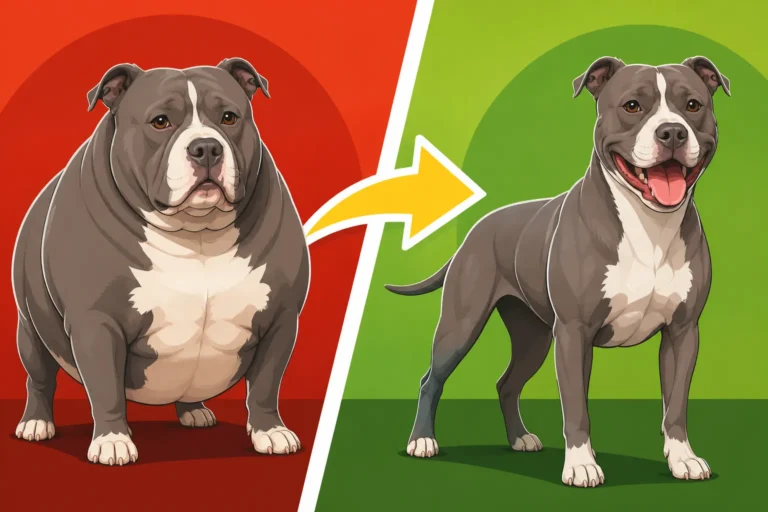
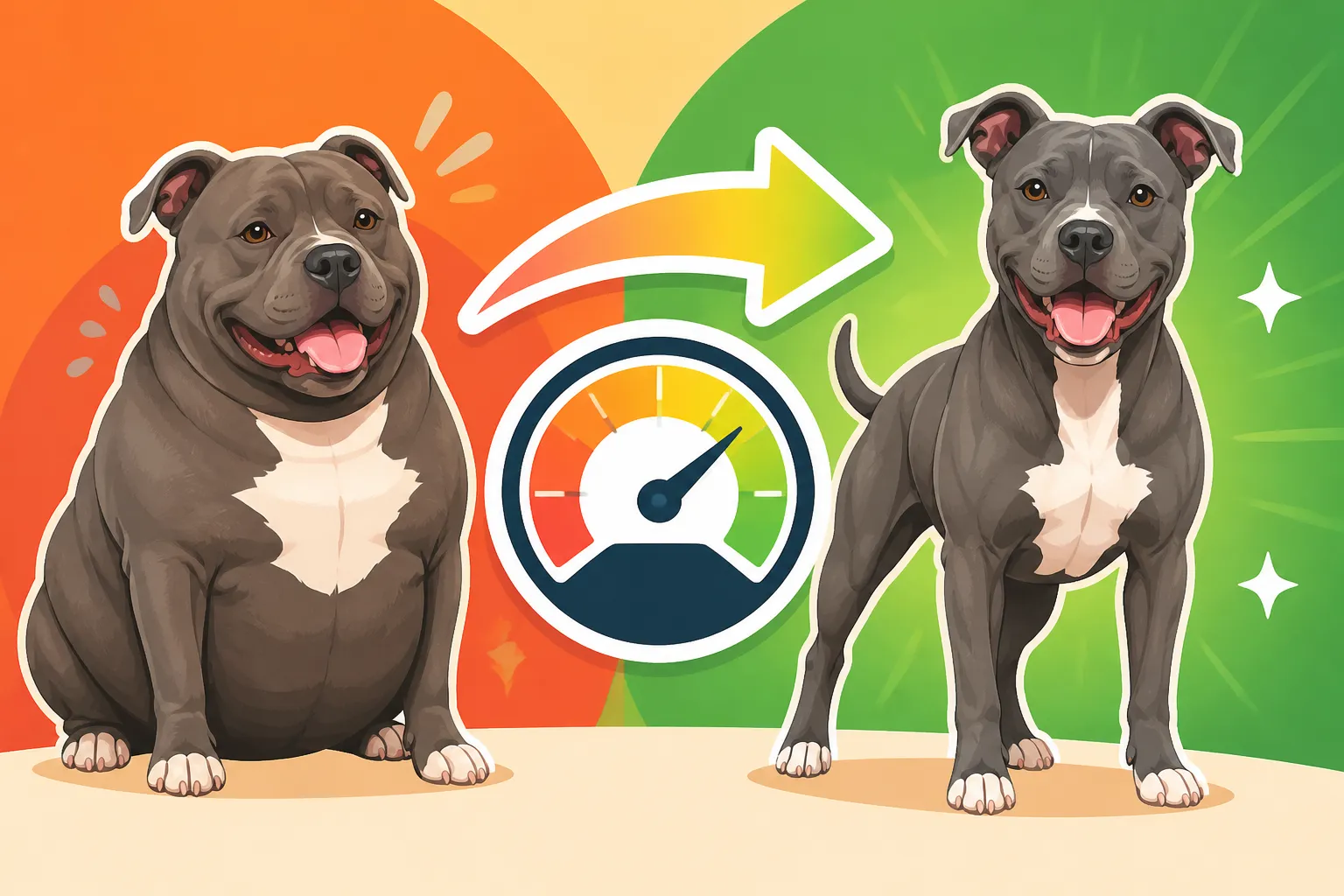
When you look at your Pit Bull, what do you really see? For many of us, it’s hard to be objective. We love our dogs, and a little extra cushion can feel like more to love. But being able to correctly assess their body condition is the first crucial step in understanding if they need to slim down. You should ideally see a clear "tuck" at their waist when viewed from above, just behind the ribs. From the side, their belly should tuck up from their rib cage to their hips, not hang low or create a straight line. If your Pit Bull looks more like a little barrel or a rectangle, it's a good indicator that they might be carrying more weight than is healthy. This visual assessment becomes even more critical when you consider the sheer density of a Pit Bull's muscle, which can easily mask subtle weight gain that would be obvious on a less muscular breed. Remember, what looks "solid" could be a combination of muscle and fat, especially as they age or their activity level decreases.
It's not about making them look emaciated, far from it. It's about aiming for that athletic, powerful build they're renowned for, where their strength comes from lean muscle, not fat. If you're struggling to distinguish where the muscle ends and the fat begins, don't feel bad – it's a common struggle for Pit Bull owners. Their conformation makes it a unique challenge compared to, say, a Labrador. This is why learning to feel for their ribs and spine is so important, as visual cues alone can sometimes be misleading. You want to see that hourglass figure, even if it's subtle, and a definite upward curve to the abdomen. For more guidance on this, check out Telling Muscle From Fat on a Pit Bull.
The Rib Test and Tuck
The most reliable way to assess your Pit Bull's body condition without a complicated measurement is through a hands-on approach: the "rib test" and checking for a proper abdominal tuck. Run your hands along your dog's sides. You should be able to easily feel their ribs, almost like feeling the knuckles on your hand, without having to press hard. If you have to dig around to find them, or if there's a definite squishy layer over them, your Pit Bull is likely overweight. Conversely, if the ribs are visibly prominent without any gentle pressure, they might be too thin. It's a fine line, but one you'll get better at discerning with practice.
Beyond the ribs, check for that crucial abdominal tuck. When your Pit Bull stands normally, look at their profile. Their abdomen should rise sharply from their chest towards their hind legs. There shouldn't be a sagging belly or a straight line from their chest to their pelvis. This tuck is a clear sign of a lean, healthy body condition. If you notice a loss of this tuck, or if their back appears broad and flat with no visible waist, it’s a strong indication that they need to shed some pounds. For a truly accurate gauge, ensure your dog is standing square, not hunched or stretched, as their posture can temporarily alter how their tuck appears. Don't be afraid to get down on their level and really examine their shape from all angles – top, side, and even from the front – to build a complete picture.
Setting Realistic Weight Loss Goals
Once you've determined your Pit Bull needs to slim down, the next question is often, "How fast can I get this done?" It's natural to want quick results, but when it comes to canine weight loss, slow and steady is not just a cliché, it's a necessity for their long-term health and well-being. Rushing the process can lead to muscle loss, nutrient deficiencies, and even rebound weight gain, which is frustrating for everyone involved.
The Golden Rule of 1-2% Body Weight Loss Per Week
For Pit Bulls, and most dogs, a safe and sustainable rate of weight loss is generally considered to be 1% to 2% of their total body weight per week. So, if your Pit Bull weighs 60 pounds, you're aiming for a loss of about 0.6 to 1.2 pounds per week. This might not sound like a lot, especially if they have a significant amount of weight to lose, but it's the rate that allows their body to adjust, minimizes muscle loss, and ensures they're still getting adequate nutrition. Anything faster than this can be detrimental, potentially leading to metabolic issues or a loss of essential muscle mass, which is particularly undesirable for a powerful breed like the Pit Bull.
Think of it this way: your Pit Bull didn't gain the weight overnight, and they won't lose it overnight either. Patience is truly a virtue here. By aiming for this gradual reduction, you're setting them up for success, both in shedding the fat and in maintaining their newfound healthy weight. This steady pace also makes it easier to track progress and make small adjustments to their diet and exercise routine as needed, rather than drastic, unsustainable changes. Celebrate those small victories, like hitting a half-pound loss for the week, because they all add up to a healthier, happier dog.
Consulting Your Vet: The Absolute First Step
Before you make any significant changes to your Pit Bull's diet or exercise regimen for weight loss, the absolute first and most important step is to consult your veterinarian. I cannot stress this enough. They are your best resource and partner in this journey. Your vet can accurately assess your dog's current body condition, determine a healthy target weight, and rule out any underlying medical conditions that might be contributing to weight gain or could be affected by a new diet. For example, conditions like hypothyroidism can cause unexplained weight gain, and simply cutting calories won't address the root cause. If you suspect your Pit Bull's thyroid might be playing a role, Hypothyroidism and a Thinning Pit Bull Coat is a good article to explore.
Your vet can also help you calculate a precise daily calorie target, taking into account your Pit Bull's age, activity level, and individual metabolism. They might recommend specific prescription weight-loss diets or guide you on how to adjust their current food safely. They can also advise on appropriate exercise levels, especially if your dog has existing joint issues or other health concerns. Think of your vet as the coach for this weight loss journey; their expert guidance is invaluable to ensure your Pit Bull slims down in the healthiest way possible. They can also monitor progress and help troubleshoot any plateaus or challenges you encounter along the way, ensuring that the process is safe and effective for your unique companion.
Dietary Adjustments for Weight Loss
The cornerstone of any successful weight loss plan for a Pit Bull, or any dog, lies in their diet. It's often said that "you can't out-exercise a bad diet," and this holds true for our canine companions. Adjusting what and how much your Pit Bull eats is typically the most impactful change you can make.
Calculating Calorie Needs for Weight Loss
This is where things can get a little tricky, but it’s critical to get it right. Simply cutting down their current food by a random amount might not be enough, or worse, it could lead to them not getting enough essential nutrients. Your veterinarian is the best person to give you a precise calorie target, but generally, a good starting point for weight loss is to feed 70-80% of the calories they would need to maintain their ideal weight, not their current overweight one. Many dog food bags provide guidelines, but these are often for intact, highly active dogs and can lead to overfeeding, especially for a neutered or less active Pit Bull.
You'll need to know the calorie content of your dog's food (often listed as kcal/cup or kcal/kg on the bag) and then use that to measure portions precisely. Eyeballing it with a scoop is a recipe for inconsistency, and those small differences add up quickly. Consider investing in a digital kitchen scale to weigh their food for accuracy – you might be surprised how much a "cup" can vary! If your Pit Bull currently weighs 70 pounds but should weigh 60 pounds, your vet will calculate their calorie needs based on that healthy 60-pound target, and then reduce it slightly for weight loss. For general feeding advice, see Feeding a Muscular Fifty Pound Pit Bull.
Choosing the Right Food
When embarking on a weight loss journey, the type of food you feed your Pit Bull matters immensely. Not all foods are created equal, and some are specifically formulated to support healthy weight management. You have a few options to consider:
- Prescription Weight Loss Diets: These are often recommended by veterinarians for dogs with significant weight to lose. Brands like Hill's Prescription Diet, Royal Canin Veterinary Diet, or Purina Pro Plan Veterinary Diets offer formulas that are lower in calories, higher in fiber to promote satiety, and balanced with all the necessary nutrients so your dog doesn't feel deprived while losing weight. You can often find these specialized foods through your vet's office or reputable online retailers like Chewy with a prescription.
- Over-the-Counter "Light" or "Weight Management" Formulas: Many mainstream dog food brands offer these options. They typically have fewer calories and sometimes higher fiber than their regular adult formulas. If you go this route, compare the guaranteed analysis and calorie content carefully. Look for foods that still offer good quality protein to help maintain muscle mass while reducing fat.
- Fresh or Home-Cooked Diets: Brands like Ollie provide fresh, human-grade meals that can be portioned precisely based on calorie needs. This can be an excellent option for some dogs, but it's crucial that any home-cooked diet is nutritionally balanced. Without careful formulation, often with the help of a veterinary nutritionist, you risk nutrient deficiencies. If you're home-cooking, it's even more vital to measure ingredients accurately and ensure the recipe is specifically designed for canine weight loss.
Regardless of the food type, always transition slowly over 7-10 days to avoid upsetting your Pit Bull's stomach. The goal is to make them feel satisfied while consuming fewer calories. Sometimes, a food with higher fiber can achieve this, helping them feel fuller for longer.
Portion Control and Meal Frequency
This is where the rubber meets the road. You can choose the best weight-loss food in the world, but if you're not controlling portions, it won't work. Ditch the "fill the bowl" method. Every meal needs to be precisely measured. As mentioned earlier, a digital scale for food is a game-changer for accuracy.
Here’s how to implement effective portion control and consider meal frequency:
- Weigh, Don't Guess: Using a kitchen scale to measure out your Pit Bull's kibble or fresh food ensures you're feeding the exact calorie amount your vet recommended. Even small overestimates daily can derail weeks of progress.
- Split Meals: Instead of one large meal, consider splitting your Pit Bull's daily calorie allowance into two or even three smaller meals. This can help keep them feeling fuller throughout the day and prevent them from getting excessively hungry between feedings. It can also help manage digestion.
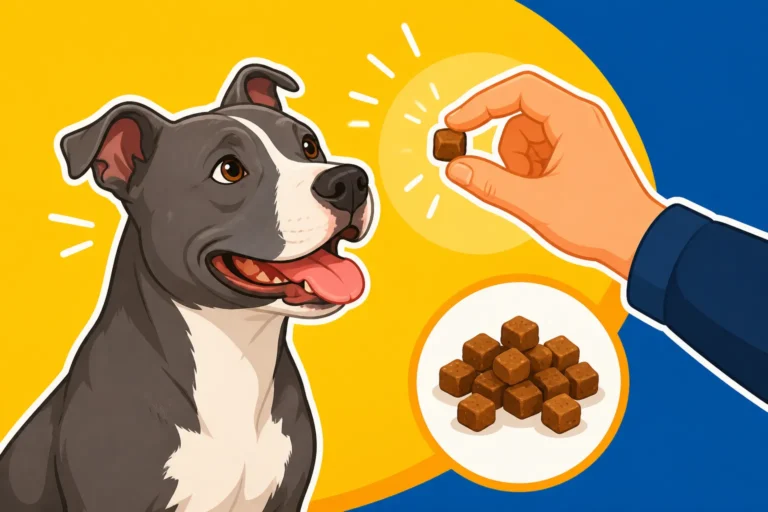
- Account for Treats: This is a big one! Those little training treats, dental chews, or "just because" snacks add up fast. They can easily contribute hundreds of extra calories to your Pit Bull's day. When you're trying to achieve weight loss, treats should be drastically reduced or replaced with low-calorie alternatives like small pieces of plain cooked chicken, green beans, or carrots. And always remember: any treats given must be factored into their daily calorie total. If you're still doing regular training, choose tiny, high-value treats and deduct their calories from the main meal. For more on managing treat calories, check out Treat Costs Through Pit Bull Training.
- Avoid Table Scraps: This might be tough, especially if your Pit Bull gives you those soulful eyes, but table scraps are a definite no-go for a dog on a diet. They often contain high fat, sugar, and ingredients that are unhealthy or even toxic for dogs.
- Puzzle Feeders and Slow Feeders: These can be invaluable tools. They make your Pit Bull "work" for their food, slowing down ingestion and providing mental stimulation. This can help them feel more satisfied with their meal, even if it's smaller. You can find a wide variety of puzzle feeders and slow-feed bowls on sites like Amazon or Chewy.
Consistency is key. Stick to the plan, measure diligently, and resist the urge to "cheat" with extra treats or food, no matter how much your Pit Bull tries to convince you!
Exercise Strategies for a Slimmer Pit Bull
While diet is paramount for weight loss, exercise plays a crucial supporting role. It helps burn calories, builds and maintains valuable muscle mass, and is fantastic for mental well-being. However, for an overweight Pit Bull, especially one not used to much activity, you need to approach exercise thoughtfully and gradually to avoid injury.
Low-Impact Activities to Start
When your Pit Bull is carrying extra weight, their joints are under more strain. High-impact activities like jumping, intense running, or quick stops and starts can put them at risk for injury. The goal initially is to get them moving consistently without stressing their body.
Here are some excellent low-impact activities to start with:
- Leash Walks: This is the simplest and most accessible form of exercise. Start with shorter, slower walks and gradually increase the duration and pace as your Pit Bull's stamina improves. Aim for multiple short walks throughout the day rather than one long, exhausting one. A brisk 20-30 minute walk twice a day is a great starting point. Focus on consistency. The Daily Exercise a Pit Bull Actually Needs offers more insights into tailoring their activity.
- Swimming: If you have access to a safe swimming environment (a dog-friendly pool, lake, or beach), swimming is a fantastic full-body, no-impact exercise. It builds muscle and burns calories without any stress on their joints. Always supervise your Pit Bull in water, especially if they are new to swimming, and consider a dog life vest for safety.
- Gentle Play: Engage your Pit Bull in short, controlled play sessions in the yard. Think gentle tug (with clear rules of engagement), soft fetch with a bouncy ball, or hide-and-seek with treats. Avoid intense, prolonged games that might lead to them becoming overheated or overly strained. Keep these sessions brief and positive, focusing on engagement rather than high intensity.
Remember, the key is consistency and avoiding overexertion. Watch your Pit Bull for signs of fatigue, overheating, or discomfort, and always provide plenty of fresh water.
Gradually Increasing Intensity and Duration
As your Pit Bull starts to shed some pounds and their stamina improves, you can gradually increase the intensity and duration of their exercise. This progression is important to continue calorie burning and muscle development.
- Longer, Faster Walks: Once they are comfortable with their initial walks, start extending the time or picking up the pace. A brisk walk should make them breathe a little harder but not be so strenuous they're panting excessively or lagging behind. Aim to reach an hour of walking a day, split into two or three sessions, if possible.
- Incorporating Inclines: Walking uphill or using stairs (if their joints allow) can add intensity without high impact. Just ensure it's a gradual introduction.
- Interval Training (Once Fit): For a fitter Pit Bull, short bursts of higher-intensity activity followed by periods of rest can be very effective. This could be a minute of fast jogging followed by two minutes of walking, repeated several times. This should only be introduced once they've built up a good base level of fitness and have shed a significant amount of weight.
- Structured Play: Introduce more vigorous games like longer fetch sessions or using a flirt pole for short bursts of chase, ensuring soft landings and appropriate surfaces. Always monitor your Pit Bull for signs of discomfort or overheating, especially on warmer days. Avoid forcing them to continue if they seem tired or unwilling. Building Pit Bull Fitness Safely is a process, not a race.
A good rule of thumb is to increase exercise duration or intensity by no more than 10-15% each week. This slow, steady increase helps prevent injuries and burnout, allowing their body to adapt safely.
Mental Stimulation Beyond Physical Exertion
Weight loss isn't just about physical activity; it's also about addressing overall well-being. An overweight Pit Bull might be bored, stressed, or under-stimulated, which can contribute to excessive eating or lethargy. Mental stimulation is just as vital as physical exercise.
- Puzzle Toys and Kongs: As mentioned under diet, puzzle feeders are excellent for making meal times last longer and providing a mental challenge. Stuffing a Kong with part of their meal and freezing it can keep them occupied for a good while. These are readily available on platforms like Amazon and Chewy.
- Scent Games: Pit Bulls love to use their noses! Hide treats (from their daily allowance, of course!) around the house or yard and let them sniff them out. This engages their natural instincts and is a low-impact way to burn mental energy.
- Training Sessions: Short, regular training sessions don't just reinforce good manners; they're also mentally tiring for dogs. Work on basic obedience, new tricks, or even advanced skills. The focus and problem-solving required will tire them out in a different, but equally valuable, way than a run around the park. Building a Pit Bull's Impulse Control is a great training goal that also provides mental enrichment.
- Socialization (if appropriate): Controlled, positive interactions with other well-behaved dogs can be stimulating and fun, but only if your Pit Bull enjoys canine company and is properly socialized. Always supervise closely.
By combining careful dietary adjustments with a progressive, appropriate exercise plan and plenty of mental enrichment, you'll be well on your way to helping your Pit Bull achieve a healthy weight safely and sustainably. It takes dedication, consistency, and patience, but the reward of a healthier, happier companion is absolutely worth it.
| Body Condition Score (BCS) | Description | Rib Test | Abdominal Tuck |
|---|---|---|---|
| 1-3 (Too Thin) | Ribs, spine, and pelvic bones easily visible, severe waist tuck. | Ribs very easily felt and often visible, no fat cover. | Severe, exaggerated tuck. |
| 4-5 (Ideal) | Ribs easily felt without excess fat cover, obvious waist tuck, belly tucks up. | Ribs easily felt, slight fat cover, like running hand over knuckles. | Clearly visible tuck from side; hourglass shape from above. |
| 6-7 (Overweight) | Ribs palpable with some effort, waist visible but not prominent, belly slightly rounded. | Ribs palpable with moderate pressure, definite fat layer. | Less pronounced tuck, straighter line from chest to pelvis; no clear waist from above. |
| 8-9 (Obese) | Ribs difficult to feel under thick fat, no waist or abdominal tuck, distended belly. | Ribs very difficult or impossible to feel due to thick fat deposits. | No tuck, belly may sag or be distended; broad, rounded back from above. |
Disclaimer
This article is for general informational purposes only and does not constitute professional advice. Laws, prices and regulations vary by location and change over time. Consult a qualified professional for guidance on your specific situation.