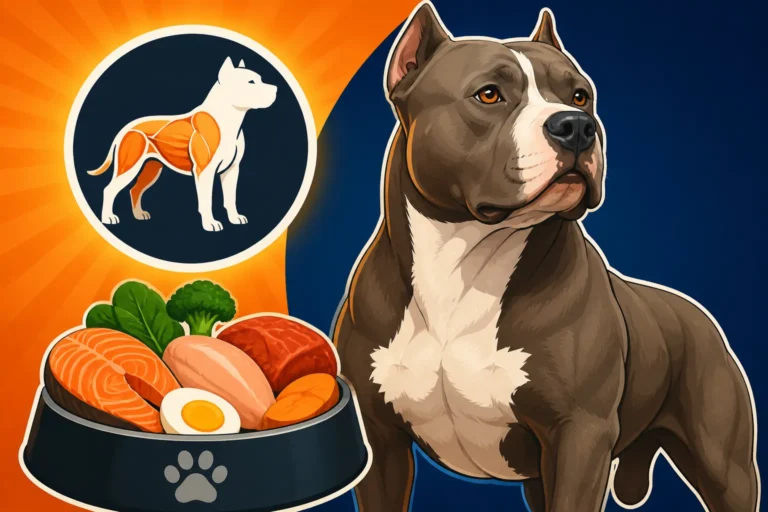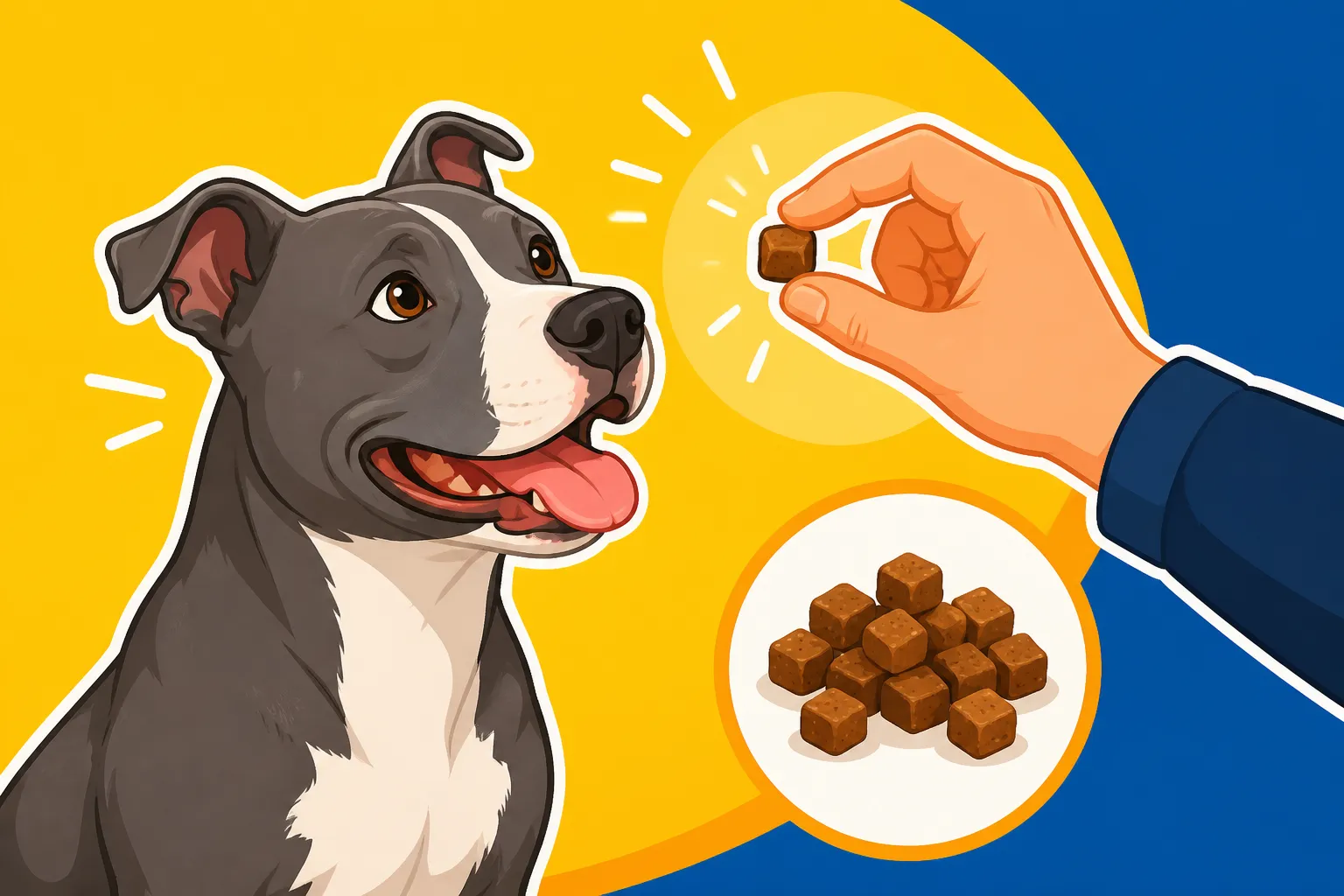
Treats Small Enough for Repeated Pit Bull Training
One of the biggest hurdles many Pit Bull owners face, especially when they’re committed to consistent positive reinforcement, is finding the right treats. You know your powerful, intelligent Pit Bull needs a lot of repetitions to truly master a new behavior, but if every reward is a large, calorie-dense chunk, you're looking at a dog that's either overfed by the end of the day or so full they lose interest halfway through the session. This guide is all about helping you navigate the world of training treats to find those perfect, tiny powerhouses that fuel focus without packing on the pounds, ensuring your training remains effective and your Pit Bull stays healthy.
The Undeniable Importance of Tiny Treats in Pit Bull Training
When you’re working with a Pit Bull, whether it's teaching them basic manners like "sit" and "stay" or more advanced impulse control around distractions, you're going to use a lot of treats. These dogs are smart, eager to please (especially for a reward!), and respond incredibly well to positive reinforcement. But the sheer volume of repetitions needed means that treat size isn't just a minor detail – it’s a critical component of successful, sustainable training.
Preventing Calorie Overload and Weight Gain
Imagine giving your Pit Bull a half-inch cube of cheese for every single successful "watch me." If you do 50 repetitions in a session, that's already a significant caloric intake. Over the course of a day, with multiple short training bursts, those calories add up incredibly fast. Pit Bulls, with their muscular builds, can sometimes mask early signs of weight gain, but excess weight puts undue strain on their joints, contributes to lethargy, and can even shorten their lifespan. It's a real frustration when you're trying to do right by your dog through training, only to realize you might be inadvertently contributing to health issues. Smaller treats allow you to give more rewards without overfeeding, keeping your Pit Bull lean and active. This careful management of calories is crucial, especially as they age, to prevent issues like Pit Bull Obesity and Joint Strain.
Maintaining Focus During Repetitive Sessions
A large, chewy treat can be a fantastic reward for a big achievement, but for rapid-fire training, it's a huge distraction. If your Pit Bull has to take ten seconds to chew and swallow a treat, that’s ten seconds where their focus isn't on you or the next cue. For behaviors that require quick consecutive actions, or for proofing a behavior in a distracting environment, you need a treat that can be gobbled down in a flash. This quick consumption allows for immediate re-engagement, making the training flow smoothly and keeping your dog's attention firmly on the task at hand. It's about maximizing the "reinforcement rate"—the number of times you can reward your dog per minute.
The Pit Bull's Powerful Motivation for Food
Pit Bulls are, generally speaking, highly food-motivated dogs. This is a huge asset in training! They want that reward, and they'll work hard for it. However, if the treat is too big or too difficult to eat, even their strong motivation can wane. Think of it from their perspective: "Why bother doing another perfect 'down-stay' if it takes me this long to get the prize?" By offering tiny, irresistible morsels, you tap into that inherent food drive efficiently. It keeps the energy high, the tail wagging, and the brain engaged. You want that constant positive feedback loop to build strong, reliable behaviors. Finding High-Value Treats That Hold a Pit Bull's Focus is key, and often, smaller means more efficient.
Deconstructing the Ideal Small Training Treat
So, what exactly are we looking for in these miniature marvels of motivation? It's not just about size. The perfect small training treat strikes a balance between palatability, texture, and nutritional value, all while being easy for you to handle and deliver.
Prioritizing Palatability and High Value
For a treat to be truly effective in training, especially when you're asking for effort or focus in a new or challenging situation, it needs to be "high value" to your Pit Bull. This means it's something they absolutely adore. For some dogs, this might be a simple piece of cooked chicken; for others, it could be a gourmet salmon bite. The key is that your dog finds it exceptionally rewarding. You want a treat that makes their eyes light up and their focus laser-sharp. While you can sometimes get away with lower-value treats for already-mastered behaviors in calm environments, for teaching new things or working through distractions, reach for their favorites. Remember that even small, low-calorie options can be high-value if they are intensely flavorful.
Texture and Size for Swift Consumption
Beyond taste, the physical characteristics of the treat are paramount. We're aiming for something that's literally pea-sized, or even smaller for very frequent rewards. Think tiny crumbs, not chunks.
- Soft and Chewy: These are often best because they can be swallowed quickly without much chewing, minimizing interruption to the training flow. They also tend to be more aromatic, which boosts their perceived value. Examples include soft commercial training treats or small pieces of cooked meat or cheese.
- Easily Breakable: If you buy larger soft treats, make sure they can be easily broken into smaller pieces without crumbling into dust. This allows you to get more mileage out of a single product.
- Minimal Crumble: Crunchy treats can work, but avoid anything too crumbly, as it leaves a mess and can slow down the dog as they try to pick up every last morsel. Plus, crumbs attract ants or other pests if you're training outdoors.
Ingredient Quality and Digestibility
While we're talking tiny treats, their nutritional impact still matters. Opt for treats with wholesome, easily digestible ingredients. Avoid artificial colors, flavors, or excessive fillers that offer no nutritional benefit and could potentially upset sensitive stomachs. If your Pit Bull has allergies, this becomes even more crucial. Look for single-ingredient options or those with limited, identifiable ingredients. Many commercial brands are now offering grain-free or novel protein options which can be great for dogs with sensitivities. Remember, you're feeding these frequently, so you want them to be good for your dog's overall health, contributing positively to their Pit Bull Weight and Muscle on a Working Frame.
Your Options: Commercial vs. Homemade Training Treats
When it comes to sourcing those perfect training treats, you essentially have two main paths: heading to the pet store or your favorite online retailer, or getting a little creative in your own kitchen. Both have their merits, and many owners find a balance between the two.
Navigating the Commercial Treat Aisle
The market is flooded with commercial training treats, which can be both a blessing and a curse. On one hand, there's incredible variety; on the other, it can be overwhelming to choose. Here’s what to look for:
- Small Size, Soft Texture: Many brands specifically market "training treats" that are already small and soft. Look for labels like "mini" or "bite-sized."
- Low Calorie: Check the nutritional information. Some brands offer lower-calorie versions, which is fantastic for intensive training. You can often find these options on major pet supply sites like Chewy.
- High Palatability: Brands such as Zuke's Mini Naturals, Wellness Soft Puppy Bites (even for adult dogs!), or Bil-Jac liver treats are often popular choices known for their strong appeal. Many owners also find success with freeze-dried single-ingredient treats, which can be broken down further.
- Ingredient Transparency: Always read the ingredient list. Prioritize real meat, vegetables, and fruit, and be wary of long lists of unpronounceable chemicals.
One common frustration is that even "mini" treats can sometimes be too large for continuous, rapid-fire training. Don't be afraid to take a pair of kitchen shears and cut even these small commercial treats into even tinier pieces. This not only stretches your treat supply but ensures they're consumed almost instantly. You can easily stock up on these kinds of treats through a platform like Amazon for convenience.
Crafting Your Own Budget-Friendly Bites
Making your own training treats gives you complete control over ingredients, which is a huge advantage, especially for Pit Bulls with Pit Bull Skin Allergies and the Atopy Pattern or Food Allergies Behind Pit Bull Itching. It can also be incredibly cost-effective.
- Cooked Meats: Boiled chicken breast, turkey, or lean beef cut into minuscule pieces are gold for many dogs. Ensure there's no seasoning.
- Cheese: Small cubes of cheddar or mozzarella can be highly motivating. Be mindful of the fat content, though, and use sparingly.
- Cooked Liver: Baked or boiled liver (chicken, beef, or lamb) is often a super high-value treat. It's potent and can be cut into tiny morsels.
- Scrambled Egg: Plain scrambled egg, cooled and diced, is another excellent option.
- Sweet Potato/Pumpkin: Small, baked cubes of sweet potato or pureed pumpkin (canned, plain) spread thinly and baked into 'jerky' can be great, low-calorie options.
Recipe Idea: "Pit Bull Power Squares"
- Ingredients: 1 cup whole wheat flour (or alternative like oat flour for sensitive dogs), 1/2 cup pureed pumpkin or sweet potato, 1/4 cup unsweetened applesauce, 1 egg.
- Instructions: Mix all ingredients until a dough forms. Roll out thinly (about 1/8 inch thick) on a floured surface. Cut into tiny squares (1/4 inch or smaller). Bake at 350°F (175°C) for 15-20 minutes until firm and dry. Let cool completely. Store in an airtight container in the fridge for up to a week, or freeze for longer storage.
The beauty of homemade treats is that you can adjust the size precisely to your training needs. This approach allows you to tailor your Pit Bull's diet while actively engaging in training, and also helps manage Treat Costs Through Pit Bull Training.
Considering Novel Proteins for Sensitive Stomachs
For Pit Bulls prone to allergies or gastrointestinal upset, choosing the right treat is paramount. Many common protein sources like chicken or beef can be allergens for some dogs. This is where "novel proteins" come into play. A novel protein is simply a protein source that your dog hasn't been exposed to much, if at all, thereby reducing the likelihood of an allergic reaction.
- Commercial Novel Protein Treats: Many pet food companies, including those found on Ollie or Chewy, now offer single-ingredient or limited-ingredient treats featuring proteins like duck, rabbit, venison, lamb, or even alligator. These can be excellent for food trials or long-term management of allergies.
- Homemade Novel Proteins: You can easily prepare novel proteins yourself. Purchase lean cuts of duck, rabbit, or venison and boil or bake them plain, then dice them into tiny pieces. Always introduce new foods slowly and observe your dog for any adverse reactions. If you're running An Eight Week Food Trial on an Itchy Pit Bull, homemade treats with the trial protein are essential to avoid cross-contamination from other ingredients. This meticulous approach is vital to uncover Pit Bull Food Allergy Signs Beyond the Skin.
Integrating Small Treats into Your Daily Training Strategy
Having the right treats is only half the battle; knowing how to use them effectively is the other. Strategic use of small treats maximizes their impact, maintains your Pit Bull's motivation, and helps prevent overfeeding.
Smart Portioning and Strategic Reward Timing
It’s not just about the size of the treat, but also how many you give and when.
- Micro-Treats for Most Reps: For the majority of your training repetitions, use those pea-sized or smaller micro-treats. This allows you to reward frequently and quickly, especially when working on a new skill or in a distracting environment. If your Pit Bull is struggling with focus, increasing your reward rate with these tiny treats can often bring them back into the game.
- Jackpots for Breakthroughs: Occasionally, for a truly exceptional effort, a major breakthrough, or performing perfectly in a very challenging situation, deliver a "jackpot"—a handful of those tiny treats all at once, or a slightly larger, extra-special treat. This teaches your Pit Bull that extraordinary effort can yield an extraordinary reward, reinforcing those big wins.
- Timing is Everything: Deliver the treat immediately (within 1-3 seconds) after your Pit Bull performs the desired behavior. The smaller the treat, the faster you can get it to them, linking the action directly to the reward. This precision in timing makes the learning process much clearer for your dog. For example, when training recall, if your Pit Bull comes the instant you call, a quick, tiny treat the moment they reach you is much more effective than a delayed larger one. It helps to Build a Pit Bull's Impulse Control by clearly marking the right choice.
Rotating Treats to Keep the Excitement Alive
Even the highest-value treat can become a little less exciting if it's the only treat your Pit Bull ever gets. Just like humans, dogs appreciate variety!
- Keep Them Guessing: Rotate through 2-3 different high-value, small treats. One day it might be freeze-dried liver, the next cooked chicken, the next a commercial soft treat. This keeps your Pit Bull engaged and eager, as they never quite know what delicious surprise is coming next.
- Contextual Value: Reserve the absolute highest-value treats for the most challenging training situations. If you're working on leash manners around other dogs, for example, you'll want something incredibly motivating. For simple "sits" at home, a slightly less exciting (but still loved) treat might suffice.
- Consider Food as Reward: Don't forget that a portion of your Pit Bull's regular kibble can also be used for training, especially for maintenance of known behaviors or during meal times. This is an excellent way to use their daily food allowance as a training tool without adding extra calories. For instance, portioning out their Two Measured Meals a Day for a Pit Bull and using small handfuls throughout the day for short training sessions.
When to Elevate the Reward Value
While tiny treats are generally ideal for repeated training, there are specific scenarios where you might want to use something slightly larger or even more potent to mark an exceptionally good effort or overcome a significant challenge.
- Major Distractions: If you're trying to get your Pit Bull to focus on you amidst a busy park, around other dogs, or in a noisy environment, you might need to pull out the "big guns." This could be a slightly larger piece of exceptionally delicious deli meat, a dollop of squeeze cheese, or a piece of their absolute favorite chew that you can quickly break off. The goal here is to make your reward more compelling than the distraction.
- New, Complex Behaviors: When teaching a truly novel or complex chain of behaviors, a higher-value, slightly larger treat can help your Pit Bull understand that they've really nailed something significant. This isn't about giving them a giant chew, but perhaps a piece of treat that's a bit more substantial than your pea-sized standard.
- Proofing and Generalization: Once your Pit Bull understands a command, you need to "proof" it, meaning they can perform it reliably in various locations and under different circumstances. Successfully performing a known command in a brand-new, highly distracting environment might warrant a slightly elevated reward to solidify that generalization. This is part of Training a Pit Bull to a Higher Standard Than Other Dogs, where their ability to perform under pressure is paramount.
Using a variety of treats, from the smallest morsels to occasional jackpots, keeps your Pit Bull excited, engaged, and motivated, leading to a well-trained and happy companion.
Here’s a quick comparison of some common small training treat types:
| Treat Type | Value to Dog (Typical) | Calorie Density (Typical) | Ease of Use in Training | Notes |
|---|---|---|---|---|
| Commercial Soft Bites | Medium to High | Low to Medium | Very Easy | Pre-cut, often palatable. |
| Freeze-Dried Meat | High | Low | Easy (if broken small) | Often single-ingredient, great for allergies. |
| Boiled Chicken/Turkey | High | Low | Easy (if pre-prepped) | Excellent control over ingredients. |
| Lean Cheese Cubes | High | Medium | Easy | Highly motivating, but use sparingly due to fat. |
| Plain Cooked Liver | Very High | Low to Medium | Easy (if pre-prepped) | Potent smell, fantastic motivator, can be messy. |
| Sweet Potato/Pumpkin Bites | Low to Medium | Very Low | Easy (if pre-prepped) | Great for calorie restriction, but may not motivate all dogs. |
| Kibble (Daily Ration) | Low | Low | Very Easy | No added calories, useful for maintenance. |
Disclaimer
This article is for general informational purposes only and does not constitute professional advice. Laws, prices and regulations vary by location and change over time. Consult a qualified professional for guidance on your specific situation.