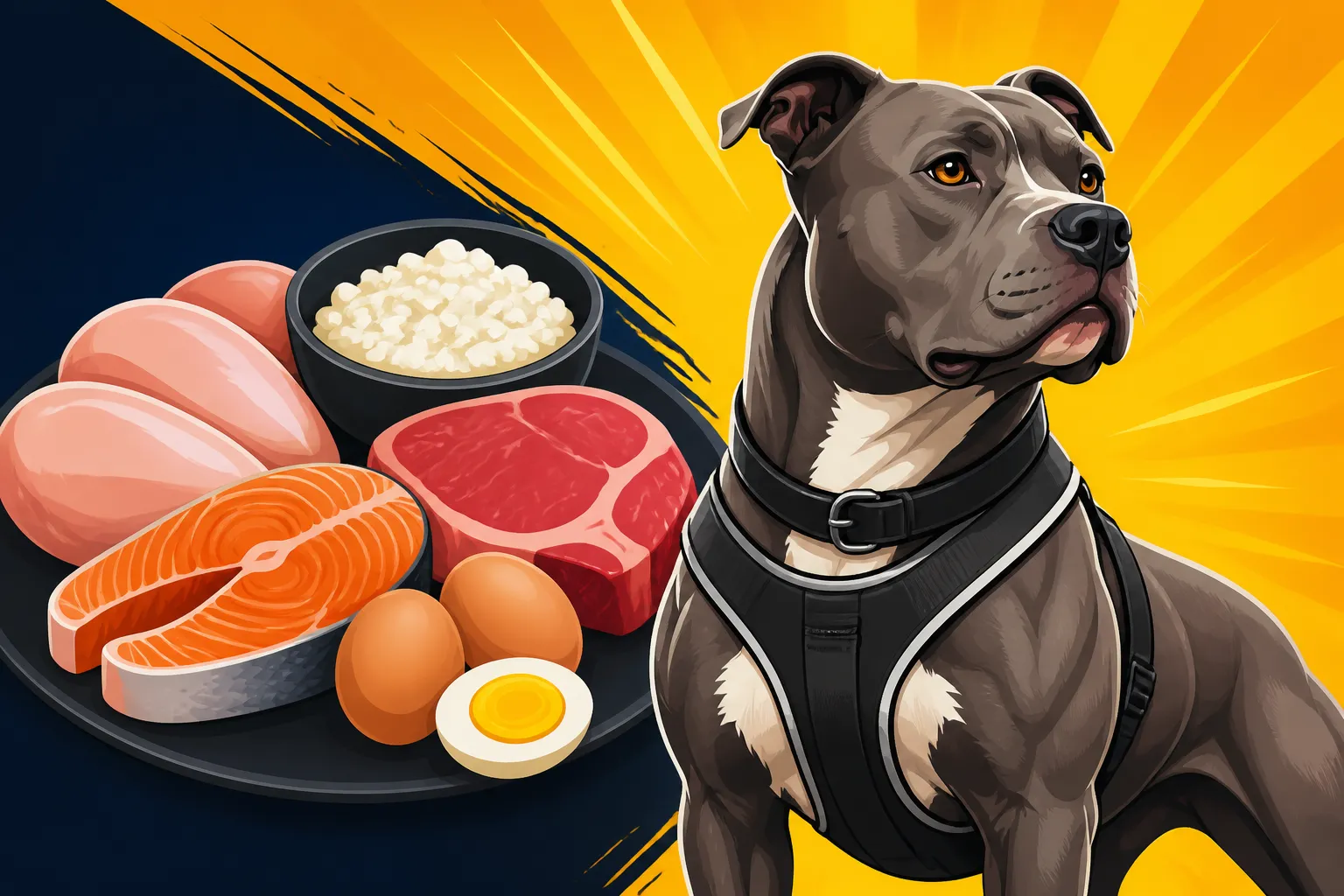
High Protein Food and a Working Pit Bull
If you've got a Pit Bull that's more than just a couch potato – maybe they're hitting the trails with you, competing in dog sports, or just have an incredibly active lifestyle – you've probably wondered if their diet is truly supporting their demanding energy levels and powerful physique. It's a common frustration for owners of strong, athletic dogs: how do you fuel that incredible muscle and stamina without overfeeding, or worse, underfeeding, their specific needs? This guide is here to dive deep into understanding why high-protein food might be essential for your working Pit Bull, what to look for, and how to ensure their diet is truly optimized for their performance and long-term health.
Understanding the Energy Demands of a Working Pit Bull
When we talk about a "working" Pit Bull, we're not necessarily talking about a dog with a formal job title. We're referring to any Pit Bull that consistently engages in moderate to high-intensity physical activity. These dogs have impressive musculature and a boundless drive, and their dietary needs are significantly different from a less active companion animal. Ignoring these distinctions can lead to issues ranging from insufficient energy to muscle loss or even injury.
Defining "Working" for a Pit Bull
For a Pit Bull, "working" can encompass a wide range of activities. It could be the dog that accompanies you on daily long-distance runs, pulling you along with enthusiasm. It might be the agility star, leaping over hurdles and weaving through poles with incredible speed and precision. Perhaps it's your weight-pulling champion, demonstrating immense strength and endurance in competition. Even a Pit Bull that spends hours in intense fetch sessions, dock diving, or engaging in demanding scent work is considered a working dog in this context. These aren't dogs content with a casual stroll around the block; their bodies are built for power and sustained effort, and their diet needs to reflect that. They're expending significant energy, burning calories, and putting strain on their muscles and joints, all of which require a robust nutritional foundation to prevent breakdown and support recovery.
A working Pit Bull is an athlete, pure and simple. Just like human athletes, their bodies need specific fuel to perform at their best and recover efficiently. Think about the difference in diet between a marathon runner and someone who walks once a week; the caloric and macronutrient needs are vastly different. Your Pit Bull is no different. They need more than just a maintenance diet; they require a performance-enhancing one that considers their unique metabolism and physical output.
Calorie and Nutrient Needs for High Activity
Beyond just protein, a truly active Pit Bull requires a higher overall caloric intake to match their energy expenditure. This isn't about making them chunky; it's about providing enough fuel to prevent their body from breaking down muscle for energy. The ideal caloric target will vary widely based on your individual dog's size, age, metabolism, and the intensity and duration of their activity. It's a delicate balance, as too many calories will lead to unwanted weight gain, while too few will result in lethargy and poor performance. You might find it helpful to explore resources on The Calorie Target for a Lean Pit Bull to better understand this balance.
Beyond raw calories, the composition of those calories matters immensely. Working Pit Bulls generally benefit from diets higher in fat and protein, with carbohydrates providing quick bursts of energy. Fats are a dense source of calories and provide sustained energy, which is crucial for endurance activities. High-quality fats also support skin and coat health, which can be an issue for some Pit Bulls, especially those with sensitivities. While protein is the star of the show for muscle, a good balance of healthy fats ensures their energy reserves are topped up, preventing muscle catabolism during prolonged exercise.
The Role of Protein in a Working Pit Bull's Diet
Protein isn't just a buzzword in dog food marketing; it's a fundamental building block for every cell in your Pit Bull's body. For a working dog, its importance is amplified due to the constant demands placed on their muscular system. Without adequate protein, their powerful physique cannot be maintained, repaired, or strengthened.
Why Protein is Crucial for Muscle Maintenance and Repair
Imagine your Pit Bull powering through a long session of retrieving or pushing a weight sled. Every flex, every jump, every powerful stride causes microscopic tears in their muscle fibers. This isn't necessarily a bad thing; it's a natural part of exercise that signals the body to rebuild those fibers stronger and more efficiently. But for this rebuilding to happen, your dog needs a steady supply of amino acids, which are the fundamental components of protein. If your Pit Bull isn't getting enough high-quality protein, their body will struggle to repair these tears, leading to slower recovery times, potential muscle loss, and an increased risk of injury. Protein helps ensure that the muscle mass they've worked so hard to build is maintained and even enhanced over time. For more on maintaining that powerful build, check out Feeding a Pit Bull for Lean Muscle.
Protein also plays a vital role in synthesizing hormones, enzymes, and antibodies, all of which are critical for overall health, immune function, and efficient metabolism. A robust immune system is particularly important for working dogs who might be exposed to various environments and stressors. Beyond muscle, protein supports healthy skin, a glossy coat, and strong nails – all indicators of a well-nourished and thriving Pit Bull. When looking at the overall picture of Pit Bull Weight and Muscle on a Working Frame, protein is undeniably a cornerstone.
How Much Protein is "High Protein" for an Active Pit Bull?
What constitutes "high protein" can be a bit subjective, but for an active Pit Bull, most canine nutritionists would suggest a diet where protein makes up at least 25-30% of the dry matter content, and often higher for truly intense working dogs, sometimes reaching 35% or even 40%. It's not just the percentage, however, but the quality and source of that protein.
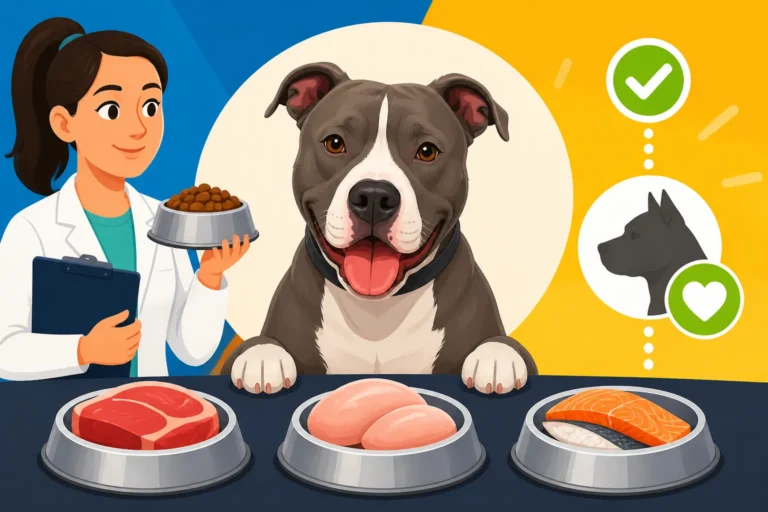
Look for diets where the first few ingredients are named animal proteins like "chicken meal," "lamb," "beef," or "fish." "Meal" ingredients can actually be more concentrated sources of protein than whole meats because the water content has been removed. Avoid vague terms like "meat by-products" if possible, as these can be less digestible and of lower nutritional value. While some plant-based proteins can contribute, the primary sources for a carnivore like a dog should always be animal-derived, as they provide a more complete amino acid profile.
Consider your Pit Bull's specific activity level. A dog that's doing an hour of intense work daily will have higher protein needs than one that's just very active in the yard. It's about finding the sweet spot that supports their muscle mass and recovery without overloading their system.
Balancing Protein with Other Macronutrients
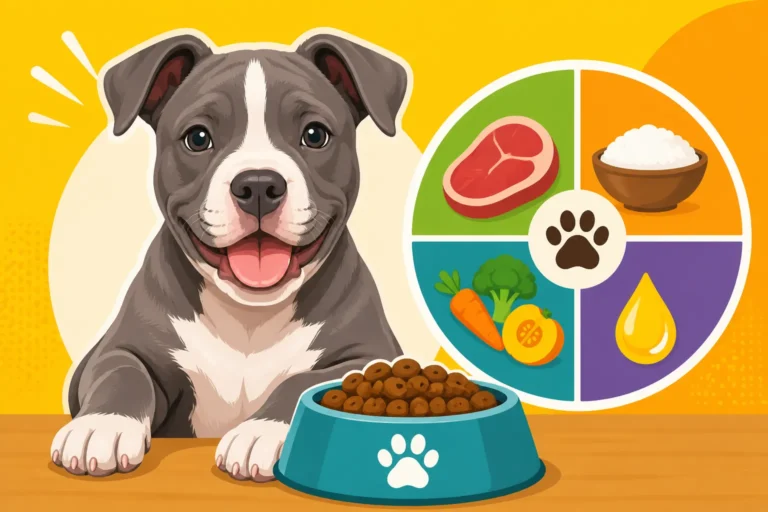
While protein is essential, it's not the only piece of the puzzle. A truly optimal diet for a working Pit Bull needs a careful balance of all three macronutrients: protein, fats, and carbohydrates.
- Fats: These are the primary source of concentrated energy for endurance. For active Pit Bulls, a diet with a fat content ranging from 15-25% is often appropriate. Healthy fats like chicken fat, fish oil (rich in Omega-3s), and flaxseed can provide sustained energy, support healthy joints, and maintain a vibrant coat. Remember, fat provides more than twice the calories per gram compared to protein or carbohydrates, so it's a very efficient energy source. It’s critical for providing the energy needed for Pit Bull Exercise for a Powerful Athletic Dog.
- Carbohydrates: While often maligned, complex carbohydrates in moderation provide quick energy for bursts of speed and aid in glycogen replenishment after strenuous exercise. Good sources include sweet potatoes, peas, and brown rice. They shouldn't be the dominant ingredient but play an important supporting role. Simple sugars and highly processed grains, however, offer little nutritional value and can lead to energy crashes.
- Vitamins and Minerals: Don't forget the micronutrients! These are critical for countless bodily functions, from bone health to nerve transmission and immune response. Look for foods fortified with essential vitamins and minerals, and consider supplements like glucosamine and chondroitin for joint support, especially for active, muscular breeds prone to orthopedic issues. Joint Support for a Heavily Muscled Pit Bull is a critical aspect of their long-term care.
Choosing the Right High-Protein Food for Your Pit Bull
Navigating the world of dog food can feel overwhelming with endless brands and claims. For a working Pit Bull, being an informed consumer is paramount. You're not just buying food; you're investing in their performance and longevity.
Decoding Food Labels and Ingredient Lists
The ingredient list is your most powerful tool. Here's what to keep in mind:
- Meat First: The first ingredient (and ideally the first few) should be a named animal protein. This signifies that meat is the primary component of the food. "Chicken," "beef," "lamb," "salmon," "duck" – these are all good signs.
- Named Meat Meals: "Chicken meal," "lamb meal," etc., are excellent. As mentioned, the water has been removed, making them concentrated sources of protein. Just ensure it's a named meal.
- Avoid Vague Terms: Terms like "meat by-products," "animal digest," or "poultry fat" are less desirable as their source can vary and may not be as high quality. Similarly, "grain-free" doesn't automatically mean "better." Some grain-free foods replace grains with other starches like potatoes or legumes, which may not be superior and, in some cases, have been linked to other health concerns.
- Fat Sources: Look for healthy fat sources like chicken fat, salmon oil, or flaxseed. These provide essential fatty acids.
- Digestible Carbs: If carbs are included, look for whole, complex sources like sweet potatoes, peas, or whole grains (if not grain-free). These offer sustained energy without blood sugar spikes.
- AAFCO Statement: Always check for an AAFCO (Association of American Feed Control Officials) statement. This indicates the food meets minimum nutritional requirements. For a working dog, ensure it states "for all life stages" or "for growth and reproduction," as "maintenance" diets might not be sufficient for their higher needs.
When you're browsing options online, whether it's on a site like Chewy or searching through the vast selection on Amazon, take the time to click through and read the full ingredient list and nutritional analysis. Don't just go by the marketing on the front of the bag.
Different Types of High-Protein Diets
The market offers various forms of high-protein diets, each with its own advantages and considerations for a working Pit Bull:
- Dry Kibble (High-Quality): This is the most common and often most convenient option. Look for premium brands specifically formulated for active or working dogs, which tend to have higher protein and fat content. The key here is quality ingredients and reputable manufacturers. It's often the most cost-effective way to get the calories and protein your dog needs.
- Wet/Canned Food: Generally higher in moisture and often more palatable, wet food can be a good way to boost hydration and add extra protein. However, it's typically more expensive per calorie, so it's often used as a topper or for dogs with very specific needs or dental issues.
- Fresh/Cooked Diets: Services like Ollie (and many others) offer pre-portioned, human-grade, fresh meals. These can be excellent for digestibility and palatability, often containing visible whole ingredients. They usually feature high-quality protein sources. The main downsides are cost and the need for refrigeration. For a working dog, ensuring the caloric density is high enough from these diets can be a consideration.
- Raw Diets (BARF or PMR): Proponents of raw feeding argue that it's the most biologically appropriate diet, offering highly digestible protein and natural enzymes. However, raw feeding requires extensive research to ensure nutritional completeness and safety from pathogens. It's not for the faint of heart and requires careful handling and balancing, especially for a working dog with specific energy and nutrient demands. If not done correctly, it can lead to severe nutritional deficiencies or bacterial contamination risks.
When considering any diet type, think about how it fits into your lifestyle, your budget, and most importantly, your Pit Bull's individual needs. Consistency and nutritional completeness are paramount.
Considerations Beyond Protein Content
While protein is critical, a truly well-formulated diet for a working Pit Bull goes further.
- Digestibility: High-quality ingredients mean better digestibility. If your dog isn't absorbing the nutrients, it doesn't matter how high the protein content is. Signs of good digestibility include firm, well-formed stools and a healthy body condition.
- Joint Support: Active, powerful breeds like Pit Bulls put significant stress on their joints. Look for foods that include ingredients like glucosamine, chondroitin, and Omega-3 fatty acids (DHA/EPA) from fish oil. These can help support joint health and reduce inflammation, which is vital for long-term mobility and performance. You can delve more into this topic with resources like Arthritis in a Pit Bull at Seven.
- Antioxidants: Working dogs generate more free radicals due to increased metabolic activity. Antioxidants (from fruits, vegetables like blueberries, carrots, kale, and vitamins E and C) help combat oxidative stress and support overall cellular health and recovery.
- Probiotics/Prebiotics: A healthy gut microbiome is crucial for nutrient absorption and immune function. Some high-quality foods include prebiotics (fiber that feeds beneficial gut bacteria) and probiotics (beneficial live bacteria) to support digestive health. If your Pit Bull experiences digestive upset, supplementing with probiotics can often help to Settling a Pit Bull Stomach After Antibiotics.
- Ingredient Sensitivities: Many Pit Bulls are prone to skin allergies and food sensitivities. If your dog shows signs of itching or digestive upset, a high-protein diet should still prioritize novel proteins or limited ingredient formulas. An Eight Week Food Trial on an Itchy Pit Bull might be necessary to pinpoint specific allergens, even when feeding high-protein.
Monitoring Your Working Pit Bull's Health and Performance on a High-Protein Diet
Switching to a high-protein diet, or any new diet for that matter, requires careful observation. Your Pit Bull's body will tell you whether the food is truly working for them. This isn't a "set it and forget it" situation; it's an ongoing process of assessment and adjustment.
Signs of a Well-Nourished Working Dog
When your Pit Bull is thriving on their high-protein, performance-oriented diet, you'll see tangible results.
- Consistent Energy Levels: They should have sustained energy throughout their training sessions or activities, without significant dips or crashes. They should also recover well, not seeming overly fatigued the next day.
- Lean Muscle Mass: You should be able to feel their ribs without seeing them, and clearly observe their waist tucking up from their powerful chest. Their muscles should be firm and well-defined, not flabby. For guidance, refer to Telling Muscle From Fat on a Pit Bull.
- Healthy Coat and Skin: A glossy, soft coat with no excessive shedding (beyond normal seasonal cycles), and clear, healthy skin free from redness, flaking, or excessive itching, are all good indicators. Pit Bull Coat Shine and What It Reflects often speaks volumes about their diet.
- Good Digestive Health: Regular, firm, well-formed stools that are easy to pick up are a sign that their digestive system is processing the food efficiently and absorbing nutrients properly.
- Enthusiasm and Mental Focus: A well-fed dog often has better mental clarity and enthusiasm for training and activities. They're ready to engage and maintain focus, crucial for any working endeavor. Getting a Pit Bull Back Into Condition is as much about mental readiness as physical.
Potential Pitfalls and How to Avoid Them
Even with the best intentions, high-protein diets can sometimes lead to issues if not managed correctly.
- Kidney Strain: This is a common concern raised about high-protein diets, but it's largely misunderstood. For healthy dogs with no pre-existing kidney disease, a high-protein diet generally does not cause kidney damage. However, if a dog already has compromised kidney function, reducing protein can help manage the workload on the kidneys. This is why a vet check-up is crucial before making major dietary changes.
- Digestive Upset: Suddenly switching to a high-protein diet can cause stomach upset, diarrhea, or gas. Always transition slowly over 7-10 days, gradually mixing the new food with the old. Also, some dogs are simply sensitive to certain protein sources, necessitating a change to a different type of meat.
- Nutrient Imbalances: Relying solely on raw meat or making homemade diets without expert guidance can lead to imbalances. Commercial high-quality foods are formulated to be nutritionally complete. If you opt for homemade or raw, consult with a veterinary nutritionist to ensure all essential nutrients are covered.
- Weight Gain: While working dogs need more calories, it's still possible to overfeed them. Measure food accurately, monitor their body condition regularly, and adjust portions based on their activity level. Remember that even lean muscle adds weight, so rely on visual cues and feeling their ribs rather than just the number on the scale. Pit Bull Obesity and Joint Strain can occur even in active dogs if their calorie intake exceeds their output.
Consulting with Your Veterinarian or a Canine Nutritionist
This is arguably the most critical step. Before making any drastic changes to your working Pit Bull's diet, especially if considering very high protein percentages or specialized raw diets, have a conversation with your veterinarian. They can perform a comprehensive health check, including blood work, to ensure your dog has no underlying conditions that might be exacerbated by a particular diet. This is especially true for senior Pit Bulls, where nutritional needs shift significantly as they age.
If your vet isn't specialized in nutrition, ask for a referral to a board-certified veterinary nutritionist. These professionals can provide tailored dietary plans based on your Pit Bull's breed, age, activity level, any existing health conditions, and your specific goals. They can help you calculate precise caloric needs, recommend specific brands or ingredients, and guide you through homemade or raw feeding safely and effectively. Their expertise is invaluable in ensuring your powerful, working Pit Bull is receiving the optimal fuel for a long, healthy, and active life.
| Factor | Less Active Pit Bull Diet | Working Pit Bull Diet (General Guidelines) |
|---|---|---|
| Protein % | 20-25% | 28-40% |
| Fat % | 10-15% | 18-25% |
| Carbohydrates | Moderate (often higher) | Moderate to lower, complex carbs preferred |
| Calorie Density | Lower | Higher |
| Ingredient Focus | Maintenance | Named animal proteins, healthy fats |
| Supplements | Often not necessary | Joint support, Omega-3s, antioxidants often beneficial |
| Monitoring | Weight & general health | Performance, recovery, muscle mass, overall condition |
Disclaimer
This article is for general informational purposes only and does not constitute professional advice. Laws, prices and regulations vary by location and change over time. Consult a qualified professional for guidance on your specific situation.