Settling a Pit Bull Stomach After Antibiotics
It’s truly disheartening when your beloved Pit Bull has just finished a course of antibiotics, and instead of seeing them bounce back, you’re left dealing with an upset stomach. That tail-wagging energy might be replaced by lethargy, appetite might disappear, and you’re probably cleaning up more messes than usual. Antibiotics are essential for fighting off bacterial infections, but they can wreak havoc on your dog's delicate digestive system. This guide will walk you through practical, empathetic steps to help settle your Pit Bull's stomach after a round of medication, restoring their gut health and getting them back to their vibrant selves.
Understanding Why Antibiotics Upset Your Pit Bull's Stomach
You've done the right thing by getting your Pit Bull the treatment they needed, whether it was for a skin infection, a urinary tract issue, or something more serious. But those powerful medications, while targeting harmful bacteria, aren't always so selective. It’s like a bulldozer in a garden; it clears out the weeds but often takes a lot of healthy plants with it.
The Gut Microbiome and Its Disruption
Think of your Pit Bull's gut as a bustling city, teeming with trillions of microscopic residents – bacteria, fungi, and other microbes. This community, known as the gut microbiome, plays a colossal role in everything from digestion and nutrient absorption to immune function and even mood. There's a delicate balance here between the "good" bacteria, which help break down food and produce essential vitamins, and the "bad" bacteria, which can cause illness if they overgrow.
Antibiotics, by their very nature, are designed to kill bacteria. The problem is, most antibiotics are broad-spectrum, meaning they don't discriminate. They wipe out both the harmful invaders that were making your Pit Bull sick and a significant portion of the beneficial bacteria that keep their digestive system running smoothly. When these good guys are decimated, the entire ecosystem of the gut gets thrown out of whack. This disruption can lead to a cascade of digestive issues.
The immediate effect of this bacterial imbalance is often a diminished ability to properly digest food. Without enough good bacteria, food can sit longer in the gut, fermenting and causing gas, discomfort, and inflammation. The intestinal lining, which relies on a healthy microbiome to maintain its integrity, can become more permeable, sometimes referred to as "leaky gut," allowing undigested food particles or toxins to escape into the bloodstream, potentially triggering further immune responses. It’s a messy situation, and it leaves your Pit Bull feeling miserable. You can find more general health information in articles like What a Pit Bull Health History Should Cover.
Common Signs of Post-Antibiotic Tummy Trouble
When your Pit Bull's gut microbiome is struggling after antibiotics, the signs are usually pretty clear, and they are never fun for either of you. The most common and distress-inducing symptom is often diarrhea. This can range from soft, unformed stools to explosive, watery episodes, sometimes even with a bit of mucus or fresh blood if the irritation is severe. It’s a sign that their colon is inflamed and struggling to absorb water. You might notice them straining to go, or having accidents in the house, which is incredibly frustrating when they're usually perfectly house-trained. If your Pit Bull puppy is experiencing issues, Pit Bull Puppy Diarrhea in the First Week might also offer insights, though the causes are different.
Beyond diarrhea, you might see other stomach woes. Vomiting is another frequent complaint. It could be once or twice, or it could be recurrent, signaling significant gastric upset. Loss of appetite is also incredibly common; even the most food-motivated Pit Bull might turn their nose up at their favorite kibble. This isn't just a mood swing; it's often a direct result of nausea and abdominal discomfort. Imagine having an upset stomach yourself – the last thing you want is a big meal.
Your Pit Bull might also seem generally unwell. Lethargy, a lack of interest in play, and just an overall "down" demeanor are strong indicators that they're not feeling their best. They might be quiet, sleep more, and not greet you with their usual enthusiasm. Sometimes, you'll see increased gas, a gurgling stomach, or even hear strange noises from their belly. All of these symptoms stem from that disrupted gut balance, and as an owner, witnessing them struggle is truly heartbreaking. When you see your Pit Bull refusing food for a day or more, it's definitely a cause for concern, as discussed in A Pit Bull That Refuses Food for a Day.
Immediate Steps to Support Your Pit Bull's Digestion
Once you recognize the signs of an antibiotic-induced upset stomach, taking swift, gentle action can make a big difference in how quickly your Pit Bull recovers. The goal is to calm the digestive tract, provide easy-to-digest nutrients, and start rebuilding that essential gut flora.
Bland Diets to Soothe the System
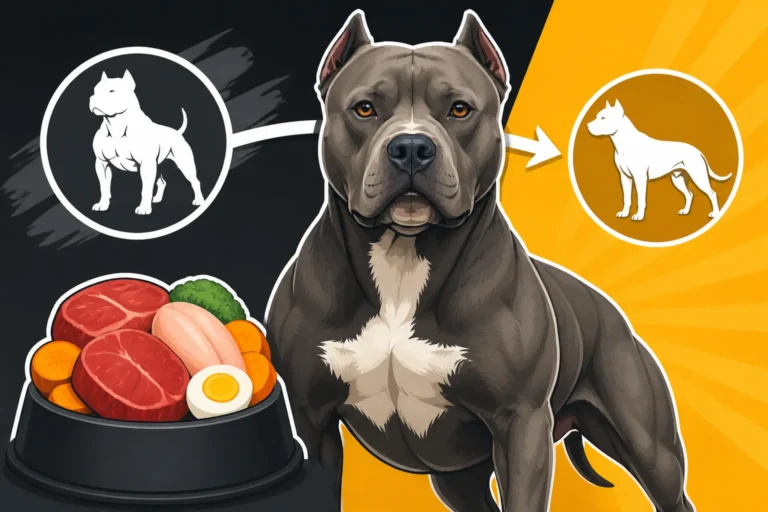
The first and most crucial step is to switch your Pit Bull to a bland diet. This means temporarily saying goodbye to their regular kibble, no matter how high-quality it is. Regular dog food, with its complex ingredients, fats, and fibers, can be too challenging for an inflamed gut to process. A bland diet, on the other hand, is designed to be gentle, easily digestible, and provide basic nutrition without causing further irritation.
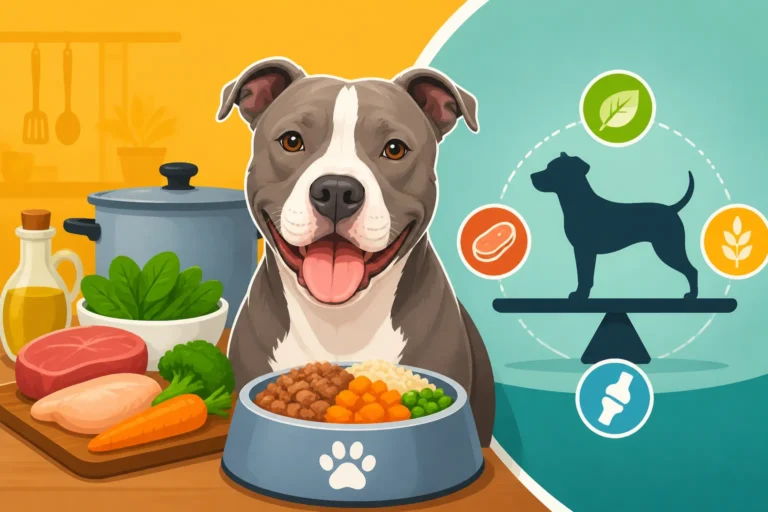
The classic bland diet consists of plain, boiled, boneless, skinless chicken breast and plain white rice. The chicken provides lean protein, and the white rice offers easily digestible carbohydrates. You want to cook both thoroughly without any seasonings, oils, or butter. The general recommendation is a ratio of about one part chicken to two parts rice. For example, if you have half a cup of shredded chicken, mix it with one cup of cooked white rice. You should aim to feed small, frequent meals throughout the day rather than one or two large ones, to avoid overwhelming their sensitive stomach. Depending on your Pit Bull's size, they might need several small meals spread over 24 hours. A good rule of thumb is to offer about half of their usual total daily caloric intake, divided into 4-6 small portions.
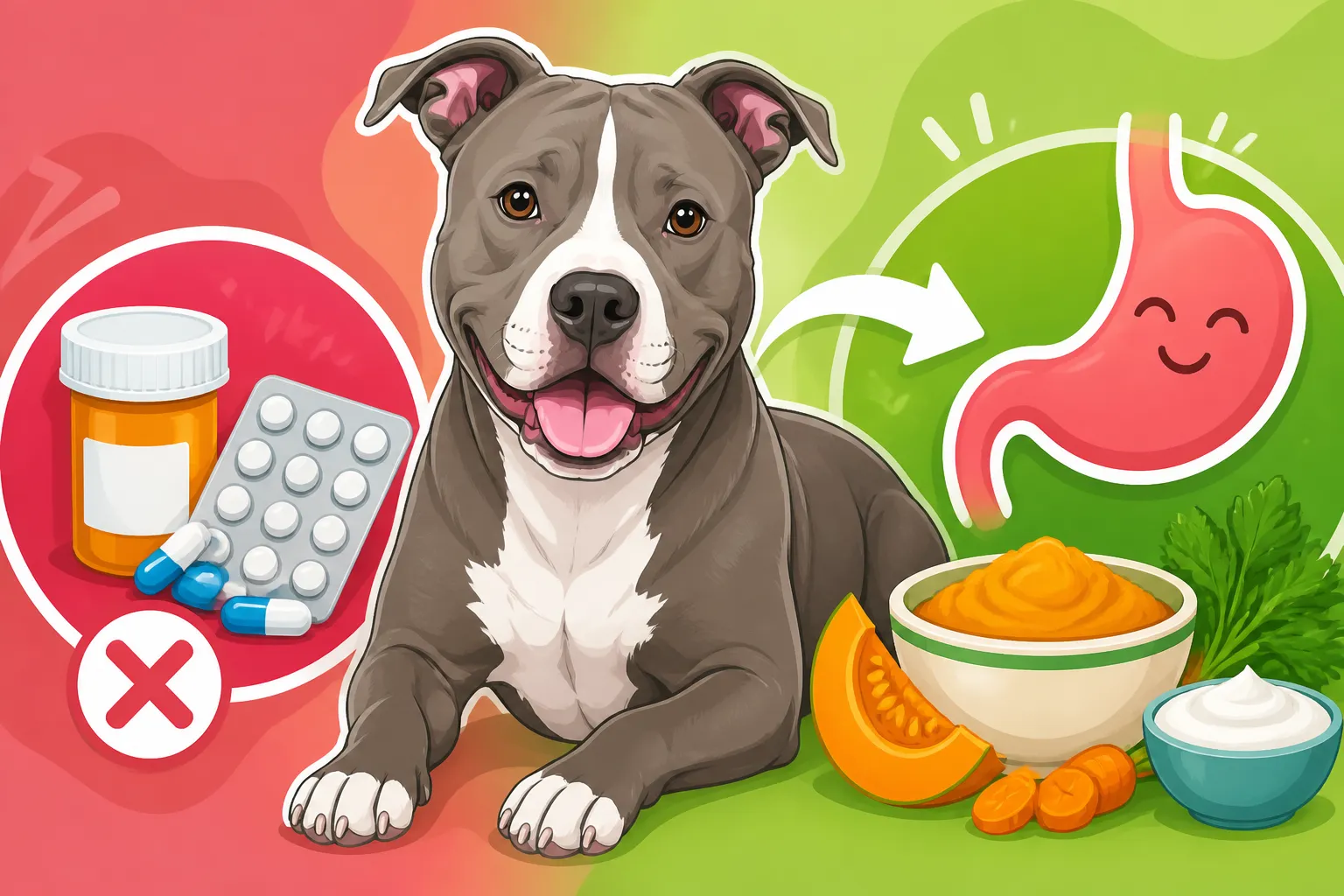
Another fantastic addition to a bland diet is plain, canned pumpkin (make sure it's 100% pumpkin puree, not pumpkin pie filling!). Pumpkin is rich in soluble fiber, which can help regulate bowel movements – firming up loose stools and easing constipation if that's an issue. A tablespoon or two mixed into each bland meal can work wonders. If your Pit Bull is struggling with chronic skin issues, which often lead to antibiotic use, Limited Ingredient Diets for an Itchy Pit Bull can also offer some context on dietary sensitivities. You can find excellent quality pumpkin puree and many other dietary aids through online retailers like Chewy or Amazon.
You'll typically continue the bland diet for a few days after their stool has returned to normal and their appetite is back. Don't rush this process; a slow transition back to their regular food is essential to prevent a relapse.
The Role of Probiotics for Gut Restoration
While a bland diet helps soothe the immediate irritation, probiotics are absolutely critical for addressing the root cause of post-antibiotic tummy trouble: the depleted gut bacteria. Probiotics are beneficial live microorganisms that, when administered in adequate amounts, confer a health benefit to the host. In simpler terms, they are the "good guys" you need to reintroduce to your Pit Bull's gut to help restore balance.
Think of it like reseeding a lawn after a drought. The antibiotics were the drought, and now you need to plant new grass seeds. Probiotics help repopulate the gut with a healthy community of bacteria, improving digestion, enhancing nutrient absorption, and bolstering the immune system. When the gut is happy, the whole dog is happier.
There are many types of probiotics available specifically for dogs. You can find them in powder form, which can be easily sprinkled over their food, or in chewable tablets. While some people consider plain yogurt with live active cultures, be cautious. Many dogs are lactose intolerant, and the amount of beneficial bacteria might not be concentrated enough to make a significant difference. It’s usually best to stick to veterinary-specific probiotic supplements. Brands like Purina FortiFlora, Proviable, or VetriScience are often recommended by vets and can be readily found on Chewy or Amazon.
It's often recommended to start probiotics during the antibiotic course, if your vet approves, but definitely immediately after and continuing for several weeks, or even months. The timing is important; if given at the exact same time as the antibiotic, the antibiotic might just kill off the new probiotic bacteria. Ideally, you’d administer the probiotic a few hours before or after the antibiotic dose. For chronic issues that might necessitate repeated antibiotic courses, such as Pit Bull Ear Infections and What Drives Them or Pit Bull Skin Allergies and the Atopy Pattern, a consistent probiotic regimen can be invaluable. Discuss the best protocol with your veterinarian, as they can recommend a specific product and dosage tailored to your Pit Bull's needs and the antibiotic they received.
Long-Term Strategies for a Robust Pit Bull Gut
Getting your Pit Bull through the immediate post-antibiotic period is a huge relief, but the journey to a truly robust gut doesn't end there. Implementing long-term strategies ensures their digestive system remains resilient and less susceptible to future upsets.
Gradual Reintroduction of Regular Food
Once your Pit Bull has been on the bland diet for a few days and their stools have normalized, and they're showing signs of feeling better, it's time to slowly reintroduce their regular food. This is not a race. Rushing this step can easily undo all the progress you've made and send you right back to square one with an upset tummy.
Start by mixing a very small amount of their regular kibble into their bland chicken and rice mixture. For example, begin with a ratio of 75% bland diet to 25% regular food for a couple of days. Observe their stool and appetite closely. If all goes well, gradually increase the proportion of regular food while decreasing the bland diet over the next week or two. You might go to a 50/50 mix for a few days, then 25% bland to 75% regular, and finally, back to 100% regular food.
This slow transition allows their digestive system, which is still recovering and rebuilding its bacterial balance, to adjust to the familiar ingredients, fats, and proteins of their usual diet without being overwhelmed. If you notice any signs of relapse – loose stools, vomiting, or decreased appetite – take a step back and stick with the current ratio for a few more days before trying to advance again. Patience is your best friend here. Consider how careful you are with your own diet, and apply that same care to your Pit Bull.
Sustaining Gut Health Beyond Recovery
Even after your Pit Bull is back on their regular food and their stomach seems completely settled, continuing to support their gut health can be hugely beneficial. Many owners choose to keep their dogs on a daily probiotic supplement, especially if their Pit Bull tends to have a sensitive stomach or has a history of needing antibiotics. Think of it as a daily maintenance routine, like brushing their teeth, but for their insides!
Beyond probiotics, consider the overall quality of their regular diet. A high-quality, easily digestible food can make a significant difference in long-term gut health. Look for foods with whole ingredients, identifiable protein sources, and a good balance of fiber. Some owners explore fresh food options like Ollie, which can offer highly digestible, natural ingredients that are gentler on the system. If your Pit Bull has food sensitivities that might contribute to gut issues, discussing a novel protein or limited ingredient diet with your vet could be valuable. For more insights on this, refer to Feeding a Pit Bull With a Sensitive Stomach.
Consistency in feeding is also crucial. Sticking to regular meal times helps regulate their digestive system. Avoid sudden, drastic changes in food unless absolutely necessary, and always transition slowly. Minimizing stress in your Pit Bull's environment can also indirectly support gut health, as stress can impact digestive function. Providing a stable routine and a calm home environment helps them thrive. For Pit Bulls dealing with inflammatory issues like Pit Bull Joint and Ligament Injuries, maintaining optimal gut health can indirectly support their overall well-being. Additionally, supplements like Omega Oils for Pit Bull Skin and Coat can contribute to overall health, which includes a healthier gut.
When to Call the Vet Again
While most post-antibiotic stomach upsets resolve with bland diets and probiotics, there are definitely times when the situation warrants another call to your veterinarian. It’s easy to feel like you’re bothering them, but when it comes to your Pit Bull’s health, it’s always better to be safe than sorry.
Recognizing Warning Signs
You know your Pit Bull best. If something feels "off" beyond just mild loose stools, trust your instincts. Here are some key warning signs that indicate it's time to contact your vet immediately:
- Persistent Vomiting: If your Pit Bull is vomiting repeatedly, especially if they can't keep any food or water down, they risk severe dehydration. This isn't just a minor upset.
- Severe or Bloody Diarrhea: A little mucus can be common with irritation, but profuse, watery, or bloody diarrhea (fresh red blood or dark, tarry stools) is a serious concern. It could indicate significant inflammation, internal bleeding, or a more severe underlying issue than just antibiotic disruption.
- Extreme Lethargy or Weakness: While some sluggishness is normal, if your Pit Bull is extremely weak, can barely stand, or seems unresponsive, it's an emergency.
- Signs of Dehydration: Check their gums – they should be pink and moist. If they're pale or tacky, and if the skin on their back doesn't snap back quickly when gently tented, your Pit Bull is likely dehydrated.
- Abdominal Pain: If your Pit Bull seems to be in pain, perhaps hunched over, guarding their belly, or crying out when touched, this needs immediate veterinary attention.
- Lack of Improvement: If, despite your best efforts with a bland diet and probiotics, your Pit Bull isn't showing any signs of improvement after 24-48 hours, or if their symptoms are worsening, it's time to get professional help again.
- Any other concerning symptoms: If they suddenly develop a fever, breathing difficulties, or any other new, alarming symptoms. For further reading on urgent situations, check out Emergency Signs That Cannot Wait in a Pit Bull. It is always wise to keep up with routine check-ups too, so topics like How Often a Ten Year Old Pit Bull Needs Checking are valuable.
Communicating Effectively with Your Veterinarian
When you call your vet, being prepared with specific information will help them assess the situation quickly and accurately. Don't just say, "My dog's sick again." Provide them with a concise history:
- Antibiotic Information: What was the name of the antibiotic? What was the dosage and how long was the course? When did your Pit Bull take their last dose?
- Symptoms: Clearly describe what you're observing. When did the symptoms start? How often are they vomiting or having diarrhea? What does the stool look like? Is there blood? Is their appetite affected? How is their energy level?
- Your Actions: Let your vet know what you've already tried – bland diet (what ingredients and ratio), probiotics (what kind, how much, and when given relative to antibiotics), and any other changes you've made.
- Recent History: Mention any other health issues or medications your Pit Bull is on.
Your vet might suggest bringing your Pit Bull in for an examination, further diagnostics like bloodwork or stool tests, or they might recommend a change in diet or a different type of medication to help settle the stomach. They might want to run bloodwork if your Pit Bull is older or has other underlying conditions, as highlighted in The Bloodwork an Old Pit Bull Should Have. They are there to help, and providing them with a clear picture will ensure your Pit Bull gets the best care.
| Symptom Category | Signs to Watch For (Post-Antibiotic) | Action Needed |
|---|---|---|
| Mild Digestive Upset | Soft stools, occasional gas, slight appetite dip. | Bland diet, probiotics, monitor closely. |
| Moderate Digestive Upset | Diarrhea (loose/unformed), mild vomiting (1-2 times), noticeable lethargy, reduced appetite. | Bland diet, probiotics, contact vet if no improvement in 24-48 hrs or if symptoms worsen. |
| Severe Digestive Upset/Emergency | Persistent vomiting, severe watery/bloody diarrhea, extreme weakness/lethargy, signs of dehydration (tacky gums, skin tenting), abdominal pain, no food/water intake for 12+ hours. | Immediate Veterinary Attention Required. |
Disclaimer
This article is for general informational purposes only and does not constitute professional advice. Laws, prices and regulations vary by location and change over time. Consult a qualified professional for guidance on your specific situation.