Arthritis in a Pit Bull at Seven
It's incredibly disheartening when your beloved Pit Bull, who once bounded with endless energy, starts showing signs of slowing down, especially around the age of seven. Many of us mistakenly attribute this to simply "getting old," but often, what we're seeing are the early whispers of arthritis. This guide aims to shed light on how arthritis typically begins to impact Pit Bulls at this crucial age, offering insights into recognizing, understanding, and managing this common condition so you can help your best friend live comfortably and happily for years to come.
Understanding Arthritis in Pit Bulls
When your Pit Bull hits that "middle age" mark around seven years old, it's natural to see some changes. But a decrease in activity isn't always just about them growing up; it can often be a sign that their joints are starting to feel the wear and tear of a lifetime of enthusiastic play and powerful movement. Arthritis, or osteoarthritis, is a progressive and often painful condition that affects millions of dogs, and our strong, athletic Pit Bulls are no exception.
What "Seven" Means for a Pit Bull's Body
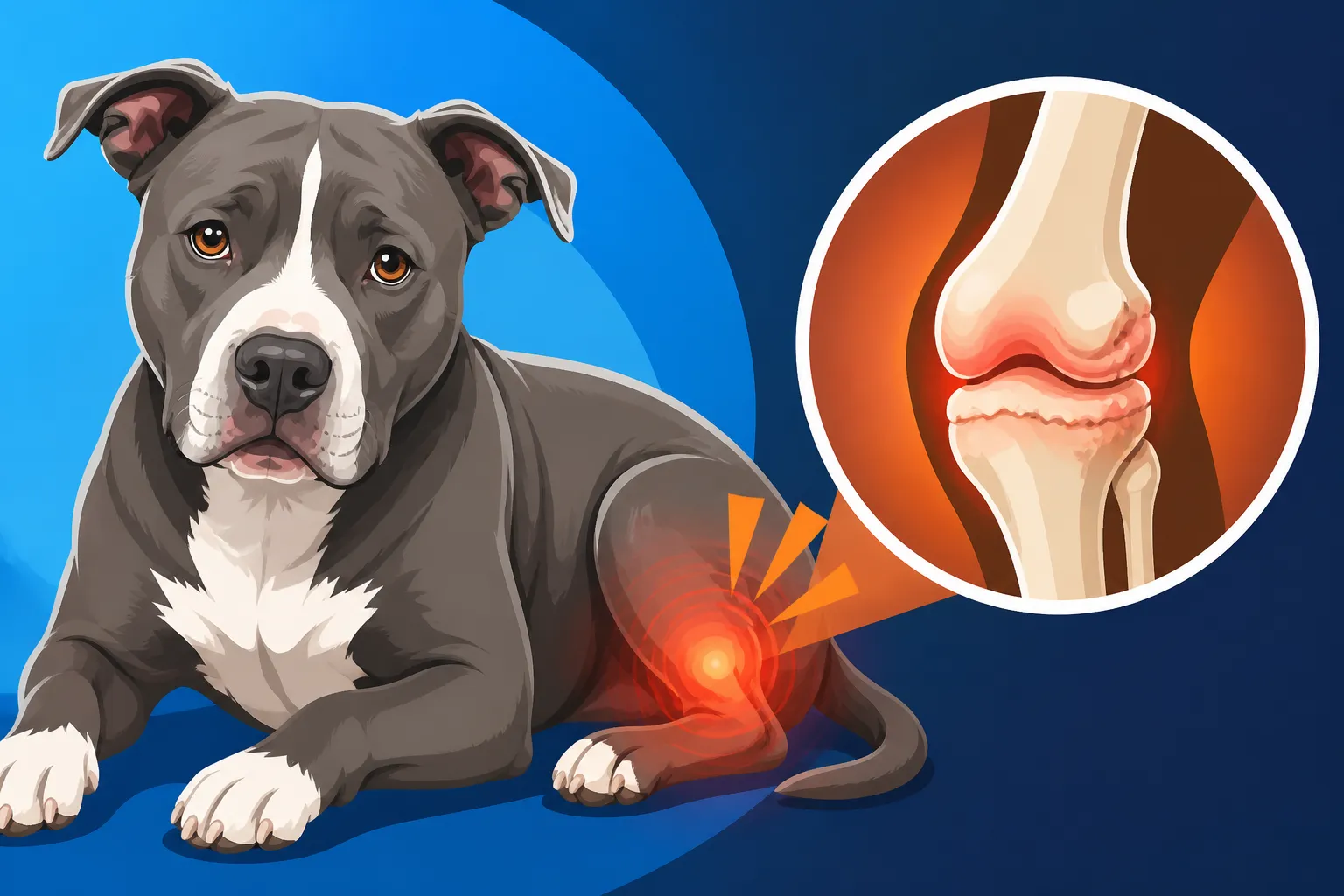
For many larger, more robust breeds like Pit Bulls, seven years old is generally considered the start of their senior years. While they might still look strong and capable on the outside, inside, their bodies are beginning a subtle shift. The cartilage that acts as a cushion between bones in their joints starts to thin, losing its elasticity. This protective layer is vital for smooth movement, and when it degrades, bone can start to rub against bone, leading to inflammation, pain, and a reduced range of motion. Think about it like the shock absorbers in an old car – after years of bumps and mileage, they just don't absorb the impact like they used to, and you feel every jolt.
This isn't to say your seven-year-old Pit Bull is suddenly "old" overnight, but it is a critical age to become more vigilant. Their impressive muscle mass, which we all admire, can sometimes mask underlying joint issues for longer than in other breeds. They're tough, they're stoic, and they often push through discomfort until it becomes quite severe. That's why being proactive and understanding what to look for at this age is so incredibly important for their long-term comfort and mobility.
Common Causes of Pit Bull Arthritis
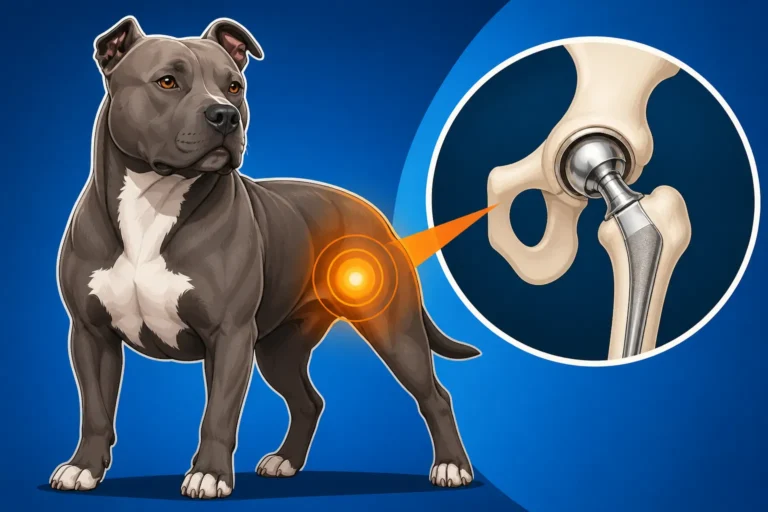
Arthritis in Pit Bulls, especially at age seven, isn't usually an overnight phenomenon; it's often the cumulative result of a combination of factors. One of the primary culprits is genetics. Pit Bulls, like many medium to large breeds, can be predisposed to developmental orthopedic conditions such as Pit Bull Hip Dysplasia Showing at One to Two Years or elbow dysplasia. Even if these conditions were mild in their youth, the abnormal joint structure can lead to accelerated wear and tear over time, culminating in arthritis by middle age. It's a bit like building a house on a slightly wonky foundation – it might stand for years, but eventually, cracks will start to show.
Beyond genetics, lifestyle plays a huge role. Years of high-impact activities, such as intense fetch on hard surfaces, jumping off high places, or even just repeated hard landings during play, can put significant stress on joints. Previous injuries, even minor ones that seemed to heal well at the time, can also contribute. For example, a minor cruciate ligament strain that never fully recovered perfectly can lead to compensatory movements and undue stress on other joints, paving the way for arthritis down the line. Finally, maintaining a healthy weight is paramount. Pit Bull Obesity and Joint Strain puts an enormous amount of extra stress on every joint, accelerating cartilage breakdown and exacerbating any pre-existing joint issues. It's a sad but true fact that those extra pounds make a massive difference to their joint health.
The Signs You Might Be Missing
Sometimes, the signs of arthritis can be incredibly subtle, especially in a breed as resilient as a Pit Bull. You might not see overt limping right away. Instead, pay close attention to more nuanced changes in their behavior or routine. Are they taking longer to get up after a nap? Do they seem hesitant to jump into the car, or struggle a bit more with stairs that were once no problem? Perhaps their enthusiasm for their favorite walk has waned, or they’re not as keen on playing rough with other dogs as they used to be. These are often the first, quiet indicators that something isn't quite right.
You might also notice changes in their posture or how they hold themselves. A Pit Bull trying to alleviate pain might shift weight, stand with an arched back, or even carry their head differently. Some dogs will start licking or chewing at a particular joint more often, trying to soothe discomfort. In some cases, you might even observe a slight stiffness in their gait, particularly after resting or in colder weather. It’s easy to dismiss these as just "them getting older," but these are exactly the signs that should prompt a conversation with your veterinarian. This is part of When a Pit Bull Starts Slowing Down and warrants a deeper look than just shrugging it off.
Diagnosing Arthritis Early and Accurately
Catching arthritis early can make a world of difference in managing your Pit Bull's comfort and slowing the progression of the disease. It’s not about getting a definitive diagnosis and thinking the worst; it's about gaining the knowledge to equip yourself with the best tools and strategies to support your dog. A proper diagnosis goes beyond just observation, requiring a thorough veterinary assessment.
The Vet Visit and Physical Examination
When you suspect your Pit Bull might have arthritis, the first step is always a comprehensive visit to your veterinarian. During the physical examination, your vet will carefully palpate each joint, checking for swelling, pain, warmth, and any crepitus (a grinding or crackling sound or sensation). They'll assess your dog's range of motion, gently flexing and extending their limbs to see if there's any discomfort or restriction. They'll also observe your Pit Bull's gait, asking you to walk them on a leash and maybe even trot them a bit, looking for any subtle limps, stiffness, or changes in how they carry their weight. This hands-on assessment is crucial, as it provides immediate clues about which joints might be affected and to what extent.
Don't be surprised if your vet asks you a lot of questions about your Pit Bull's daily routine, how their symptoms started, what makes them worse or better, and their overall activity levels. Be as specific as possible – details like "they struggle after lying down for an hour" or "they don't want to jump on the couch anymore" are invaluable. This information, combined with the physical exam, helps your vet build a clearer picture of what's going on beneath that muscular exterior. They'll also check for other possible causes of lameness or discomfort to ensure they're on the right track.
Imaging and Advanced Diagnostics
While a physical exam is a great starting point, imaging is often necessary to confirm an arthritis diagnosis and assess its severity. X-rays are the most common diagnostic tool for arthritis. They can reveal tell-tale signs like bone spurs (osteophytes), joint space narrowing, and changes in bone density, which are all indicative of degenerative joint disease. Your vet might take multiple views of the suspected joints – hips, elbows, knees, or even the spine – to get a full picture. Sometimes, they might recommend light sedation to ensure your Pit Bull is relaxed and still enough for clear, accurate images, especially if they are already experiencing pain.
In some cases, especially if the X-rays are inconclusive or your Pit Bull's symptoms are complex, your vet might suggest more advanced diagnostics. This could include MRI or CT scans, which provide much more detailed images of soft tissues, cartilage, and even subtle changes in bone structure that X-rays might miss. These options are more expensive and usually require referral to a specialist, but they can be incredibly helpful for pinpointing the exact cause and extent of the joint damage, which then informs the most effective treatment plan. For planning for such eventualities, having pet insurance like Healthy Paws can provide immense peace of mind, helping to cover unexpected diagnostic and treatment costs.
Ruling Out Other Conditions
One of the vital steps in accurately diagnosing arthritis in your Pit Bull is to rule out other conditions that can mimic its symptoms. There are several other orthopedic issues that can cause pain and lameness, such as Pit Bull Joint and Ligament Injuries, torn cruciate ligaments, or even bone cancers, especially in older dogs. Your vet will perform various tests and assessments to differentiate between these possibilities. For instance, specific maneuvers during a physical exam can help determine if a cruciate ligament is torn, or if there's instability in a joint that isn't purely arthritic.
Blood work might also be recommended. While blood tests don't directly diagnose arthritis, they can provide a complete picture of your dog's overall health, checking for underlying infections, inflammatory markers, or metabolic issues that could contribute to or exacerbate joint pain. They also help ensure your Pit Bull is healthy enough for certain medications if they are prescribed. It's all about a process of elimination to ensure that the treatment plan targets the actual problem, giving your Pit Bull the best chance at relief and improved quality of life. This thorough approach ensures that you're not treating the wrong thing and gives you confidence in the diagnosis.
Managing Arthritis Pain and Progression
Once your Pit Bull has been diagnosed with arthritis, the focus shifts to managing their pain, slowing the progression of the disease, and enhancing their overall quality of life. There's no single magic bullet, but rather a multi-faceted approach that combines medical, dietary, and physical therapies tailored to your dog's individual needs.
Medical Interventions and Medications
The cornerstone of arthritis management often involves medication to control pain and inflammation. Non-Steroidal Anti-Inflammatory Drugs (NSAIDs) are commonly prescribed and are highly effective at reducing both pain and swelling, making your Pit Bull much more comfortable. Brands like Rimadyl (carprofen), Metacam (meloxicam), and Galliprant are popular choices. However, these medications require careful monitoring, as long-term use can sometimes affect the liver or kidneys. Regular blood work is usually recommended to ensure your Pit Bull is tolerating the medication well. Your vet will work with you to find the lowest effective dose.
Beyond NSAIDs, other medications might be used. Gabapentin, for example, is often prescribed in conjunction with NSAIDs for neuropathic pain or when NSAIDs alone aren't enough. Amantadine is another adjunct pain medication that can be very helpful for chronic pain. Injectable treatments like Adequan (polysulfated glycosaminoglycan) work by promoting cartilage repair and reducing inflammation, and can be a fantastic option for some dogs. These injections are typically given in a series and then periodically for maintenance. The goal is always to create a pain management plan that keeps your Pit Bull comfortable with the fewest side effects, and having pet insurance from providers like Healthy Paws can certainly help with the ongoing costs of these crucial medications.
The Role of Diet and Supplements
What you feed your arthritic Pit Bull can play a significant role in managing their condition. A diet specifically formulated for joint health, often enriched with Omega-3 fatty acids, glucosamine, and chondroitin, can be beneficial. These fatty acids, particularly EPA and DHA, have natural anti-inflammatory properties that can help reduce joint pain. Many senior or joint-support dog foods are available, but always discuss dietary changes with your vet to ensure they meet all your Pit Bull's nutritional needs.
Supplements can also be a valuable addition to the regimen. Glucosamine and chondroitin sulfate are widely recognized for supporting cartilage health and function. While their effectiveness can vary between individual dogs, many owners report positive results. Other supplements, like green-lipped mussel extract, turmeric, and MSM (methylsulfonylmethane), are also popular for their anti-inflammatory properties. It's crucial to choose high-quality supplements from reputable brands and to always consult your vet before introducing any new supplement. Some over-the-counter products are not well-regulated, and quality can differ wildly. Getting Joint Support for a Heavily Muscled Pit Bull is often a long-term strategy that takes consistent effort.
Physical Therapy and Low-Impact Exercise
Medication and diet are important, but physical therapy and appropriate exercise are absolutely critical for an arthritic Pit Bull. The goal is to keep them moving without causing further strain. Low-impact activities are key. Swimming is an excellent choice as it provides a full-body workout without any concussive impact on the joints. Leash walks on soft surfaces, like grass or dirt trails, are far better than pavement. The duration and intensity of these walks should be adjusted based on your Pit Bull's comfort level each day. Remember, it's about consistency, not pushing them too hard.
Many veterinary clinics now offer canine physical rehabilitation, which can include therapeutic exercises, hydrotherapy (underwater treadmill), massage, and even acupuncture or laser therapy. These modalities can significantly improve flexibility, strengthen supporting muscles around the affected joints, reduce pain, and enhance overall mobility. A certified canine rehab therapist can design a personalized program for your Pit Bull, helping you learn specific exercises you can do at home. This proactive approach helps in Getting a Pit Bull Back Into Condition without exacerbating their condition.
Lifestyle Adjustments for an Arthritic Pit Bull
As Pit Bulls age and develop arthritis, their environment and daily routines often need adjustments to keep them comfortable and mobile. It's about making their world easier to navigate, reducing unnecessary strain, and giving them every opportunity to live pain-free.
Creating a Joint-Friendly Home Environment
Your home, which once accommodated a boisterous puppy, might need some modifications for an arthritic senior Pit Bull. One of the most impactful changes you can make is ensuring they have comfortable, supportive bedding. Orthopedic beds, especially those made with memory foam, can provide excellent joint support and relieve pressure points during rest. Place these beds in easily accessible, quiet areas where your dog can rest undisturbed. For those slippery floors, consider adding non-slip rugs or runners, especially in high-traffic areas or on ramps if you have them. This can prevent painful slips and falls, which can severely worsen joint pain.
Think about how your Pit Bull accesses favorite spots. If they love to join you on the couch or bed, consider providing dog-friendly ramps or steps to eliminate jumping, which can be very jarring for compromised joints. Similarly, if they need to navigate stairs, a ramp can be incredibly beneficial. Elevating food and water bowls can also make eating and drinking more comfortable, preventing them from having to bend down too far, which can strain the neck and back. These small changes can make a massive difference in their daily comfort and confidence. Providing Pit Bull Mobility Aids in Old Age proactively can truly extend their comfortable years.
Maintaining a Healthy Weight
We cannot stress this enough: maintaining a healthy weight is absolutely critical for an arthritic Pit Bull. Every extra pound your dog carries adds significant stress to their already compromised joints, accelerating the progression of arthritis and increasing pain. It’s a vicious cycle: arthritis makes movement painful, leading to less exercise, which can lead to weight gain, which then further worsens arthritis. Breaking this cycle is paramount.
Work closely with your veterinarian to determine the ideal weight for your Pit Bull and create a realistic weight management plan. This often involves precise portion control, selecting a lower-calorie or joint-support specific food, and carefully monitoring treats. Even small changes in diet can make a big impact. Remember that Pit Bulls are naturally muscular, so judging their weight by sight can be tricky. Your vet can show you how to feel for their ribs and waist, which are more accurate indicators of body condition. For more detailed guidance, read about How Weight Multiplies the Load on Pit Bull Joints. It's a commitment, but one that directly translates to improved comfort for your dog.
Recognizing Flare-Ups and Adjusting Routines
Even with the best management plan, arthritic Pit Bulls can experience flare-ups, periods where their pain and discomfort are noticeably worse. It’s crucial for you, their devoted owner, to recognize these signs quickly. A flare-up might manifest as increased limping, reluctance to move, whining, restlessness, or even changes in appetite or mood. They might be more irritable or withdrawn. It could be triggered by overexertion, a change in weather (cold, damp days often make joints ache more), or simply the progressive nature of the disease.
When a flare-up occurs, the immediate response should be to reduce activity and contact your veterinarian. They might recommend adjusting medication dosages, adding a short course of an additional pain reliever, or suggesting a few days of strict rest. It's also important to adjust their routine accordingly. Don't push them to go on their usual long walk if they're clearly in pain. Instead, offer shorter, gentler leash walks or focus on mental enrichment activities that don't stress their joints. Learning to adjust and be flexible with your Pit Bull's routine based on their day-to-day comfort level is a key aspect of their long-term care.
Long-Term Care and Quality of Life
Living with an arthritic Pit Bull is a marathon, not a sprint. It requires ongoing dedication, regular veterinary partnership, and a commitment to maintaining their quality of life for as long as possible. The disease is progressive, meaning it will likely worsen over time, but with proactive care, you can significantly slow that progression and manage their symptoms effectively.
Regular Monitoring and Vet Check-ups
Consistent veterinary care is non-negotiable for an arthritic Pit Bull. At age seven, and especially with a chronic condition like arthritis, your Pit Bull should be having vet check-ups at least twice a year, if not more frequently depending on the severity of their condition and their medication regimen. These visits are vital for monitoring the progression of their arthritis, assessing the effectiveness of their current pain management plan, and making any necessary adjustments. Your vet will perform physical exams, discuss any changes you've observed, and potentially recommend updated X-rays to track joint changes. This is important for understanding How Often a Ten Year Old Pit Bull Needs Checking, as frequency often increases with age and condition.
Blood work will also be a regular part of these visits, particularly if your Pit Bull is on long-term NSAIDs or other medications. This ensures that their liver and kidney function remain healthy and that the medications aren't causing any adverse effects. These check-ups are also a perfect opportunity to discuss new treatments, physical therapy options, or any other concerns you might have about your dog's comfort or quality of life. Open and honest communication with your veterinary team is essential.
Balancing Pain Management with Side Effects
One of the biggest challenges in long-term arthritis management is finding the right balance between effective pain control and minimizing potential side effects from medications. While NSAIDs and other pain relievers are crucial for comfort, they can, over time, place stress on internal organs. This is why regular monitoring through blood tests is so important. Your vet will always aim for the lowest effective dose of medication to achieve comfort while reducing the risk of side effects.
Sometimes, this means exploring alternative or complementary therapies to reduce reliance on pharmaceuticals. Acupuncture, therapeutic massage, or even dietary adjustments can sometimes allow for lower doses of conventional medications. It’s a dynamic process that might involve trying different combinations of treatments and adjusting them as your Pit Bull's needs change. The goal is to maximize their comfort and mobility while ensuring their overall health and well-being aren't compromised by the treatment itself. This careful dance is a key part of extending their happy, active years.
Emotional Support and Mental Well-being
Arthritis isn't just a physical ailment; it can take an emotional toll on your Pit Bull too. Chronic pain and reduced mobility can lead to frustration, anxiety, and even depression. A dog that once loved chasing squirrels might become withdrawn if they can no longer do so. They might miss their former ability to play rough or run freely. Therefore, providing emotional support and mental enrichment is just as important as physical care.
Ensure they still feel loved and included in family activities, even if it's just lying near you while you read or gentle petting sessions. Engage them with puzzle toys, scent games, or short training sessions that don't require strenuous physical activity. This helps keep their minds sharp and provides a sense of purpose. Consider a gentle massage as a bonding experience that also helps soothe aching muscles. Caring for a Pit Bull in Its Second Decade really highlights the holistic approach needed for senior dogs. A happy mind can make a significant difference in how they cope with chronic pain. Your presence, patience, and understanding will be their greatest comfort through this journey.
Arthritis Management Options
| Category | Treatment Type | Description | Common Examples / Notes |
|---|---|---|---|
| Pharmacological | NSAIDs (Non-Steroidal Anti-Inflammatory Drugs) | Reduce pain, swelling, and inflammation. Often first-line treatment. Requires regular monitoring of liver/kidney function. | Carprofen (Rimadyl), Meloxicam (Metacam), Galliprant, Deracoxib (Deramaxx). Administered orally. |
| Other Oral Pain Relievers | Can be used alone or in conjunction with NSAIDs, especially for neuropathic or chronic pain. | Gabapentin (for nerve pain), Amantadine (for chronic pain modulation). | |
| Injectable Joint Modulators | Helps improve joint fluid quality, reduce inflammation, and may protect cartilage. Administered as a series of injections. | Polysulfated Glycosaminoglycan (PSGAGs) like Adequan. | |
| Nutritional | Joint Support Diets | Formulated with ingredients to support joint health. | Diets enriched with Omega-3 fatty acids, glucosamine, chondroitin. |
| Supplements | Provide building blocks for cartilage and have anti-inflammatory properties. Effectiveness can vary. | Glucosamine, Chondroitin Sulfate, Omega-3 Fatty Acids (EPA/DHA), Green-Lipped Mussel, MSM, Turmeric. Always consult vet for quality and dosage. | |
| Physical Therapy | Therapeutic Exercise | Designed to improve strength, flexibility, balance, and range of motion without excessive strain. | Controlled leash walks, range of motion exercises, strengthening exercises (e.g., balance boards). |
| Hydrotherapy | Exercise in water (swimming, underwater treadmill) to reduce impact on joints while providing resistance for muscle building. | Excellent for building strength and stamina without joint stress. | |
| Manual Therapy | Hands-on techniques to improve joint mobility, reduce muscle tension, and alleviate pain. | Massage, joint mobilization. | |
| Environmental | Home Modifications | Adjustments to the living space to improve safety, comfort, and accessibility. | Orthopedic beds, non-slip rugs, ramps/steps for furniture or vehicles, elevated food/water bowls. |
| Other Therapies | Acupuncture | Traditional Chinese medicine technique involving fine needles to stimulate specific points for pain relief and healing. | Can be very effective for chronic pain. Requires a certified veterinary acupuncturist. |
| Laser Therapy (Cold Laser) | Uses specific wavelengths of light to reduce pain and inflammation, and promote tissue healing. Non-invasive and well-tolerated. | Often used in conjunction with other therapies, typically administered in clinic. |
Disclaimer
Please remember that I am a lifestyle blogger and not a veterinarian. The information provided in this article is for educational and informational purposes only, and does not constitute medical advice. Always consult with a qualified veterinarian for any health concerns or before making any decisions about your Pit Bull's medical care, diet, or treatment plan.