Pit Bull Weight and Muscle on a Working Frame
It's incredibly challenging, isn't it? You look at your Pit Bull, this powerful, athletic dog, and you want to make sure they're in peak condition – strong, lean, and ready for anything. But sometimes, it feels like there's a fine line between a healthy, muscular build and accidentally tipping into being overweight or, conversely, too thin. Knowing how to assess their ideal weight and muscle on that unique "working frame" can feel like a puzzle. This comprehensive guide will walk you through exactly how to understand, assess, and maintain your Pit Bull's optimal weight and impressive muscle, ensuring they live a vibrant, healthy life.
Understanding the Pit Bull Physique: More Than Just "Bulky"
When we talk about a Pit Bull, we’re often picturing a dog that’s a picture of strength and athleticism. Their build is truly something else – compact, powerful, with well-defined musculature. But this very build can sometimes lead to misunderstandings about what a healthy weight truly looks like for them. It’s not just about being "big" or "bulky"; it’s about a functional, working physique. Many people unknowingly aim for an overly muscled look that might actually stress their dog’s joints or hide excess fat.
The Athletic Standard vs. Over-Muscled Trends
The ideal Pit Bull, according to breed standards like those for the American Pit Bull Terrier or American Staffordshire Terrier, should exude athleticism. Think of a well-conditioned athlete – powerful, yes, but also agile and able to move freely. Their muscle should be firm and defined, not soft or obscuring their waistline. Unfortunately, trends sometimes push for an "extreme" look, leading owners to try and pack on excessive muscle mass. This can involve overfeeding or using supplements that aren't necessary, potentially leading to issues down the line. It's crucial to remember that a truly healthy, working Pit Bull is one that can run, jump, and play with endurance, not just one that looks like a bodybuilder.
How "Working Frame" Shapes Their Ideal Weight
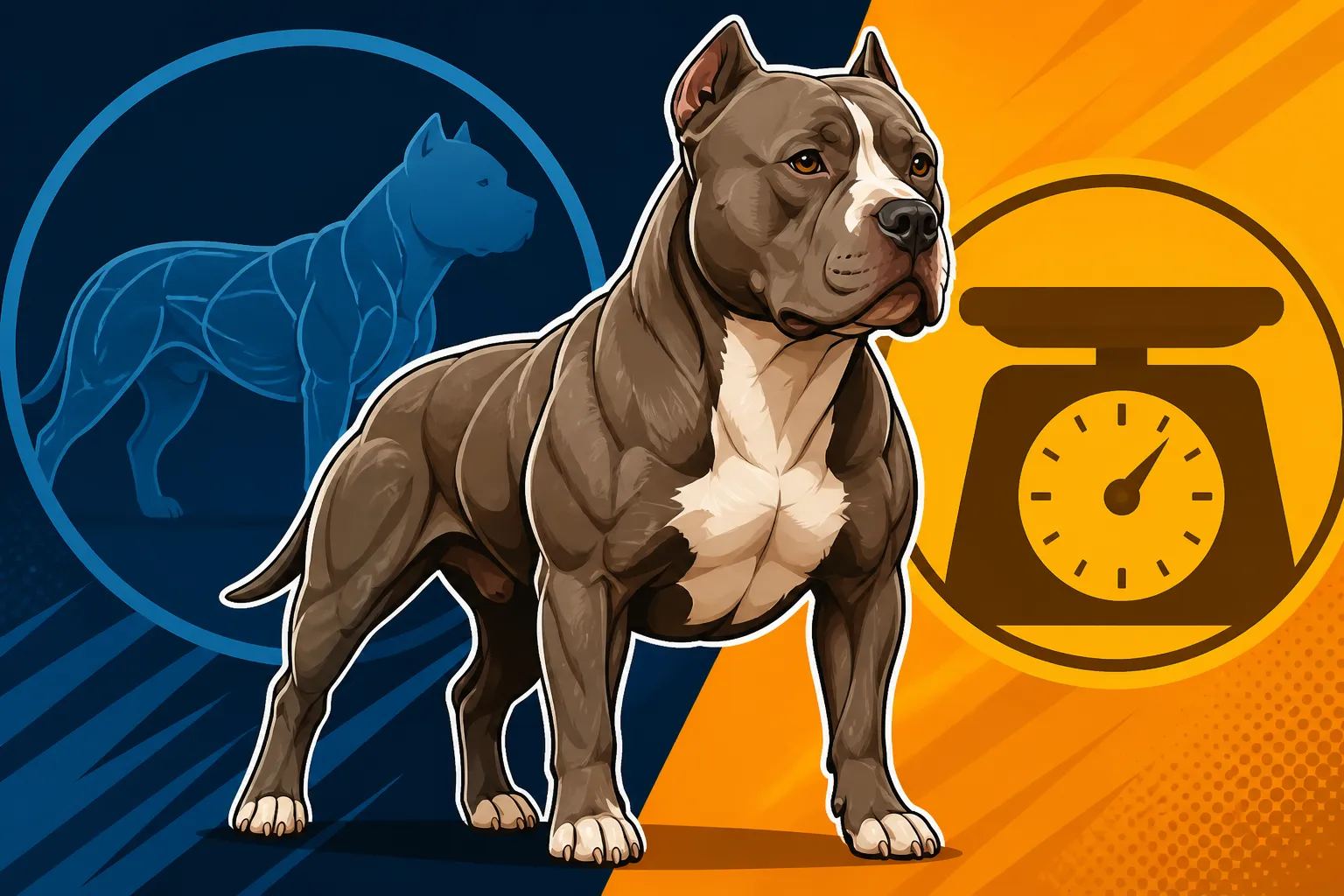
A Pit Bull's "working frame" is built for tasks that require bursts of power, endurance, and agility. This means their bones are sturdy, their joints are designed for impact, and their musculature provides both strength and speed. Because of this dense build, a Pit Bull might weigh more than another dog of similar height, simply due to muscle mass. This is why relying solely on a number on the scale can be misleading. A 50-pound Pit Bull might be perfectly lean and athletic, while another 50-pound dog could be carrying too much fat. The key is to look beyond the number and focus on their body composition – the ratio of muscle to fat. For a truly functional dog, their weight should complement their structure, allowing for uninhibited movement and efficient energy use, not hinder it.
Evaluating Your Pit Bull's Body Condition
Figuring out if your Pit Bull is at a healthy weight can feel a bit subjective, especially with their naturally muscular build. You can't just go by breed charts that give a weight range, because individual dogs vary so much. What's perfect for one Pit Bull might be too much or too little for another, even within the same type. This is where learning to read your dog's body condition becomes absolutely essential. It's a hands-on approach that tells you more than any scale ever could.
The Rib Test and Tuck Test
Two of the most reliable methods for assessing your Pit Bull's body condition are the "rib test" and the "tuck test." These aren't complicated; they just require you to get a little hands-on with your dog. For the rib test, gently run your hands along your Pit Bull's sides. You should be able to easily feel their ribs, almost like feeling the knuckles on your hand, without having to press hard. If you can see the ribs clearly without touching, they might be too thin. If you have to really push to feel them, or you can't feel them at all, they're likely carrying too much weight.
The tuck test involves looking at your dog from the side. A healthy Pit Bull should have a noticeable "tuck" where their abdomen slants upward from their rib cage to their hips. This is a clear indication that they are lean and not carrying excess belly fat. If their belly hangs low or is completely straight from chest to tail, with no tuck, they are likely overweight. Conversely, if the tuck is extremely pronounced, making them look almost hollow in the flank, they might be underweight. Learning to apply these simple tests consistently will give you invaluable insight into your Pit Bull’s health, helping you keep tabs on their Reading Pit Bull Body Condition Under Muscle.
Visual Cues of a Healthy Pit Bull
Beyond the hands-on tests, there are several visual cues that signal a Pit Bull is at an ideal, healthy weight. From a bird's-eye view, your Pit Bull should have a discernible waistline, almost like an hourglass figure, tapering slightly behind the ribs before widening again at the hips. This is often described as the "tuck" you see from the side, but visible from above too. Their muscles should look firm and well-defined, especially in the hindquarters and shoulders. You should see a clear distinction between muscle groups when they move, rather than a smooth, uniform expanse.
Their coat should be shiny and healthy, and their eyes bright, indicating overall good health. They should move with energy and purpose, without any stiffness or labored breathing from simple activities. If you notice a loss of muscle tone, even if the weight seems "okay," that's a sign they might not be getting adequate exercise or protein. Conversely, a loss of definition, where their shape becomes more 'blocky' or rounded, suggests they are gaining excess fat. Regular observation, combined with the rib and tuck tests, gives you a comprehensive picture of your Pit Bull’s condition.
Nutrition for Lean Muscle and Optimal Weight
Proper nutrition is the bedrock of your Pit Bull's health, directly impacting their weight, muscle mass, energy levels, and overall well-being. It’s not just about filling their bowl; it’s about providing balanced, high-quality fuel that supports their powerful physique and active lifestyle. Getting this right can feel like navigating a maze of different brands and advice, but understanding the core principles makes it much simpler.
Calorie Needs for an Active Pit Bull
Pit Bulls, especially those with an active "working frame," burn a significant amount of calories. However, their calorie needs aren't static; they vary based on age, activity level, metabolism, and whether they're spayed or neutered. A young, intact Pit Bull training daily will need far more calories than a senior, spayed Pit Bull who enjoys leisurely strolls. The biggest mistake many owners make is overfeeding, especially when trying to "bulk up" their dog, leading to excess fat rather than muscle.
It's vital to calculate your Pit Bull's individual calorie needs. A good starting point is to use an online canine calorie calculator or consult with your veterinarian. These tools typically factor in weight, age, and activity level to give you an estimated daily caloric intake. From there, you'll need to observe your dog’s body condition and adjust accordingly. If they’re gaining unwanted weight, slightly reduce calories; if they’re getting too lean, increase them. Remember that treats also contribute to their daily calorie count, so factor those in too. For more specific guidance, consider looking into The Calorie Target for a Lean Pit Bull.
Protein, Fat, and Carbs: Striking the Balance
For a Pit Bull to maintain lean muscle and optimal weight, their diet needs the right balance of macronutrients: protein, fat, and carbohydrates.
- Protein: This is the cornerstone of muscle building and repair. High-quality animal protein sources like chicken, beef, lamb, and fish are essential. Look for dog foods where a named meat source is the first ingredient. Pit Bulls thrive on diets with a healthy percentage of protein, often around 25-30% for adult dogs, and higher for puppies or very active dogs. High Protein Food and a Working Pit Bull delves into this further.
- Fats: Healthy fats are a concentrated source of energy, support a shiny coat, and are crucial for nutrient absorption. Omega-3 and Omega-6 fatty acids are particularly important. Sources include chicken fat, fish oil, and flaxseed. While important, fat content should be balanced; too much leads to weight gain. Typically, 12-18% fat content is suitable for most active adult Pit Bulls.
- Carbohydrates: These provide readily available energy for daily activities and sustained endurance. Good sources include whole grains like brown rice, oats, and barley, as well as vegetables like sweet potatoes and peas. Avoid foods with excessive fillers or highly refined grains. Carbohydrates should make up the remainder of their diet, providing sustained energy without causing blood sugar spikes.
Choosing the Right Food Type and Quality
The dog food market is saturated, making it difficult to choose. For your Pit Bull, prioritize high-quality kibble, wet food, or even carefully balanced home-cooked or raw diets, always under veterinary guidance. Look for brands that clearly list ingredients and ideally, have undergone AAFCO feeding trials.
When evaluating dry kibble, which is the most common choice for many owners, look for:
- Named Meat as the First Ingredient: This indicates a significant protein source.
- Limited Fillers: Avoid foods heavy in corn, soy, or wheat if your dog shows sensitivities.
- No Artificial Colors, Flavors, or Preservatives: These offer no nutritional value.
- Appropriate for Age and Activity Level: Puppy formulas are calorie-dense and have specific nutrient ratios for growth, while adult formulas are for maintenance. Senior formulas might be lower in calories and higher in joint support.
Brands like Taste of the Wild, Orijen, and Acana are often cited for their high-quality ingredients and appropriate macronutrient profiles for active breeds. However, the "best" food is ultimately what your individual Pit Bull thrives on. Some Pit Bulls with sensitivities might do better on limited ingredient diets. Always introduce new foods gradually over 7-10 days to avoid digestive upset. Remember that quality nutrition is an investment in their long-term health and vitality.
Tailored Exercise Regimens for a Working Pit Bull
A Pit Bull’s robust muscle structure isn't just for show; it's designed for action. To maintain that "working frame" and keep them at an ideal weight, a consistent and appropriate exercise regimen is non-negotiable. But just like with diet, it’s not about endless activity; it’s about smart, structured exercise that builds strength, stamina, and agility without risking injury.
Cardiovascular Health and Stamina
Cardiovascular exercise is crucial for keeping your Pit Bull's heart healthy, maintaining a lean body condition, and building endurance. This isn't just about walks around the block; it's about getting their heart rate up safely.
- Brisk Walks and Jogging: Aim for at least 45-60 minutes of brisk walking or jogging daily, split into two sessions if possible. For dogs that can handle it, running alongside a bicycle (once fully grown and properly conditioned) can be an excellent way to cover distance and maintain speed.
- Swimming: This is a fantastic low-impact cardio option, especially great for dogs with joint concerns or on hot days. Many Pit Bulls enjoy the water, and it works their entire body without stressing their joints.
- Fetch and Active Play: Engage in games of fetch with a durable toy in an open, secure area. Incorporate short sprints and quick changes of direction to mimic natural predatory movements and keep them engaged.
The goal is to gradually increase duration and intensity. Never push your Pit Bull beyond their current fitness level, especially if they're just starting an exercise program. Consistent, moderate effort is far better than sporadic, intense bursts that could lead to injury. For a deeper dive into the right amount of activity, check out The Daily Exercise a Pit Bull Actually Needs.
Strength Training Without Injury
Building and maintaining muscle mass requires more than just cardio; it demands targeted strength training. However, it’s critical to do this safely to avoid strains, sprains, or long-term joint damage, particularly for a powerfully built dog like a Pit Bull.
- Hill Sprints and Inclines: Incorporate short bursts of running uphill. This naturally engages the hindquarters and builds powerful leg muscles.
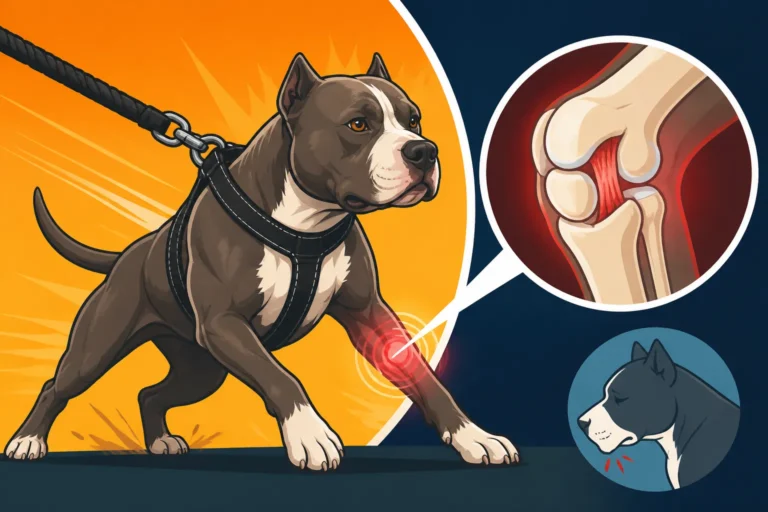
- Flirt Pole Sessions: A flirt pole is a long pole with a lure attached to a rope, which you drag and move to entice your dog to chase. It's an excellent way to work on quick turns, jumps, and bursts of speed, building fast-twitch muscle fibers. Always ensure a soft landing surface and avoid excessive twisting. More on this can be found in Flirt Pole Sessions and Pit Bull Joints.
- Spring Pole Work: If done correctly and with supervision, a spring pole can build upper body and jaw strength. The dog jumps and latches onto a suspended lure, pulling against resistance. It's not for every dog and needs careful introduction and monitoring to prevent injury. Check out Springpole Safety for a Pit Bull for important considerations.
- Weighted Walks (Carefully!): For fully grown, conditioned adults, a weighted vest can be used on short, structured walks to add resistance and build muscle. However, never use heavy weights, and always consult your vet first. Improper use can lead to serious spinal and joint problems. This is an advanced technique and not suitable for all Pit Bulls.
Always ensure a proper warm-up before intense activity and a cool-down afterwards. Listen to your dog – if they seem tired, sore, or reluctant, give them a rest day. Injuries can set back progress significantly, so prevention is key.
Avoiding Over-Exercise in Growing Pups
One of the most common mistakes well-meaning owners make is over-exercising their Pit Bull puppies, especially when trying to encourage muscle growth. This can have devastating long-term consequences. A puppy's bones, joints, and growth plates are still developing and are extremely vulnerable to damage from excessive impact or strenuous activity.
- Structured Play, Not Forced Exercise: For puppies, short, frequent bursts of free play (chasing a ball, wrestling with you) are far more beneficial than long runs or jumping drills. Think 5 minutes of structured activity per month of age, twice a day. So, a 4-month-old puppy gets two 20-minute sessions.
- Avoid High-Impact Activities: Resist the urge to have your puppy jump excessively, run long distances on hard surfaces, or engage in activities like agility or weight pull before their growth plates have closed (typically between 12-18 months, depending on the individual).
- Focus on Socialization and Basic Training: Puppyhood is primarily for socialization, learning bite inhibition, and mastering basic obedience. These mental exercises are just as tiring and beneficial as physical ones and carry far less risk.
Rushing a puppy into intense physical training can increase the risk of conditions like Pit Bull Hip Dysplasia Showing at One to Two Years or other Pit Bull Joint and Ligament Injuries. Patience is a virtue when it comes to a growing Pit Bull. Let their bodies mature naturally, focusing on healthy growth, and you'll have a stronger, healthier adult dog in the long run.
Spotting the Signs of Underweight or Overweight Pit Bulls
It's easy to get accustomed to your dog's current shape, making it hard to notice subtle changes in their weight. However, both being underweight and overweight can lead to significant health problems for your Pit Bull. Being vigilant and recognizing the signs early allows you to take corrective action, often saving you from more serious issues down the road.
Risks of Being Underweight
While less common than obesity, an underweight Pit Bull is also at risk. Because Pit Bulls are naturally muscular, a loss of weight might not immediately register as "skinny" but rather as a loss of that powerful, athletic build.
Signs of an underweight Pit Bull include:
- Prominent Ribs, Hip Bones, and Spine: You can easily see and feel these bones without much effort, and they might even be visible from a distance.
- Lack of Muscle Mass: The muscles in their thighs and shoulders might appear shrunken or less defined than usual. Their overall frame might look bony rather than strong.
- Lethargy or Low Energy: While some Pit Bulls are couch potatoes, a sudden drop in energy or reluctance to play could indicate insufficient caloric intake.
- Dull Coat and Poor Skin Condition: Nutritional deficiencies that lead to being underweight can also manifest in a dry, flaky coat or other skin issues.
Being underweight can stem from various causes, including insufficient food, high metabolism, stress, or underlying medical conditions such as parasites, dental disease, or chronic digestive issues. If you suspect your Pit Bull is underweight, it's crucial to consult your veterinarian to rule out any health problems before simply increasing their food intake. They can help diagnose the cause and create a safe feeding plan to help your Pit Bull Getting a Pit Bull Back Into Condition.
Dangers of Obesity in a Muscular Breed
Obesity is a widespread problem in dogs, and Pit Bulls are no exception. Their muscular build can sometimes mask excess fat, making it harder for owners to recognize when their dog is becoming overweight. However, the consequences are severe, especially for a powerful breed.
Risks associated with obesity in Pit Bulls include:
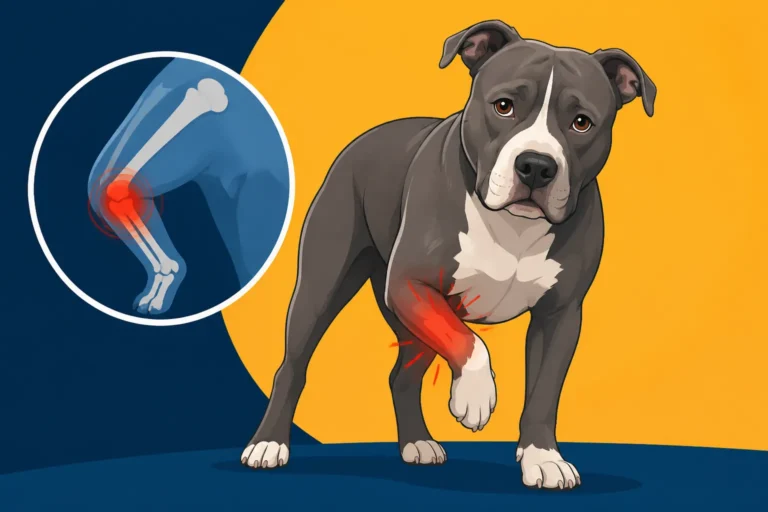
- Joint Strain and Arthritis: Every extra pound puts immense pressure on their joints, especially the hips and elbows, exacerbating conditions like Pit Bull Hip Dysplasia Showing at One to Two Years and leading to premature arthritis. How Weight Multiplies the Load on Pit Bull Joints is a crucial read here.
- Heart Disease: Extra weight means the heart has to work harder to pump blood, increasing the risk of cardiac issues.
- Diabetes: Obesity is a significant risk factor for developing canine diabetes.
- Reduced Stamina and Heat Intolerance: Overweight dogs tire more easily and are more prone to overheating, especially during exercise.
- Increased Risk During Anesthesia: Carrying extra weight can complicate surgical procedures due to increased strain on organs and anesthetic risk.
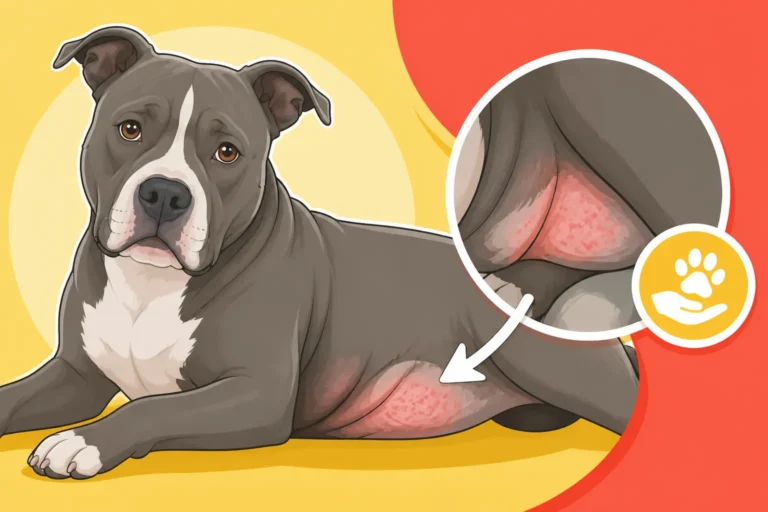
- Skin Fold Dermatitis: Excess skin folds, particularly around the neck or belly, can trap moisture and bacteria, leading to infections.
- Decreased Lifespan: Studies consistently show that obese dogs live shorter lives than their lean counterparts.
For more information, see Pit Bull Obesity and Joint Strain. It’s a harsh reality, but an overweight Pit Bull is a less healthy, less happy Pit Bull. Recognizing this early, before it progresses too far, is the best gift you can give your companion.
When to Consult Your Vet About Weight Changes
Any unexplained or significant change in your Pit Bull’s weight, whether a loss or a gain, warrants a trip to the vet. It’s easy to dismiss a few extra pounds as "just muscle" or a slight leanness as "being active," but these can be early indicators of underlying health problems.
Consult your veterinarian if:
- You notice a sudden or rapid weight loss or gain.
- Your Pit Bull's body condition score changes significantly despite no change in diet or exercise.
- They seem unusually lethargic, have changes in appetite, or other accompanying symptoms.
- You're struggling to get their weight under control with diet and exercise alone. This could indicate a metabolic issue, such as Hypothyroidism and a Thinning Pit Bull Coat which can lead to weight gain.
- You need help formulating a safe weight loss or gain plan. Your vet can provide precise dietary recommendations and exercise guidelines tailored to your dog's individual needs and health status.
Regular check-ups are also crucial for monitoring weight and overall health. Your vet can provide an objective assessment of your Pit Bull's body condition and catch potential issues before they become serious. This proactive approach is key to ensuring your Pit Bull maintains their optimal weight and enjoys a long, healthy life. Investing in pet insurance like Healthy Paws can also provide peace of mind for unexpected vet visits related to health issues that impact weight.
The Role of Genetics and Health in Pit Bull Weight
While diet and exercise are primary drivers of weight and muscle development, they don't operate in a vacuum. Your Pit Bull's genetics, underlying health conditions, and even hormones play a significant role in how their body processes food, builds muscle, and maintains weight. Understanding these factors helps you provide more targeted care.
Inherited Conditions Affecting Metabolism
Pit Bulls, like all breeds, can be predisposed to certain genetic conditions that might indirectly affect their weight or ability to build muscle. Some conditions can impact their metabolism, making it harder to maintain a healthy weight regardless of diet.
For example:
- Hypothyroidism: This is a common endocrine disorder where the thyroid gland doesn't produce enough hormones. Symptoms often include weight gain, lethargy, and a dull coat. A Pit Bull with hypothyroidism might struggle to lose weight despite a reduced-calorie diet and increased exercise. Early diagnosis and medication can manage this effectively.
- Certain types of muscle disorders: While rare, some genetic conditions can affect muscle development or lead to muscle wasting, impacting their overall body condition and making them appear underweight or less muscular.
- Digestive Issues: Genetic predispositions to sensitive stomachs, inflammatory bowel disease, or exocrine pancreatic insufficiency can lead to malabsorption of nutrients, causing a dog to be underweight despite adequate food intake.
If you suspect an underlying genetic condition, especially if your Pit Bull has a family history of such issues, discuss it with your vet. What Testing a Pit Bull Breeder Should Have Done can give you insight into responsible breeding practices that aim to minimize the risk of inherited diseases affecting health and weight.
Hormonal Influences on Weight
Hormones are powerful chemical messengers that regulate almost every bodily function, including metabolism and appetite. Changes in a Pit Bull's hormonal balance can significantly impact their weight and muscle mass.
- Spaying/Neutering: While beneficial for population control and preventing certain health issues, spaying or neutering can lead to hormonal changes that reduce metabolic rate and increase appetite. This often results in weight gain if calorie intake isn't adjusted. Owners often find their A Pit Bull Gaining Weight on the Same Food after surgery, necessitating careful dietary management.
- Cushing's Disease (Hyperadrenocorticism): This condition involves the overproduction of cortisol, a stress hormone. It can lead to a pot-bellied appearance, muscle weakness, and weight gain, along with other symptoms.
- Insulin Resistance/Diabetes: Hormonal imbalances related to insulin can lead to difficulty regulating blood sugar, which impacts weight and energy levels.
Monitoring your Pit Bull's weight and body condition closely after spaying/neutering or if you notice other symptoms of hormonal imbalance is crucial. Your vet can perform blood tests to check hormone levels and recommend appropriate management strategies.
Regular Health Check-ups and Monitoring
Even if your Pit Bull seems perfectly healthy, routine veterinary check-ups are indispensable for monitoring their weight and overall health. These visits allow your vet to:
- Perform a thorough physical examination: They can objectively assess your Pit Bull's body condition score, feel for muscle mass, and check for any lumps or bumps.
- Discuss diet and exercise: Your vet can offer personalized advice on calorie intake, food choices, and appropriate exercise routines based on your dog's age, breed, and lifestyle.
- Run diagnostic tests: If concerns arise, blood tests (like a thyroid panel), urinalysis, or other diagnostics can detect underlying health issues affecting weight before they become serious. This is where pet insurance, like Healthy Paws, can be incredibly helpful in covering these diagnostic costs.
- Address joint health: Given their muscular build, ensuring proper joint health is vital. Your vet can recommend supplements like those discussed in Joint Support for a Heavily Muscled Pit Bull or other preventative measures.
Don't underestimate the value of these regular appointments. They are your best defense against insidious health problems that can silently affect your Pit Bull's weight and muscle, ensuring they stay in prime condition for years to come.
Common Myths and Misconceptions About Pit Bull Muscle
The world of Pit Bull ownership is often rife with misinformation, and nowhere is this more apparent than when discussing their physical appearance, particularly their muscle and weight. Many well-meaning owners fall prey to myths that can actually jeopardize their dog's health rather than enhance it. Let's debunk some of these common misunderstandings.
The "More Muscle is Always Better" Trap
One of the most persistent myths is that "more muscle is always better" for a Pit Bull. This leads some owners to strive for extreme, overly muscled builds that are actually detrimental to the dog's long-term health and functional athleticism. A truly healthy Pit Bull is powerful, yes, but also agile and proportioned. An excessive amount of muscle, often achieved through overfeeding, high-fat diets, or inappropriate supplements, can put undue stress on their skeletal system, particularly their joints and ligaments.
Think about it: an extreme bodybuilder might look impressive, but they often lack the endurance and flexibility of a lean athlete. The same applies to dogs. Over-muscled Pit Bulls can be prone to overheating, have reduced stamina, and may experience joint pain earlier in life. Their ideal physique should allow for natural movement, quick bursts of speed, and sustained activity. Focusing on a balanced diet and appropriate, varied exercise, as we covered in Feeding a Pit Bull for Lean Muscle and Building a Pit Bull's Stamina Safely, will cultivate functional, healthy muscle, not just bulk. Prioritize fitness and longevity over an exaggerated aesthetic.
Understanding Breed-Specific Standards vs. Extreme Builds
It's crucial to distinguish between what breed standards consider ideal and what constitutes an "extreme build." For recognized Pit Bull types, such as the American Pit Bull Terrier (UKC) or the American Staffordshire Terrier (AKC), the standards emphasize a well-muscled, powerful, yet agile and balanced physique. These standards highlight moderate bone structure, good substance, and defined muscle that allows for efficient movement. They don't call for exaggerated bulk.
Unfortunately, some breeders and owners pursue "designer" looks, sometimes leading to dogs with excessively wide chests, short legs, or unnaturally heavy builds, often seen in certain "XL Bully" types. These extreme builds can come with a host of health problems, including respiratory difficulties, joint issues, and reduced mobility, directly contradicting the original "working frame" purpose of the Pit Bull. While these dogs might be adored family members, it’s important to understand that such extreme builds are a deviation from traditional health and functional standards and may not promote a long, comfortable life. Always prioritize your Pit Bull's health and ability to move freely over any aesthetic trend.
| Body Condition Score (BCS) | Description for Pit Bulls | Physical Characteristics | Recommendations |
|---|---|---|---|
| 1-2 (Underweight) | Severely underweight; no discernible muscle | Ribs, spine, and hip bones easily visible from a distance. No fat palpable. Obvious waist and abdominal tuck. Muscle mass significantly reduced in hindquarters and shoulders. | Vet check for underlying issues. Gradually increase high-quality, calorie-dense food. |
| 3-4 (Lean/Ideal) | Lean and athletic; ideal "working frame" | Ribs easily felt without pressing hard, but not easily visible. Waist easily seen from above, tucked abdomen from the side. Muscles are firm and well-defined. Good energy levels and stamina. | Maintain current diet and exercise. Regular check-ups. |
| 5 (Overweight) | Slightly overweight; definition starting to diminish | Ribs palpable but require more pressure. Waist visible but not as pronounced; slight abdominal tuck. Muscles have some fat covering; less definition. | Adjust diet, reduce treats, increase exercise frequency/intensity. |
| 6-7 (Obese) | Significantly overweight; excessive fat covering | Ribs difficult to feel. No waist visible; abdomen round or sagging. Heavy fat deposits over back, tail base, and neck. Muscles obscured by fat. Labored movement, reduced energy. | Vet consultation immediately. Strict weight loss plan, including prescription diets. |
Disclaimer
The information provided in this article is for general informational purposes only and is not a substitute for professional veterinary advice. Always consult with a qualified veterinarian regarding your Pit Bull's specific health concerns, dietary needs, exercise regimen, and any changes in their weight or condition.