Joint Support for a Heavily Muscled Pit Bull
It’s a heart-sinking moment when you notice your strong, athletic Pit Bull starting to show signs of stiffness or discomfort, especially when you know their powerful build is often seen as both a blessing and a curse for their joints. Many of us worry constantly about how to support these incredible dogs, whose very muscle mass can sometimes put extra strain on their delicate joint structures. This guide is here to walk you through understanding these unique challenges and providing the best possible joint support for your muscular Pit Bull, from diet to exercise to proactive vet care.
Understanding the Unique Joint Challenges of Muscular Pit Bulls
Pit Bulls are renowned for their robust, athletic physiques, packed with dense muscle. While this strength is part of what makes them so magnificent and capable, it also presents specific challenges for their skeletal system, particularly their joints. It’s a delicate balance to maintain, ensuring their power doesn't inadvertently become a source of pain or long-term issues.
The Double-Edged Sword of Muscle Mass
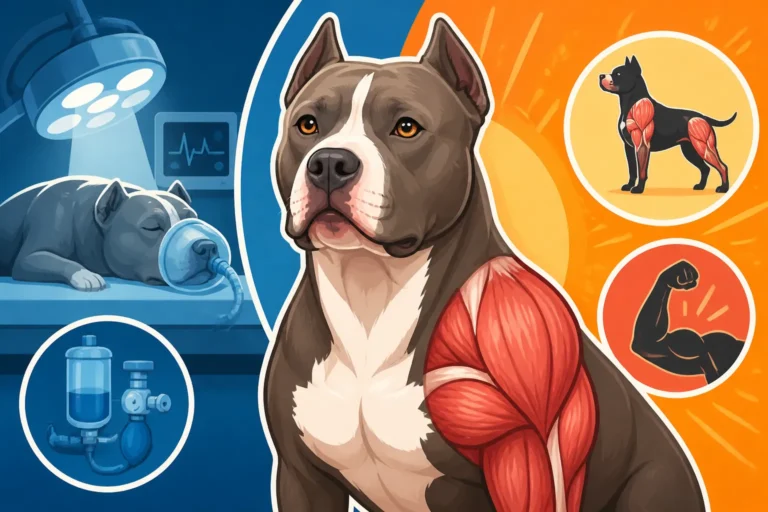
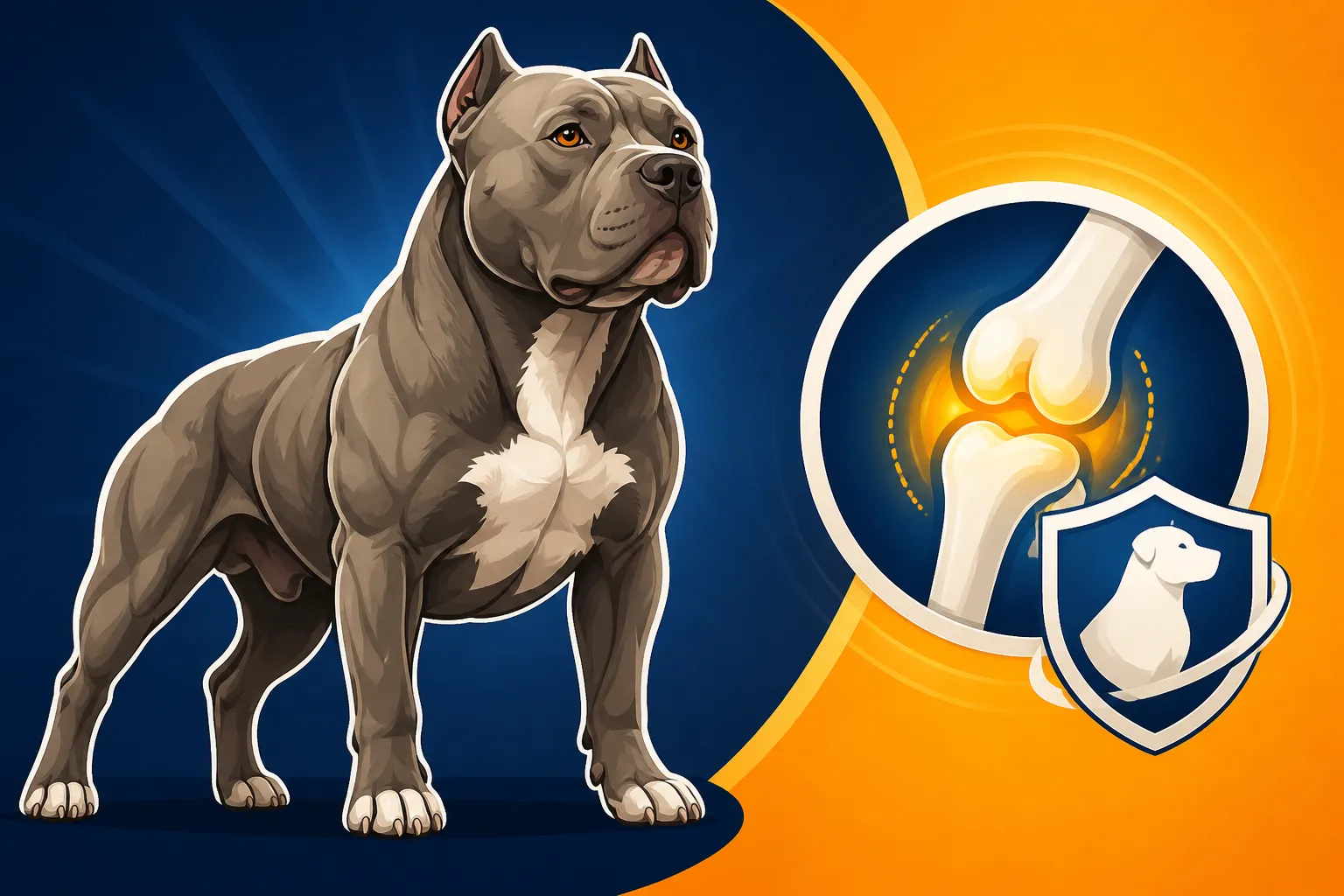
Think about it this way: your Pit Bull carries a significant amount of lean muscle. This muscle is fantastic for power, agility, and protecting the joints from external impacts. A well-conditioned Pit Bull with strong surrounding muscles can provide excellent natural stability to their joints. However, this muscle also means more sheer weight and force being applied to the joints with every step, every jump, and every powerful lunge. If the underlying joint structure isn't perfectly sound, this added stress can accelerate wear and tear, or exacerbate existing genetic predispositions. It's like putting a high-performance engine into a car with a slightly flawed chassis – eventually, something's going to give if not properly managed. This is why careful management of their condition, from puppyhood right through to their senior years, is so crucial for these powerful breeds.
Moreover, the breed's natural enthusiasm and high drive often mean they don't hold back, even if they're experiencing mild discomfort. They'll push through pain, especially during exciting activities, which can lead to further injury. We, as their guardians, have to be extra vigilant, learning to read their subtle cues and understanding that their sheer willpower can mask problems that might be more obvious in a less driven dog.
Common Joint Issues Faced by Pit Bulls
Unfortunately, despite their tough appearance, Pit Bulls are not immune to common orthopedic issues that affect many active, medium-to-large breeds. Knowing what to look out for can make all the difference in catching problems early and managing them effectively.
One of the most frequently discussed conditions is hip dysplasia. You might notice early signs like your dog struggling to get up, a "bunny hop" gait, or reluctance to jump into the car. For many Pit Bulls, signs of Pit Bull Hip Dysplasia Showing at One to Two Years are unfortunately not uncommon. This condition, where the hip joint doesn't form correctly, means the ball and socket grind rather than glide smoothly, leading to pain and eventual arthritis. While a heavily muscled Pit Bull might appear to compensate well for a while, the underlying damage is still progressing.
Similarly, elbow dysplasia can cause front-end lameness and discomfort. This is another developmental condition where various growth abnormalities occur in the elbow joint. You might see your Pit Bull favouring one front leg or experiencing stiffness, especially after rest. These issues are often hereditary, so understanding your dog's lineage, if possible, is incredibly helpful. For a heavily muscled dog, managing conditions like Pit Bull Elbow Dysplasia and Front End Lameness requires a comprehensive approach, including managing their weight and exercise to prevent further stress on already compromised joints.
Beyond developmental issues, acute injuries are a significant concern. The powerful propulsion and quick changes in direction common to Pit Bulls, especially during play or working activities, can put immense strain on their ligaments. A common and devastating injury is a cruciate ligament tear, often seen in athletic dogs. Imagine your Pit Bull planting their foot and twisting, or pushing off hard, and suddenly there's a yelp or a refusal to bear weight. Cruciate Ligament Tears in a Muscular Pit Bull can be particularly challenging due to their strength, requiring extensive rehabilitation or surgery. These injuries are painful and can significantly impact their quality of life if not treated.
Finally, as our beloved companions age, arthritis becomes almost inevitable. Even with the best care, years of activity, and perhaps some underlying conformational quirks, can lead to degenerative joint disease. You might start noticing Arthritis in a Pit Bull at Seven, with stiffness, reduced willingness to play, or difficulty with stairs becoming more apparent. Their muscle mass, while protective, doesn't stop the biological process of cartilage degradation. This is where a proactive, lifelong approach to joint health truly pays dividends.
Foundational Approaches to Joint Health
While supplements and advanced veterinary care have their place, the absolute bedrock of supporting your muscular Pit Bull's joints lies in consistent, everyday practices. These aren't the flashy solutions, but they are the most impactful for long-term health and comfort.
Maintaining an Ideal Weight: The Cornerstone
If there’s one piece of advice that can transform a Pit Bull's joint health, it's this: keep them lean. This isn’t about making them skinny; it’s about maintaining an ideal, athletic body condition where you can easily feel their ribs but not see them, and they have a distinct waist tuck when viewed from above. It sounds simple, but for a heavily muscled dog, it can be deceptively challenging to achieve.
Every extra pound your Pit Bull carries translates to significantly more stress on their joints with every movement. Think about How Weight Multiplies the Load on Pit Bull Joints – even a few extra pounds can add tens or hundreds of pounds of pressure on knees and hips over the course of a day. This added stress accelerates cartilage wear, exacerbates inflammation, and can worsen existing conditions like hip or elbow dysplasia. It truly is the cornerstone of joint health.
Assessing body condition in a muscular dog like a Pit Bull can be tricky because their bulk can hide excess fat. You need to learn Telling Muscle From Fat on a Pit Bull by using your hands. Feel along their ribs; you should be able to feel them easily with light pressure, almost like the back of your hand. If you have to press hard to feel them, they’re likely carrying too much fat. Look for that distinct waist tuck. If they're built like a brick with no discernible waist, it's time for some adjustments.
Dietary management is key here. It often involves precise portion control and selecting the right type of food. You might need to consider Trimming a Heavy Pit Bull Back to Lean by slightly reducing calorie intake and increasing their controlled exercise. This isn't about starvation, but about mindful feeding. Remember, even healthy treats contribute to daily calories, so factor those in. Your vet can provide excellent guidance on specific calorie targets and help you create a personalized plan to achieve and maintain that lean, athletic build.
Tailored Exercise for Joint Support
For a breed as energetic and powerful as the Pit Bull, exercise is non-negotiable. However, how they exercise can make a huge difference in their joint longevity. The goal is to build and maintain strong supporting muscles without putting excessive, concussive strain on the joints themselves. This often means favoring low-impact, consistent activities over sporadic, high-intensity bursts.
Controlled leash walks are excellent. They provide cardiovascular benefits, build stamina, and strengthen muscles without the harsh impact of uncontrolled running or jumping. Consider varied terrain, such as grass or soft trails, which are gentler on joints than concrete or asphalt. Long, steady hikes can be fantastic, allowing them to use their muscles in a natural, flowing way. Remember to always use appropriate gear like a well-fitted harness to prevent neck strain if they tend to pull hard.
Activities like swimming are truly a joint-friendly superpower for Pit Bulls. The buoyancy of the water takes the weight off their joints while still providing a fantastic full-body workout. If your Pit Bull enjoys the water, incorporating regular swim sessions can build incredible muscle tone and cardiovascular fitness without any impact. Many canine rehabilitation centers offer hydrotherapy, which is essentially guided swimming in a pool, ideal for dogs recovering from injury or those with chronic joint issues.
While Pit Bulls love to run and jump, it's crucial to manage high-impact activities, especially on hard surfaces. Repeated, hard landings from frisbee catches, intense agility work, or uncontrolled dog park romps on pavement can take a toll over time. If your dog loves these activities, aim for shorter sessions on soft ground, and always ensure a proper warm-up and cool-down. Understanding that for a muscular Pit Bull, intense, uncontrolled play can sometimes lead to injury is an important part of responsible ownership. Indoor enrichment games and puzzle toys can provide mental stimulation and some physical activity on days when high-impact outdoor exercise isn't appropriate, or when you need to give their joints a break.
Exploring Joint Supplements and Nutritional Support
Once you’ve got the basics of weight management and appropriate exercise down, joint supplements and specific dietary considerations can offer an additional layer of support for your heavily muscled Pit Bull. These aren't magic pills, but they can play a significant role in promoting cartilage health, reducing inflammation, and improving overall joint comfort, especially as your dog ages or if they have a known joint condition.
Key Ingredients and Their Role
When looking at joint supplements, you'll encounter a few common ingredients, each with a specific function. Understanding what these ingredients do can help you make an informed choice.
-
Glucosamine and Chondroitin: These are probably the most well-known joint supplement ingredients. Glucosamine is an amino sugar that plays a vital role in building and repairing cartilage, the connective tissue that cushions joints. Chondroitin sulfate helps maintain the elasticity of cartilage and inhibits enzymes that break down cartilage. Together, they are thought to work synergistically to support the structural integrity of the joint and promote healthy joint fluid production. For a muscular Pit Bull, providing these building blocks can help combat the wear and tear that comes from their powerful movements.
-
MSM (Methylsulfonylmethane): MSM is a naturally occurring sulfur compound with anti-inflammatory and pain-reducing properties. It's believed to help reduce pain signals and decrease inflammation within the joints. When your Pit Bull's joints are under constant stress from their muscle mass, any ingredient that can help calm inflammation is a valuable addition to their regimen.
-
Omega-3 Fatty Acids (EPA and DHA): These essential fatty acids, typically derived from fish oil, are powerful natural anti-inflammatories. They work by modifying the body's inflammatory response, reducing the production of inflammatory mediators that contribute to joint pain and stiffness. Regular supplementation with high-quality omega-3s can significantly improve comfort and mobility for dogs with arthritis or other inflammatory joint conditions. They also contribute to a healthy coat and skin, which is a bonus!
-
Green-Lipped Mussel (GLM): Hailing from New Zealand, Green-Lipped Mussel is a more holistic joint support ingredient. It contains a complex array of beneficial compounds, including omega-3 fatty acids, glucosamine, chondroitin, and various vitamins and minerals. It's believed to offer comprehensive support for joint health by reducing inflammation, aiding in cartilage repair, and providing antioxidants. Many Pit Bull owners find it to be a powerful addition to their dog's routine.
-
Hyaluronic Acid (HA): Hyaluronic acid is a key component of synovial fluid, the natural lubricant found in joints. Supplementing with HA can help improve the viscosity and elasticity of this fluid, leading to better joint lubrication and shock absorption. This is especially beneficial for active, muscular dogs whose joints need all the cushioning they can get.
Here's a quick look at some common joint supplement ingredients:
| Ingredient | Primary Function | Benefit for Muscular Pit Bulls |
|---|---|---|
| Glucosamine HCl & Chondroitin Sulfate | Cartilage repair and maintenance, joint fluid support | Helps rebuild and protect cartilage against wear from heavy muscle use |
| MSM (Methylsulfonylmethane) | Anti-inflammatory, pain reduction | Reduces inflammation and discomfort in stressed joints |
| Omega-3 Fatty Acids (EPA/DHA) | Powerful natural anti-inflammatory | Decreases inflammatory responses, improves overall joint comfort |
| Green-Lipped Mussel | Comprehensive joint support (omegas, glucosamine, etc.) | Holistic approach to cartilage health and inflammation management |
| Hyaluronic Acid (HA) | Joint lubrication, shock absorption | Improves joint fluid quality for smoother movement and cushioning |
Choosing the Right Supplement for Your Pit Bull
Navigating the vast world of joint supplements can feel overwhelming. The most crucial first step is always to consult with your veterinarian. They can help diagnose any underlying conditions, recommend appropriate ingredients and dosages based on your Pit Bull's specific needs, weight, and overall health status. What works for one dog might not be ideal for another, and your vet has the full picture.
When you're ready to buy, look for reputable brands that prioritize quality control and transparency. Companies that conduct third-party testing for purity and potency provide an extra layer of assurance. The supplement industry isn't as strictly regulated as prescription medications, so doing your homework is essential. Read reviews, check for certifications, and avoid brands with vague ingredient lists.
Supplements come in various forms: tasty chews, powders that you sprinkle over food, or liquid formulations. Consider what will be easiest for you and your Pit Bull. A delicious chew might be readily accepted, making consistent administration much simpler than trying to hide a powder. Some popular and well-regarded brands include Nutramax (makers of Dasuquin and Cosequin), VetriScience, Zesty Paws, and PhytoMax, though many good options exist. Remember, consistency is key; these supplements often take weeks to months to show their full effects.
It’s also wise to consider the long-term financial aspect of managing a Pit Bull's joint health. Issues like hip dysplasia or cruciate tears can lead to significant veterinary bills, from diagnostics to surgery and ongoing medication. This is where pet insurance can be a lifesaver. Providers like Healthy Paws offer robust coverage that can help offset the costs of these expensive treatments, allowing you to choose the best care without financial strain. While Healthy Paws doesn't sell supplements, their policies can cover the vet visits, medications, and even physical therapy that complement a supplement regimen.
Beyond Supplements: Dietary Considerations
While supplements add specific nutrients, a holistic approach to joint health must also consider your Pit Bull's entire diet. The quality of their base food provides the fundamental building blocks for their body, including their joints.
Many premium dog foods, especially those formulated for large breeds or senior dogs, include some joint-supporting ingredients. While these might not be in therapeutic doses, they contribute to overall health. For dogs with diagnosed joint conditions or significant pain, your vet might recommend a prescription joint diet. These specialized foods are often fortified with higher levels of omega-3s, glucosamine, and other beneficial nutrients, designed to work in conjunction with other treatments. Brands like Hill's Prescription Diet j/d or Royal Canin Mobility Support are examples that vets often recommend.
Beyond specific nutrients, ensuring a balanced diet that supports a healthy weight, as discussed earlier, is paramount. Too many calories, especially from unhealthy sources, contribute to obesity, which is disastrous for joints. Focus on high-quality protein sources to maintain muscle mass (which indirectly supports joints), and ensure appropriate fat and carbohydrate levels.
Additionally, certain antioxidants and micronutrients found in a well-rounded diet can help combat oxidative stress and inflammation throughout the body, including the joints. Fresh whole foods, even in small, vet-approved quantities (like blueberries or turmeric mixed into their meal), can provide additional nutritional benefits. Always check with your vet before adding any human foods or large amounts of new ingredients to your Pit Bull's diet to ensure they are safe and don't interfere with existing dietary needs.
Proactive and Reactive Veterinary Care
Even with the most diligent home care, a heavily muscled Pit Bull can still face joint challenges. This is where a strong partnership with your veterinarian becomes absolutely indispensable. They are your primary resource for everything from early detection to advanced treatment.
Regular Check-ups and Early Detection
Think of your Pit Bull's annual (or bi-annual for older dogs) veterinary check-ups as your front line of defense against serious joint issues. During these visits, your vet will perform a thorough physical examination, including palpating joints, assessing gait, and checking for any signs of pain or reduced range of motion. For a powerful dog like a Pit Bull, subtle changes can be easy to miss at home, but a trained professional might spot them earlier.
It's crucial for you, as the owner, to be vigilant at home. Keep an eye out for any changes in your Pit Bull's behavior, no matter how small. Is your dog reluctant to jump on the couch anymore? Are they slower to get up after a nap? Do they hesitate before taking the stairs? Do they seem less enthusiastic about their usual walk? These can all be early indicators of discomfort. Remember, The First Hip Signs in a Two Year Old Pit Bull might just be a subtle lameness after exercise, not a dramatic limp. You know your dog best, so communicate any concerns, even vague ones, to your vet.
If your vet suspects a joint issue, they will likely recommend further diagnostic tests. This commonly includes X-rays, which can reveal abnormalities in bone structure, joint space narrowing, and signs of arthritis. In some cases, more advanced imaging like CT scans or MRIs might be necessary, especially for complex soft tissue injuries. Gait analysis, where your dog walks or runs over a special pressure plate, can also provide valuable information about how they are distributing their weight and whether they are compensating for pain. Early and accurate diagnosis is key to implementing an effective treatment plan and slowing the progression of many joint diseases.
Physical Therapy and Other Modalities
When joint issues arise, whether from injury or chronic disease, modern veterinary medicine offers a wide array of treatments beyond just medication and surgery. Physical therapy, often called rehabilitation, can be incredibly beneficial for muscular Pit Bulls. Just like humans, dogs can benefit from targeted exercises to strengthen supporting muscles, improve range of motion, and reduce pain.
Common physical therapy techniques include:
- Hydrotherapy: We mentioned swimming earlier, and it's a cornerstone of rehab. Using an underwater treadmill or a therapy pool allows your Pit Bull to exercise with reduced weight-bearing stress, building muscle and endurance safely.
- Therapeutic Exercises: These are specific exercises designed to target weak muscles, improve balance, and increase flexibility. They might involve cavaletti poles, balance balls, or controlled movements on different surfaces.
- Massage and Stretching: These techniques can improve circulation, reduce muscle spasms, and increase flexibility, all contributing to better joint function and comfort.
Beyond physical therapy, other modalities can provide significant pain relief and support healing. Laser therapy (Class IV laser) uses specific wavelengths of light to reduce inflammation, promote tissue repair, and alleviate pain. Acupuncture, an ancient practice, involves inserting fine needles into specific points on the body to stimulate nerve function and release natural pain-relieving substances. These can be particularly helpful for managing chronic pain associated with Arthritis in a Pit Bull at Seven or other degenerative conditions.
Of course, pain management often includes medication. Non-steroidal anti-inflammatory drugs (NSAIDs) are commonly prescribed to reduce pain and inflammation. Other medications might include gabapentin for neuropathic pain or amantadine for chronic pain modulation. Your vet will carefully choose the right medications and dosages to keep your Pit Bull comfortable while minimizing side effects.
In severe cases, or for acute injuries, surgical intervention may be necessary. Procedures like a Hip Replacement in a Muscular Pit Bull can offer a new lease on life for dogs with debilitating hip dysplasia. Similarly, surgical repair is often recommended for Rebuilding a Pit Bull Knee After a Tear to restore stability and function. These are major surgeries that require extensive post-operative care and rehabilitation, but for many dogs, they provide significant relief and improved quality of life. Understanding these options, and being financially prepared for them, is part of responsible Pit Bull ownership. Again, this is where having pet insurance, such as a policy from Healthy Paws, can provide immense relief by covering a significant portion of these high costs, ensuring you can make decisions based on your dog's health needs rather than your wallet.
Remember, the goal is always to keep your heavily muscled Pit Bull as comfortable and mobile as possible throughout their life. It's a journey that requires vigilance, commitment, and the expertise of your veterinary team.
Disclaimer
This article is intended for informational purposes only and does not constitute medical advice. Always consult with a qualified veterinarian for any health concerns or before making any decisions about your Pit Bull's care, diet, or treatment.