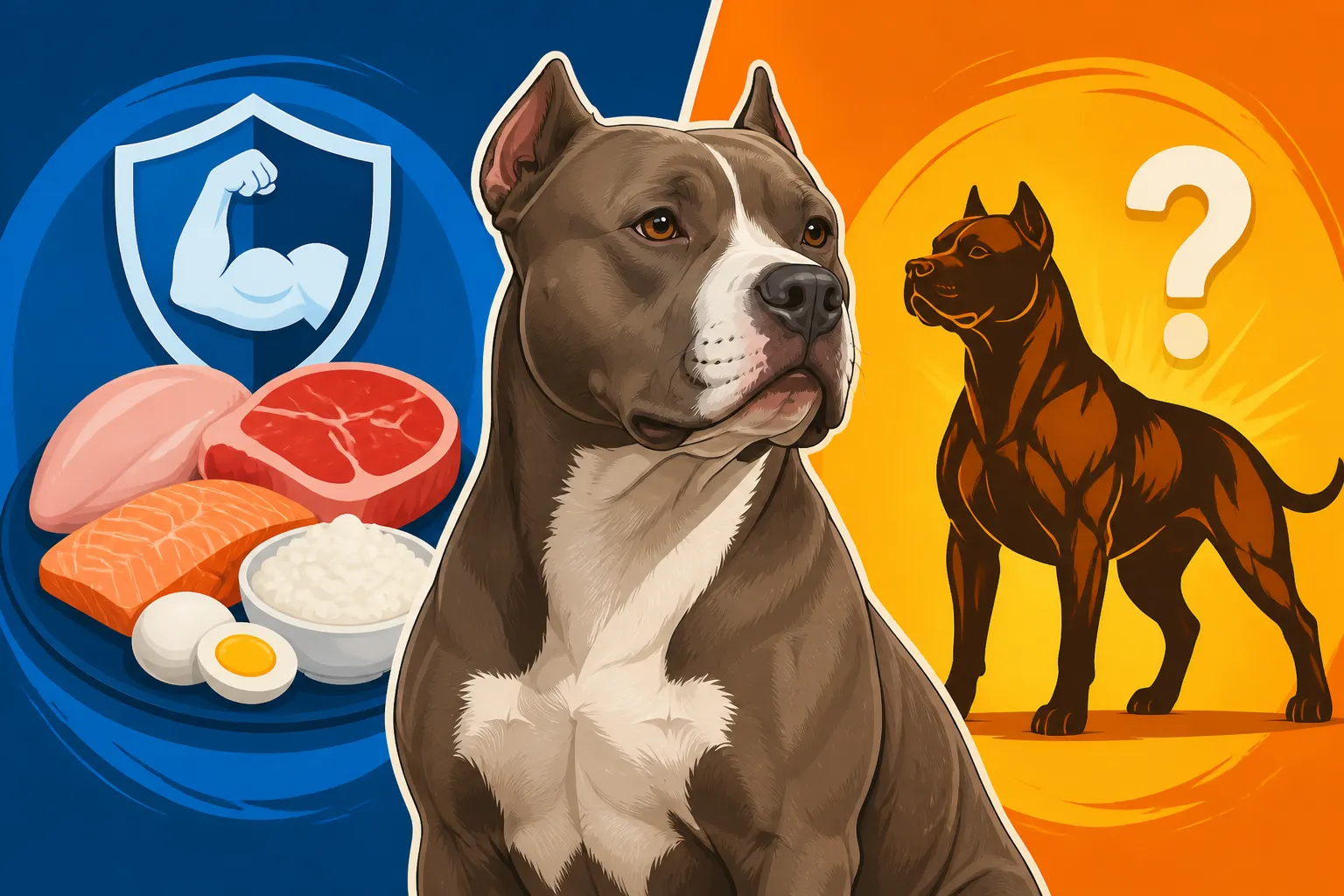
Whether Pit Bulls Need Extra Protein for Muscle
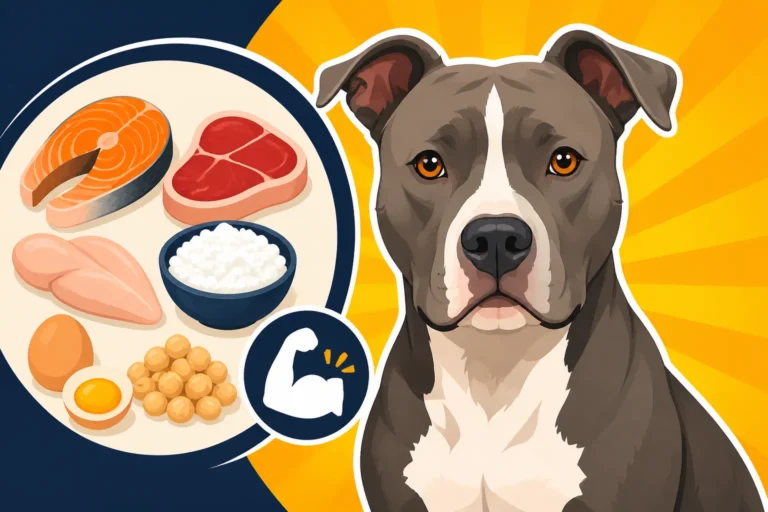
It's a common thought for us Pit Bull owners, isn't it? You look at your powerful, muscular dog, and your mind immediately jumps to protein. We hear so much about athletes needing protein for muscle, and it's natural to wonder if our own canine athletes, with their incredible strength and build, need a special, super high-protein diet to truly thrive and maintain that impressive physique. This guide is here to cut through the confusion and help you understand the real role of protein in your Pit Bull's diet, separating fact from marketing hype.
Understanding Protein's Role in a Pit Bull's Body
Before we dive into numbers and specific foods, let's get a handle on what protein actually does for your Pit Bull. It's not just about big biceps and strong legs, though it certainly contributes to those! Protein is fundamental to virtually every bodily function. Think of it as the building block for life itself, not just muscle.
Every cell, every tissue, every organ in your Pit Bull’s body needs protein. It’s essential for building and repairing muscles, yes, but also for growing healthy skin and a shiny coat – something many Pit Bull owners worry about, given how prone they can be to dermatological issues. Protein helps create enzymes, hormones, and antibodies, all of which are crucial for a robust immune system and proper metabolism. Without adequate protein, your Pit Bull wouldn't be able to grow, heal, or fight off illness effectively. It’s a vital nutrient that plays a far more complex role than simply adding bulk, making it a cornerstone of their overall health.
This means that while protein is absolutely necessary for muscle development and maintenance, it’s also critical for everything from their immune response to their energy levels. A lack of sufficient, digestible protein can lead to a host of problems, including poor coat quality, stunted growth in puppies, weakened immunity, and, of course, a loss of muscle mass. It’s a nutrient that truly underpins their entire well-being.
How Much Protein Does a Pit Bull Really Need?
This is where things can get a little tricky, and where a lot of well-meaning Pit Bull owners might overthink their dog's diet. The short answer is: Pit Bulls need adequate protein, not necessarily excessive protein. The term "extra protein" often implies going far beyond what's recommended, and that's usually where we start to see diminishing returns or even potential issues.
According to veterinary nutritional guidelines, a healthy adult dog generally requires a minimum of 18% crude protein on a dry matter basis in their diet. For growing puppies and lactating females, this percentage increases, typically to around 22-25% to support their intense growth and milk production demands. Many quality commercial dog foods, especially those formulated for active breeds or "all life stages," already meet and often exceed these minimums, providing anywhere from 25% to 35% or even higher.
The key is quality and digestibility. A food with 30% crude protein from high-quality, animal-based sources (like chicken, beef, or fish) is far more beneficial than a food with 35% protein derived largely from plant sources that are less digestible for dogs. Your Pit Bull's digestive system is built to process animal proteins most efficiently. When you're looking at food labels, focus on the first few ingredients – they should ideally be whole meat sources. You can find many excellent options for Pit Bulls on platforms like Chewy, which often highlight ingredient quality. For those looking for fresh food options, companies like Ollie provide pre-portioned, human-grade meals that tend to have high-quality protein sources.
Decoding Protein Percentages on Labels
It’s easy to get lost in the numbers when you’re staring at a dog food bag. Most percentages on the label refer to the "as fed" basis, meaning the percentage in the food right out of the bag. However, for a true comparison, you often need to look at the "dry matter" basis, which accounts for moisture content. This is particularly important if you're comparing wet food to dry kibble.
For example, a dry kibble might list 25% protein, while a wet food might list 8% protein. At first glance, the kibble seems much higher. But if the kibble is 10% moisture and the wet food is 75% moisture, the dry matter protein would be:
- Kibble: 25% / (1 – 0.10) = 27.8% dry matter protein
- Wet food: 8% / (1 – 0.75) = 32% dry matter protein
Suddenly, that wet food has more protein on a dry matter basis! This is why simply comparing the "as fed" percentages can be misleading. While many owners don't need to do these calculations daily, it's good to understand the principle if you're trying to compare different food types or truly optimize your Pit Bull's diet. Reputable brands will often provide dry matter analysis on their websites if not on the bag itself.
The Myth of "More is Always Better"
There's a prevailing belief that if a dog is muscular, more protein will make them even more muscular, or that it's necessary for their power. While protein is crucial, there's a point where additional protein simply isn't utilized for muscle growth. Once your Pit Bull's body has enough protein to meet its structural, reparative, and energy needs, the excess isn't stored as muscle. Instead, it gets broken down, and the nitrogen components are excreted (often taxing the kidneys), while the remaining calories can be converted to fat if not burned off. This isn't just inefficient; it can also be costly, both financially and potentially for your dog's health in the long run.
Think of it like watering a plant. Giving it a sufficient amount of water helps it grow beautifully. Pouring an entire bucket on it won't make it grow faster; it'll just spill over and potentially drown the roots. The same goes for protein in your Pit Bull's diet. A well-balanced diet that meets their actual protein needs, coupled with appropriate exercise, is far more effective and healthier than simply trying to load them up on protein. This aligns with the principles of Feeding a Pit Bull for Lean Muscle – it's about balance, not just one macronutrient.
Here's a quick comparison of protein levels you might see in commercial dog foods:
| Category | Typical Crude Protein (Dry Matter Basis) | Common Application |
|---|---|---|
| Adult Maintenance | 20-25% | Average activity, general health maintenance |
| All Life Stages / Active Dogs | 25-30% | Growing puppies, working dogs, highly active adults |
| Performance / High-Energy | 30-35%+ | Dogs with intense physical demands (e.g., competitive sports, working roles) |
| Senior Dogs | 20-28% | Often slightly higher to help maintain muscle mass, but lower in fat |
It's clear that many standard dog foods designed for active breeds already fall into the optimal range for Pit Bulls without needing special "extra" protein additions. For most Pit Bulls, a diet in the 25-30% range for dry matter protein is perfectly adequate to support their muscular build and active lifestyle, provided the protein sources are high-quality.
Beyond Protein: Other Factors for Pit Bull Muscle and Health
Focusing solely on protein can lead us to miss the bigger picture of your Pit Bull's overall health and muscle development. While protein is a crucial ingredient, it's just one part of a complex recipe for a strong, healthy dog. There are several other equally vital components that contribute to that impressive Pit Bull physique and robust well-being.
The Indispensable Role of Exercise
You can feed your Pit Bull the highest protein diet on the planet, but without proper exercise, that protein won't translate into lean, powerful muscle. Pit Bulls are naturally athletic and muscular dogs, and they need consistent, appropriate physical activity to develop and maintain their strength. Think about it: muscles grow and strengthen in response to being worked. If they're not challenged, they won't grow, no matter how much protein is available.
Their exercise needs go beyond a quick walk around the block. They thrive on activities that engage their powerful bodies and minds, like brisk walks, jogging, hiking, swimming, or structured playtime with tug toys or flirt poles. These activities not only build muscle but also help maintain a healthy weight, which is critical for joint health and overall longevity. A well-exercised Pit Bull is not just physically fit, but also happier and better behaved. You can learn more about this in articles like Pit Bull Exercise for a Powerful Athletic Dog and The Daily Exercise a Pit Bull Actually Needs. Consistency is key here; short bursts of intense activity combined with regular, moderate exercise will yield the best results for muscle tone and cardiovascular health.
Balanced Nutrition and Essential Nutrients
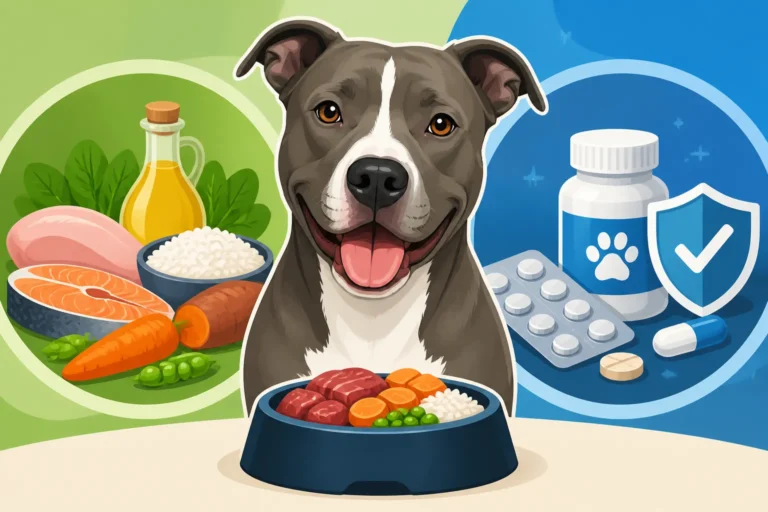
Protein doesn't work in isolation. Your Pit Bull needs a complete and balanced diet that includes healthy fats, carbohydrates, vitamins, and minerals.
- Fats provide concentrated energy and are essential for nutrient absorption, skin, and coat health. Omega-3 and Omega-6 fatty acids, often found in fish oils or certain plant oils, are particularly beneficial for a Pit Bull’s skin and coat, helping to manage some of those common skin sensitivities.
- Carbohydrates from sources like sweet potatoes, peas, or brown rice provide sustained energy for their active lifestyle.
- Vitamins and Minerals are the microscopic workhorses, supporting everything from bone health to immune function.
A high-quality commercial dog food from a reputable brand (whether it's kibble from Chewy or fresh food from Ollie) is formulated to provide this balance. Adding excessive amounts of a single nutrient, even protein, without considering the overall balance, can actually create nutritional imbalances or deficiencies. For instance, too much calcium can interfere with the absorption of other minerals. It's about synergy – all nutrients working together for optimal health. Sometimes, a vet might recommend Joint Supplements for a Muscular Pit Bull if they're particularly active or aging, but these are additions to an already balanced diet, not replacements for it.
Genetics and Individual Metabolism
Let's be honest, some Pit Bulls just seem naturally more muscular than others, even on the same diet and exercise routine. This is where genetics come into play. Just like in humans, some dogs are predisposed to a more athletic, muscular build, while others may be leaner or have a different body type. You can see this clearly when you're Reading Pit Bull Body Condition Under Muscle – some are just naturally broader.
Your Pit Bull's individual metabolism also influences how efficiently their body uses nutrients and builds muscle. Some dogs are "hard keepers" who struggle to put on weight or muscle, while others might gain weight easily. Factors like age, sex, and whether they are spayed or neutered also affect their metabolic rate and nutritional needs. For example, a senior Pit Bull might need a diet tailored to maintain muscle mass as they age, even if their activity levels decrease. Hypothyroidism and a Thinning Pit Bull Coat is another example of a metabolic issue that can affect overall condition. This is why a "one size fits all" approach to diet, especially assuming "more protein is always better," isn't effective. Consulting with your veterinarian can help you determine the specific needs of your individual Pit Bull.
Potential Downsides of Excessive Protein
While protein is essential, an "extra protein" approach that goes significantly beyond your Pit Bull's actual needs isn't without its potential drawbacks. Just like anything in excess, too much of a good thing can sometimes lead to issues, especially over the long term.
One common concern revolves around kidney health. When a dog consumes more protein than their body can use, the excess nitrogen from the amino acids is processed by the kidneys for excretion. While healthy kidneys are generally very efficient at this, consistently high levels of excess protein can put an unnecessary strain on these organs over time. For dogs with pre-existing or undiagnosed kidney issues, an overly high protein diet could potentially exacerbate their condition. This isn't to say a high-protein diet causes kidney disease, but it's a consideration, particularly as dogs age.
Another less common, but still possible, issue is digestive upset. Some dogs, especially those with sensitive stomachs, might experience diarrhea or vomiting when switched to a very high-protein diet too quickly, or if the protein source is difficult for them to digest. The sheer volume of protein can sometimes overwhelm their digestive enzymes, leading to discomfort. If you are considering changing your Pit Bull's diet, doing it gradually over a week or two is always recommended to allow their system to adjust.
Finally, there's the calorie aspect. Protein does contain calories. If your Pit Bull is consuming an "extra protein" diet that also means "extra calories," and those calories aren't burned off through exercise, the excess will be stored as fat. This can lead to unwanted weight gain, even if the primary goal was muscle. Pit Bull Obesity and Joint Strain is a serious concern for a muscular breed, as extra weight puts immense pressure on their joints, potentially worsening conditions like hip or elbow dysplasia. This defeats the entire purpose of trying to build a lean, athletic dog. Remember, a fit Pit Bull is about balanced body condition, where muscle is prominent, but not hidden under a layer of fat. Keeping a close eye on their overall calorie intake and adjusting it based on their activity level is far more important than just focusing on one macronutrient. For specific foods and nutritional tools, you might find valuable insights browsing the extensive selections on Amazon or through specialized pet food retailers.
Disclaimer
This article is for general informational purposes only and does not constitute professional advice. Laws, prices and regulations vary by location and change over time. Consult a qualified professional for guidance on your specific situation.